

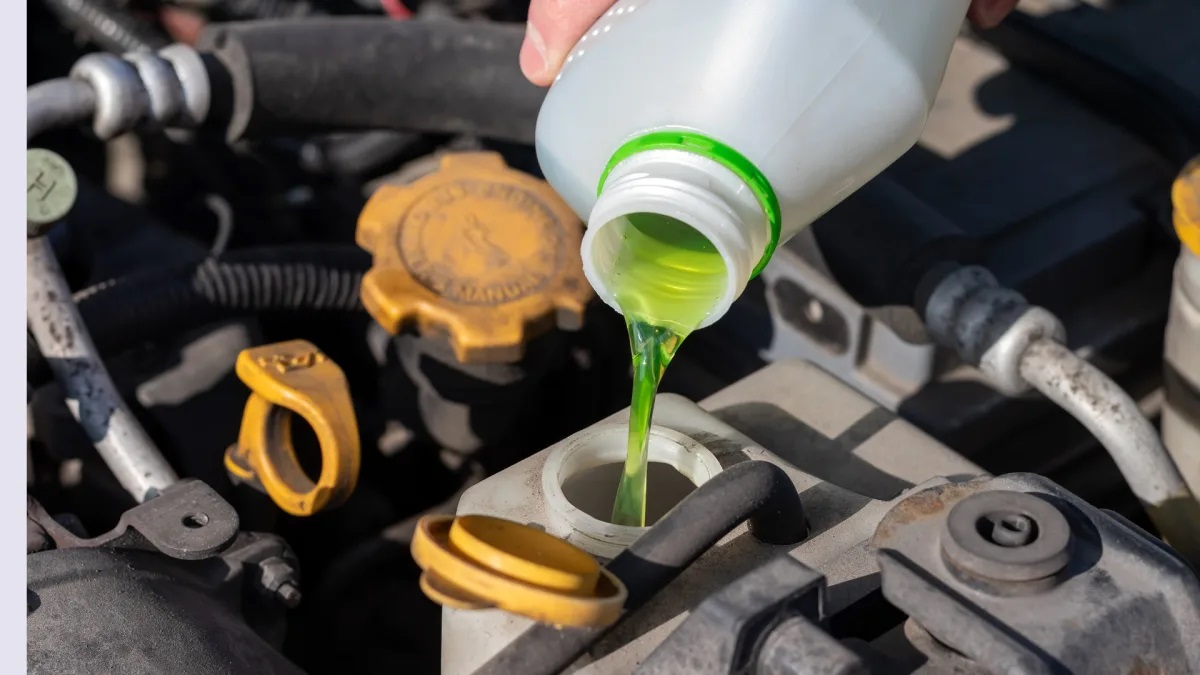
Keeping your vehicle’s engine cool is crucial for smooth performance and preventing costly damage. Coolant plays a key role in this process, but how do you know if your coolant is running low before it causes trouble? Recognizing the signs early can save you from unexpected breakdowns and expensive repairs.
You don’t need to be a mechanic to spot warning signals like overheating, unusual smells, or a low coolant warning light. Understanding these indicators helps you take quick action and keep your engine running efficiently. Let’s explore how to tell if your coolant levels need topping off so you can drive with confidence.
Signs to Identify If Coolant Is Low
You can detect low coolant levels by observing visual cues and engine behavior. Monitoring these signs helps you maintain your vehicle’s cooling system before problems escalate.
Checking the Coolant Reservoir
Inspect the coolant reservoir when the engine is cold. Locate the translucent plastic tank under your hood and read the markings labeled “Full” and “Low.” If the coolant level falls below the “Low” mark, it’s a clear signal that you need to add coolant. Use a clean cloth to wipe off dirt that may obscure the markings for accurate reading.
Noticing Engine Overheating
Pay attention if your temperature gauge rises above the normal range or if an overheating warning light activates on your dashboard. Overheating often occurs when coolant levels drop, reducing heat dissipation from the engine. If your engine temperature spikes quickly or frequently, low coolant is likely.
Observing Unusual Smells or Steam
Detect a sweet, syrup-like smell around your vehicle, especially near the front grille or engine bay. This odor results from leaking coolant. Notice steam or vapor coming from the engine compartment during or after driving; it indicates escaping coolant vapor due to insufficient coolant or leaks. Address these signs promptly to avoid engine damage.
Tools and Methods to Measure Coolant Levels
Measuring your vehicle’s coolant level requires specific tools and safe methods. Using them ensures accurate readings and avoids damage.
Using a Coolant Tester
Use a coolant tester to measure coolant concentration and level. Insert the tester’s probe into the coolant reservoir or radiator, depending on access. Read the tester’s scale to determine coolant’s freezing and boiling points, which indicate the coolant’s effectiveness. Use this tool regularly to confirm coolant quality alongside its volume.
Inspecting the Radiator Cap Safely
Check the radiator cap only when the engine is cool, ideally after several hours of inactivity. Slowly release the cap to relieve any built-up pressure, preventing injury. Inspect the cap for cracks or worn seals that can cause leaks and coolant loss. Use a rag during removal to protect your hand and confirm coolant presence just beneath the cap surface.
Causes and Risks of Low Coolant Levels
Understanding what causes low coolant levels helps you prevent engine issues. Recognizing the risks associated with coolant loss protects your vehicle from costly damage.
Common Reasons for Coolant Loss
Leaks represent the primary cause of coolant loss. You may find leaks in hoses, the radiator, water pump, or heater core. Cracks or worn seals in these parts increase bleed-off risk. Overheating causes coolant to evaporate faster, reducing levels. Faulty radiator caps allow pressure drops, causing coolant to escape. Using incorrect coolant types or mixing incompatible fluids can damage system seals, leading to leaks. Driving in extreme conditions, like intense heat or cold, can affect coolant efficiency and volume.
Potential Engine Damage Due to Low Coolant
Engine overheating occurs quickly without enough coolant. You face warped cylinder heads or cracked engine blocks if overheating persists. Insufficient coolant causes the engine to seize, stopping it completely. You risk damage to the head gasket, resulting in costly repairs and coolant contamination. Low coolant can impair your vehicle’s heater performance since it relies on hot coolant circulation. Engine oil breakdown accelerates when coolant is low, reducing lubrication and increasing wear on moving parts.
Steps to Properly Refill Coolant
Refilling coolant correctly keeps your engine protected and maintains optimal temperature. Follow these steps carefully to ensure effective coolant replacement.
Choosing the Right Coolant Type
Select the coolant specified in your vehicle’s owner manual to avoid chemical incompatibility. Choose between conventional green, long-life orange, or hybrid coolants based on your car’s system requirements. Never mix different coolant types as this can reduce cooling efficiency and cause corrosion. Use pre-mixed coolant or concentrate diluted with distilled water at a 50/50 ratio for ideal performance.
Safety Precautions When Refilling
Refill coolant only when the engine is completely cool to prevent burns from hot steam or liquid. Wear gloves and eye protection to avoid contact with toxic fluids. Open the coolant reservoir or radiator cap slowly to release any residual pressure carefully. Dispose of old coolant properly, as it is hazardous to pets and the environment. Avoid spills on painted surfaces since coolant can damage vehicle paint.
Conclusion
Keeping an eye on your coolant level is a simple yet vital step to protect your engine and avoid unexpected breakdowns. By staying alert to warning signs and performing regular checks, you can catch issues early before they turn costly. Taking the time to use the right tools and follow safety precautions when refilling coolant ensures your vehicle runs smoothly and stays reliable.
Your engine depends on a well-maintained cooling system, so don’t overlook this essential part of car care. With consistent attention, you’ll enjoy peace of mind every time you hit the road.

