

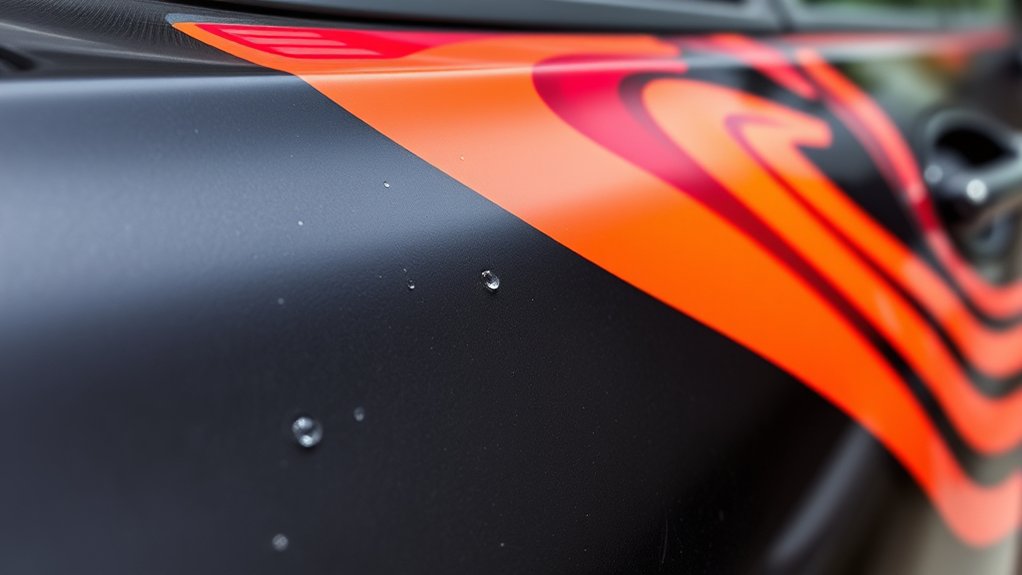
You don’t always have to laminate vinyl car decals, but lamination offers important benefits that enhance their durability and appearance. Vinyl car decals need to be laminated to protect them from fading, scratches, and harsh weather conditions. This protective layer helps maintain the decal’s vibrant colors and sharp details.
Lamination adds a waterproof, UV-resistant coating that prevents peeling or cracking, especially when exposed to outdoor elements. It also provides a smooth, polished finish that makes your decal look professionally done and last longer.
If you want your vinyl car decal to stay sharp and durable over time, laminating is a smart choice. Keep exploring to find out when lamination really makes a difference.
Key Takeaways
- Vinyl car decals do not always need lamination but benefit from it when exposed to weather and frequent handling.
- Lamination protects decals from UV rays, rain, scratches, and fading, extending their lifespan and appearance.
- Non-laminated decals are cheaper but may wear out faster, increasing long-term replacement costs.
- Lamination is optional for indoor or short-term use where weather and abrasion are minimal.
- Proper lamination requires careful application to avoid bubbles, wrinkles, and peeling for effective protection.
What Are Vinyl Car Decals Made Of?
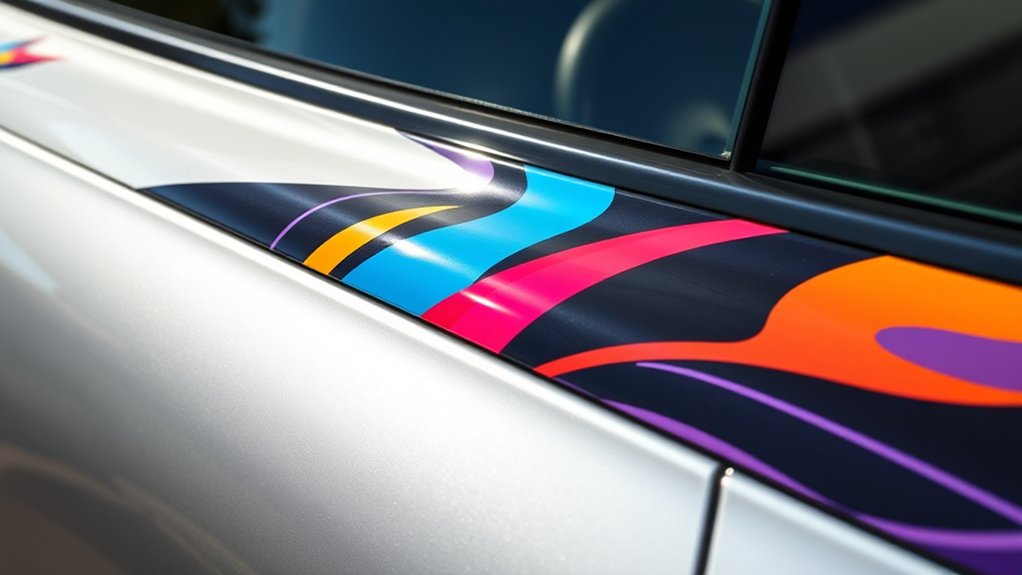
Although vinyl car decals come in various designs, they’re all made from a durable, flexible material called vinyl. You’ll find that vinyl is a synthetic plastic polymer, which makes it strong enough to handle outdoor exposure without tearing or fading quickly. When you apply a vinyl decal to your car, you’re relying on its weather-resistant properties to hold up against rain, sun, and wind.
The surface is smooth, allowing vibrant colors and sharp graphics to stand out. Plus, vinyl’s flexibility lets it conform to curves and contours easily, so your decal won’t peel off or bubble. You’ll also notice that vinyl decals usually have an adhesive backing, making them easy to stick on and remove without damaging your car’s paint.
How Lamination Protects Vinyl Car Decals
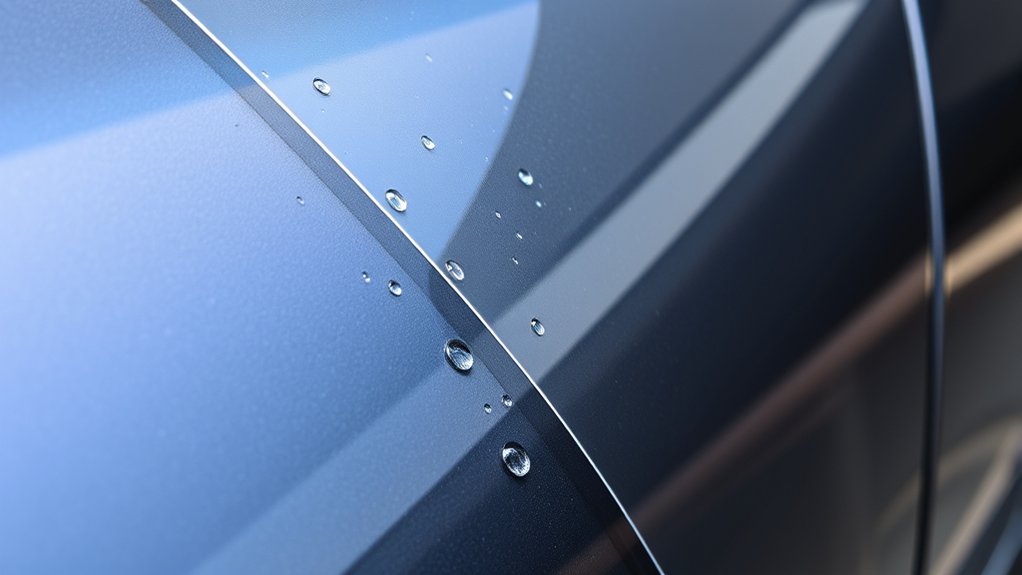
When you laminate your vinyl car decals, you boost their resistance to harsh weather conditions like rain and snow. Lamination also shields your decals from harmful UV rays, preventing colors from fading quickly.
This protective layer helps your decals stay vibrant and durable for a longer time.
Enhanced Weather Resistance
Because vinyl car decals face constant exposure to rain, sun, and wind, lamination becomes essential for boosting their durability. When you laminate your decal, you add a protective layer that seals it against moisture and prevents water from seeping in and causing damage. This means your decal won’t peel or bubble when wet.
Lamination also acts as a shield against dirt and grime, making it easier to clean your decal without harming the design. Strong winds won’t easily lift a laminated decal since the added layer increases its adhesive strength and flexibility.
UV Protection Benefits
How does lamination protect your vinyl car decals from harmful UV rays? Lamination acts as a shield, blocking ultraviolet light that can cause colors to fade and materials to weaken over time.
When you laminate your decals, you extend their life and keep them looking fresh. Here’s how lamination benefits your vinyl car decals:
- Prevents fading: UV rays break down pigments, but lamination preserves vibrant colors.
- Stops cracking: Lamination protects the vinyl’s surface from sun-induced brittleness.
- Maintains adhesive strength: UV exposure can weaken adhesives; lamination helps keep decals firmly attached.
Overview of Lamination Benefits for Vinyl Decals
Although vinyl decals are durable on their own, laminating them substantially enhances their longevity and appearance. When you laminate your decals, you add a protective layer that guards against scratches, dirt, and moisture. This extra shield keeps your decal looking fresh and vibrant, even after extended use.
Plus, lamination makes cleaning easier, so you don’t have to worry about damaging the decal while wiping it down.
Here’s a quick overview of what lamination offers:
| Benefit | Description | Why It Matters |
|---|---|---|
| Scratch Resistance | Protects against physical damage | Maintains decal’s neat look |
| Moisture Barrier | Prevents water infiltration | Extends decal lifespan |
| Easy Cleaning | Allows gentle wiping without harm | Saves time and effort |
| Enhanced Appearance | Adds gloss or matte finish | Improves visual appeal |
How Lamination Helps Prevent Fading and Discoloration
When you laminate your vinyl car decals, you add a protective layer that blocks harmful UV rays from causing fading. This shield helps keep your colors vibrant and sharp for a longer time.
UV Protection Benefits
Why does lamination matter for your vinyl car decals? Because it acts as a protective shield against harmful UV rays that cause fading and discoloration. When you laminate your decals, you’re fundamentally giving them a barrier that blocks out the sun’s damaging effects, helping your design stay vibrant longer.
Here’s how lamination benefits your decals with UV protection:
- Blocks UV rays: Prevents sun damage that breaks down vinyl pigments.
- Reduces color fading: Keeps your decal looking fresh and sharp over time.
- Protects against yellowing: Stops the vinyl from turning dull or discolored under sunlight.
Color Longevity Maintenance
Since your vinyl car decals face constant exposure to the elements, lamination plays a crucial role in maintaining their color vibrancy. It creates a protective barrier that shields your decals from harsh sunlight, rain, dirt, and pollutants that can cause fading and discoloration over time. Without lamination, UV rays break down the pigments in the vinyl, making colors look dull and washed out.
How Lamination Guards Against Scratches and Damage
Though vinyl decals are designed to be durable, they still face daily wear from weather, road debris, and cleaning. Lamination adds a protective layer that guards your decals against scratches and damage, keeping them looking fresh longer.
When you laminate your vinyl decal, you:
- Shield the surface from minor abrasions caused by brushes, sponges, or accidental scrapes.
- Prevent dust and dirt buildup that can degrade the decal’s finish over time.
- Reduce the risk of peeling and cracking by reinforcing the decal’s structure.
How Weather Impacts Vinyl Car Decals and Lamination’s Role
You’ll notice that sun exposure can fade your vinyl car decals over time, while rain and moisture may cause peeling or bubbling. Temperature changes also put stress on the material, risking cracks or warping.
Laminating your decals helps protect them from these weather challenges, keeping them looking sharp longer.
Effects Of Sun Exposure
When your vinyl car decals face prolonged sun exposure, their colors can fade and the material may become brittle. The ultraviolet (UV) rays break down the vinyl’s structure, reducing its lifespan and vibrancy. Laminating your decals adds a protective layer that shields them from these harmful rays, helping maintain their appearance over time.
Here’s what sun exposure can do without lamination:
- Accelerate fading, dulling your decal’s colors
- Cause cracking or peeling as the vinyl dries out
- Weaken adhesive strength, risking decal detachment
Rain And Moisture Resistance
Rain and moisture constantly challenge the durability of your vinyl car decals. Without proper protection, water can seep under the edges, causing the adhesive to weaken and the decal to peel prematurely.
When you laminate your decals, you create a waterproof barrier that shields them from rain, humidity, and even car washes. This layer prevents water from reaching the vinyl or adhesive, preserving their integrity. Lamination also reduces the risk of color bleeding and fading caused by prolonged moisture exposure.
If you live in a rainy climate or frequently wash your vehicle, laminating your decals ensures they stay firmly attached and visually vibrant longer. Skipping lamination leaves your decals vulnerable to moisture damage, shortening their lifespan and degrading their appearance faster than you’d like.
Temperature Fluctuation Durability
Although temperature swings can be harsh on vinyl car decals, laminating them helps maintain their flexibility and adhesion. When the temperature rises or drops rapidly, unlaminated decals may crack, peel, or warp. Lamination acts as a protective layer, cushioning the decal against these stresses and extending its lifespan.
Here’s how lamination boosts durability in fluctuating temperatures:
- Prevents cracking by keeping the vinyl flexible during cold snaps
- Maintains adhesion so decals don’t peel off in heat or cold
- Protects colors from fading or discoloration caused by thermal stress
Cost Comparison: Laminated vs. Non-Laminated Vinyl Car Decals
Since you want durable and vibrant vinyl car decals, understanding the cost difference between laminated and non-laminated options is essential. Laminated decals generally cost more upfront because the lamination process adds material and labor expenses. You pay for extra protection against scratches, UV rays, and weather damage, which can extend the decal’s lifespan.
Non-laminated decals are cheaper initially but may wear out faster, potentially leading to replacement costs sooner. If you’re budget-conscious, non-laminated decals might seem appealing, but consider how often you’ll need to replace them. Laminated decals offer better value over time by maintaining appearance and durability longer.
Ultimately, weighing your budget against the expected decal lifespan will help you decide the most cost-effective choice.
When Is Laminating Vinyl Decals Optional?
While laminated vinyl decals offer superior protection and longevity, there are situations where laminating may not be necessary. If you’re working on short-term projects or decals that won’t face harsh conditions, skipping lamination can save you time and money.
Laminated vinyl decals provide durability, but for short-term or gentle use, skipping lamination saves time and cost.
You might find laminating optional when:
- Your decal is for indoor use, shielded from weather and abrasion.
- The design is simple and doesn’t require extra UV protection.
- You plan to replace the decal frequently, making durability less critical.
In these cases, non-laminated decals can perform well without sacrificing quality. Just remember, if your decal faces constant sun, rain, or car washes, laminating becomes more important to keep it looking great.
How to Laminate Vinyl Decals at Home
If you want your vinyl decals to last longer and resist damage, laminating them at home is a practical skill to learn. Start by cleaning your workspace and gathering materials: clear laminate film, a squeegee or credit card, scissors, and your vinyl decal.
Carefully peel the backing off the laminate and align it smoothly over your decal, avoiding bubbles. Use the squeegee to firmly press from the center outward, ensuring the laminate adheres evenly. Trim any excess laminate around the edges to prevent peeling.
Finally, let your laminated decal rest for a few hours to ensure the adhesive sets properly. With these simple steps, you’ll protect your decals from UV rays, scratches, and moisture without professional help.
Common Application Mistakes When Laminating Vinyl Decals
Although laminating vinyl decals seems straightforward, many people make avoidable mistakes that compromise the final result. You might rush through the process or overlook key steps, leading to bubbles, wrinkles, or peeling edges.
Laminating vinyl decals may seem easy, but rushing or skipping steps often causes bubbles, wrinkles, and peeling.
To get it right, avoid these common pitfalls:
- Skipping surface preparation: Make sure your decal is clean and dry before laminating to guarantee proper adhesion.
- Applying lamination too quickly: Take your time smoothing out the laminate from one edge to the other to prevent trapped air bubbles.
- Using inappropriate tools: Don’t rely on your fingers alone—use a squeegee or a credit card wrapped in a soft cloth for even pressure.
How Lamination Changes the Look of Your Vinyl Decals
When you laminate your vinyl decals, you instantly enhance their appearance by adding a smooth, glossy or matte finish that makes colors pop and details stand out. Lamination protects the ink, prevents fading, and gives your decal a professional look.
You can choose between finishes to suit your style—gloss for vibrant shine or matte for subtle elegance.
| Finish Type | Visual Effect |
|---|---|
| Glossy | Bright, shiny, eye-catching |
| Matte | Soft, muted, sophisticated |
| Satin | Balanced sheen, less reflective |
| Textured | Unique tactile and visual feel |
Choosing the right laminate finish lets you control how your decal looks and feels, making your design truly yours.
Do You Really Need to Laminate Your Vinyl Decal?
Deciding whether to laminate your vinyl decal depends on how you plan to use it and the level of protection you want. If your decal will face harsh outdoor conditions, lamination adds a durable shield against fading, scratches, and moisture.
Laminating your vinyl decal provides essential protection against fading, scratches, and moisture for outdoor use.
However, if your decal is for short-term or indoor use, lamination might be unnecessary.
Consider these factors to help you decide:
- Exposure: Will your decal endure rain, sun, or frequent washing?
- Longevity: Do you want your decal to last for years or just months?
- Appearance: Are you aiming for a glossy or matte finish that lamination provides?
Frequently Asked Questions
How Long Does It Take for Adhesive on Vinyl Decals to Fully Set?
The adhesive on vinyl decals usually takes about 24 to 48 hours to fully set.
You’ll want to avoid washing or exposing it to harsh conditions during this time to guarantee a strong, lasting bond.
Can Vinyl Car Decals Be Removed Without Damaging the Paint?
You can remove vinyl car decals without damaging the paint if you use gentle heat and peel slowly. Avoid harsh scrapers or chemicals; they can harm the finish. Taking your time helps protect your car’s surface effectively.
What Are the Best Cleaning Methods for Vinyl Car Decals?
You might think harsh chemicals clean decals better, but you don’t need them. Use mild soap, water, and a soft cloth to gently clean vinyl car decals without damaging them or the paint underneath.
Are There Eco-Friendly Options for Vinyl Decal Materials?
Yes, you can choose eco-friendly vinyl decals made from biodegradable or recyclable materials. These options reduce environmental impact, and you’ll find some brands using water-based inks and sustainable production methods to keep your decals green and durable.
Can Custom Shapes and Sizes Be Ordered for Vinyl Car Decals?
You can order custom shapes and sizes for vinyl car decals—literally anything from tiny stars to giant dragons! Just tell the printer what you want, and they’ll create decals that perfectly match your wildest ideas.
Conclusion
Think of your vinyl car decal as a vibrant story painted on a fragile canvas. Laminating it acts like a clear, protective raincoat—shielding your artwork from fading storms and scratchy winds. While it’s not always necessary, lamination gives your decal strength to shine longer and stand proud against the elements.
So, if you want your vinyl car decal to stay vivid and bold, layering that protective coat is a smart move you won’t regret. Laminating your vinyl car decal helps protect it from UV rays, scratches, and weather damage, ensuring your design lasts. In the end, adding lamination is a simple step to keep your vinyl car decals looking fresh and durable over time.

