

You can’t disable Shimano’s 12 gear position control because it is an integral part of the system designed to ensure precise and reliable shifting. This control protects your drivetrain from damage by maintaining proper alignment and preventing errors during gear changes.
Disabling it would lead to misalignment, increased chain slips, and potential mechanical failure. Such issues compromise both your safety and performance on the bike.
The system’s firmware and design work together to keep shifting smooth and consistent, effectively preventing accidental overshifting. This built-in control is essential for maintaining optimal drivetrain function.
If you want to understand how this gear position control safeguards your ride and explore possible manual options, there is more to discover about Shimano’s advanced shifting technology.
Key Takeaways
- Shimano 12 gear position control is integrated into the system to ensure precise, reliable shifting and prevent accidental overshifting or misalignment.
- Disabling the gear control risks chain slips, drivetrain damage, and loss of rider safety due to inaccurate gear engagement.
- The system’s firmware and hardware design prevent disabling to maintain consistent performance and protect drivetrain components.
- Gear position control includes fail-safes that avoid mechanical damage and maintain shifting accuracy under varied riding conditions.
- Manual override options exist, but fully disabling the electronic gear position control is not supported for safety and reliability reasons.
Shimano 12 Gear Position Control Explained?
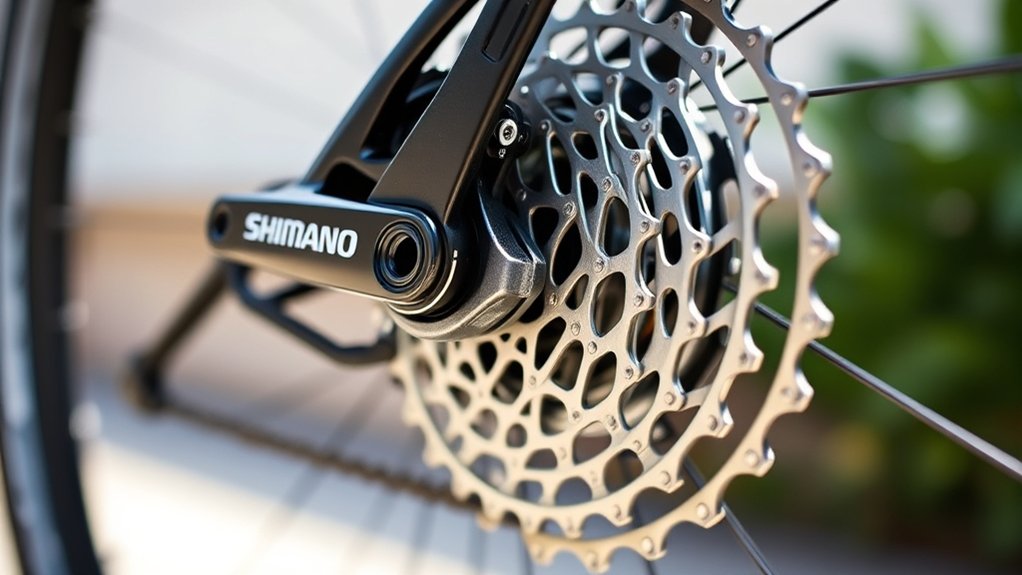
How does Shimano 12 gear position control work to enhance your riding experience? It precisely manages your shifting by using a built-in indexing system that aligns the derailleur with each gear. When you shift, the mechanism clicks into one of the 12 distinct positions, ensuring smooth, reliable gear changes without hesitation or misalignment.
This precision keeps your chain perfectly on track, reducing wear and preventing skipping. You’ll notice seamless progressions whether you’re climbing steep hills or cruising flat roads. The system’s design also minimizes the effort needed to shift, so your focus stays on riding, not adjusting.
Why You Can’t Disable Shimano’s 12 Gear Position Control
You can’t disable Shimano’s 12 gear position control because it’s built into the system’s design to keep shifting precise and safe. Shimano wants you to experience consistent performance without risking gear misalignment.
This control guarantees your ride stays smooth and reliable every time.
Shimano’s Design Intent
Although it might seem restrictive, Shimano designed the 12 gear position control to stay active for a reason: to guarantee precise shifting and protect your drivetrain from damage. This system ensures that each gear change is accurate, reducing chain slips and wear.
By keeping this control active, Shimano prevents you from accidentally overshifting or undershifting, which could lead to costly repairs. The design reflects Shimano’s commitment to reliability and performance, prioritizing a smooth riding experience over manual overrides.
| Feature | Purpose |
|---|---|
| Gear position control | Maintains precise gear indexing |
| Enabled by default | Prevents accidental gear jumps |
| Integrated design | Protects drivetrain components |
| User-friendly | Simplifies shifting for riders |
| Durable system | Enhances long-term performance |
Safety And Performance
Because disabling Shimano’s 12 gear position control would compromise shifting accuracy, the system remains permanently active to safeguard both your bike’s performance and your safety. This precise control ensures each gear change is smooth and reliable, preventing mis-shifts that could cause chain slips or damage.
If you were to disable it, you’d risk inconsistent gear engagement, which can lead to sudden jerks or loss of control while riding. Shimano designed this system to maintain ideal tension and alignment, so your drivetrain operates flawlessly under various conditions.
How Gear Position Control Protects Your Drivetrain
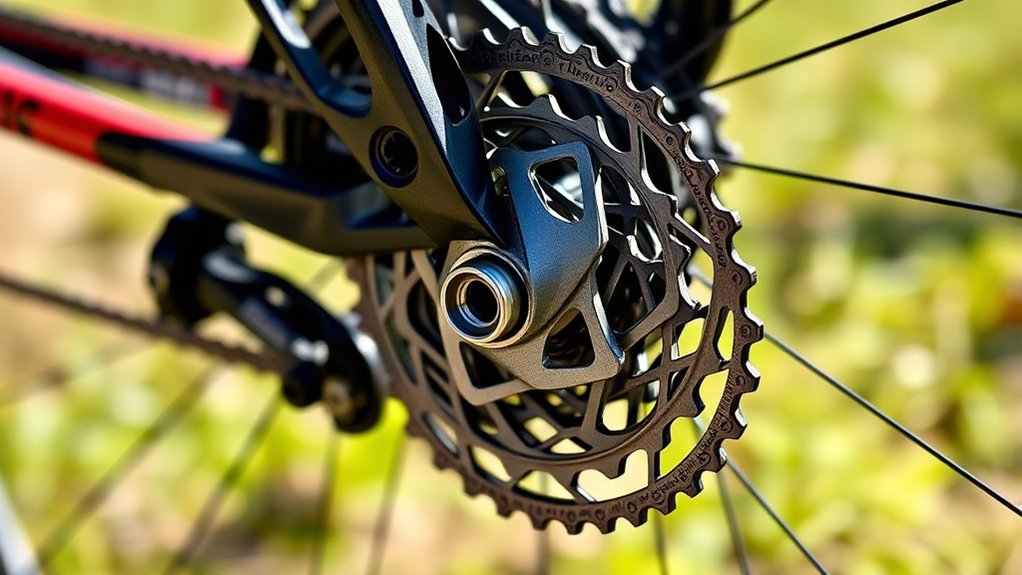
When shifting gears, precise control over gear position helps prevent unnecessary wear on your drivetrain components. Shimano’s 12 gear position control ensures your chain aligns perfectly with each sprocket, reducing friction and minimizing the risk of chain slips or drops. This accuracy protects your cassette, chainrings, and chain from premature damage.
Without this control, your drivetrain might experience misalignment, which causes uneven wear and can shorten the lifespan of expensive parts. By maintaining consistent, accurate gear engagement, you avoid costly repairs and keep your bike running smoothly.
Common Misconceptions About Disabling Gear Position Control
You might think disabling gear position control gives you more freedom, but it often causes more problems than it solves. Ignoring how this system protects your drivetrain can lead to safety risks and mechanical issues.
Let’s clear up these misconceptions and explain the technical limits you need to know.
Misunderstanding Gear Control Function
Although it might seem tempting to disable the gear position control on your Shimano 12-speed system, many users misunderstand its purpose and benefits. This control isn’t just a fancy add-on; it precisely manages gear shifts to optimize performance and prevent mis-shifts. You might think turning it off gives you more freedom or control, but it actually helps maintain smooth and reliable shifting.
Without it, your system could behave unpredictably, causing frustration. The gear position control ensures each shift aligns correctly with your cassette, reducing wear and maintaining efficiency. So, instead of disabling it, it’s better to understand how it enhances your ride.
Knowing this helps you appreciate why Shimano designed it this way—it’s about precision, not restriction.
Safety Implications Of Disabling
Since disabling gear position control might seem like a simple way to customize your Shimano 12-speed system, it’s important to realize that doing so can compromise your bike’s safety. You might think turning it off gives you more freedom, but it actually increases risks you may not expect. Here’s why you should think twice:
- Your chain could slip or drop unexpectedly, causing loss of control.
- Gear shifting might become inconsistent, leading to sudden jerks or jams.
- The system’s fail-safes that prevent mechanical damage won’t function properly.
- You risk accelerating wear on drivetrain components, leading to costly repairs.
Disabling this control isn’t just about customization; it directly affects how safely and reliably your bike operates on the road.
Technical Limitations Explained
While disabling gear position control may seem like a straightforward way to gain more manual input, it actually introduces several technical limitations that riders often overlook. You might think turning off this feature gives you full control over shifting, but Shimano’s system relies on precise electronic coordination between components. Without gear position control, your shifter and derailleur lose synchronization, leading to inconsistent shifts and potential gear misalignment.
Additionally, the system’s firmware is designed to prevent disabling this feature to maintain ideal performance and protect hardware integrity. Trying to bypass it can cause unexpected errors, reduce drivetrain efficiency, and increase wear. So, while you want more control, the technical design simply doesn’t support disabling gear position control without compromising your bike’s functionality.
What Happens If You Disable Gear Position Control
If you disable gear position control on your Shimano 12-speed system, you’ll lose the electronic system’s ability to precisely track and manage your current gear. This means your bike’s shifting won’t be as smooth or accurate, leading to several issues:
- Increased chances of mis-shifts or skipped gears
- Loss of synchronized shifting logic, causing delayed or erratic gear changes
- Potential confusion for the system’s motor, risking damage or excessive wear
- Inability to use some system features like auto-trim or shift memory
Disabling gear position control doesn’t just affect shifting performance; it undermines the whole electronic drivetrain’s efficiency and reliability. You’ll quickly notice a drop in ride quality and possibly more frequent mechanical problems.
It’s best to keep this control active for optimal function and longevity.
Troubleshooting Shifting Issues Without Disabling Gear Position Control
If you’re facing shifting problems, you don’t have to disable gear position control to fix them. You can address common issues by making precise adjustments to your derailleur and cable tension.
Let’s explore effective techniques that keep your system running smoothly without losing control features.
Common Shifting Problems
Because shifting issues can disrupt your ride, it’s important to identify common problems without turning off the gear position control.
Here are frequent issues you might encounter:
- Chain skipping: Often caused by a worn chain or cassette, or misaligned derailleur.
- Delayed shifting: Could result from cable stretch or dirt buildup affecting smooth cable movement.
- Chain dropping: Happens when the chain falls off the chainring, usually due to poor chain tension or incorrect limit screw settings.
- Noisy shifting: Indicates possible dirt in the drivetrain or poorly lubricated components.
Effective Adjustment Techniques
When you notice shifting problems, you can often fix them without turning off the gear position control by carefully adjusting cable tension and limit screws. Start by shifting to the smallest cog, then check if the derailleur aligns properly. If it hesitates or skips, fine-tune the cable tension using the barrel adjuster—turn it clockwise to loosen tension or counterclockwise to tighten.
Next, inspect the high and low limit screws to ensure the derailleur doesn’t overshoot or undershoot the gear range. Make small, incremental turns and test after each adjustment. Finally, clean and lubricate the derailleur and cables to reduce friction.
These steps help maintain precise shifting, keeping the gear position control active and effective without needing to disable it.
Alternatives for More Manual Control on Shimano 12-Speed Systems
Though Shimano’s 12-speed systems offer seamless electronic shifting, you might prefer alternatives that give you more hands-on control. If you want to override or complement Shimano’s automatic gear position control, consider these options:
- Use mechanical shifters on a compatible 12-speed drivetrain for direct manual input.
- Adjust the derailleur settings manually to fine-tune shifting response.
- Explore third-party shift levers or controllers designed for more tactile feedback.
- Install a dual-control setup, where one lever is electronic and the other mechanical, to switch when needed.
These alternatives let you maintain greater influence over your gear changes without fully giving up the benefits of Shimano’s system. Keep in mind that some options may require additional tuning or hardware modifications to work smoothly with your bike.
How Shimano Lets You Mix Manual Control With Automation
If you want to enjoy both the precision of Shimano’s automated shifting and the tactile satisfaction of manual control, Shimano offers systems that let you blend the two seamlessly. Through their Di2 electronic groupsets, you can override automatic gear changes at any moment simply by pressing the shift buttons yourself. This means you’re not locked into automation—you stay in full control when you want to be.
Additionally, Shimano’s customization app lets you adjust shifting behavior, enabling you to fine-tune how much control you retain versus what the system manages automatically. This hybrid approach guarantees you benefit from automation’s efficiency while keeping the power to shift manually whenever conditions demand it, giving you a balanced riding experience tailored to your preferences.
How Firmware Updates Affect Shimano’s Gear Position Control
Since Shimano continuously refines its Di2 systems, firmware updates play a crucial role in enhancing how your gear position control performs. These updates improve shifting accuracy and responsiveness, making your ride smoother. You’ll notice better synchronization between components, which reduces mis-shifts and gear slip.
Firmware updates also:
- Fix bugs that may cause occasional gear position errors
- Add compatibility for new components or accessories
- Optimize battery usage to extend ride time
- Enhance overall system stability and safety
Comparing Shimano 12-Speed Gear Position Control With Other Brands
When you compare Shimano’s 12-speed gear position control with other brands, you’ll find it offers a unique blend of precision and reliability that sets it apart. Shimano’s system uses advanced sensors and firmware to guarantee smooth, accurate shifts every time, minimizing misalignment and chain drops. Unlike some competitors that allow more manual override, Shimano prioritizes consistency, which means less guesswork and fewer adjustments on the trail.
Brands like SRAM and Campagnolo offer their own 12-speed setups with different tech focuses—SRAM leans toward customization and user control, while Campagnolo emphasizes traditional mechanical feel. However, Shimano’s integrated electronic control stands out for its seamless performance and durability. If you want dependable shifting with minimal fuss, Shimano’s approach remains tough to beat.
Maintaining Your Shimano 12-Speed System: Essential Tips
To keep your Shimano 12-speed system running smoothly, you’ll need to perform regular maintenance that focuses on cleanliness, lubrication, and calibration. Start by wiping down your chain and cassette to remove dirt and grit that can wear components prematurely. Next, apply a suitable bike chain lubricant to reduce friction and protect against rust.
Regular cleaning and lubrication keep your Shimano 12-speed drivetrain smooth and long-lasting.
Don’t forget to check your derailleur alignment and adjust the cable tension if shifting feels sluggish or inaccurate. Finally, inspect your gear cables for fraying or corrosion and replace them when necessary to maintain crisp shifting.
- Clean the drivetrain after every few rides
- Lubricate the chain regularly, avoiding over-application
- Adjust derailleur settings for precise gear changes
- Replace worn cables to prevent shifting issues
Consistent care ensures your Shimano 12-speed system performs at its best.
Final Thoughts on Shimano’s 12 Gear Position Control Design
Although Shimano’s 12 gear position control design might seem complex at first, you’ll quickly appreciate its precision and reliability once you get accustomed to it. The system guarantees smooth shifting and consistent performance, which is critical when you’re riding challenging terrain.
While some might wish to disable or modify the position control, it’s carefully engineered to maintain ideal gear alignment and prevent mis-shifts. Instead of trying to bypass it, focus on proper maintenance and adjustment to get the best out of your drivetrain.
Ultimately, Shimano’s design prioritizes performance and durability, giving you confidence on every ride. Embracing this technology means less hassle and more seamless gear changes, making your cycling experience both efficient and enjoyable.
Frequently Asked Questions
What Tools Do I Need for Shimano 12-Speed Gear Maintenance?
You’ll need a chain whip, cassette lockring tool, 5mm and 2.5mm Allen keys, a torque wrench, and a Shimano-specific chain tool.
Don’t forget grease and a clean rag to keep everything running smoothly.
Can Shimano 12-Speed Systems Be Used in E-Bikes?
Yes, you can use Shimano 12-speed systems on e-bikes. Don’t worry about durability—they’re designed to handle higher torque and power, ensuring smooth shifting and reliable performance even with the added demands of electric assist.
How Does Weather Affect Shimano 12-Speed Shifting Performance?
You’ll notice Shimano 12-speed shifting can get sluggish in cold or wet weather. Moisture and dirt may cause resistance, but regular cleaning and lubrication keep your shifting smooth and reliable, no matter the conditions.
Are Shimano 12-Speed Components Compatible With Older Drivetrains?
You can’t fully mix Shimano 12-speed components with older drivetrains since their spacing and indexing differ. However, some parts might work together, but expect less smooth shifting and potential compatibility issues overall.
What Is the Warranty Coverage on Shimano 12-Speed Gear Systems?
Think of Shimano’s 12-speed warranty as a sturdy shield, covering defects for two years. If your gears falter under normal use, you’re protected. Just keep your receipt handy, and Shimano’s got your back.
Conclusion
So, why can’t you disable Shimano’s 12 gear position control? Because it’s designed to protect your drivetrain and keep shifting precise, smooth, and reliable. Disabling it could lead to damage and poor performance—do you really want to risk that?
Instead, trust Shimano’s smart system and focus on regular maintenance to enjoy seamless rides. After all, isn’t having a dependable drivetrain worth embracing this advanced control? Prioritizing Shimano 12 gear position control ensures your bike performs at its best with smooth and reliable shifting every time.

