

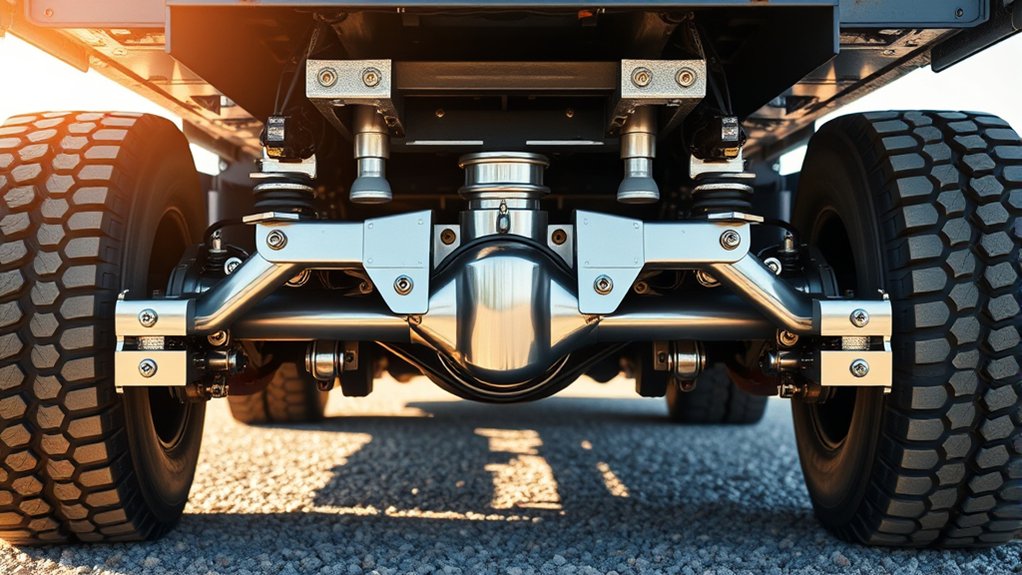
A tag axle is an extra axle mounted behind your truck’s rear drive axle that supports additional weight without driving the wheels. This essential component helps distribute heavy loads more evenly, enhancing vehicle stability and protecting tires, suspension, and roads from damage.
Tag axles are especially useful when carrying loads that exceed legal weight limits or navigating uneven terrain. By spreading the weight, tag axles improve safety and reduce wear on your vehicle.
They come in several types, each designed to operate differently based on your specific hauling needs. Understanding how tag axles work can help you optimize load capacity and balance for better performance.
In the following sections, you’ll discover more details about the various types of tag axles and their functions. This knowledge will assist you in choosing the right setup for your truck.
Key Takeaways
- A tag axle is an additional non-driven axle mounted behind the rear drive axle to support extra vehicle weight. It improves load distribution, vehicle stability, and reduces stress on primary axles and tires.
- Tag axles can be fixed, liftable, steering-capable, or sliding, depending on load and driving needs. Manual or automatic systems control the tag axle based on load and road conditions for convenience or driver control.
- Proper use of tag axles helps comply with weight regulations and protects road surfaces while affecting fuel efficiency.
What Is a Tag Axle in Trucks and Trailers?
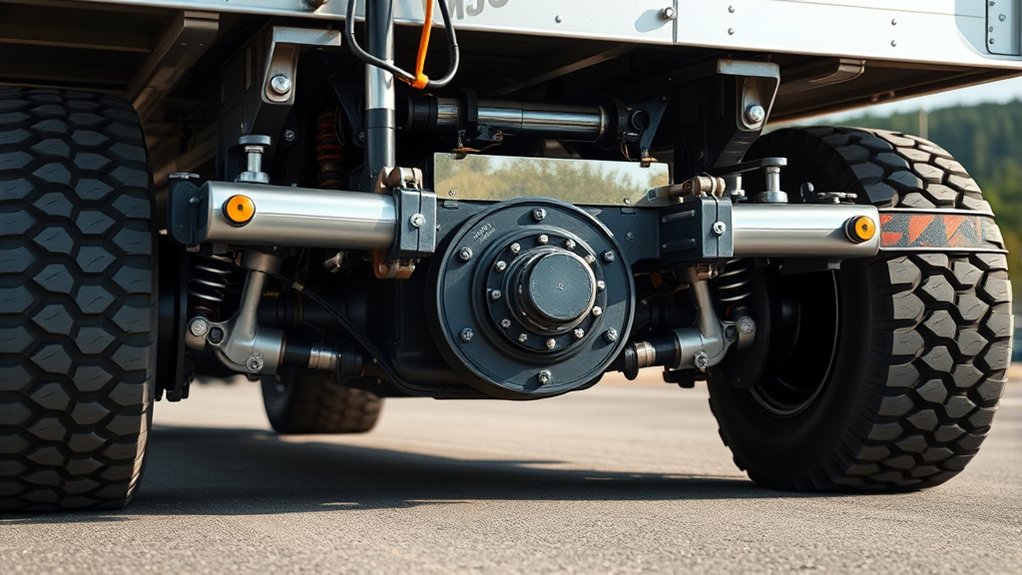
What exactly is a tag axle, and why does it matter to you? A tag axle is an additional axle attached behind the rear drive axle on trucks or trailers. You’ll find it mounted on a trailing arm or frame, designed to carry extra weight without driving the vehicle.
Unlike the powered axles, a tag axle doesn’t provide propulsion; instead, it supports the load and improves stability. When you’re hauling heavy cargo, this extra axle helps prevent overloading the main axles and reduces wear on tires and suspension. It’s especially common on large commercial trucks and trailers where weight limits matter.
Understanding what a tag axle is helps you recognize how trucks manage heavy loads and stay safe on the road.
How Does a Tag Axle Improve Weight Distribution?
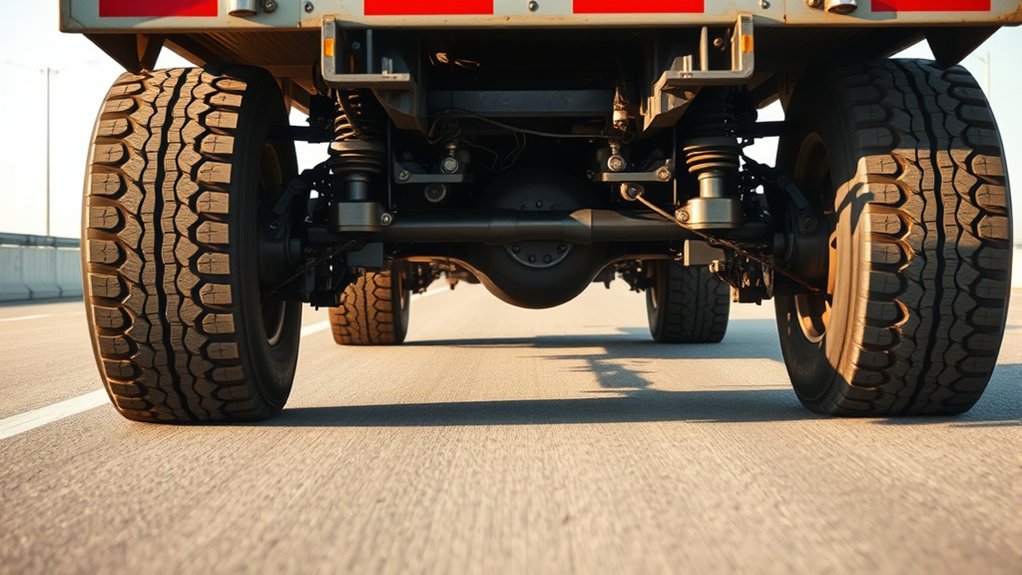
When you add a tag axle to your truck or trailer, it spreads the vehicle’s weight more evenly across the chassis. This extra axle carries part of the load, reducing stress on the primary axles and tires. By distributing weight better, you avoid overloading any single axle, which helps prevent premature wear and potential damage.
It also improves vehicle stability, making your ride smoother and safer, especially when hauling heavy or uneven loads. Proper weight distribution through a tag axle allows you to comply with legal axle weight limits, avoiding fines and road damage.
When to Install a Tag Axle on Your Truck or Trailer
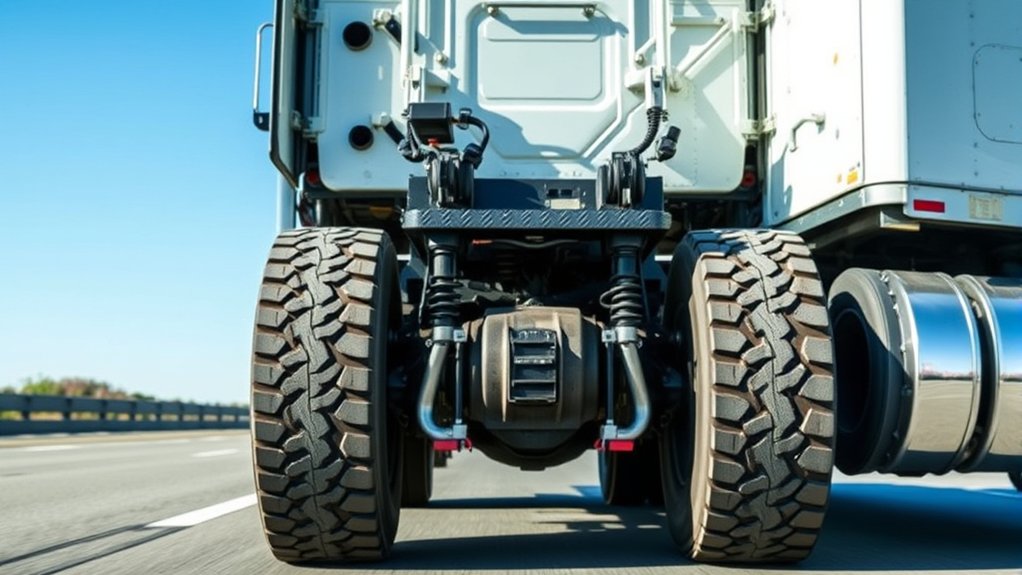
You should consider installing a tag axle when you need better weight distribution to protect your truck or trailer and comply with legal load limits. It’s especially important if you frequently carry heavy loads or travel on rough terrain and uneven roads.
Understanding these factors helps you decide the right time to add a tag axle for safety and performance.
Weight Distribution Benefits
Although many factors influence how you manage heavy loads, installing a tag axle can considerably improve weight distribution on your truck or trailer. It helps spread the load more evenly, reducing stress on your primary axles and improving overall stability. This not only protects your vehicle’s frame but also enhances safety during transit.
You’ll notice better handling and less tire wear, which saves you money in the long run.
Here are three key weight distribution benefits of a tag axle:
- Reduces axle overload by sharing the load with an additional axle
- Improves vehicle balance, especially on uneven terrain or turns
- Minimizes tire and suspension wear, extending component lifespan
Adding a tag axle is a smart choice when you frequently haul heavy or uneven loads.
Legal Load Requirements
How do you know if your truck or trailer needs a tag axle to stay within legal load limits? You should check your vehicle’s gross axle weight ratings (GAWR) against the loads you plan to carry. If your current axles exceed legal limits, adding a tag axle helps distribute weight and keeps you compliant.
Here’s a quick reference to decide when to install a tag axle:
| Load Weight (lbs) | Action Needed |
|---|---|
| Under 20,000 | No tag axle required |
| 20,000 – 30,000 | Consider installing one |
| 30,000 – 40,000 | Tag axle recommended |
| Over 40,000 | Must install a tag axle |
Always confirm local regulations, as rules vary by state and vehicle type.
Terrain and Road Conditions
When driving on rough or uneven terrain, adding a tag axle can improve your vehicle’s stability and traction. You’ll find that a tag axle helps distribute weight more evenly, reducing wear on tires and minimizing the risk of getting stuck. It’s especially useful when you frequently navigate challenging road conditions.
Consider installing a tag axle if you:
- Regularly travel on unpaved or gravel roads where extra support enhances control.
- Haul heavy loads across uneven surfaces that demand additional traction.
- Encounter steep inclines or declines that increase stress on your drive axles.
Types of Tag Axles and Their Uses
Since tag axles come in various designs, understanding their types can help you choose the right one for your vehicle’s needs. You’ll find fixed tag axles, which are always engaged, providing constant support and stability—ideal for heavy loads on long hauls.
Then there are liftable tag axles that you can raise or lower, giving you flexibility to reduce tire wear and improve fuel efficiency when extra support isn’t needed. Some tag axles come with steering capabilities, enhancing maneuverability in tight spaces, perfect if you often navigate urban environments.
Finally, sliding tag axles allow you to adjust axle position, optimizing weight distribution depending on your load. By knowing these types, you can select a tag axle that matches how you drive and what you haul.
Manual vs. Automatic Tag Axles: What’s the Difference?
Although both manual and automatic tag axles serve to support your vehicle’s weight, they operate quite differently. Understanding these differences helps you choose the right system for your needs.
- Control: Manual tag axles require you to physically engage or disengage them using a lever or control inside the cab. Automatic tag axles adjust themselves based on weight and road conditions without your input.
- Ease of Use: Automatic systems simplify driving by activating the axle when needed, whereas manual systems need your attention to operate properly.
- Maintenance: Manual axles tend to have fewer electronic components, making them simpler to maintain. Automatic axles rely on sensors and hydraulics, which may require more frequent checks.
Choosing between these depends on your preference for control versus convenience.
How Tag Axles Improve Vehicle Stability and Safety
You’ll notice tag axles help spread the load more evenly, which boosts stability when you’re driving. They also give you better control around corners, making turns safer and smoother.
Plus, they reduce wear on the road, helping protect both your vehicle and the pavement.
Enhanced Load Distribution
How exactly do tag axles enhance the stability and safety of heavy vehicles? They do this primarily by improving load distribution across the vehicle’s chassis. When you add a tag axle, you spread the weight more evenly, which reduces stress on the primary axles and tires.
This balance helps prevent overloading any single point, minimizing wear and tear and the risk of tire blowouts or mechanical failures.
Here are three key ways tag axles enhance load distribution:
- Weight Sharing: They share the vehicle’s weight, easing the burden on the drive axles.
- Reduced Axle Load: By lowering individual axle loads, they help you comply with road weight regulations.
- Improved Tire Longevity: Even load distribution means tires wear out more slowly and evenly.
Improved Cornering Control
When a tag axle engages during turns, it helps stabilize the vehicle by distributing lateral forces more evenly across the chassis. This means you experience less body roll and improved traction, making cornering safer and more controlled. With the additional support, your vehicle maintains better balance, especially during sharp turns or sudden maneuvers.
You’ll notice that steering feels smoother, and the risk of skidding or tipping decreases markedly. Tag axles effectively act as extra points of contact with the road, enhancing grip and reducing stress on the primary axles. This not only boosts your confidence behind the wheel but also contributes to overall safety for you and others on the road by minimizing instability during turns.
Reduced Road Wear
Why does adding a tag axle make such a difference in road wear? When you add a tag axle, it spreads the vehicle’s weight over more wheels. This reduces the pressure each tire puts on the road, which helps prevent damage.
Here’s how tag axles improve vehicle stability and safety while reducing road wear:
- Weight Distribution: Tag axles share the load, lowering stress on individual tires and pavement.
- Reduced Tire Wear: Less pressure per tire means tires last longer and maintain better traction.
- Enhanced Stability: The extra axle keeps the vehicle balanced, minimizing swaying and uneven road contact.
How Tag Axles Increase Truck Load Capacity
Adding a tag axle lets you distribute weight more evenly across your truck’s chassis, which boosts its overall load capacity. By adding an extra axle, you spread the weight of your load over more wheels, reducing the burden on each axle. This means you can legally carry heavier loads without overloading any single axle, helping you comply with road regulations.
Tag axles also improve stability when hauling large or heavy cargo, reducing stress on your truck’s frame. When you need to maximize payload without upgrading the entire vehicle, a tag axle is a smart solution. It effectively increases your truck’s capacity, letting you transport more per trip and improving efficiency.
This makes your operations more productive and cost-effective.
How Tag Axles Reduce Tire and Road Wear
When you use a tag axle, it helps spread the truck’s weight more evenly, which eases the pressure on each tire. This means your tires last longer and need replacing less often.
Plus, by reducing concentrated loads, tag axles help protect the road surface from damage.
Load Distribution Benefits
A tag axle helps you distribute the vehicle’s weight more evenly across multiple axles, which considerably reduces the stress on each tire. This balanced load distribution offers several key benefits:
- Decreased tire wear: By spreading the weight, each tire handles less pressure, preventing premature wear and damage.
- Less road damage: The vehicle exerts lower force per axle on the pavement, reducing surface deterioration and extending road life.
- Enhanced vehicle stability: Even weight reduces the risk of axle overload, improving handling and safety during transport.
Improved Tire Lifespan
Distributing weight evenly across multiple axles doesn’t just protect the road surface—it also extends the life of your tires. When your vehicle’s load rests on a tag axle, the pressure each tire experiences decreases markedly. This reduction in stress prevents premature wear and tear, helping your tires maintain proper tread depth longer.
You’ll notice fewer blowouts and less frequent replacements, saving you time and money. Additionally, balanced weight reduces uneven tire wear, which can cause handling issues and increase maintenance costs. By incorporating a tag axle, you spread out the load efficiently, ensuring your tires last through more miles.
Minimized Road Surface Damage
Because tag axles spread your vehicle’s weight across more points of contact, they considerably reduce the pressure each tire exerts on the road. This distribution means less stress on road surfaces and helps prevent premature wear and damage. When your vehicle’s weight is better balanced, it also lessens the likelihood of road ruts and potholes forming under heavy loads.
Here’s how tag axles minimize road surface damage:
- Lower Ground Pressure: Each tire carries less weight, decreasing the force applied to the pavement.
- Even Weight Distribution: Weight spreads evenly, reducing concentrated stress points that cause road deterioration.
- Improved Load Handling: Tag axles allow smoother movement over uneven surfaces, limiting road damage from heavy vehicles.
Legal Weight Limits and Regulations for Tag Axles
Understanding legal weight limits for tag axles is vital to avoid fines and guarantee safe operation. Tag axles help distribute weight, but you must follow regulations set by federal and state authorities. Weight limits vary based on axle type and spacing.
Overloading can cause damage and penalties, so it’s essential to know the limits.
| Regulation Aspect | Typical Limit |
|---|---|
| Single Axle Weight | Up to 20,000 lbs |
| Tandem Axle Weight | Up to 34,000 lbs |
| Tag Axle Weight | Varies, often 12,000-22,000 lbs |
| Gross Vehicle Weight | Up to 80,000 lbs federally |
Always check local laws before adding a tag axle to guarantee compliance and safety.
How Tag Axles Affect Fuel Efficiency
A tag axle can impact your vehicle’s fuel efficiency by adding extra weight and rolling resistance. While it helps distribute load and improve stability, it also demands more energy to move, which can increase fuel consumption. Understanding how it affects efficiency helps you manage operating costs better.
Here are three ways tag axles influence fuel efficiency:
- Increased Weight: More weight means your engine works harder, burning more fuel.
- Additional Rolling Resistance: Extra wheels create more friction with the road, reducing mileage.
- Aerodynamic Drag: Depending on placement, tag axles may slightly disrupt airflow, affecting fuel economy.
Common Maintenance Tips for Tag Axles
While tag axles can improve load distribution and stability, they also require regular upkeep to keep your vehicle running smoothly and efficiently. You should routinely check tire pressure, inspect for wear, and lubricate moving parts to prevent damage. Monitoring alignment and suspension ensures better handling and longer axle life.
Here’s a quick maintenance checklist:
| Maintenance Task | Why It’s Important |
|---|---|
| Tire pressure check | Prevents uneven wear and blowouts |
| Tire wear inspection | Detects early signs of damage |
| Lubrication | Reduces friction and wear |
| Alignment check | Maintains proper handling |
| Suspension inspection | Avoids excessive stress on axle |
Key Factors for Choosing the Right Tag Axle
How do you select the right tag axle for your vehicle? It boils down to understanding your specific needs and vehicle setup. Consider these key factors:
- Load Capacity: Choose a tag axle that supports the weight your vehicle carries to avoid overloading and ensure safety.
- Compatibility: Make sure the tag axle fits your vehicle’s frame and suspension system. Incorrect fitment can cause handling issues.
- Purpose and Terrain: Think about where and how you’ll use the vehicle. Different tag axles are optimized for highway driving, off-road, or heavy hauling.
Frequently Asked Questions
Can Tag Axles Be Retrofitted to Any Truck Model?
You can’t retrofit tag axles to every truck model since compatibility depends on the truck’s frame, suspension, and weight capacity.
You’ll need to check your specific truck’s design and consult a professional before making any modifications.
How Do Tag Axles Impact Turning Radius?
You’d think adding a tag axle would let you dance through tight corners, but nope—it actually tightens your turning radius a bit.
Are Tag Axles Compatible With Electric Trucks?
Yes, tag axles can work with electric trucks. You’ll find they help distribute weight and improve stability without compromising the electric drivetrain.
Manufacturers often design them to integrate smoothly with electric powertrains and regenerative braking systems.
What Materials Are Tag Axles Typically Made From?
Tag axles are typically made from high-strength steel alloys to handle heavy loads and resist wear. You’ll find components like the axle beam, spindle, and suspension parts crafted from durable metals to guarantee long-lasting performance and safety.
Do Tag Axles Require Special Insurance Coverage?
Yes, you’ll need specialized insurance since tag axles affect vehicle weight and handling. Insurers often require additional coverage to protect against potential risks, so check with your provider to make certain your policy properly protects your rig.
Conclusion
Think of a tag axle as your truck’s secret weapon, quietly balancing the load and easing the strain on your ride. By spreading weight like a skilled juggler, it keeps your journey smooth and legal, while protecting your vehicle’s longevity.
Whether you’re hauling heavy or cruising light, choosing the right tag axle is like finding the perfect dance partner—making every mile feel effortless and controlled.
Ready to hit the road with confidence? Understanding how a tag axle works helps you optimize load distribution and improve vehicle stability, making it an essential component for safe and efficient trucking.

