

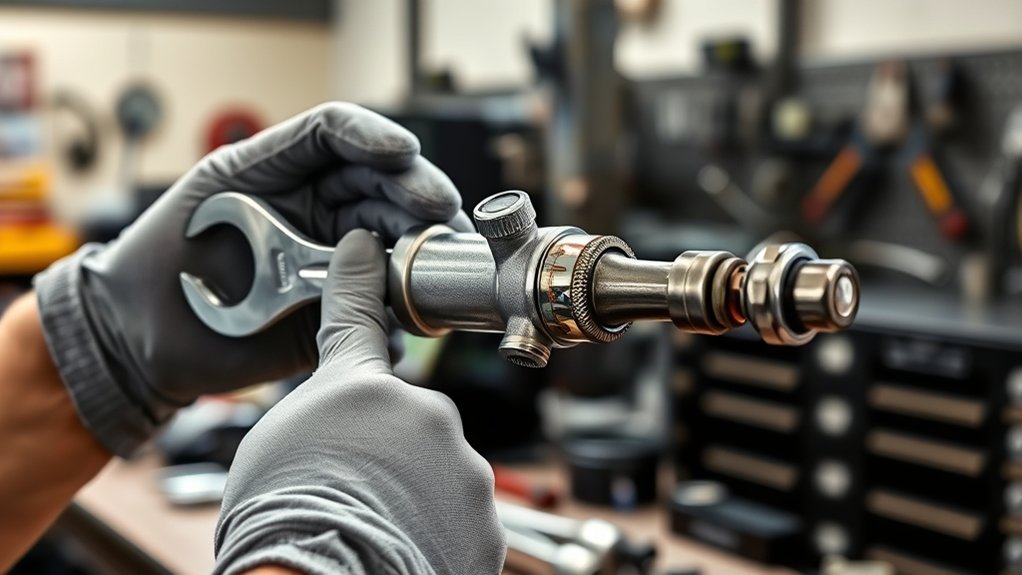
To test your clutch slave cylinder effectively, follow these seven simple steps designed to help you diagnose common issues such as leaks, low hydraulic pressure, and pedal problems. The clutch slave cylinder plays a crucial role in your vehicle’s clutch system by transferring hydraulic pressure to engage and disengage the clutch. Identifying faults early can prevent costly repairs and ensure smooth gear shifting.
First, locate the clutch slave cylinder near the transmission on the driver’s side. Inspect it carefully for any signs of leaks, corrosion, or physical damage.
Next, check the clutch pedal for softness or sticking, which could indicate a problem.
Then, connect a pressure gauge and have someone press the pedal to observe steady hydraulic pressure.
Use clear tubing to bleed the system, watching for air bubbles until fluid flows smoothly.
If issues persist after these tests, consider replacing the clutch slave cylinder.
Keep going to uncover more helpful tips and details.
Key Takeaways
- Locate the clutch slave cylinder near the transmission on the driver’s side and inspect for leaks, corrosion, or physical damage.
- Check clutch pedal feel for softness, sticking, or abnormal travel indicating possible slave cylinder issues.
- Attach a clear hose to the bleed nipple, open it, and observe for air bubbles while an assistant presses the clutch pedal.
- Use a hydraulic pressure gauge on the bleeder valve to verify steady pressure increase during pedal depression without drops or spikes.
- Repeat bleeding until no air bubbles appear, pedal feels firm, and no leaks are detected; replace the slave cylinder if problems persist.
What Is a Clutch Slave Cylinder and Why It Matters
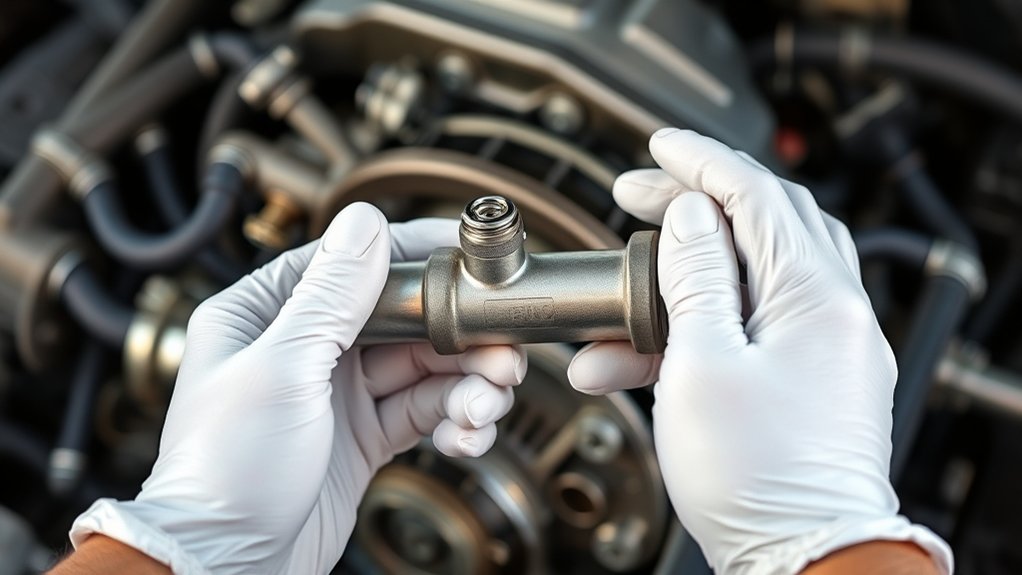
Although it’s a small component, the clutch slave cylinder plays a crucial role in your vehicle’s transmission system. When you press the clutch pedal, this cylinder receives hydraulic pressure from the master cylinder and pushes against the clutch fork. This action disengages the clutch, allowing you to shift gears smoothly.
Without a properly functioning slave cylinder, you might experience difficulty changing gears or notice a spongy clutch pedal. If it leaks or fails, your vehicle’s clutch won’t operate correctly, which could lead to unsafe driving conditions or even damage to the transmission. Understanding its importance helps you recognize why testing the clutch slave cylinder is essential for maintaining your car’s performance and ensuring a safe, efficient driving experience.
How to Locate the Clutch Slave Cylinder in Your Vehicle
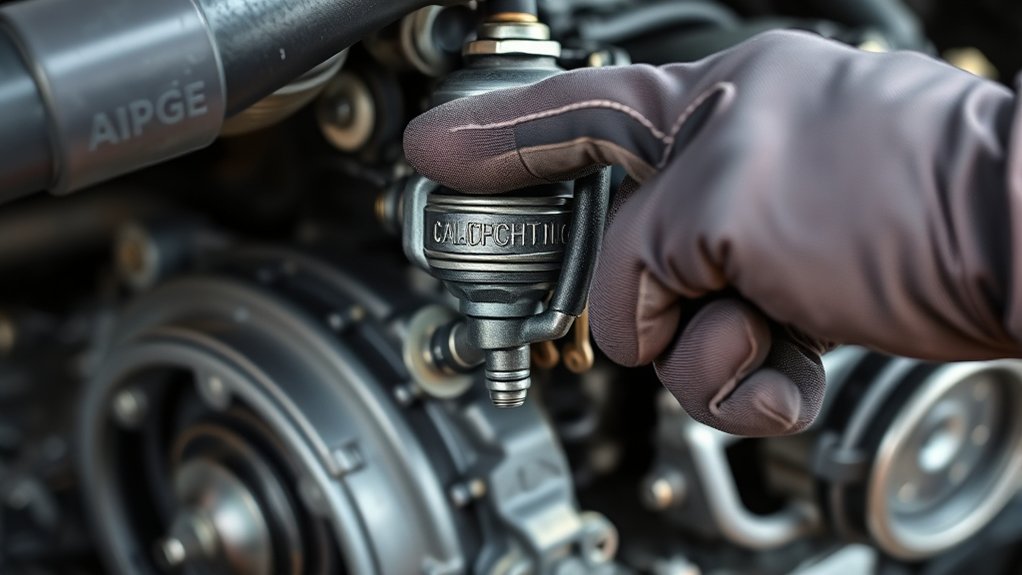
To find your clutch slave cylinder, start by checking common spots near the transmission on the driver’s side. Keep in mind that its exact location can vary depending on your vehicle’s make and model.
Knowing this will help you identify the part quickly and accurately.
Common Locations Overview
When you need to find the clutch slave cylinder, start by looking near the transmission housing, as this is where manufacturers typically install it. In most vehicles, it’s mounted on the outside of the transmission, connected to the clutch release fork or directly to the clutch release mechanism. You’ll often spot a small cylindrical component with a hydraulic line attached.
Some cars place it on the driver’s side, while others mount it underneath, so checking from below the vehicle can help. In trucks and some rear-wheel-drive cars, it might be on the transmission’s side or rear. Knowing these common spots lets you quickly locate the slave cylinder before testing or replacing it, saving you time and effort during your clutch maintenance.
Identifying Vehicle Models
Locating the clutch slave cylinder can vary depending on your vehicle’s make and model. Typically, you’ll find it mounted on the transmission housing, connected to the clutch fork. For front-wheel-drive cars, it’s often on the side of the transmission, while rear-wheel-drive vehicles might have it positioned differently.
Consult your vehicle’s service manual or online resources specific to your model for exact details. Some newer models use concentric slave cylinders inside the bell housing, which are less visible. Identifying your vehicle’s exact make, model, and year will help you pinpoint the clutch slave cylinder quickly.
Knowing this guarantees you can access it without unnecessary disassembly, making your testing or replacement process smoother and more efficient.
What Tools You Need to Test the Clutch Slave Cylinder
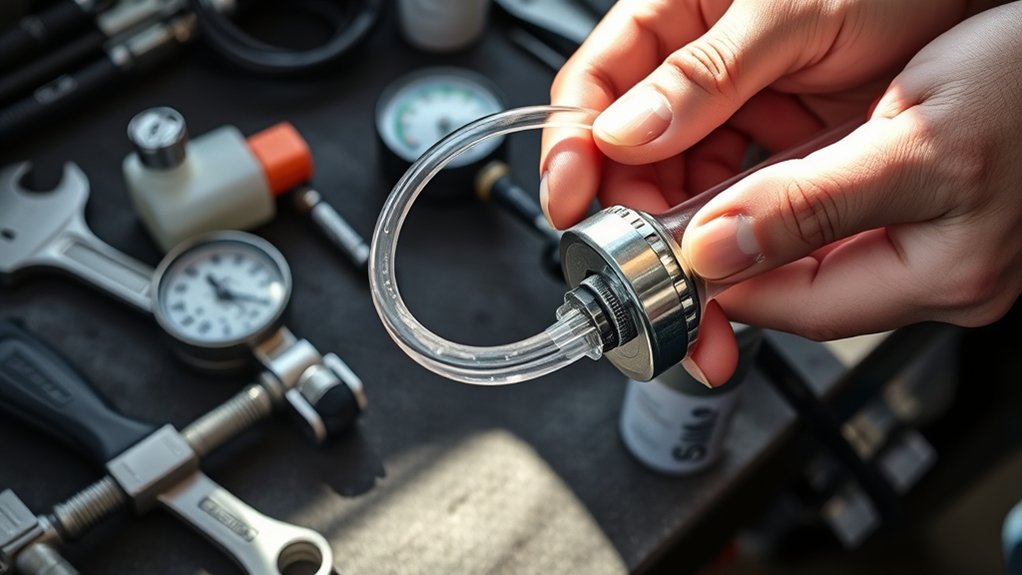
Before you start testing the clutch slave cylinder, gather the right tools to guarantee a smooth process. Having everything ready helps you work efficiently and avoid interruptions.
Here’s a quick list of essentials you’ll need:
| Tool | Purpose |
|---|---|
| Wrench Set | To loosen or tighten hydraulic lines |
| Brake Fluid | For topping up or bleeding the system |
| Clear Tubing | To check fluid movement in the cylinder |
| Jack and Jack Stands | To safely lift and support the vehicle |
These tools cover the basics for most clutch slave cylinder tests. Make sure the brake fluid matches your vehicle’s specifications to prevent damage.
With these tools at hand, you’re set to proceed confidently and accurately in diagnosing your clutch system.
How to Check for Fluid Leaks and Inspect the Clutch Pedal for Slave Cylinder Issues
Start by checking around the slave cylinder for any signs of fluid leaks, such as wet spots or stains. Then, press the clutch pedal and watch its movement carefully to spot any unusual softness or sticking.
These simple checks can help you identify early problems with the slave cylinder.
Identifying Fluid Leak Signs
When you suspect a problem with your clutch slave cylinder, checking for fluid leaks is essential. Start by inspecting the area around the slave cylinder for any wetness or fluid accumulation. Look closely at the hydraulic line connections and the cylinder body itself.
Brake fluid is usually clear to amber and has a slippery feel, so if you spot any damp spots or puddles underneath your vehicle, that’s a strong leak indicator. Also, check the ground beneath your clutch pedal area inside the car for fluid drops. Leaks here often lead to a soft or spongy clutch pedal.
If you notice any fluid, clean the area, then monitor it to see if the leak persists, confirming the slave cylinder may need repair or replacement.
Inspecting Clutch Pedal Movement
How does your clutch pedal feel when you press it? If it feels spongy, sticks, or doesn’t return smoothly, these could be signs of slave cylinder issues. Start by pressing the pedal slowly and observing its movement.
It should move smoothly without hesitation or excessive travel. Next, check if the pedal returns promptly after release, indicating proper hydraulic pressure. Any irregularities might mean air in the system or a failing slave cylinder.
Use this quick reference to identify common pedal symptoms and their possible causes:
| Pedal Behavior | Possible Cause |
|---|---|
| Spongy feel | Air in hydraulic lines |
| Hard to press | Faulty slave cylinder |
| Pedal sticks | Fluid leaks |
| Excessive travel | Low fluid level |
| Slow return | Internal seal failure |
How to Test Hydraulic Pressure in the Clutch Slave Cylinder
Although testing the hydraulic pressure in the clutch slave cylinder requires some specialized tools, you can accurately determine whether the system is functioning properly by following a few straightforward steps. First, you’ll need a hydraulic pressure gauge compatible with your vehicle. Connect the gauge to the slave cylinder’s bleeder valve or pressure port.
Next, have an assistant slowly press the clutch pedal while you monitor the gauge. The pressure reading should rise smoothly without sudden drops or spikes, indicating no leaks or blockages. If the pressure is too low or inconsistent, the slave cylinder or hydraulic system may be faulty.
Here’s a quick checklist:
- Gather a hydraulic pressure gauge
- Locate and connect to the bleeder valve
- Press clutch pedal gradually
- Observe pressure gauge for steady increase
- Note any irregular pressure readings or drops
How to Bleed Your Clutch Slave Cylinder the Right Way
If you noticed irregular pressure readings while testing the clutch slave cylinder, bleeding the system might solve the problem. Start by locating the bleed nipple on the slave cylinder, usually near the hydraulic line connection. Attach a clear hose to the nipple, placing the other end into a container to catch fluid.
Have a helper press the clutch pedal slowly while you open the bleed nipple with a wrench. Watch for air bubbles escaping through the hose. Close the nipple before your helper releases the pedal to prevent air from re-entering the system.
Repeat this process until no bubbles appear and pressure feels consistent. Finally, top off the master cylinder reservoir with fresh brake fluid, ensuring the system stays full throughout. This method restores proper hydraulic function efficiently.
How to Decide When to Replace the Clutch Slave Cylinder
When your clutch feels spongy or you notice fluid leaking near the slave cylinder, it’s a clear sign you might need to replace it. Ignoring these symptoms can lead to clutch failure and costly repairs. To decide if replacement is necessary, check for the following:
- Persistent fluid leaks around the slave cylinder
- Difficulty shifting gears or clutch slipping
- Soft or spongy clutch pedal feel even after bleeding
- Visible damage or corrosion on the slave cylinder
- Clutch pedal stays on the floor without resistance
If you spot any of these issues, it’s best to replace the clutch slave cylinder promptly. Doing so ensures smooth clutch operation and prevents further damage to your vehicle’s transmission system.
Frequently Asked Questions
Can a Faulty Clutch Slave Cylinder Damage Other Transmission Parts?
Yes, a faulty clutch slave cylinder can damage other transmission parts. If it leaks or fails, you might experience poor clutch engagement, causing excessive wear on the clutch, gearbox, and even leading to costly repairs if ignored.
How Long Does It Typically Take to Replace a Clutch Slave Cylinder?
Don’t worry, replacing a clutch slave cylinder usually takes about 1 to 2 hours. You’ll just need basic tools and some patience, and you can have your clutch working smoothly again without a costly trip to the shop.
Are There Common Symptoms of a Failing Clutch Slave Cylinder?
You’ll notice a soft or spongy clutch pedal, difficulty shifting gears, or clutch slipping if the slave cylinder is failing. Fluid leaks near the clutch area and a burning smell can also signal trouble.
Can I Drive My Car if the Clutch Slave Cylinder Is Leaking?
You can’t keep dancing with a leaking clutch slave cylinder; driving it risks total failure and leaving you stranded.
Get it fixed quickly to avoid costly damage and keep your car running smoothly and safely.
What Are the Differences Between Internal and External Clutch Slave Cylinders?
Internal clutch slave cylinders sit inside the transmission, while external ones are mounted outside. You’ll find internal cylinders are sealed better but harder to replace, whereas external ones are easier to access but more exposed to damage.
Conclusion
Testing your clutch slave cylinder is like tuning a delicate instrument—it guarantees your car’s harmony on the road. By checking for leaks, inspecting pressure, and bleeding the system properly, you keep your clutch responsive and smooth. Remember, catching issues early prevents bigger problems down the line.
When the cylinder shows signs of wear, replacing it keeps your drive seamless. Treat your clutch slave cylinder with care, and your vehicle will thank you with every shift. Regular maintenance and proper testing of the clutch slave cylinder ensure optimal performance and longevity.
In summary, testing your clutch slave cylinder is essential for a smooth driving experience. By following these steps, you maintain your clutch’s responsiveness and prevent costly repairs. Keep your clutch slave cylinder in top condition to enjoy a reliable and efficient vehicle.

