

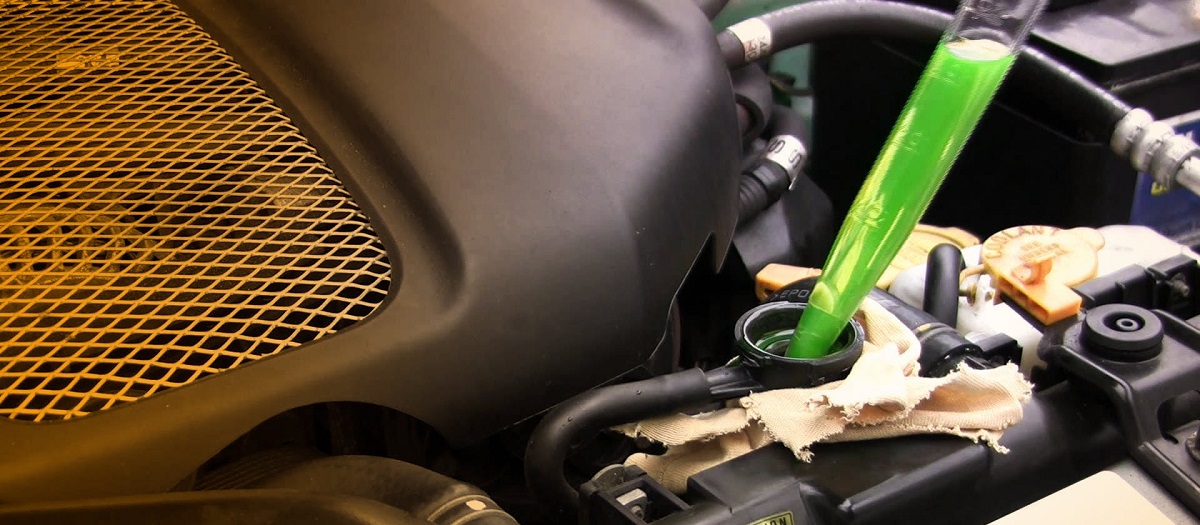
Understanding how coolant works is key to keeping your engine running smoothly. Coolant plays a crucial role in regulating your vehicle’s temperature, preventing it from overheating or freezing in extreme weather. Without it, your engine could suffer serious damage.
You might not think about coolant often but it’s constantly working behind the scenes. It absorbs heat from the engine and carries it away, ensuring everything stays within a safe temperature range. Knowing how this process works helps you appreciate why regular maintenance is so important for your car’s health.
Understanding Coolant and Its Purpose
Coolant plays a crucial role in protecting your vehicle’s engine by regulating temperature and preventing damage. Understanding what coolant is and why it matters helps you maintain your engine’s performance and longevity.
What Is Coolant?
Coolant, also known as antifreeze, is a liquid mixture primarily composed of water and glycol compounds like ethylene glycol or propylene glycol. It circulates through the engine’s cooling system, absorbing heat generated during combustion. This mixture prevents your engine from overheating by transferring excess heat to the radiator, where it dissipates into the air. Additionally, coolant contains additives that inhibit corrosion, lubricate components, and increase the boiling and freezing points of the liquid to manage extreme temperatures.
Why Is Coolant Essential in Vehicles?
Coolant ensures your engine operates within a safe temperature range, which prevents overheating and freezing. Overheating causes metal components to warp or seize, leading to costly repairs. Freezing coolant can expand and crack the engine block or radiator. Besides temperature control, coolant protects against rust and corrosion in the cooling system, extending the lifespan of pumps, hoses, and radiators. Proper coolant levels and mixture maintain efficient heat transfer and protect your engine under various driving conditions.
The Mechanism of How Coolant Works
Coolant manages engine temperature by absorbing heat and transferring it away from critical parts. Understanding the process helps you maintain engine performance and prevent damage.
Heat Absorption and Transfer
Coolant absorbs heat from the engine by circulating through passages surrounding the combustion chambers. As the coolant heats up, it carries thermal energy away to the radiator. The radiator then dissipates heat into the air through fins and fans. This continuous heat exchange keeps engine temperature stable, protecting components from damage caused by overheating.
The Role of Coolant in the Engine Cooling System
Coolant acts as a heat transfer medium, preventing the engine from reaching extreme temperatures that cause wear or failure. It also lowers the freezing point of the liquid in cold climates and raises the boiling point in hot conditions. This adaptability maintains engine temperature within a safe range year-round. In addition, coolant contains additives that inhibit rust and corrosion inside the cooling system, preserving its efficiency.
Components Involved in Coolant Circulation
The coolant circulates through several critical components:
- Water Pump: Forces coolant through the engine block and cooling system.
- Thermostat: Regulates coolant flow based on engine temperature, opening when the engine warms up.
- Radiator: Cools the heated coolant by transferring heat to the air.
- Hoses: Connect various parts of the system and allow coolant movement.
- Heater Core: Uses engine heat to warm the cabin heating system when needed.
Each component works in unison to ensure your engine stays at optimal operating temperature.
Types of Coolants and Their Differences
Coolants come in various formulations, each designed to meet specific engine requirements and operating conditions. Understanding their differences helps you select the best option for your vehicle’s cooling system.
Traditional vs. Modern Coolants
Traditional coolants primarily use ethylene glycol or propylene glycol mixed with water and contain silicate and phosphate additives for corrosion protection. They tend to have a shorter service life, usually lasting about 2 years or 30,000 miles, and require more frequent changes. Modern coolants use organic acid technology (OAT) or hybrid organic acid technology (HOAT), which extend protection to up to 5 years or 150,000 miles. These coolants offer superior corrosion resistance, reduced foaming, and compatibility with aluminum engine components. Unlike traditional coolants, modern coolants often come in pre-mixed formulas to ensure proper concentration and performance.
Choosing the Right Coolant for Your Vehicle
Vehicle manufacturers specify coolant types compatible with engine materials and operating conditions. You should consult your owner’s manual or manufacturer’s guidelines to match coolant formulation with your engine’s requirements. Using incompatible coolant can cause corrosion, scale buildup, or reduced heat transfer. Always consider coolant lifespan, compatibility with additives, and whether the product is pre-mixed or concentrated. When switching between coolant types, fully flushing the cooling system is critical to avoid chemical reactions that impair coolant performance.
Common Issues and Maintenance Tips
Maintaining your vehicle’s coolant system helps avoid engine damage and ensures efficient temperature regulation. Recognizing issues early and keeping coolant at the right levels extends your engine’s lifespan.
Signs of Coolant Problems
Watch for engine overheating, which often indicates coolant circulation failures or leaks. Notice any sweet-smelling steam or puddles of green, orange, or pink fluid beneath your vehicle; these typically signal coolant leaks. Monitor your temperature gauge—if it frequently rises above normal or fluctuates, coolant issues may exist. Check for a swollen radiator or hoses, which suggests pressure problems caused by degraded coolant. Be alert to heater malfunctions inside your vehicle, as poor coolant flow can reduce heat output during cold weather.
How to Maintain Proper Coolant Levels
Check your coolant reservoir when the engine is cold, ensuring the fluid rests between the “MIN” and “MAX” markers. Use a 50/50 mix of antifreeze and distilled water unless the manufacturer specifies otherwise. Add coolant slowly to avoid introducing air pockets, which hinder the system’s efficiency. Flush and replace coolant every 30,000 to 50,000 miles or as recommended in your owner’s manual to remove contaminants and maintain proper chemical balance. Inspect hoses and radiator caps regularly for cracks or wear, replacing any damaged parts immediately to prevent leaks and pressure loss.
Conclusion
Keeping your coolant system in top shape is essential for your engine’s performance and longevity. By understanding how coolant works and recognizing the signs of trouble, you can prevent costly repairs and keep your vehicle running smoothly. Regular checks and proper maintenance ensure your engine stays at the right temperature no matter the season. Taking these simple steps helps you avoid overheating, freezing, and corrosion, giving you peace of mind on every drive.

