

Your clutch can last between 30,000 and 100,000 miles, depending on driving habits and maintenance. Proper care and timely attention are key to maximizing clutch lifespan. Understanding how to avoid common mistakes can save you money and prevent premature wear.
To maximize its lifespan, avoid riding the clutch pedal and shift gears smoothly. Use the handbrake on hills instead of holding the clutch to reduce unnecessary strain. Regularly check and adjust the clutch pedal and fluid levels to ensure optimal performance.
Using quality parts and driving on favorable road conditions also helps extend clutch life. Keep reading to discover tips on spotting wear early and choosing the right upgrades for your driving needs.
Key Takeaways
- A clutch typically lasts between 30,000 and 100,000 miles depending on vehicle type and driving conditions.
- Avoid clutch riding and aggressive shifting to minimize premature wear and extend clutch lifespan.
- Regularly maintain clutch components, including pedal free play, hydraulic fluid, and cables, to ensure optimal operation.
- Replace the clutch if you experience slipping, difficulty shifting, burning smells, or vibrations during engagement.
- Upgrading to high-quality or performance clutches can improve durability and handle increased engine power or heavy loads.
What Is a Clutch and How Does It Work?
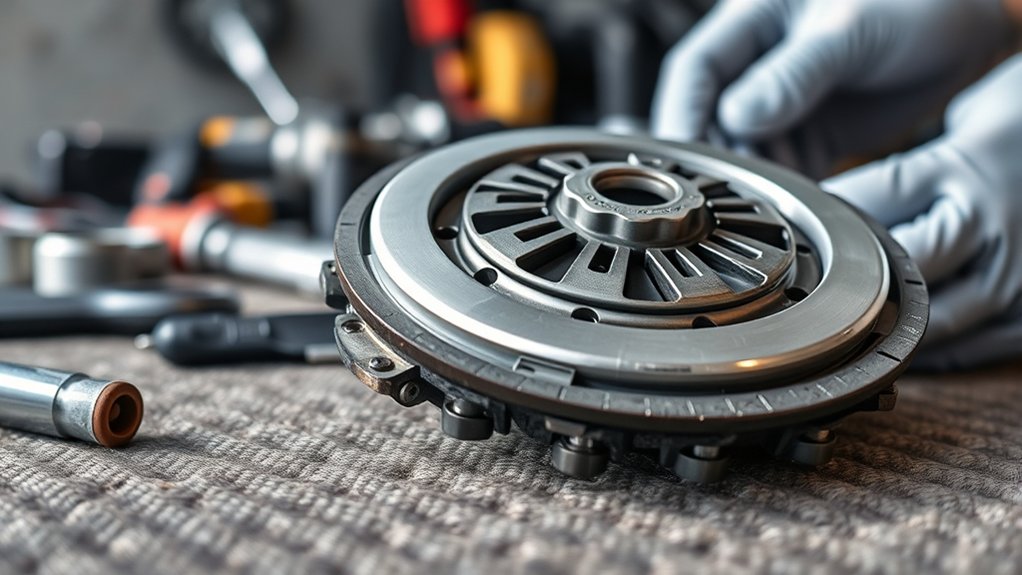
Although you might not think about it often, the clutch plays a crucial role in your vehicle’s operation by connecting and disconnecting the engine from the transmission. When you press the clutch pedal, you disengage the clutch, temporarily separating the engine’s power from the wheels. This pause lets you shift gears smoothly without damaging the transmission.
When you release the pedal, the clutch re-engages, allowing power to flow again. Inside, the clutch consists of a pressure plate, clutch disc, and flywheel, all working together to transfer engine power to your wheels. Understanding this helps you appreciate why gentle clutch use matters.
Every time you ride the clutch or force gear shifts, you wear down these indispensable parts faster, affecting your car’s performance.
How Long Does a Clutch Usually Last?
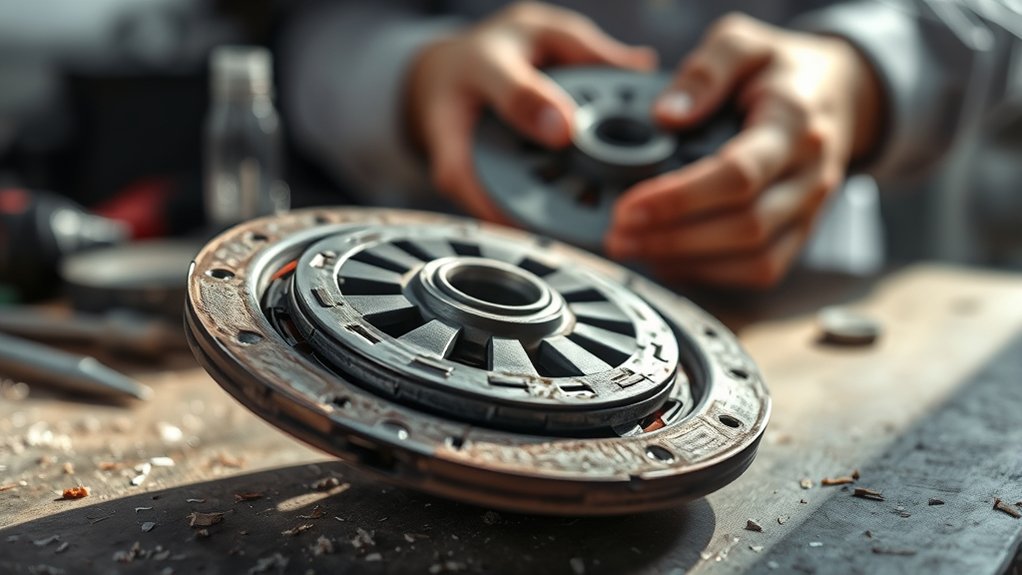
Since the clutch plays such a vital role in your vehicle’s operation, it’s natural to wonder how long it can last before needing replacement. Typically, a clutch lasts between 30,000 to 100,000 miles, but this varies based on factors like vehicle type and driving conditions. Regular maintenance and mindful driving can extend its life considerably.
| Vehicle Type | Average Clutch Lifespan | Notes |
|---|---|---|
| Compact Cars | 50,000 – 70,000 miles | Less strain, lighter clutch |
| Sports Cars | 30,000 – 50,000 miles | High performance, more wear |
| Trucks & SUVs | 60,000 – 100,000 miles | Heavier load, durable clutch |
| Manual Transmission | 40,000 – 80,000 miles | Depends on usage |
| Automatic Transmission | N/A | No clutch to replace |
Knowing these ranges helps you plan maintenance before issues arise.
Which Driving Habits Wear Out Your Clutch Faster?
You wear out your clutch faster when you keep your foot resting on the pedal or shift gears aggressively. Riding the clutch creates constant friction, leading to premature wear.
Changing gears roughly puts extra strain on the clutch components, cutting its lifespan short.
Excessive Clutch Riding
When you keep your foot resting on the clutch pedal while driving, you accelerate its wear considerably. This habit, known as clutch riding, causes constant friction between the clutch plate and flywheel, leading to premature wear. You might do this unconsciously in stop-and-go traffic or when waiting at a light, but it’s important to avoid it.
Instead, fully release the clutch pedal once you’ve engaged the gear. Keeping your foot off the pedal reduces unnecessary contact and heat buildup, preserving the clutch’s integrity. If you find yourself frequently riding the clutch, practice shifting gears smoothly and using the handbrake on hills rather than slipping the clutch to hold the car.
Aggressive Gear Shifting
Avoiding clutch riding helps protect your clutch, but other driving habits can also speed up its wear. Aggressive gear shifting is one of the main culprits. When you shift gears too quickly or forcefully, you put excessive strain on the clutch components.
Slamming the gear lever or revving the engine excessively before releasing the clutch causes unnecessary friction and heat, which wears down the clutch plate faster.
To maximize your clutch’s lifespan, shift smoothly and deliberately. Match engine speed to the gear you’re selecting to reduce stress on the clutch. Avoid sudden, jerky movements when changing gears, especially during quick acceleration or deceleration.
How Do Road Conditions Affect Clutch Lifespan?
You’ll notice that heavy traffic can force you to use the clutch more often, speeding up its wear. Driving on hilly or rough terrain puts extra strain on the clutch as you manage frequent gear changes and torque.
Plus, wet or icy conditions make smooth clutch control essential to avoid slipping and damage.
Impact Of Traffic Density
Because traffic density directly influences how often you engage and release the clutch, it plays a significant role in determining its lifespan. In heavy traffic, you’ll find yourself constantly starting and stopping, which means more frequent clutch use. This frequent engagement causes faster wear on the clutch components, especially if you’re not careful with your technique.
On the other hand, smoother traffic flow allows for longer periods of steady driving, reducing clutch use and extending its life. To minimize wear in dense traffic, avoid riding the clutch pedal and use neutral when stopped for longer periods. Being mindful of your clutch usage in varying traffic conditions helps you maximize its lifespan and avoid costly repairs down the road.
Influence Of Terrain Type
Though road conditions vary widely, they directly impact how much strain your clutch endures during driving. Rough, uneven terrain forces you to use the clutch more frequently and with greater precision, which can wear it out faster.
Smooth, well-paved roads let you shift gears more easily, reducing clutch stress and extending its lifespan. Here’s a quick breakdown:
| Terrain Type | Clutch Impact |
|---|---|
| Rough/Off-road | Frequent clutch engagement, faster wear |
| Urban Streets | Moderate use, stop-and-go traffic adds wear |
| Highways | Minimal clutch use, longer lifespan |
Effects Of Weather Conditions
When weather conditions change, they considerably affect how your clutch performs and wears over time. Wet, icy, or muddy roads force you to engage the clutch more frequently and with greater caution, accelerating wear. Hot weather can cause the clutch components to overheat, reducing their effectiveness and lifespan.
Dusty or sandy environments introduce abrasive particles that can damage the clutch surfaces. To protect your clutch under varying weather, consider these factors:
- Increased clutch slipping on slippery roads
- Frequent clutch modulation in heavy rain or snow
- Overheating risks during hot, dry conditions
- Abrasive dust and debris causing surface wear
- Sudden temperature shifts affecting clutch material integrity
Adapting your driving style to these conditions helps extend your clutch’s life.
How Clutch Part Quality Affects Lifespan
The quality of the clutch parts you choose plays a crucial role in determining how long your clutch will last. High-quality parts typically use better materials and manufacturing processes, which means they can withstand heat, friction, and wear more effectively. Cheaper parts might save you money upfront but often wear out faster, leading to more frequent replacements.
Investing in reputable brands ensures durability and smoother performance, saving you time and hassle in the long run.
| Part Component | Impact on Lifespan |
|---|---|
| Clutch Disc | Material quality affects wear resistance |
| Pressure Plate | Durability influences clutch engagement |
| Release Bearing | Smooth operation reduces wear |
| Flywheel | Surface finish impacts friction |
| Springs | Strength maintains consistent pressure |
Choose quality parts to maximize your clutch’s lifespan.
Signs Your Clutch Is Starting to Wear Out
Choosing high-quality clutch parts can extend your clutch’s lifespan, but even the best components wear down over time. You’ll want to watch for early signs of clutch wear to avoid costly repairs. If you notice unusual changes, it’s time to inspect the system.
Key indicators include:
- A burning smell while driving, especially during gear changes
- Difficulty shifting gears or a grinding noise when you do
- The clutch pedal feeling spongy, loose, or sticking
- Increased engine revs without a corresponding increase in speed (clutch slipping)
- A vibrating or jerking sensation when you engage the clutch
Catching these signs early helps you address clutch issues before they escalate, keeping your vehicle running smoothly and safely.
Driving Techniques to Extend Your Clutch’s Life
Although clutch components eventually wear out, adopting proper driving techniques can considerably slow down that process. First, avoid riding the clutch pedal—keep your foot off it when you’re not shifting. When starting from a stop, engage the clutch smoothly to prevent unnecessary slipping.
Shift gears promptly and avoid revving the engine too high, which strains the clutch. Use the handbrake on hills instead of holding the clutch to prevent rollback. Also, avoid resting your foot on the clutch pedal while driving; this causes constant slight engagement and faster wear.
Ultimately, anticipate traffic flow to minimize frequent clutch use. By driving with these habits, you’ll reduce clutch wear substantially and extend its lifespan, saving you time and money on repairs.
Routine Maintenance to Preserve Your Clutch
If you want to keep your clutch in good shape, regular maintenance is key. You should routinely check and adjust the clutch pedal free play to avoid unnecessary wear. Inspect the clutch fluid level if your vehicle uses a hydraulic system, topping it off with the recommended type as needed.
Keep an eye out for leaks in the hydraulic line, which can affect performance. Also, make sure the clutch cable is properly lubricated and free of fraying. Finally, have your clutch system inspected by a professional during regular service intervals to catch issues early.
- Check and adjust clutch pedal free play
- Monitor and top off clutch fluid
- Inspect hydraulic lines for leaks
- Lubricate and examine clutch cable condition
- Schedule professional clutch inspections regularly
When to Consider Replacing Your Clutch
You’ll want to think about replacing your clutch when you notice signs of wear like slipping, difficulty shifting, or a burning smell. Ignoring these symptoms can hurt your vehicle’s performance and lead to more costly repairs.
Staying alert to these changes helps you act before bigger problems arise.
Signs of Clutch Wear
When your clutch starts showing signs of wear, it’s important to recognize them early to avoid costly repairs or sudden failure. You should pay attention to subtle changes in how your vehicle feels and sounds. Catching these signs lets you plan for replacement before the clutch completely fails.
Look out for these warning signs:
- Slipping: Engine revs rise without a corresponding increase in speed.
- Difficulty shifting gears: Grinding or resistance when you change gears.
- Spongy or sticky clutch pedal: The pedal feels different, either soft or hard to press.
- Burning smell: A distinct odor, especially after heavy use.
- Vibrations or chatter: Unusual shaking when you engage the clutch.
Notice any? It’s time to get your clutch inspected.
Impact on Vehicle Performance
Although a worn clutch might still let you drive, it can considerably reduce your vehicle’s performance and safety. You’ll notice sluggish acceleration and difficulty shifting gears, which can make driving frustrating and unsafe. A slipping clutch means your engine revs increase without a corresponding boost in speed, wasting fuel and straining the drivetrain.
If you ignore these signs, you risk complete clutch failure, potentially leaving you stranded. To keep your car running smoothly, replace your clutch as soon as you detect these performance drops. Addressing clutch issues early ensures better control, fuel efficiency, and overall driving experience.
Don’t wait until your clutch quits working; timely replacement protects both your vehicle and your safety on the road.
How a Professional Clutch Inspection Can Save You Money
Because a professional clutch inspection identifies wear early, it can save you significant repair costs down the line. By catching issues before they escalate, you avoid expensive replacements and potential damage to other components. A thorough inspection helps maintain smooth vehicle operation and prevents unexpected breakdowns.
Here’s how a professional clutch inspection can save you money:
- Detect slipping or sticking clutch before severe damage
- Identify worn clutch disc or pressure plate early
- Prevent damage to the flywheel and transmission
- Avoid costly roadside repairs or towing fees
- Extend overall clutch lifespan with timely maintenance
Scheduling regular inspections assures you address minor problems promptly, keeping repair costs manageable and preserving your vehicle’s performance.
Upgrading Your Clutch: When It Makes Sense
If you drive a high-performance vehicle or tow heavy loads regularly, upgrading your clutch can considerably improve your car’s responsiveness and durability. It makes sense to contemplate an upgrade when your current clutch can’t handle increased power, slips under heavy use, or wears out quickly.
Upgrading also benefits those who want smoother shifting or enhanced pedal feel.
Here’s when upgrading your clutch makes sense:
| Situation | Benefit |
|---|---|
| Increased engine power | Better torque handling |
| Frequent towing or hauling | Enhanced durability |
| Aggressive driving style | Improved responsiveness |
| Worn-out factory clutch | Longer lifespan and reliability |
Upgrading helps you avoid frequent replacements and keeps your vehicle performing at its best under demanding conditions.
Choosing the Right Clutch Upgrade for Your Vehicle
Upgrading your clutch is a smart move when your driving demands increase, but selecting the right one requires careful consideration. You want a clutch that matches your driving style and vehicle specifications to guarantee peak performance and durability.
When choosing the right clutch upgrade, keep these factors in mind:
- Driving conditions: Daily commute, racing, or heavy towing impact clutch choice.
- Vehicle compatibility: Confirm the clutch fits your car’s make, model, and engine.
- Material quality: Organic, ceramic, or Kevlar clutches offer different durability and feel.
- Clutch size and type: Match the right diameter and consider single or multi-plate options.
- Budget and maintenance: Balance cost with expected lifespan and upkeep requirements.
Choosing wisely helps you get the best performance and extends your clutch’s lifespan.
Frequently Asked Questions
Can Weather Conditions Like Extreme Cold Affect Clutch Performance?
Yes, extreme cold can stiffen your clutch components and fluid, making it harder to engage smoothly.
You’ll notice delayed response and increased wear if you don’t warm up your vehicle properly before driving in cold weather.
Does the Type of Transmission Fluid Impact Clutch Lifespan?
You might think transmission fluid is just oil, but it directly impacts clutch lifespan. Using the right fluid reduces friction and wear, ensuring smoother shifts and longer clutch life.
How Does Towing Heavy Loads Influence Clutch Wear?
Towing heavy loads puts extra strain on your clutch, causing it to wear out faster. You’ll notice slipping or difficulty shifting sooner, so you’ll want to drive smoothly and avoid riding the clutch to extend its life.
Are There Specific Car Models Known for Clutch Longevity?
Yes, you’ll find that cars like the Toyota Corolla and Honda Civic are known for clutch longevity. Their reliable engineering and quality components help you avoid frequent replacements, especially if you drive carefully and maintain your clutch properly.
Can Aftermarket Modifications Void My Clutch Warranty?
Yes, aftermarket modifications can void your clutch warranty if they cause damage or alter performance.
Always check your warranty terms and consult your dealer before installing parts to avoid losing coverage on your clutch.
Conclusion
Your clutch can last anywhere from 50,000 to 100,000 miles, but how you drive plays a huge role in that.
Did you know that nearly 70% of premature clutch failures are caused by poor driving habits like riding the clutch or aggressive shifting?
By adopting smoother driving techniques and getting regular inspections, you can seriously extend your clutch’s life and save money.
So, treat your clutch right—it’ll pay off in the long run! Maximizing clutch lifespan requires careful driving habits and timely maintenance to avoid costly repairs.

