

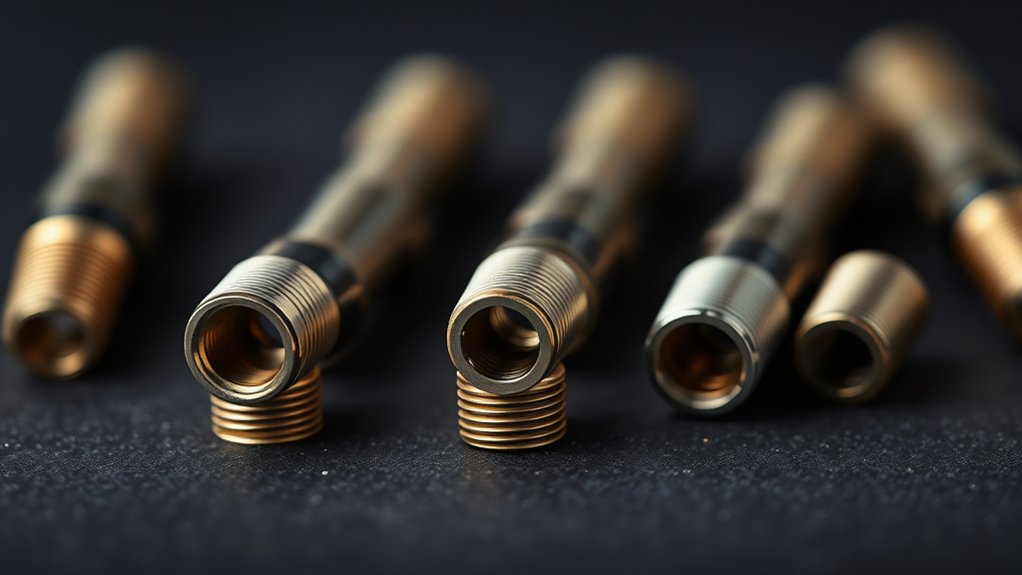
You’ll notice carburetor jets vary in thread size due to different engine requirements and regional standards. This variation ensures a perfect fit and precise fuel flow for optimal engine performance.
Using the correct thread size is crucial in preventing leaks, thread damage, and poor fuel delivery.
Smaller threads are designed for fine fuel metering in engines that need precise control. Larger threads accommodate greater fuel flow, which is essential for high-performance engines.
Understanding these differences helps you select the right jet size.
Choosing the proper carburetor jet thread size is key to maintaining engine efficiency. By matching the jet to your engine’s needs, you optimize fuel delivery and overall performance.
Keep exploring to uncover the full details behind these important variations.
Key Takeaways
- Carburetor jets vary in thread size to match different regional and manufacturer thread standards for compatibility and proper fit. Different thread sizes allow for varying jet diameters, directly affecting fuel flow rates and engine performance requirements. Proper thread size ensures secure installation, preventing leaks, damage, and maintaining stable fuel delivery and combustion.
- Thread size variations accommodate diverse engine types, balancing durability and fuel metering precision for racing or fuel-efficient engines. Correct thread sizing simplifies maintenance by matching carburetor design, ensuring accurate fuel metering and preventing misalignment or wear.
What Are Carburetor Jets and Why They Matter
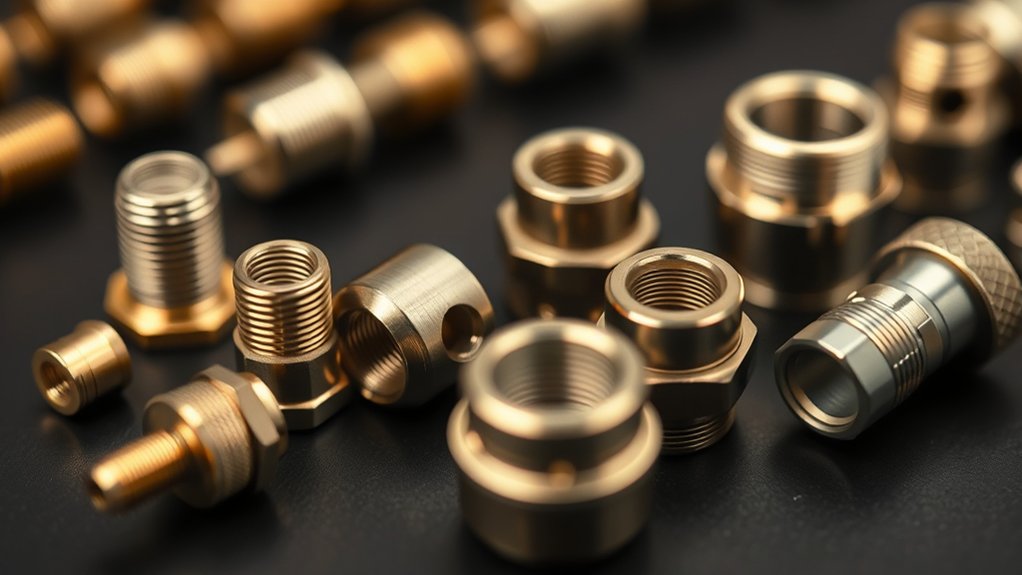
What exactly are carburetor jets, and why should you care about them? Carburetor jets control the flow of fuel into your engine’s air stream, directly affecting performance and efficiency. When you adjust or replace jets, you’re fine-tuning the fuel-to-air ratio, which impacts how smoothly your engine runs and how much power it delivers.
Using the wrong jet can lead to poor fuel economy, engine hesitation, or even damage. Since jets come in various sizes, understanding their role helps you choose the right one for your specific engine setup. Paying attention to carburetor jets ensures your engine gets the perfect fuel mix, improving responsiveness and longevity.
Common Carburetor Jet Thread Sizes Explained
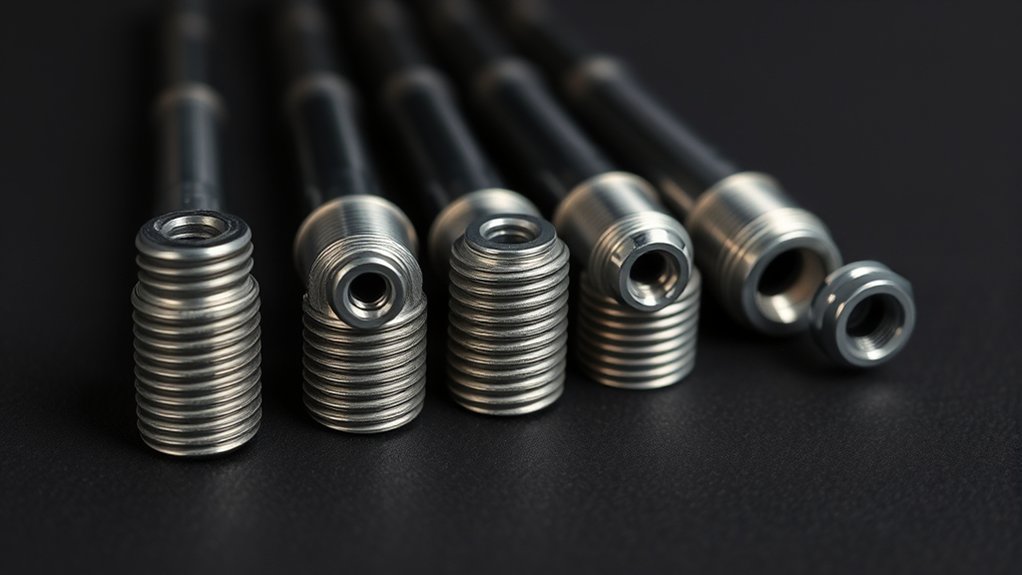
You’ll find that carburetor jets come in several standard thread sizes, each designed to fit specific carburetors. These thread sizes directly affect fuel flow, so choosing the right one is essential for proper engine performance.
Understanding compatibility helps you avoid leaks and guarantees your carburetor runs smoothly.
Standard Thread Size Types
Although carburetor jets may look similar at first glance, their thread sizes vary considerably depending on the manufacturer and application. You’ll most commonly encounter thread sizes like M5x0.8, M6x1.0, and 1/4-28 UNF. Metric threads such as M5 and M6 are popular in many European and Asian bikes, while the 1/4-28 UNF is widely used in American models.
Each size has a specific thread pitch and diameter, ensuring a secure fit in the carburetor body. When replacing or upgrading jets, you need to match the exact thread type to avoid leaks or damage. Understanding these standard thread sizes helps you choose compatible jets and maintain ideal carburetor performance without hassle.
Impact On Fuel Flow
Since different thread sizes affect how jets fit into the carburetor, they also influence fuel flow rates and engine performance. When you choose a jet with the correct thread size, you guarantee a proper seal and consistent fuel delivery.
Here’s how thread size impacts fuel flow:
- Larger threads often allow for bigger jets, increasing fuel flow.
- Smaller threads typically fit smaller jets, restricting fuel flow.
- Mismatched threads can cause leaks, reducing engine efficiency.
- Properly sized threads maintain stable fuel pressure, optimizing combustion.
Compatibility With Carburetors
When selecting carburetor jets, understanding thread size compatibility is essential to guarantee a secure fit and ideal engine performance. Different carburetors use specific jet thread sizes, so using the wrong one can lead to leaks or poor fuel delivery. For example, many small engines use 6mm or 8mm threads, while motorcycle carburetors often require M6 or M8 jets.
You need to check your carburetor’s manual or measure the existing jet to confirm the correct thread size. Installing a jet with incompatible threads can damage the carburetor or cause improper fuel flow. By ensuring thread size compatibility, you maintain engine efficiency and avoid costly repairs.
Always match the jet’s thread size precisely to your carburetor’s specifications.
How Carburetor Jet Thread Size Affects Fuel Flow
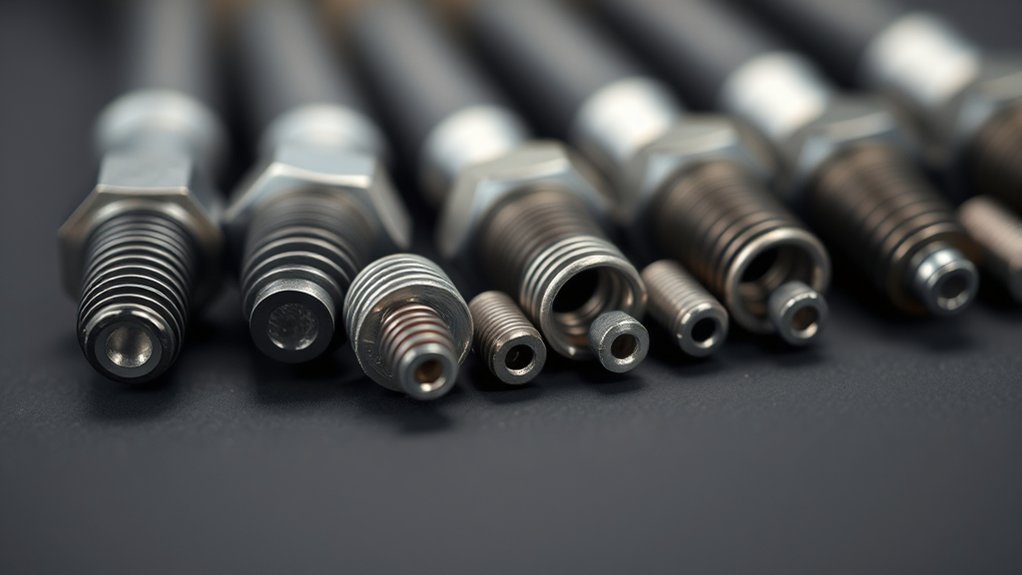
You’ll notice that the thread size directly influences how fuel flows through the jet, affecting overall delivery. If the thread size doesn’t match your carburetor, you’ll face compatibility issues that can disrupt performance.
Understanding this helps you achieve precise fuel flow for better engine tuning.
Thread Size And Fuel Delivery
The thread size of a carburetor jet directly influences how fuel flows through your engine. When you choose a jet with a specific thread size, you’re fundamentally controlling the fuel’s path and rate. Here’s how it affects fuel delivery:
- Thread diameter determines the size of the fuel passage—the larger the thread, the bigger the passage for fuel.
- Thread pitch impacts how tightly the jet screws in, affecting the seal and preventing leaks.
- A proper thread size guarantees consistent fuel flow, avoiding rich or lean mixtures.
- Incorrect thread size can restrict fuel flow or cause vibrations that disrupt fuel delivery.
Impact On Jet Compatibility
Choosing the right thread size doesn’t just affect fuel flow—it also determines whether a jet fits properly in your carburetor. If the thread size is too large or small, the jet won’t screw in securely, causing leaks or poor sealing. This misfit can lead to inconsistent fuel delivery or even engine damage.
When you select a jet with the correct thread size, it assures a tight, precise fit that maintains proper fuel passage and prevents air leaks. Using jets with incompatible threads also risks stripping the carburetor’s internal threads, which can be costly to repair.
Influence On Flow Precision
Although thread size might seem like a minor detail, it plays an essential role in how precisely fuel flows through your carburetor jet. The thread size influences how securely and accurately the jet seats, directly affecting flow consistency. When you consider flow precision, keep these points in mind:
- Proper thread size ensures a tight seal, preventing leaks and maintaining steady fuel delivery.
- Mismatched threads can cause slight misalignments, disrupting the fuel path and altering flow rates.
- Consistent thread engagement helps maintain precise jet positioning, fundamental for accurate fuel metering.
- Variations in thread size can lead to uneven wear, impacting long-term flow stability.
Why Different Engines Use Different Jet Thread Sizes
Engines rely on specific jet thread sizes to guarantee proper fuel flow and compatibility with their carburetor designs. When you look at different engines, you’ll notice they vary widely in size, power output, and fuel requirements. These differences mean the jets must fit precisely and handle the right amount of fuel.
Smaller engines often use finer threads to match compact carburetors, ensuring accurate fuel metering, while larger engines need sturdier, coarser threads to support higher fuel flow and withstand greater stress. You’ll also find variations depending on the engine’s intended use—performance engines might use specialized thread sizes to optimize fuel delivery under demanding conditions.
Choosing the correct jet thread size prevents leaks, guarantees proper sealing, and maintains engine efficiency and reliability.
How Manufacturer Standards Determine Jet Thread Sizes
You’ll notice that manufacturer standards play a big role in setting jet thread sizes. These standards often reflect industry guidelines, regional preferences, and historical design choices.
Understanding these factors helps you see why thread sizes vary across brands and models.
Industry Thread Size Standards
Manufacturers set specific thread size standards to guarantee carburetor jets fit properly and function reliably across different engine models. When you work with jets, you’ll notice these standards ensure compatibility and maintain performance consistency.
Here’s how they shape thread sizes:
- OEM Specifications: Each manufacturer defines thread pitch and diameter to match their carburetor designs.
- Interchangeability: Standard sizes let you swap jets without risking leaks or damage.
- Material Considerations: Thread designs vary slightly to suit metals or alloys used.
- Performance Requirements: Threads are chosen to withstand pressure and vibration typical in engines.
Regional Manufacturing Preferences
Why do carburetor jet thread sizes differ across regions? It boils down to how manufacturers in different areas set their standards. Each region tends to follow specific engineering norms, influencing jet thread dimensions to match local tools and production methods.
When you pick jets, knowing these preferences helps you find compatible parts without hassle.
| Region | Common Thread Size |
|---|---|
| North America | 10-32 UNF |
| Europe | M5 x 0.8 |
| Japan | M6 x 1.0 |
| India | 10-24 UNF |
| Australia | M5 x 0.8 |
Understanding these regional standards guarantees you select the right jet, avoiding mismatches and improving carburetor performance.
Historical Design Influences
The regional differences in carburetor jet thread sizes didn’t happen by chance; they reflect decades of design choices rooted in each area’s manufacturing history. When you look into how standards developed, you’ll see how manufacturers shaped these variations:
- Local Material Availability – Different metals influenced thread durability and size preferences.
- Tooling and Machinery – The type of threading equipment dictated feasible thread pitches and diameters.
- Interchangeability Standards – Manufacturers set sizes to guarantee parts fit within their own product lines, not others.
- Industry Regulations – Safety and performance rules often mandated specific thread characteristics.
Understanding these influences helps you appreciate why jet threads vary so much and why interchange isn’t always simple. These standards still impact modern carburetor designs today.
How Performance Needs Affect Your Jet Thread Choice
Because your engine’s performance demands vary, choosing the right carburetor jet thread size becomes vital. If you’re aiming for higher horsepower or quicker throttle response, you’ll likely need jets that accommodate larger fuel flow, often requiring sturdier, coarser threads for durability and easier tuning.
On the other hand, engines focused on fuel efficiency or smooth idling benefit from finer threads, which allow more precise fuel metering. You’ll also find that racing or high-performance engines experience more vibration and stress, so selecting jets with threads designed to resist loosening is essential.
Ultimately, your jet thread choice directly impacts how well you can adjust fuel delivery to match your specific performance goals, ensuring your engine runs best under different conditions.
Carburetor Jet Thread Size and Compatibility Issues
Choosing the right carburetor jet thread size doesn’t end with performance needs—it also affects compatibility with your carburetor body. If the thread size doesn’t match, you risk damaging the carburetor or causing leaks that hurt engine efficiency.
To avoid these issues, consider:
- Thread pitch and diameter—make sure they align precisely with your carburetor’s specifications.
- Material differences—some jets are softer or harder, affecting how they fit and seal.
- Manufacturer variations—brands may use proprietary sizes, so cross-check before buying.
- Installation tools—using the wrong tools can strip threads, worsening compatibility problems.
Signs of Wrong Carburetor Jet Thread Size for Your Engine
If you notice fuel leaks or engine sputtering after installing a new jet, you might be dealing with the wrong thread size. A jet that doesn’t fit properly can cause poor sealing, leading to fuel escaping and inconsistent engine performance. You may also experience difficulty screwing the jet in or feel it cross-threading.
If the engine runs lean or rich unexpectedly, despite adjusting the mixture, the jet’s thread mismatch could be disrupting fuel flow. Vibrations or engine misfires during operation might also signal an improper fit. Pay attention to unusual engine behavior right after a jet replacement, as these signs often point to thread size issues.
Addressing the problem promptly prevents damage and keeps your engine running smoothly.
How to Identify Your Carburetor Jet Thread Size
When you need to identify your carburetor jet thread size, start by examining the jet’s physical dimensions and markings. First, measure the outer diameter of the threaded section using a caliper. Second, count the number of threads per inch (TPI) or per centimeter to determine thread pitch.
Third, look for stamped or engraved numbers on the jet, which sometimes indicate thread size or model. Finally, compare your measurements with a thread size chart or manufacturer specifications to confirm the exact size. By following these steps, you assure an accurate thread size identification, helping you find the right replacement jet.
Keep your measurements precise, as even small differences can affect engine performance considerably.
Tips for Choosing the Right Jet Thread Size for Repairs
Although selecting the correct jet thread size might seem straightforward, using the wrong size can lead to poor engine performance or damage. To avoid this, always double-check your carburetor’s specifications before buying jets.
If possible, remove the old jet and measure its thread diameter and pitch using a thread gauge or caliper. When ordering replacements, stick to trusted suppliers who provide clear sizing info. Avoid forcing jets into the carburetor—if it doesn’t fit smoothly, it’s likely the wrong thread size.
Finally, keep a reference chart or notes on your specific carburetor model handy for future repairs. By following these tips, you’ll guarantee a proper fit, maintain peak engine function, and prevent costly damage during your repair projects.
Metric vs. Imperial Carburetor Jet Thread Sizes: What to Know
Understanding the difference between metric and imperial carburetor jet thread sizes is essential to ensuring a proper fit and ideal engine performance. When you’re selecting jets, mixing these standards can cause leaks or damage.
Here’s what you need to know:
- Metric threads are measured in millimeters (e.g., M6x0.75), focusing on diameter and pitch.
- Imperial threads use inches and threads per inch (TPI), like 1/4”-32.
- Mixing metric jets with imperial carburetor bodies often leads to cross-threading.
- Always check your carburetor’s specifications or manual to identify the correct thread standard before buying.
When to Upgrade Your Carburetor Jet Thread Size
If you’re experiencing frequent jet wear or need to enhance fuel flow for higher performance, upgrading your carburetor jet thread size might be necessary. When your current jets can’t handle increased fuel demands or wear out too quickly, a larger or more robust thread size offers better durability and compatibility with performance parts.
You should also consider upgrading if you’re modifying your engine for more power, as standard thread sizes may restrict fuel delivery. Additionally, if you frequently rebuild or service your carburetor, choosing a thread size that resists stripping or damage can save you time and money.
Make sure your new jets match your carburetor’s specifications to maintain proper sealing and function, ensuring reliable and efficient engine performance.
Common Mistakes to Avoid With Carburetor Jet Thread Sizes
When working with carburetor jet thread sizes, you’ll want to avoid mismatching threads, as this can cause leaks, damage, or poor engine performance. Here are common mistakes to watch out for:
- Using the wrong thread size jet for your carburetor, leading to improper fit.
- Forcing a jet into a mismatched thread, which can strip or cross-thread the seat.
- Ignoring manufacturer specifications, risking compatibility issues.
- Over-tightening jets, causing thread deformation or cracking.
Frequently Asked Questions
How Do Carburetor Jets Impact Engine Emissions?
You control engine emissions by adjusting carburetor jets, which regulate fuel flow. If jets deliver too much fuel, emissions increase; too little fuel causes poor combustion.
Proper jetting helps you reduce pollutants and improve efficiency.
Can Carburetor Jets Be Cleaned Instead of Replaced?
Yes, you can clean carburetor jets instead of replacing them. Use carburetor cleaner and compressed air to remove deposits carefully. Regular cleaning helps maintain performance and fuel efficiency without the immediate need for new jets.
What Tools Are Needed to Remove Carburetor Jets Safely?
To tackle tight threads, you’ll need trusty tools: a small flathead screwdriver, a precision wrench, and a carburetor jet removal tool. Don’t forget gloves and eye protection to safely secure and safeguard yourself during the job.
How Often Should Carburetor Jets Be Inspected or Serviced?
You should inspect carburetor jets every 12,000 miles or annually, whichever comes first.
If you notice performance issues, clean or service them sooner to keep your engine running smoothly and avoid fuel delivery problems.
Are There Aftermarket Carburetor Jets for Vintage Engines?
Like finding a rare gem in a treasure chest, you can find aftermarket carburetor jets for vintage engines. They’re designed to fit and boost your engine’s performance, keeping that classic ride running smoothly and reliably.
Conclusion
Just like a tailor adjusts a suit for the perfect fit, choosing the right carburetor jet thread size guarantees your engine runs smoothly and efficiently. Ignoring these details can leave you stuck, much like Icarus flying too close to the sun.
By understanding thread variations and manufacturer standards, you’ll avoid common pitfalls and keep your ride performing at its best.
Remember, precision in your jets fuels precision on the road. Properly sized carburetor jet threads ensure optimal fuel flow and engine performance, making attention to these details essential for every rider.

