

The clutch in your car plays a crucial role in controlling the power flow between the engine and wheels. It allows you to start smoothly and shift gears without grinding, making driving more efficient and comfortable. Understanding the clutch is essential for better car care and optimal driving performance.
When you press the clutch pedal, it temporarily disconnects the engine from the transmission. This prevents damage and makes gear changes easier, ensuring a smoother driving experience.
Proper use of the clutch helps reduce wear and tear on your vehicle’s components.
Using the clutch correctly not only protects your car’s transmission but also extends your vehicle’s lifespan. If you want to get a better handle on how it affects your driving and car care, there’s more to explore ahead.
Key Takeaways
- The clutch controls power flow between the engine and the wheels for smooth driving.
- It temporarily disconnects the engine from the transmission during gear shifts.
- The clutch prevents gear grinding and protects the transmission from damage.
- It enables smooth starting from a complete stop by modulating power transfer.
- Proper clutch use extends vehicle lifespan and improves driving comfort and control.
What Is a Car Clutch? Why It Matters for Manual Driving
What exactly is a car clutch, and why should you care when driving a manual transmission? The clutch is a vital component that lets you control power flow between the engine and the wheels. When you press the clutch pedal, it temporarily disconnects the engine’s power, allowing you to change gears smoothly without grinding.
Without it, shifting gears would be rough and could damage your transmission. You’ll use the clutch every time you start moving from a stop, shift gears, or come to a halt. Mastering clutch control helps you drive efficiently, prevents stalling, and extends your car’s lifespan.
How the Clutch Links Engine Power to the Wheels
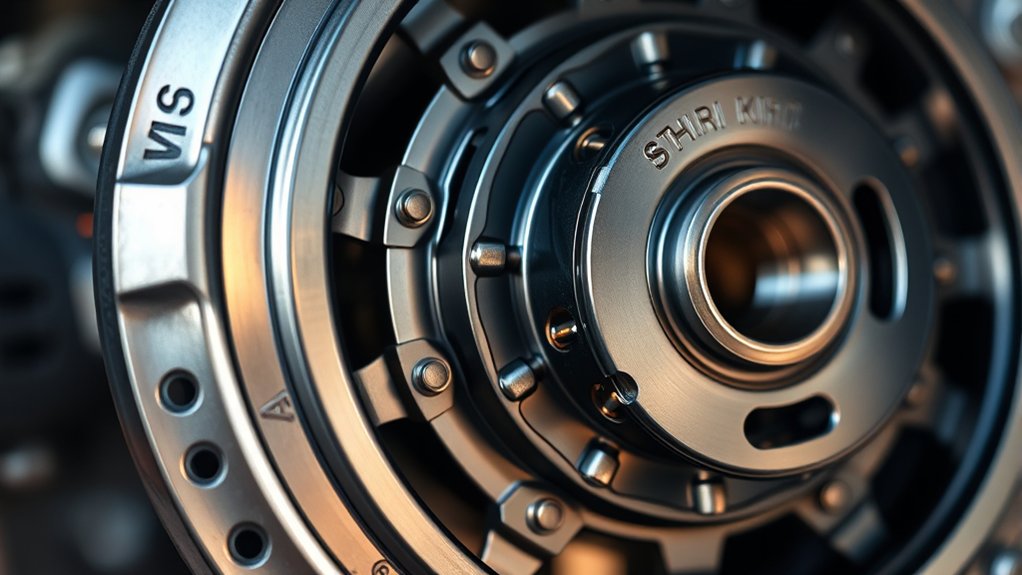
When you press the clutch pedal, you’re controlling how the engine’s power reaches the wheels. The clutch acts as a bridge between the engine and the transmission, allowing you to engage or disengage power flow. When engaged, the clutch plates press tightly together, transmitting the engine’s rotational force smoothly to the transmission.
This power then travels through the drivetrain to spin the wheels and move your car forward. By linking the engine to the wheels, the clutch lets you control acceleration and gear changes without stalling. Without this connection, the engine’s power wouldn’t reach the wheels effectively, making driving impossible.
Fundamentally, the clutch manages power transfer, giving you control over how your car responds to the engine’s output.
What Happens When You Press the Clutch Pedal?
When you press the clutch pedal, you activate a mechanism that separates the engine from the transmission. This action temporarily stops power from flowing to the wheels, allowing you to change gears smoothly.
Understanding this interaction helps you see how the clutch controls your car’s movement.
Clutch Pedal Mechanism
Although pressing the clutch pedal might seem simple, it sets off a precise chain of mechanical actions inside your car. When you step on the clutch pedal, you’re actually engaging a system designed to temporarily disconnect the engine from the wheels. Here’s what happens:
- The pedal pushes a rod or cable linked to the clutch assembly.
- This movement actuates the release fork or lever inside the clutch housing.
- The release bearing presses against the diaphragm spring on the pressure plate.
- This pressure pulls the pressure plate away from the clutch disc, breaking the connection.
This mechanism lets you shift gears smoothly without grinding or damaging parts. Understanding how the clutch pedal works helps you appreciate the finesse behind every gear change you make.
Engine and Transmission Interaction
How does pressing the clutch pedal affect the engine and transmission? When you press the clutch pedal, you disconnect the engine from the transmission. This action disengages the clutch plate, allowing the engine to spin independently while the transmission stops transmitting power to the wheels.
By doing this, you prevent the gears from grinding as you shift. The engine keeps running smoothly, but the transmission’s input shaft stops turning. This separation lets you change gears or bring the car to a stop without stalling.
When you release the pedal, the clutch plate re-engages, linking the engine’s power back to the transmission and wheels. In short, pressing the clutch pedal temporarily breaks the engine-transmission connection, enabling smooth gear changes and control over your vehicle’s movement.
How to Use the Clutch Properly
Why does mastering the clutch matter so much? Because using it correctly keeps your car running smoothly and prevents unnecessary wear. To use the clutch properly, you need to coordinate your foot movements with the gear shift.
Here’s how you can do it right:
- Press the clutch pedal fully before changing gears to disconnect the engine from the transmission.
- Shift gears smoothly without forcing the lever to avoid grinding.
- Release the clutch pedal gradually to engage the engine and transmission gently.
- Avoid riding the clutch—don’t keep your foot resting on the pedal while driving, as it causes premature wear.
Why the Clutch Matters for Smooth Gear Changes
When you use the clutch correctly, it controls the power transfer between the engine and wheels, making gear changes smooth. It also helps prevent gear grinding that can damage your transmission.
Mastering the clutch means you’ll enjoy a more comfortable and controlled driving experience.
Role in Power Transfer
Ever wondered what makes shifting gears feel so seamless in a manual car? The clutch plays a vital role in power transfer between the engine and the wheels, letting you control when and how power flows. When you press the clutch pedal, you temporarily disconnect the engine’s power from the transmission.
This pause allows you to shift gears smoothly without jerking the car.
Here’s why the clutch matters in power transfer:
- It engages and disengages engine power on demand.
- It controls the flow of torque to the transmission.
- It lets you start the car from a stop without stalling.
- It guarantees smooth transitions by matching engine speed to transmission speed.
Without the clutch, you’d struggle to manage power flow and gear changes efficiently.
Preventing Gear Grinding
How do you keep your car’s gears from grinding every time you shift? The clutch plays a vital role here. When you press the clutch pedal, it disconnects the engine from the transmission, allowing you to change gears smoothly without the gears clashing.
If you don’t fully depress the clutch, the gears can clash and produce that harsh grinding noise. This happens because the gears are still partially engaged and fighting against each other. By using the clutch correctly, you guarantee the gears have time to disengage and re-engage properly, preventing damage.
Enhancing Driving Comfort
Because the clutch controls the connection between the engine and transmission, it directly affects how smoothly you can shift gears. When you use the clutch correctly, you’ll enjoy a more comfortable and controlled driving experience.
A well-operated clutch helps you:
- Shift gears seamlessly without jolts or jerks
- Maintain vehicle stability during acceleration and deceleration
- Reduce strain on your transmission and drivetrain components
- Avoid sudden engine stalls that can disrupt your ride
How the Clutch Prevents Transmission Damage
Though you might not notice it while driving, the clutch plays an essential role in protecting your car’s transmission from damage. When you press the clutch pedal, it temporarily disconnects the engine from the transmission, allowing you to change gears smoothly. This disconnection prevents the gears from grinding against each other, which can cause wear and tear or even break them.
Without the clutch, shifting gears would be harsh and could quickly ruin your transmission. It also helps you control the power transfer, so the transmission isn’t overwhelmed by sudden shocks or excessive force. By managing this connection carefully, the clutch guarantees your transmission parts last longer and work efficiently, saving you costly repairs and maintaining your car’s overall performance.
Common Types of Clutches in Manual Cars
When you drive a manual car, you’ll encounter several types of clutches, each designed to suit different driving needs and vehicle specifications. Knowing the common types helps you understand how your car handles power transfer and gear changes.
Here are four popular types:
- Single Plate Clutch: Most common in everyday manual cars, offering simplicity and reliable performance.
- Multi-Plate Clutch: Found in sports cars and motorcycles, it provides greater torque capacity by stacking multiple friction plates.
- Diaphragm Spring Clutch: Uses a diaphragm spring instead of coil springs, making pedal effort lighter and engagement smoother.
- Centrifugal Clutch: Engages automatically with engine speed, often used in go-karts and small vehicles for ease of use.
Each type affects how your car feels and responds when you shift gears.
What a Good Manual Clutch Feels Like When Driving
When you press the clutch pedal, you want it to engage smoothly without any jerks or hesitation. A good manual clutch gives you precise control, letting you modulate power exactly how you need it.
This makes driving feel natural and responsive every time you shift gears.
Smooth Engagement Experience
If you’ve ever driven a manual car with a well-tuned clutch, you know how effortlessly it can engage and disengage. The transition feels seamless, almost like an extension of your foot, making every shift smooth and controlled.
A good clutch lets you:
- Gradually transfer power to the wheels without jerks
- Feel the precise bite point clearly beneath your foot
- Avoid sudden stalls or jolts during takeoff
- Enjoy a quiet, vibration-free connection
This smooth engagement lets you focus on the road and driving experience instead of worrying about clutch timing. It also reduces wear on your transmission, prolonging your vehicle’s life.
When the clutch works smoothly, you get a confident, fluid ride that feels natural from start to finish, enhancing both comfort and control.
Precise Control Response
Although mastering a manual transmission takes practice, a good clutch gives you precise control over power delivery, letting you modulate acceleration and deceleration exactly as you intend. When you press the pedal, you feel a clear, responsive connection between your foot and the engine’s power. This responsiveness allows you to feather the clutch smoothly, preventing jerks or stalls.
You can easily find the bite point, where the clutch starts engaging, giving you confidence in tight maneuvers or stop-and-go traffic. A well-designed clutch responds predictably, so you’re never guessing how much pressure to apply. This precise feedback enhances your driving experience, making shifts feel natural and controlled.
Ultimately, it lets you harness the engine’s full potential with finesse.
Signs Your Clutch Might Be Wearing Out
You’ll notice your clutch is wearing out long before it completely fails. Paying attention to these signs helps you avoid getting stranded or causing more damage. Watch for:
- Slipping gears: The engine revs higher without an increase in speed when you accelerate.
- Difficulty shifting: You struggle to change gears smoothly or feel resistance.
- Spongy or sticking pedal: The clutch pedal feels softer, harder to press, or sticks halfway.
- Unusual noises: Grinding, squeaking, or rattling sounds when you press or release the pedal.
If you experience any of these, it’s time to have your clutch inspected. Addressing wear early keeps your car running smoothly and prevents costly repairs down the road.
Common Clutch Problems and How They Affect Driving
When your clutch starts acting up, it directly impacts how your car drives and feels. If you notice the clutch slipping, your engine revs higher without a matching increase in speed, making acceleration sluggish. A sticking clutch pedal can make gear changes jerky or difficult, causing discomfort and potential transmission damage.
Grinding noises when shifting often signal worn clutch components or misalignment, risking costly repairs. If the clutch pedal feels spongy or loose, it might mean air or fluid issues in the hydraulic system, leading to inconsistent clutch engagement. These problems reduce your control over the car, making driving unsafe and stressful.
Recognizing these issues early helps you adjust your driving and plan repairs before they worsen.
How Clutch Maintenance Can Save You Money
Ignoring early clutch problems can lead to expensive repairs, but regular maintenance helps you avoid those costs. By staying proactive, you extend your clutch’s life and save money in the long run.
Here’s how proper clutch care benefits you:
- Prevents costly replacements by catching wear early
- Improves fuel efficiency through smoother gear shifts
- Reduces risk of breakdowns, saving towing and emergency repair fees
- Maintains vehicle resale value with a well-functioning clutch
Simple checks like monitoring clutch fluid, adjusting linkage, and noticing pedal feel help you spot issues before they escalate. Taking these small steps means you won’t face surprise expenses and keeps your driving experience smooth and affordable.
Regular maintenance is a smart investment in your car’s health and your wallet.
How Driving Style Impacts Clutch Longevity
Because your driving style directly affects how quickly your clutch wears out, adopting good habits can considerably extend its life. For example, avoid riding the clutch—keeping your foot on the pedal unnecessarily causes extra friction and accelerates wear. Make sure to fully engage or disengage the clutch when shifting gears instead of slipping it.
Smooth, deliberate gear changes reduce strain and heat buildup in the clutch components. Also, don’t rest your foot on the clutch pedal while driving, as this can lead to premature wear. When starting on hills, rely on the handbrake rather than slipping the clutch to prevent rollback and unnecessary clutch slipping.
How Understanding the Clutch Improves Driving Skills
Though it might seem complex at first, understanding how your car’s clutch works can greatly boost your driving skills. When you grasp the clutch’s role, you’ll shift gears more smoothly and avoid unnecessary wear.
Understanding your car’s clutch unlocks smoother gear shifts and reduces unnecessary wear.
This knowledge lets you:
- Anticipate when to engage or release the clutch for seamless acceleration
- Prevent stalling by mastering clutch control at low speeds
- Improve fuel efficiency by reducing jerkiness during gear changes
- Extend the clutch’s lifespan through mindful driving habits
Frequently Asked Questions
Can You Drive a Manual Car Without Using the Clutch Pedal?
You generally can’t drive a manual car properly without using the clutch pedal because it helps you change gears smoothly. Some experts can do it without the clutch, but it risks damaging the transmission and isn’t recommended.
How Does a Clutch Differ in Electric Vehicles?
Imagine shifting gears in a silent dance; in electric vehicles, you don’t need a clutch because their motors provide instant torque and smooth acceleration, so you drive without that pedal, enjoying seamless power delivery every time.
What Tools Are Needed to Replace a Car Clutch?
You’ll need a jack, jack stands, socket set, wrench set, clutch alignment tool, screwdrivers, and possibly a torque wrench.
Don’t forget safety gloves and eye protection to replace your car clutch safely and efficiently.
Are There Automatic Clutches in Manual Transmission Cars?
Imagine you’re stuck in traffic, and your car smoothly shifts without you pressing a pedal—that’s an automatic clutch in a manual transmission.
Yes, some cars like the Volkswagen DSG use automated clutches to ease your driving experience.
How Do Racing Clutches Differ From Standard Clutches?
Racing clutches handle higher torque and heat, giving you quicker engagement and better durability. They’re stiffer and more aggressive than standard clutches, so you’ll experience faster shifts but less smoothness during everyday driving.
Conclusion
Now that you know the clutch connects your engine to the wheels, you’re better equipped to drive smoothly and avoid costly repairs. Treat your clutch like a trusty steed—gentle and deliberate—and you’ll enjoy longer-lasting performance.
By mastering clutch use, you’re not just shifting gears; you’re embracing a timeless skill that makes every drive feel like a classic adventure. Keep practicing, and your car will thank you with miles of smooth, confident rides.
Understanding the purpose of the clutch and how to use it properly is key to maintaining your vehicle’s health. Proper clutch use ensures efficient power transfer and prevents premature wear. Embrace this essential driving technique for a safer and more enjoyable journey.

