

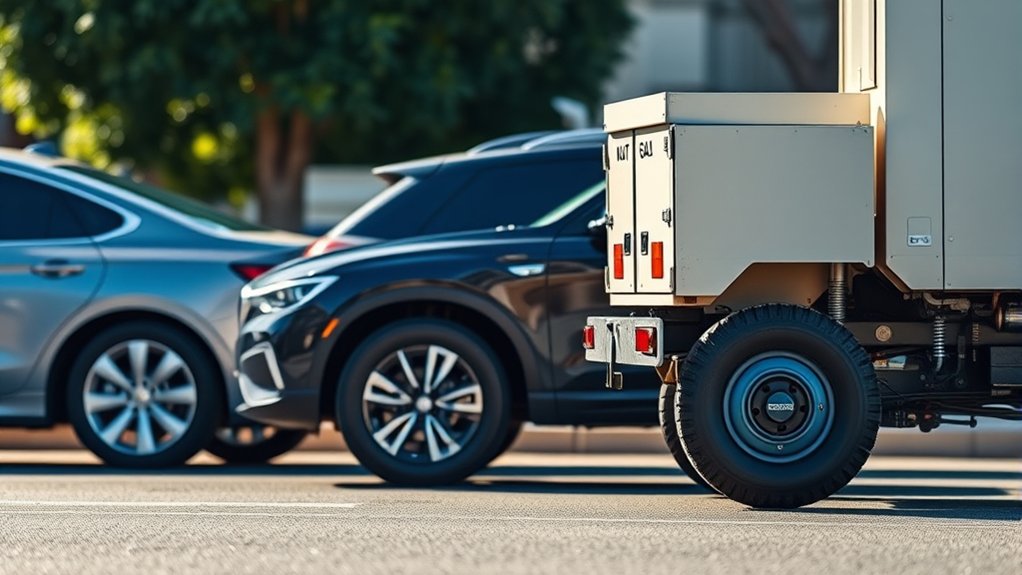
You can spot a 2 axle vehicle by finding its two sets of wheels—one in front and one at the rear—supporting lighter loads than bigger multi-axle trucks. These vehicles are common as cars, pickup trucks, and delivery vans, designed for simpler handling and easier parking.
Understanding 2 axle vehicles is key to recognizing their role in transportation and how axle count affects vehicle performance.
Their smaller size influences how they drive and comply with road laws. These vehicles are built for everyday use, making them more maneuverable in urban settings.
Keep exploring to understand how axle count influences safety, load capacity, and legal rules.
Key Takeaways
- A 2 axle vehicle has two axles, one at the front and one at the rear, each supporting two wheels.
- These vehicles are typically smaller, lighter, and common in passenger cars, pickup trucks, and delivery vans.
- Identify 2 axle vehicles by counting wheel pairs connected by shafts, usually one set at the front and one at the rear.
- They lack the extra clustered wheels found on larger multi-axle trucks, making them easier to recognize.
- 2 axle vehicles handle lighter loads and offer simpler handling and parking compared to multi-axle vehicles.
What Defines a 2 Axle Vehicle
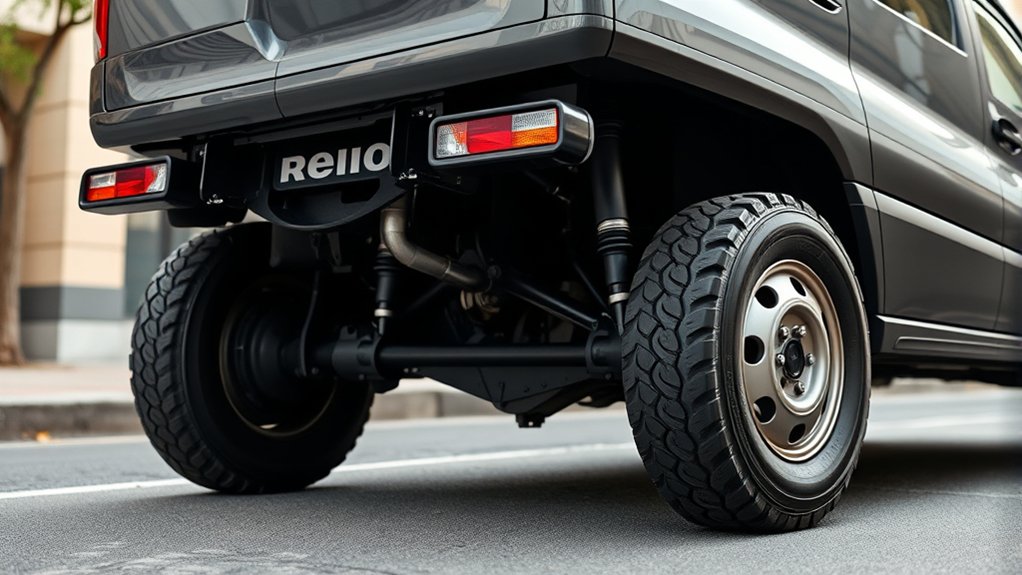
Although you might not think about it often, a 2 axle vehicle is simply any vehicle with two axles supporting its weight. When you look at a 2 axle vehicle, you’ll see one axle at the front and one at the rear. These axles connect the wheels and bear the vehicle’s weight.
Most passenger cars, motorcycles with sidecars, and many light trucks fall into this category. You’ll notice that the number of axles directly impacts how the vehicle handles loads and distributes weight. Understanding what defines a 2 axle vehicle helps you recognize its basic structure and function,
especially when you compare it to other types of vehicles. So, anytime you spot a vehicle with just two axles, you’re looking at a 2 axle vehicle.
How 2 Axle Vehicles Differ From Multi-Axle Ones
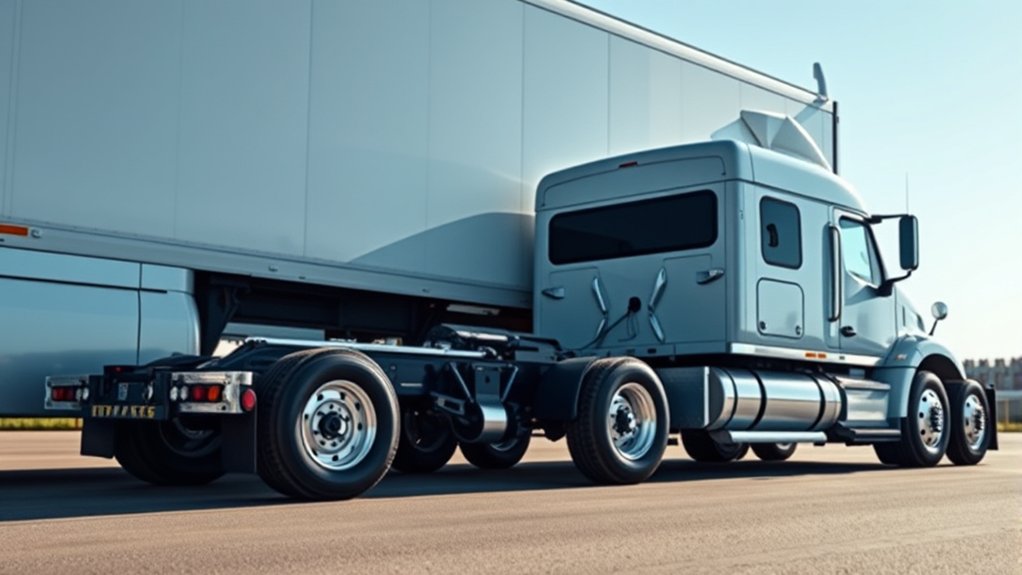
You’ll notice that 2 axle vehicles have fewer axles compared to multi-axle ones, which directly impacts their load capacity. Understanding this difference helps you choose the right vehicle for your needs.
Let’s look at how axle count affects what these vehicles can carry.
Axle Count Comparison
When comparing 2 axle vehicles to those with multiple axles, you’ll notice key differences in weight capacity, maneuverability, and complexity. Two axle vehicles usually have a simpler design, making them easier to handle and park, especially in tight spaces.
Multi-axle vehicles, on the other hand, have extra axles that distribute weight more evenly, which affects how they drive and how much space they require on the road. You’ll find that vehicles with more axles often have a longer wheelbase, which can reduce their turning ability compared to 2 axle vehicles.
Additionally, the maintenance and inspection processes become more involved as the axle count increases, adding complexity. Understanding these distinctions will help you better identify and choose the right vehicle for your needs.
Load Capacity Differences
How much weight can a 2 axle vehicle carry compared to those with multiple axles? Generally, 2 axle vehicles handle lighter loads, making them ideal for everyday use and city driving.
Multi-axle vehicles, on the other hand, distribute weight across more axles, allowing them to carry heavier loads safely. This difference impacts your choice depending on your hauling needs.
| Vehicle Type | Typical Load Capacity | Best Use Case |
|---|---|---|
| 2 Axle Vehicle | 6,000 – 12,000 lbs | Light cargo, personal |
| 3 Axle Vehicle | 12,000 – 25,000 lbs | Medium cargo, delivery |
| 4+ Axle Vehicle | 25,000+ lbs | Heavy cargo, industrial |
Knowing these limits helps you pick the right vehicle for your load.
Common 2 Axle Vehicle Types to Know
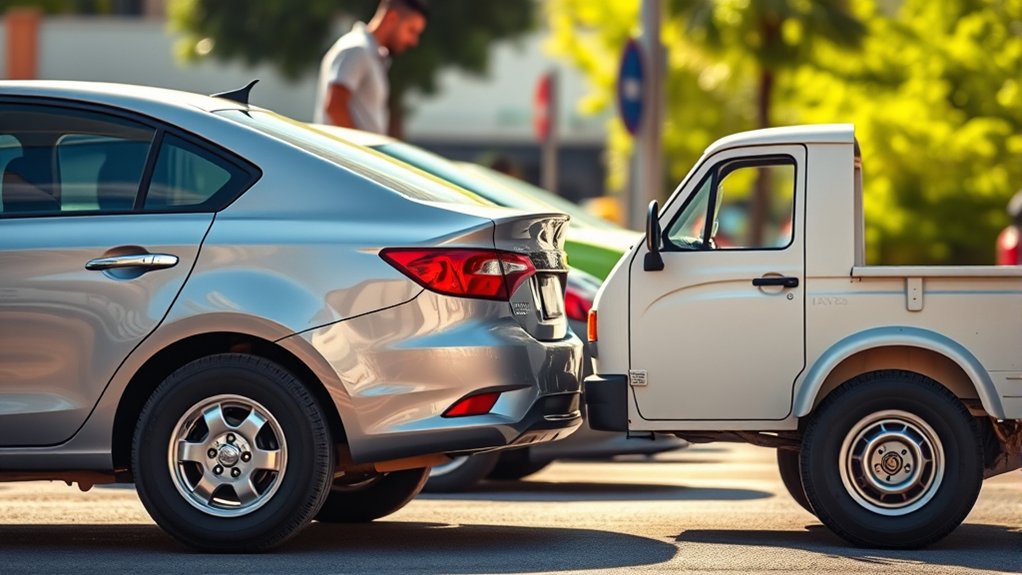
You’ll find that most passenger cars fit neatly into the 2 axle category, making them easy to spot. Light trucks come in various styles but often share this common axle setup.
Even many commercial vehicles use two axles, balancing functionality and efficiency.
Passenger Cars Overview
What makes passenger cars a typical example of 2 axle vehicles? It’s their simple yet effective design: one axle in the front for steering and one in the rear for power. You’ll find most everyday cars, like sedans and coupes, fit this configuration, making them easy to identify on the road.
Here’s a quick look at common passenger car types:
| Car Type | Description |
|---|---|
| Sedan | Four doors, comfortable for family |
| Coupe | Sportier, usually two doors |
| Hatchback | Rear door opens upward for cargo |
Understanding these helps you recognize 2 axle vehicles quickly and know what to expect in terms of handling and size.
Light Truck Variations
Why do light trucks often come with two axles? It’s because two axles provide the right balance of strength and maneuverability for their typical loads. When you spot a light truck, like a pickup or a small cargo truck, it usually has one axle in front and one in the back.
This setup supports moderate weight while allowing you to drive easily on different terrains. Variations include extended cab pickups, chassis cabs, and utility trucks, all designed to carry people or cargo efficiently without needing extra axles. If you want to identify a light truck quickly, look for features like a truck bed, a sturdier frame than cars, and two distinct axles.
This helps you distinguish them from heavier vehicles with more axles.
Common Commercial Vehicles
Light trucks are just one example of two-axle vehicles you’ll encounter on the road. Common commercial two-axle vehicles also include delivery vans, box trucks, and flatbed trucks. These vehicles are designed to carry goods efficiently while remaining maneuverable in urban and suburban settings.
Delivery vans, for instance, are perfect for transporting packages and smaller loads, while box trucks offer enclosed cargo space for more protection. Flatbed trucks carry bulky or oversized items that don’t fit inside a typical cargo area. You’ll often spot these vehicles in construction zones, delivery routes, and service industries.
Recognizing these common commercial two-axle vehicles helps you understand their purpose and anticipate their driving behavior, improving your overall road awareness and safety.
How to Count Axles on a 2 Axle Vehicle
Counting axles on a 2 axle vehicle is simpler than you might think. Start by locating the wheels on each side of the vehicle. An axle is a rod or shaft connecting two wheels, so focus on the pairs of wheels that are directly connected.
Typically, a 2 axle vehicle will have one set of wheels at the front and one at the rear. Look under the vehicle to spot these connections clearly. Remember, each axle supports two wheels, one on each side.
If you see just two distinct sets of wheels connected by axles — one at the front and one at the back — you’ve identified a 2 axle vehicle. Counting this way helps you quickly and accurately recognize the axle configuration.
Why Axle Count Affects Driving and Safety
Because the number of axles directly influences a vehicle’s weight distribution and handling, it plays a crucial role in driving performance and safety. When you drive a 2 axle vehicle, understanding how axle count affects these factors helps you stay in control and avoid accidents.
Here’s why axle count matters:
- Weight Distribution – Two axles spread the vehicle’s weight for stability.
- Handling – Fewer axles mean less drivetrain complexity, impacting maneuverability.
- Braking – Axle count affects braking efficiency and stopping distance.
- Road Impact – Vehicles with more axles exert different pressures on the road, influencing wear and traction.
Knowing these points ensures you drive safely and accommodate your vehicle’s capabilities on various roads and conditions.
What You Need to Know About Laws for 2 Axle Vehicles
How do laws affect your driving when you operate a 2 axle vehicle? You must follow specific regulations regarding licensing, weight limits, and road restrictions to stay safe and legal. Knowing these rules helps you avoid fines and ensures your vehicle handles properly under different conditions.
| Law Aspect | Requirement | Why It Matters |
|---|---|---|
| Licensing | Standard driver’s license | No special permit needed |
| Weight Limits | Varies by state | Prevents road damage |
| Speed Restrictions | Follow posted limits | Ensures control and safety |
| Parking Rules | Specific zones may apply | Avoids fines and towing |
| Road Restrictions | Some roads limit 2 axle use | Protects infrastructure |
Stay informed to keep your journeys smooth and trouble-free.
How Size and Weight Impact 2 Axle Vehicles
Why does the size and weight of your 2 axle vehicle matter? Because they directly affect handling, safety, and legal requirements. Larger, heavier vehicles require more careful control and can face stricter regulations.
Here’s how size and weight impact your 2 axle vehicle:
- Maneuverability: Bigger vehicles are harder to steer, especially in tight spaces.
- Braking Distance: Heavier loads increase stopping distance, so you need to brake earlier.
- Fuel Efficiency: More weight means your vehicle uses more fuel.
- Road Restrictions: Weight limits may restrict where you can drive or park your vehicle.
Understanding these factors helps you operate your 2 axle vehicle safely and comply with laws.
Tips to Spot 2 Axle Vehicles on the Road
Where can you quickly identify a 2 axle vehicle while driving? Look at the wheels closest to the front and rear. A 2 axle vehicle has one set of wheels on the front axle and one on the rear, meaning just two wheel groups on each side.
You won’t see extra wheels clustered together like on bigger trucks. Also, check the vehicle’s length and weight—2 axle vehicles tend to be smaller and lighter. Spotting passenger cars, standard pickup trucks, and many delivery vans is easy since they usually have two axles.
When you see a vehicle with just two wheel groups supporting it, you know it’s a 2 axle vehicle. Remember these tips to quickly identify them and better understand road traffic.
Frequently Asked Questions
Can 2 Axle Vehicles Be Modified to Add More Axles?
Yes, you can modify 2 axle vehicles to add more axles, but it requires professional engineering and legal approval to guarantee safety and compliance.
Always check local regulations before making such modifications to avoid issues.
How Does Axle Count Affect Fuel Efficiency in Vehicles?
You’ll find that more axles usually decrease fuel efficiency because they add weight and rolling resistance. Fewer axles mean less drag, so your vehicle uses less fuel, improving overall efficiency during your drives.
What Maintenance Is Unique to 2 Axle Vehicles?
You’ll need to focus on maintaining proper alignment and balancing both axles to prevent uneven tire wear. Regularly check suspension components, wheel bearings, and brakes unique to these vehicles to guarantee smooth, safe operation and extend their lifespan.
Pay close attention to the specific brake systems designed for 2 axle vehicles, as they may differ from those on multi-axle models. Ensuring the wheel bearings are well-lubricated and free of damage is crucial for avoiding premature wear.
Suspension parts should be inspected frequently to maintain ride quality and handling performance. Proper maintenance of these components helps in identifying issues early, reducing costly repairs later.
Are 2 Axle Vehicles More Environmentally Friendly Than Multi-Axle Ones?
You’ll find 2 axle vehicles generally emit about 15% less CO2 than multi-axle ones. So yes, they’re often more environmentally friendly because they weigh less and use less fuel during operation.
Do Insurance Rates Differ for 2 Axle Versus Multi-Axle Vehicles?
Yes, you’ll usually find insurance rates lower for 2 axle vehicles since they’re simpler and often less costly to repair.
Multi-axle vehicles can cost more due to increased risk and higher repair expenses.
Conclusion
Now that you know how to spot and understand 2 axle vehicles, you’re better equipped to navigate the roads safely. Remember, counting axles isn’t just a quick glance—it’s your key to recognizing vehicle type, weight, and legal limits.
Like a puzzle piece that completes the picture, understanding axles helps you drive smarter and safer.
So next time you see a vehicle, ask yourself: how many axles does it have? Your safety depends on it. Identifying 2 axle vehicles is essential for safe driving and compliance with road regulations.

