

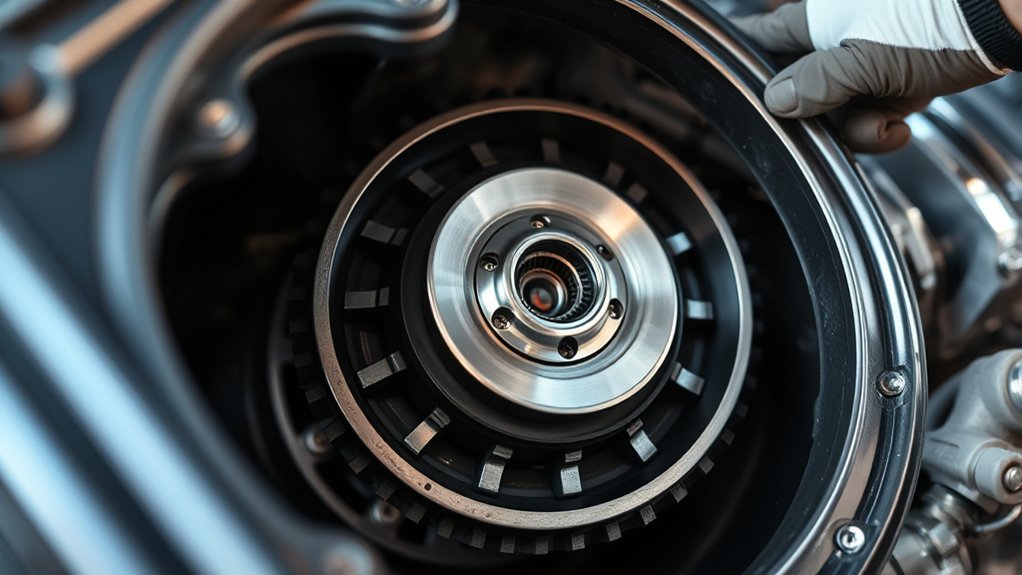
A torque converter clutch (TCC) is an essential component that locks your engine to the transmission during steady driving. This process reduces slippage, improves fuel efficiency, and enhances overall vehicle performance. Understanding how a torque converter clutch works can help you maintain your vehicle better.
The TCC usually engages at cruising speeds and disengages during acceleration or stopping. This ensures smooth gear shifts and protects the transmission from unnecessary wear.
To use the torque converter clutch effectively, avoid rapid acceleration and maintain steady speeds.
Additionally, keeping your transmission fluid fresh is crucial for the TCC’s optimal function. Proper care of the torque converter clutch helps your vehicle run smoother and last longer.
Keep reading to learn how it impacts performance and maintenance.
Key Takeaways
- The torque converter clutch (TCC) locks the torque converter to create a direct mechanical connection between engine and transmission, improving efficiency. It engages during steady cruising and higher gears, disengaging during acceleration or stops for smooth power transfer.
- Proper TCC use involves maintaining steady speeds, avoiding abrupt stops, and minimizing excessive idling to enhance clutch engagement. Signs of TCC issues include slipping, shuddering, overheating, unusual noises, and rough gear engagement, indicating the need for inspection.
- Regular maintenance includes checking and replacing transmission fluid with manufacturer-recommended types to ensure optimal TCC performance and longevity.
What a Torque Converter Clutch Is and Why It Matters
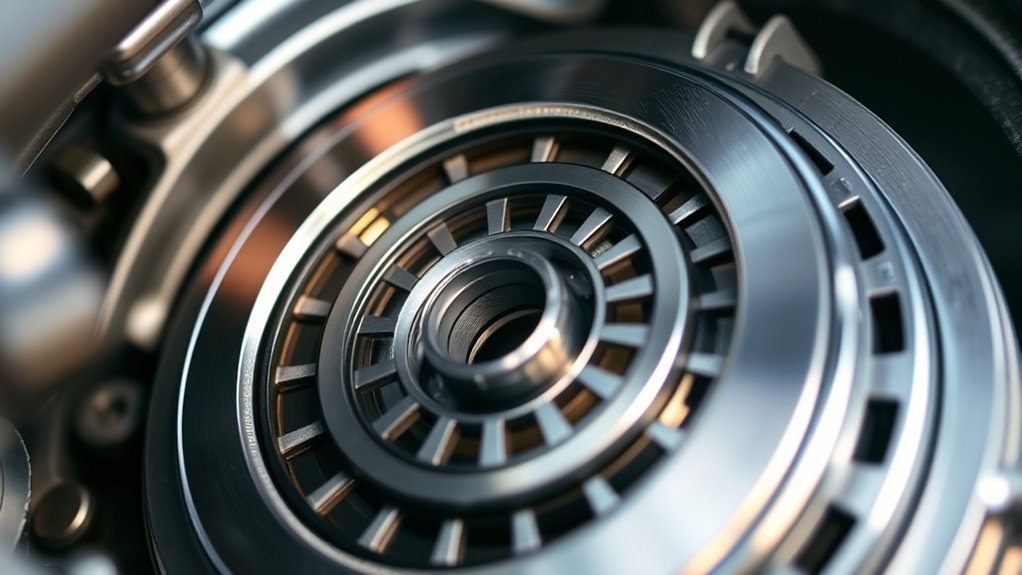
Although you might not see it, the torque converter clutch plays a crucial role in your vehicle’s transmission system by improving efficiency and performance. It’s a component inside the torque converter that helps connect the engine to the transmission more directly. Without it, your engine and transmission would always be loosely connected, causing energy loss and reducing fuel economy.
How the Torque Converter Clutch Works
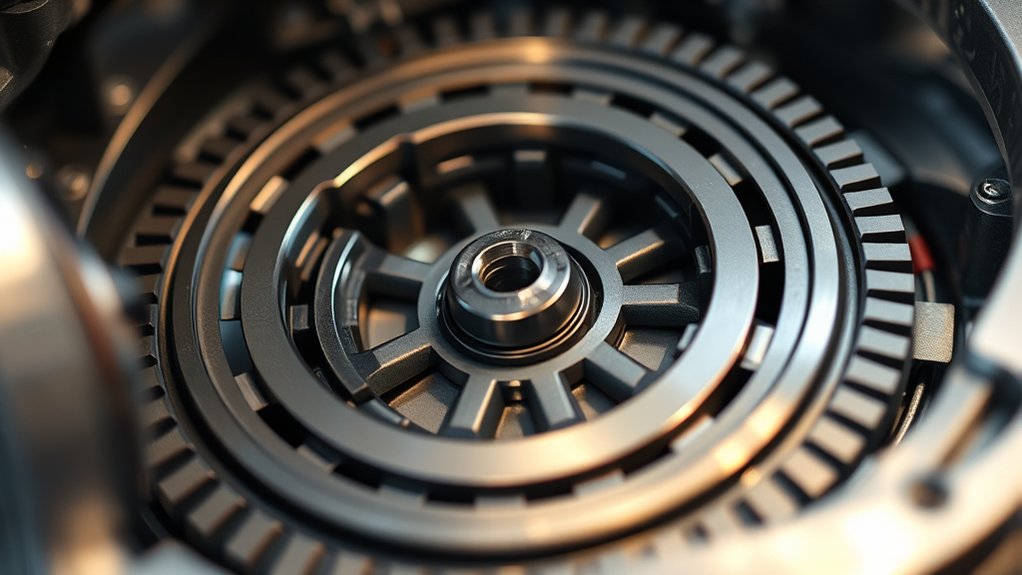
Now that you know why the torque converter clutch matters, let’s look at how it actually works. The clutch bridges the gap between your engine and transmission, improving efficiency and control. Here’s what happens:
- The torque converter transmits power fluidly, using transmission fluid to connect engine and transmission.
- When conditions are right, the clutch locks the torque converter’s input and output, creating a direct mechanical connection.
- This lockup eliminates slippage, so your engine’s power transfers smoothly and efficiently to the wheels.
- When the clutch disengages, fluid coupling resumes, allowing for smoother starts and shifts.
When Does the Torque Converter Clutch Engage and Disengage?
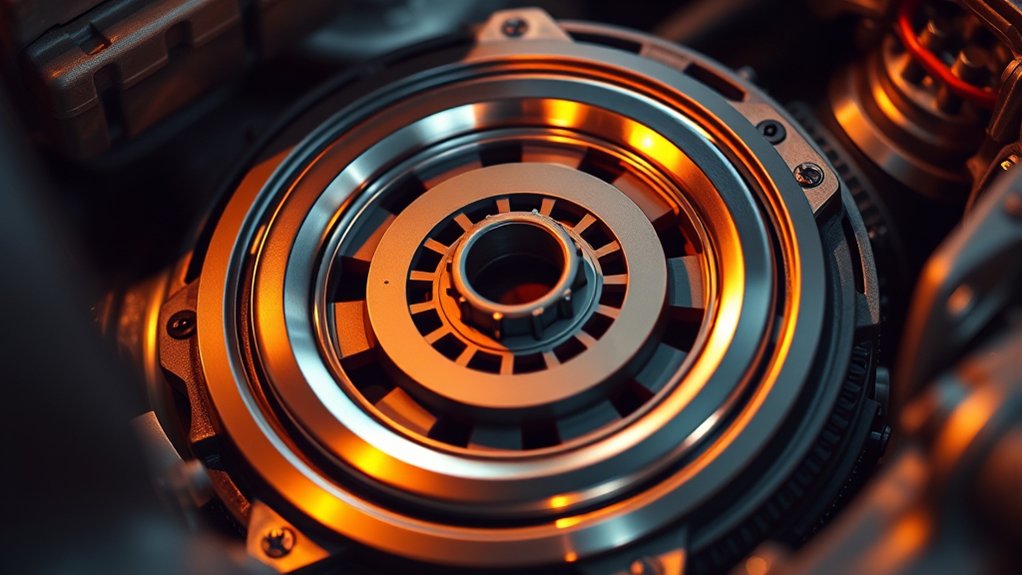
Understanding when the torque converter clutch engages and disengages is key to recognizing how your vehicle balances efficiency and smooth performance. The clutch typically engages once your car reaches a steady speed and the transmission is in a higher gear. This locks the engine to the transmission, reducing slippage and improving fuel economy.
It disengages when you slow down, stop, or accelerate quickly, allowing for smooth power transfer without harsh jolts.
| Condition | Clutch Status |
|---|---|
| Steady cruising speed | Engaged |
| Deceleration or stop | Disengaged |
| Rapid acceleration | Disengaged |
Benefits of the Torque Converter Clutch
Because the torque converter clutch locks the engine to the transmission during steady driving, it helps you save fuel by reducing energy loss. This clutch improves your vehicle’s efficiency and performance in several ways:
The torque converter clutch locks engine and transmission, boosting fuel efficiency and enhancing overall vehicle performance.
- Enhances Fuel Economy – By minimizing slippage, it lowers fuel consumption during highway driving.
- Reduces Heat Build-Up – Less slippage means less heat generation, protecting your transmission from wear.
- Improves Power Transfer – It creates a direct connection, giving you smoother acceleration and better control.
- Decreases Transmission Wear – Locking the components together reduces friction, extending your transmission’s lifespan.
Understanding these benefits helps you appreciate why this feature plays a *vital* role in your vehicle’s overall performance and reliability.
Driving Tips to Improve Torque Converter Clutch Efficiency
Although the torque converter clutch operates automatically, you can adopt specific driving habits to maximize its efficiency. First, avoid rapid acceleration and sudden stops, as smooth driving helps the clutch engage properly. Maintain steady speeds on highways to keep the clutch locked, reducing slippage and improving fuel economy.
When stopping, try to coast to a halt rather than abruptly braking, which helps the clutch disengage smoothly. Also, avoid excessive idling since it wastes fuel and causes unnecessary wear. Regularly check your transmission fluid and keep it at the recommended level and condition to guarantee the clutch functions at its best.
Common Torque Converter Clutch Problems and Symptoms
You might notice slipping or shuddering when your torque converter clutch isn’t working right. Overheating and unusual noises are other common signs that something’s off.
Paying attention to these symptoms can help you catch issues early.
Slipping And Shuddering
When your torque converter clutch slips or shudders, you’ll likely notice a jerking sensation or a delay in acceleration. This usually means the clutch isn’t engaging smoothly, causing uneven power delivery. You might feel vibrations or hear subtle noises during gear shifts.
Ignoring these signs can lead to further damage.
Here are common causes of slipping and shuddering:
- Worn clutch plates reducing grip and causing slippage
- Contaminated transmission fluid impacting clutch engagement
- Faulty or weak torque converter clutch solenoid
- Internal transmission issues affecting hydraulic pressure
If you experience these symptoms, it’s best to have your vehicle checked promptly to avoid costly repairs and maintain smooth driving performance.
Overheating And Noise
Slipping and shuddering often signal deeper issues that can lead to overheating and unusual noises from your torque converter clutch. When your clutch overheats, it reduces its ability to engage properly, causing your transmission fluid to break down faster. This can result in a burnt smell and decreased performance.
You might also hear whining, grinding, or rattling sounds, especially during acceleration or when shifting gears. These noises indicate worn or damaged clutch components that need immediate attention. Ignoring overheating and noise issues can cause severe transmission damage, leading to costly repairs.
To prevent this, keep an eye on your transmission fluid levels and quality, and address any symptoms promptly. Proper maintenance assures your torque converter clutch runs smoothly and extends the life of your vehicle’s transmission.
How to Tell If Your Torque Converter Clutch Is Working?
Although the torque converter clutch operates silently, you can often tell if it’s working properly by paying attention to specific driving behaviors. If you notice any irregularities, it might indicate a problem.
The torque converter clutch works quietly, but changes in driving feel can reveal potential issues.
Here’s how to tell if your torque converter clutch is functioning:
- Smooth Acceleration: Your vehicle should accelerate smoothly without jerks or shudders.
- Stable RPM: When cruising, the engine RPM should drop and stay steady, indicating the clutch has engaged.
- Improved Fuel Efficiency: A working clutch improves gas mileage by reducing slippage.
- No Overheating: The transmission shouldn’t get excessively hot during normal driving.
If you experience rough shifts, high RPM at cruising speed, or overheating, your torque converter clutch might need attention.
Maintenance Tips for Your Torque Converter Clutch
To keep your torque converter clutch running smoothly, regularly check the transmission fluid level and condition. You should also inspect the clutch for signs of wear and replace the fluid on schedule.
These simple steps help prevent costly repairs and maintain peak performance.
Regular Fluid Checks
How often do you check your transmission fluid? Regular fluid checks are essential for keeping your torque converter clutch working smoothly. Low or dirty fluid can cause slipping or overheating, reducing performance and lifespan.
Make it a habit to:
- Check fluid levels monthly with the engine warm and running.
- Inspect the fluid color; it should be bright red, not brown or burnt.
- Smell the fluid—burnt odor indicates contamination or breakdown.
- Replace the fluid and filter according to your vehicle’s maintenance schedule or sooner if it looks or smells off.
Inspect Clutch Wear
Since your torque converter clutch plays an essential role in your transmission’s efficiency, you need to inspect it regularly for signs of wear. Start by listening for unusual noises like slipping or shuddering when accelerating, as these can indicate clutch surface damage. You should also pay attention to any hesitation or rough engagement when shifting gears, which may signal worn clutch components.
If you notice these symptoms, it’s a good idea to have a professional check the clutch plates and friction material for thinning or heat damage. Catching wear early helps prevent further transmission issues and costly repairs. Regular inspections keep your torque converter clutch operating smoothly, ensuring ideal fuel efficiency and vehicle performance.
Don’t ignore warning signs—timely checks protect your transmission’s health.
Timely Fluid Replacement
Regularly checking your torque converter clutch for wear sets the stage for maintaining its overall health, and one of the most important maintenance steps you can take is replacing the transmission fluid on schedule. Fresh fluid ensures smooth clutch engagement and prevents overheating, which can cause premature wear or failure.
To keep your torque converter clutch in top shape, follow these key steps:
- Check your vehicle’s manual for the recommended fluid change interval.
- Use the correct type of transmission fluid specified by the manufacturer.
- Replace the fluid completely, not just topping it off, to remove old contaminants.
- Inspect the fluid’s color and smell during changes—dark or burnt-smelling fluid signals trouble.
Sticking to timely fluid replacement helps your clutch perform efficiently and extends its lifespan.
How the Torque Converter Clutch Impacts Fuel Economy and Engine Wear
Although it might seem like a small component, the torque converter clutch (TCC) plays a big role in improving your vehicle’s fuel economy and reducing engine wear. By locking the torque converter, the TCC prevents slippage between the engine and transmission, allowing power to transfer more efficiently. This means your engine doesn’t have to work as hard, which saves fuel and lowers wear on engine components.
| Impact Area | How TCC Helps |
|---|---|
| Fuel Economy | Reduces slippage, improves MPG |
| Engine Wear | Lowers heat and friction |
| Transmission Load | Balances load for smoother shifts |
| Idle Efficiency | Minimizes unnecessary power loss |
| Overall Performance | Enhances drivability and response |
Using the TCC wisely ensures your vehicle runs smoother and lasts longer.
Frequently Asked Questions
Can a Faulty Torque Converter Clutch Cause Transmission Fluid Leaks?
Yes, a faulty torque converter clutch can cause transmission fluid leaks by damaging seals or the torque converter itself.
You should inspect it promptly to avoid further damage and maintain proper transmission fluid levels.
Is It Safe to Drive With a Slipping Torque Converter Clutch?
It’s not safe to drive with a slipping torque converter clutch because it causes overheating and transmission damage. You should get it checked and repaired promptly to avoid costly repairs and guarantee your vehicle runs smoothly.
Ignoring the issue can lead to more severe transmission problems over time. Early intervention helps maintain your vehicle’s performance and reliability.
Addressing the problem quickly ensures your safety on the road and prevents further mechanical failures.
How Much Does It Cost to Replace a Torque Converter Clutch?
Replacing a torque converter clutch can cost you between $500 and $1,000, symbolizing the heart’s rhythm restored. You’ll want to act quickly—delaying might turn a small rhythm issue into a full engine blackout.
Can Aftermarket Parts Improve Torque Converter Clutch Performance?
Yes, aftermarket parts can improve your torque converter clutch performance if you choose high-quality components designed for your vehicle.
Just make certain they’re compatible and professionally installed to avoid issues and guarantee smoother operation.
Does a Torque Converter Clutch Affect Towing Capacity?
Like a knight’s shield, the torque converter clutch boosts your towing capacity by improving power transfer and reducing slippage. You’ll tow heavier loads more efficiently, keeping your vehicle cooler and extending transmission life on tough hauls.
Conclusion
Think of the torque converter clutch as the silent partner in your drive, seamlessly weaving power and efficiency together. When you understand its dance—engaging and disengaging just right—you’ll glide smoother, save fuel, and ease engine wear.
Treat it well with proper maintenance and mindful driving, and it’ll repay you with performance that feels like a well-tuned symphony on the road. Keep this clutch in harmony, and your ride will sing with lasting precision.
Remember, a well-maintained torque converter clutch not only enhances fuel efficiency but also extends engine life and improves overall driving comfort.

