


A car horn usually looks like a compact, circular or oval device, often with a metal or plastic casing in black or silver. Car horn design is intended to be both functional and durable, fitting seamlessly into the vehicle’s front end.
You’ll typically find it tucked behind the front grille or near the radiator, where it can withstand heat and road conditions.
The horn may have a grille-like front to help project sound clearly, ensuring it is loud and attention-grabbing when needed. Its secure placement helps protect it from damage while allowing it to emit a strong, clear signal.
If you want to understand how a car horn works and how to keep it in good shape, there’s more to explore beyond its appearance and location.
Key Takeaways
- Car horns are typically circular or oval, resembling small speakers or snail shells with grille-like fronts.
- They have metal or plastic casings, usually in black or silver, designed for durability.
- Horns are compact to fit easily within the vehicle’s engine bay or behind the front grille.
- Most horns focus on functional design rather than style, emphasizing sound projection performance.
- Their construction allows them to withstand temperature changes, vibrations, and road debris for long-term use.
What Is a Car Horn and Why It Matters
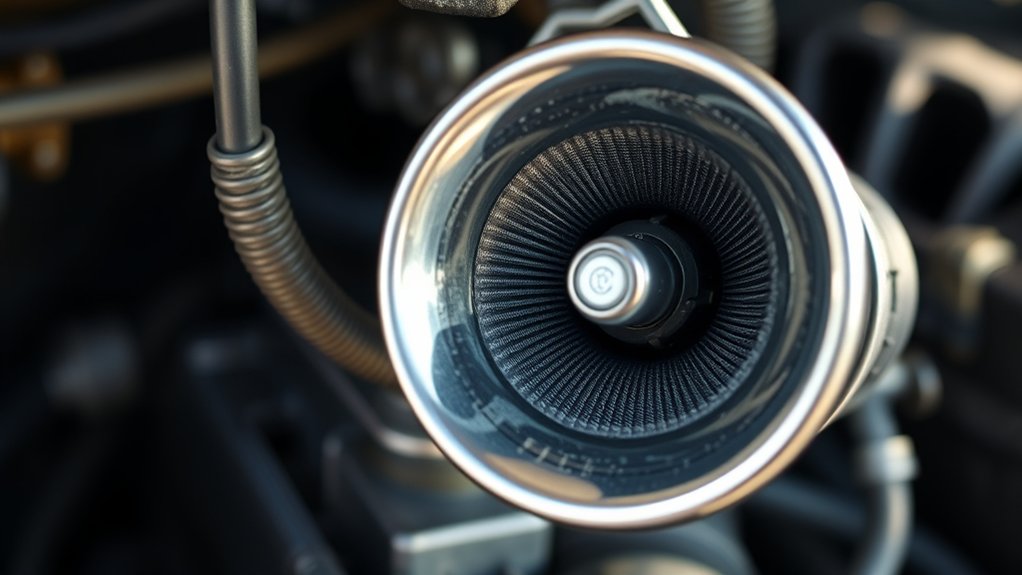
Although it might seem like a simple device, a car horn plays a vital role in your safety on the road. You use it to alert other drivers, pedestrians, or cyclists about your presence, especially in situations where visibility is limited or immediate attention is needed. It helps prevent accidents by warning others of potential dangers or signaling your intentions.
When you hear a horn, it grabs your attention and prompts you to react quickly, which can make all the difference in avoiding collisions. Understanding the importance of your car horn encourages you to use it responsibly—not excessively—but effectively whenever safety demands it. This simple tool ensures smoother communication and safer interactions while you’re steering traffic every day.
Car Horn Appearance and Common Shapes
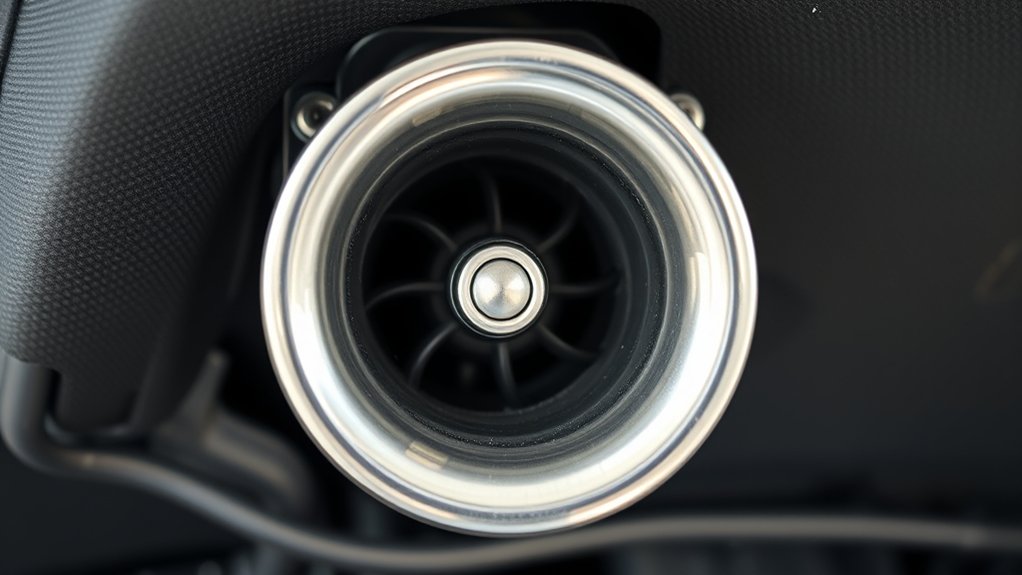
Your car horn is more than just a sound—it also has a distinct look that varies depending on the design and manufacturer. Most car horns have a circular or oval shape, often resembling a small speaker or snail shell. You’ll notice that many horns feature a metal or plastic casing, usually black or silver, designed to protect the internal components.
Some horns have a grille-like front to help project sound. While the shape might differ, they typically share a compact size to fit within the vehicle’s engine bay. Whether it’s a single trumpet-style horn or a pair working together, the appearance is functional yet straightforward, reflecting its role in safety rather than style.
You’ll rarely see a horn that’s flashy—it’s all about performance.
Where Car Horns Are Located on Vehicles
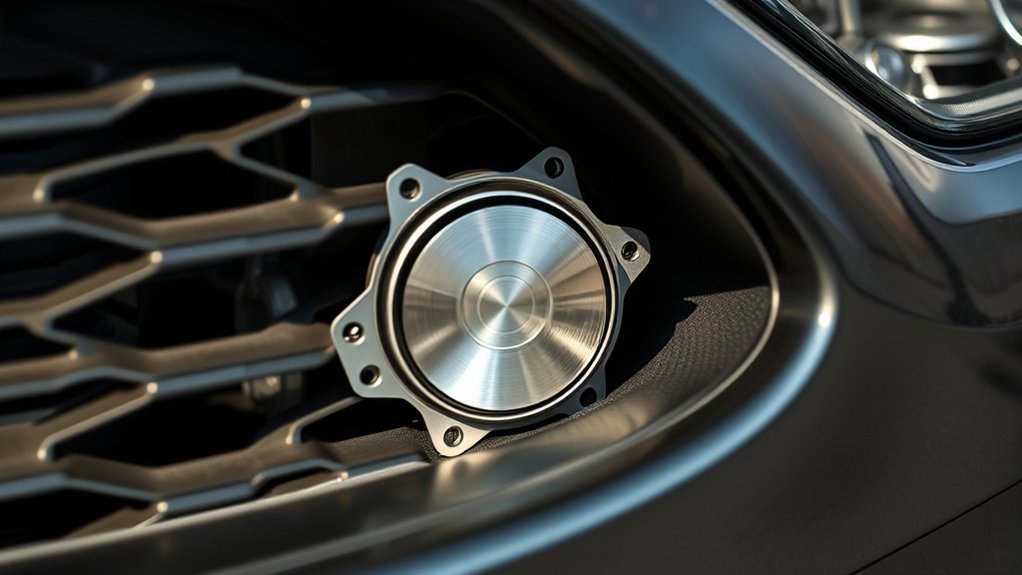
Because car horns need to be both protected and easily heard, manufacturers usually place them behind the front grille or near the radiator. You’ll often find them in these strategic spots to balance sound projection and durability. Sometimes, horns sit near the engine bay or under the front bumper, areas that keep them safe from damage while allowing their sound to carry effectively.
Here’s a quick look at common horn locations:
| Location | Protection Level | Sound Projection |
|---|---|---|
| Behind Front Grille | High | Excellent |
| Near Radiator | Moderate | Good |
| Under Front Bumper | Moderate | Good |
| Engine Bay | Low | Fair |
Knowing where horns are placed helps you understand their design and function better.
How Car Horns Produce Their Sound
You might be curious about how car horns actually create their sound. Electric horns work by using an electromagnet to vibrate a diaphragm, while air horns rely on compressed air to produce a loud blast.
Let’s explore how each of these mechanisms makes noise you can hear on the road.
Electric Horn Mechanism
Although it might seem simple, the electric horn mechanism inside your car involves a clever interaction of electrical and mechanical parts that work together to produce sound. When you press the horn button, an electric current flows through a coil, creating a magnetic field. This magnetic field pulls a metal diaphragm, which then snaps back rapidly, vibrating and producing the audible horn sound you hear.
Here’s a quick breakdown:
| Component | Function | Result |
|---|---|---|
| Coil | Creates magnetic field | Attracts diaphragm |
| Metal diaphragm | Vibrates with force | Produces sound waves |
| Electrical circuit | Powers coil | Enables sound production |
This mechanism guarantees your horn is loud and instantly responsive.
Air Horn Sound Production
When air horns activate, they use compressed air rather than electricity to create their distinctive sound. You’ll find a powerful air compressor or tank that pushes air through a narrow opening called a nozzle. This rapid airflow causes a metal diaphragm inside the horn to vibrate intensely.
The diaphragm’s vibrations generate sound waves, which get amplified by the horn’s large, bell-shaped opening. As the air pressure forces the diaphragm to move back and forth quickly, it produces a loud, resonant blast that catches attention immediately. You’ll notice air horns often deliver a deeper, more commanding tone compared to electric horns,
making them common on trucks and emergency vehicles. So, the key lies in air pressure driving diaphragm vibrations to produce that unmistakable honk.
Single-Tone vs. Dual-Tone Car Horns
When choosing between single-tone and dual-tone car horns, you’ll notice clear differences in sound and volume. You’ll also want to take into account how easy each type is to install and whether it fits your vehicle’s system.
Plus, cost and durability can vary, so weighing these factors will help you pick the right horn for your needs.
Sound Differences Explained
How exactly do single-tone and dual-tone car horns differ in sound? When you use a single-tone horn, you get one steady pitch—clear but sometimes easy to miss in noisy environments.
On the other hand, dual-tone horns produce two different pitches simultaneously, creating a richer, more attention-grabbing sound. This combination helps your horn cut through traffic noise better, making it more effective for alerting others.
You’ll notice dual-tone horns often sound fuller and more musical, while single-tone horns have a simpler, more straightforward beep. So, if you want your horn to stand out more in busy areas, a dual-tone might be the better choice.
But if you prefer a classic, uncomplicated alert, single-tone horns still do the job well.
Installation And Compatibility
Although both single-tone and dual-tone car horns serve the same purpose, their installation and compatibility can vary depending on your vehicle’s wiring and mounting setup. Single-tone horns usually require simpler wiring, often connecting directly to your existing horn circuit. They’re easier to install if you’re replacing a factory horn with a similar model.
Dual-tone horns, however, often need more complex wiring because they combine two different tones, which means you might have to connect multiple wires or use a relay to guarantee proper function. Additionally, dual-tone horns tend to be larger, so you’ll want to check if your vehicle has enough mounting space. Before upgrading, verify your car’s electrical system and mounting points to choose the horn type that fits smoothly without modifications.
Cost And Durability
Since choosing the right car horn impacts both your budget and its longevity, understanding the cost and durability differences between single-tone and dual-tone horns is essential. Single-tone horns usually cost less, making them budget-friendly, while dual-tone horns tend to be pricier due to their complexity and richer sound.
Durability-wise, both types are generally reliable, but dual-tone horns might require more maintenance because of additional components.
Here’s what to think about:
- Single-tone horns cost around $10-$30; dual-tone can run $30-$70.
- Dual-tone horns offer better sound quality but may have more wear points.
- Single-tone horns are simpler to repair or replace.
- Your driving environment affects horn lifespan—harsh conditions can shorten it regardless of type.
Materials Used in Car Horn Construction
When you examine a car horn, you’ll find it’s made from a mix of durable materials designed to withstand harsh conditions. The outer casing is typically metal or heavy-duty plastic, protecting internal parts from moisture, dirt, and impact. Inside, you’ll find a diaphragm made of thin steel or aluminum, which vibrates to create sound when activated.
The coil and electromagnet components use copper wiring for efficient conductivity and durability. Some parts may include rubber gaskets or seals to prevent water ingress. These materials work together to assure the horn remains reliable through temperature changes, vibrations, and exposure to road debris.
Understanding these materials helps you appreciate the horn’s resilience and why it continues to function effectively over time.
How Electrical Connections Power Car Horns
As you activate your car horn, an electrical circuit completes that sends power from the battery to the horn’s electromagnet. This energizes the electromagnet, causing it to move a diaphragm that creates the horn’s sound. The process depends on a few key electrical components:
- Battery – Provides the necessary power to the horn circuit.
- Horn Button – When pressed, it closes the circuit allowing current to flow.
- Relay – Acts as a switch to handle high current safely without damaging the horn button.
- Electromagnet and Diaphragm – Convert electrical energy into mechanical movement, producing sound waves.
Together, these parts ensure your horn sounds reliably every time you need to alert others on the road.
How to Inspect Your Car Horn’s Condition
Understanding how the electrical components work together helps you recognize signs that your car horn might need attention. Start by listening for a weak or inconsistent sound, which often signals electrical issues or corrosion.
Next, visually inspect the horn for rust, dirt, or damage. Check the wiring connections—loose or frayed wires can cause failure. Finally, test the horn by pressing the button; if it doesn’t sound, your fuse or relay might be faulty.
| Inspection Step | What to Look For |
|---|---|
| Sound Check | Weak, inconsistent, or no sound |
| Visual Inspection | Rust, dirt, physical damage |
| Wiring Check | Loose, frayed, or disconnected wires |
| Button Test | Horn doesn’t activate |
| Fuse/Relay Check | Blown fuse or faulty relay |
These steps help you keep your horn reliable and safe.
Frequently Asked Questions
Can a Car Horn Be Repaired at Home?
Yes, you can repair a car horn at home if you have basic tools and some mechanical knowledge.
You’ll need to check the fuse, wiring, and button connections before considering replacing the horn itself.
Are Car Horns Regulated by Law?
Yes, you’ll find car horns firmly framed by federal and state statutes. Laws limit loudness and usage, letting you legally let loose only when necessary, not noisy nuisances near neighborhoods or nighttimes.
How Loud Should a Car Horn Be?
Your car horn should be loud enough to alert others, typically between 90 and 110 decibels. It shouldn’t be excessively loud to cause discomfort or violate noise regulations in your area.
Use it responsibly.
Can Car Horns Drain the Battery?
Yes, your car horn can drain the battery if you keep it honking continuously for a long time. Normally, short honks won’t cause issues, but prolonged use draws significant power and may weaken your battery.
Do Electric Cars Use Different Horns?
Coincidentally, electric cars do use different horns—they’re often quieter or produce unique sounds to alert pedestrians.
You’ll notice these horns are designed to match the car’s silent operation while still keeping you safe on the road.
Conclusion
You might think car horns all look the same or don’t matter much, but they’re actually designed with specific shapes and materials to make sure you’re heard clearly. Knowing where your horn sits and how it works helps you keep it in good shape, so it won’t fail when you need it most.
Don’t overlook your horn—it’s a small part that plays a big role in your safety on the road. Understanding what a car horn looks like and how it functions is essential for proper maintenance. This knowledge ensures your horn remains reliable whenever you need to alert others.

