

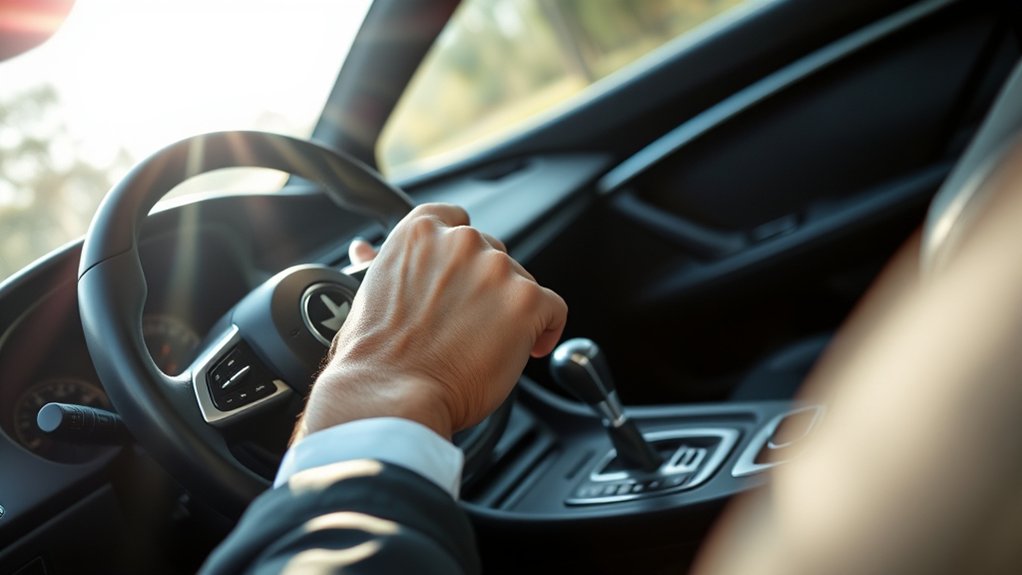
To double clutch effectively, start by pressing the clutch and shifting to neutral. This essential technique helps you match the engine speed to the next gear, ensuring smoother transitions and better control.
Proper double clutching is especially important for manual transmission vehicles to protect the gearbox and enhance driving performance.
Next, release the clutch and gently rev the engine to align with the speed needed for the upcoming gear. Press the clutch again and smoothly shift into the desired gear without rushing.
Finally, release the clutch while applying gentle throttle to maintain balance and avoid jerks.
Focus on timing and coordination throughout the process to prevent grinding and ensure seamless gear changes. With practice, mastering double clutching will boost your driving skill and extend your transmission’s lifespan.
Keep practicing, and you’ll soon uncover useful tips and tricks to perfect this valuable technique.
Key Takeaways
- Press the clutch pedal fully and shift the car into neutral.
- Release the clutch and rev the engine to match the next gear’s speed.
- Press the clutch pedal again and shift into the desired gear smoothly.
- Release the clutch gradually while applying gentle throttle to synchronize engine and transmission.
- Practice timing and smooth transitions to develop control and prevent gear grinding.
What Double Clutching Is and Why You Should Care
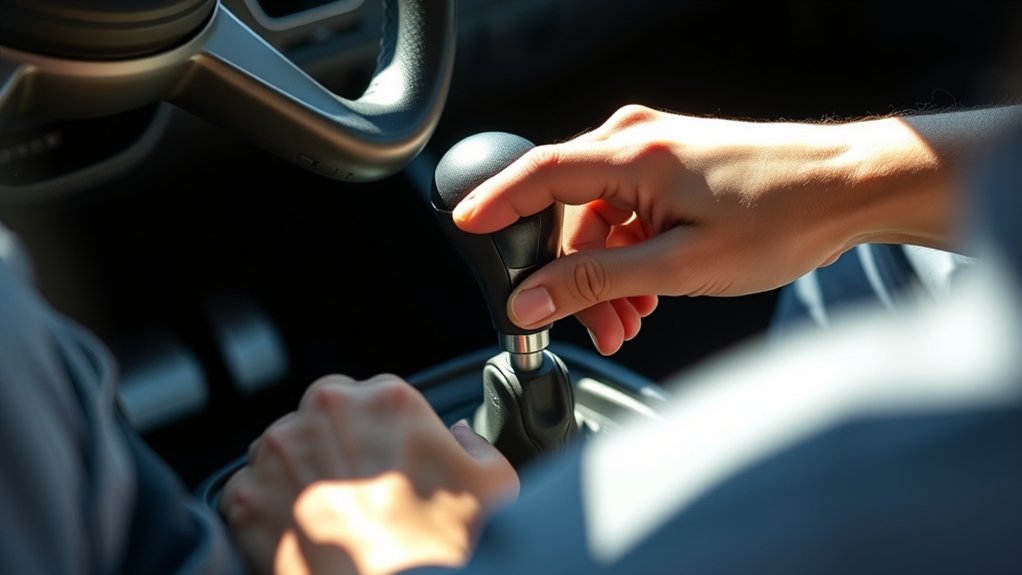
Although it might seem complicated at first, double clutching is an essential technique that helps you shift gears smoothly, especially in older manual transmissions. When you double clutch, you press the clutch pedal twice during a gear change—once to take the car out of gear and again to engage the next gear. This process matches the speed of the engine to the transmission, reducing wear on the gearbox and preventing grinding noises.
You’ll find it especially useful if you drive vintage cars or trucks without synchronized gearboxes. Learning this skill means you can protect your transmission and enjoy smoother shifts, making your driving experience more controlled and efficient. It’s a valuable technique that’s worth mastering if you want to handle manual transmissions with confidence.
When and Why to Use Double Clutching While Driving
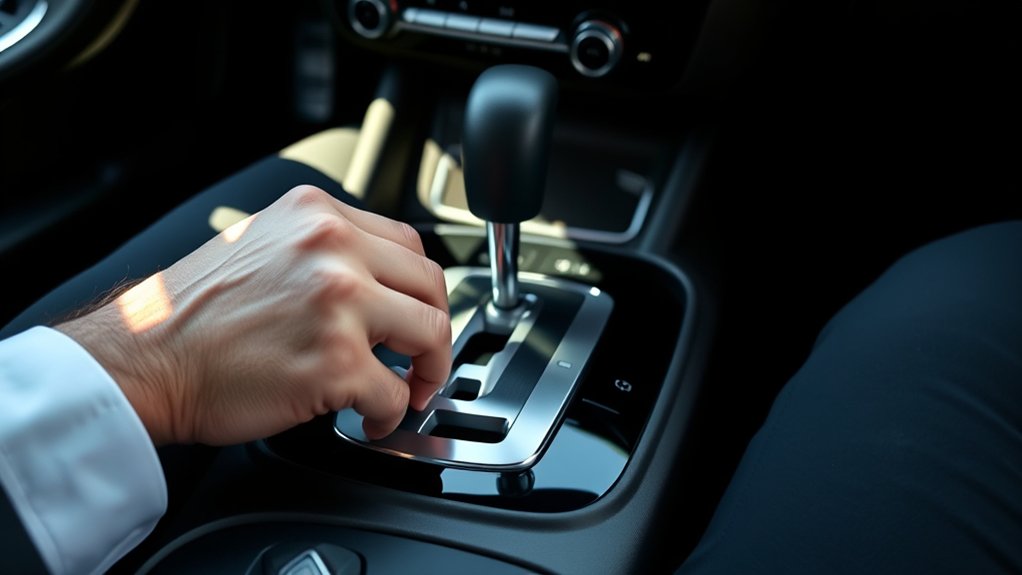
You’ll want to use double clutching in situations where smooth gear changes matter, like driving older vehicles or tackling steep hills.
It helps keep your engine and transmission working in sync, reducing wear and tear. Understanding when to double clutch can improve your control and extend your car’s life.
Benefits Of Double Clutching
When you master double clutching, you improve your vehicle’s gear shifts and reduce wear on the transmission. This technique helps synchronize the engine speed with the transmission speed, allowing smoother shifts and preventing gear grinding. You’ll notice enhanced control, especially in older or heavy-duty vehicles where gear synchronizers aren’t as effective.
Double clutching also extends the life of your clutch and gearbox by minimizing mechanical stress during shifts. Plus, you’ll experience less jerking or lurching when changing gears, making for a more comfortable ride. Overall, double clutching gives you greater precision and preserves your vehicle’s drivetrain, which can save you from costly repairs down the road.
It’s a valuable skill that improves both driving performance and vehicle longevity.
Ideal Driving Situations
Since double clutching requires precise timing and coordination, you’ll want to use it primarily in situations where smooth gear shifts are essential. This technique is especially helpful when driving older vehicles or trucks with unsynchronized transmissions, preventing gear grinding and reducing wear. You’ll find double clutching useful during downhill driving when engine braking is vital, or when shifting at higher speeds to maintain control and avoid jerky transitions.
It also shines in stop-and-go traffic or when towing heavy loads, where smooth power delivery matters. Avoid using it unnecessarily in modern cars with synchronized gearboxes, as it adds complexity without benefits. Mastering double clutching in these ideal situations enhances your driving control and prolongs your vehicle’s transmission life.
Engine And Transmission Harmony
Although double clutching might seem complicated at first, it plays an essential role in syncing your engine’s speed with the transmission’s input shaft. When you downshift, the engine speed is usually lower than the transmission input speed, causing a rough shift or gear grinding.
By double clutching, you momentarily disengage the clutch, shift to neutral, and rev the engine to match the transmission speed before reengaging the clutch and selecting the lower gear. This process guarantees smoother gear changes and reduces wear on your transmission.
You’ll find it especially useful in older vehicles or heavy trucks without synchronized gearboxes, where keeping engine and transmission harmony is fundamental for efficient, damage-free driving. Mastering this skill enhances control and prolongs your vehicle’s life.
Preparing Your Car for Double Clutching: Key Checks
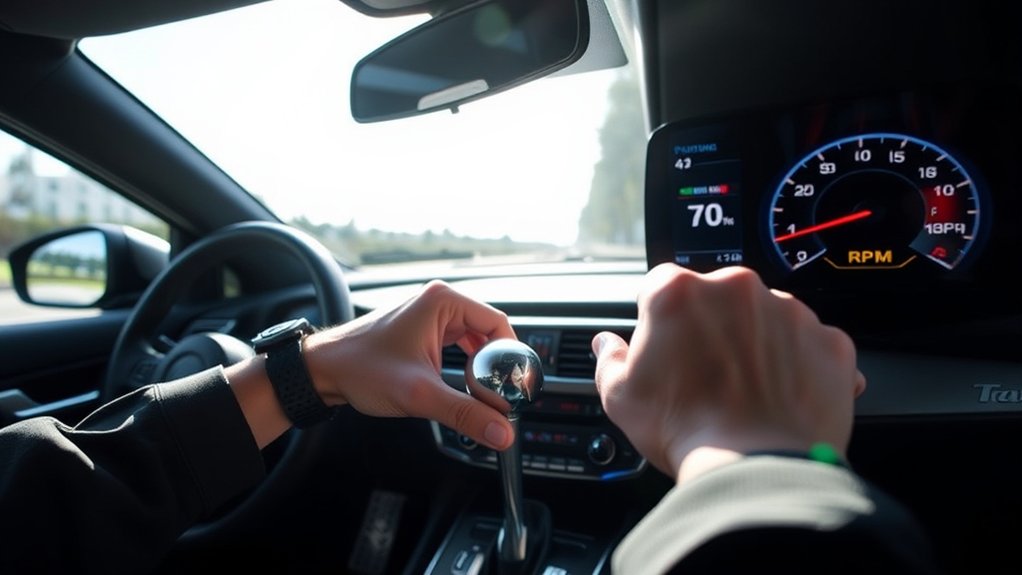
Before you begin double clutching, you’ll want to make certain your car is in peak condition to handle the technique smoothly. Start by checking your clutch pedal’s responsiveness—if it feels spongy or stiff, it might need adjustment or replacement.
Next, inspect your transmission fluid level and quality; clean, properly filled fluid ensures smooth gear shifts. Also, examine the condition of your gearbox synchronizers and linkages for any signs of wear or damage. Don’t forget to verify your engine’s idle speed is stable, as fluctuations can affect timing during shifts.
Finally, ensure your tires have good traction because double clutching often requires precise control. Taking these steps helps prevent mechanical issues and sets you up for a seamless double clutching experience.
Double Clutching in 4 Simple Steps
Now that your car is ready, you’ll focus on clutch timing basics to get the shifts smooth and precise. Mastering the gear shift technique is key to making double clutching effective.
Let’s break down the process into four simple steps you can follow.
Clutch Timing Basics
When you master clutch timing, double clutching becomes a smooth, efficient process that protects your transmission and improves your shifting. The key is knowing exactly when to engage and release the clutch during each part of the shift. You’ll want to:
- Press the clutch fully before shifting out of gear to disengage the transmission.
- Release the clutch quickly after shifting to neutral to spin the gears at matching speeds.
- Press the clutch again before selecting the next gear to smoothly engage it without grinding.
Timing these steps carefully prevents wear and makes your shifts seamless. Practice feels and rhythm, so your clutch control becomes instinctive.
Gear Shift Technique
Although double clutching may seem complex at first, you can master it by following four straightforward steps that guarantee smooth gear shifts and protect your transmission. First, press the clutch pedal and shift into neutral. Next, release the clutch and briefly rev the engine to match the transmission speed.
Then, press the clutch again and shift into the desired gear. Finally, release the clutch smoothly while applying throttle. This technique aligns the gear and shaft speeds, reducing wear and preventing grinding.
Remember to time your actions fluidly, without rushing. With practice, double clutching will feel natural, improving your driving control and extending your vehicle’s transmission life. Just take it step-by-step, and soon gear shifting will feel effortless and precise.
Step 1: Press the Clutch and Shift to Neutral
Before shifting gears, you’ll need to press the clutch pedal fully to disengage the engine from the transmission. This step is essential because it prevents grinding and damage to your gearbox.
Once the clutch is pressed, move the gear lever gently to neutral. Make sure it’s centered so the car isn’t in any gear before you proceed.
Here’s what you should focus on:
- Press the clutch pedal all the way down with your left foot.
- Keep your hand steady to smoothly shift the gear lever to neutral.
- Avoid rushing; a controlled motion ensures the gearbox stays safe.
Mastering this step sets the foundation for a smooth double clutch and protects your transmission.
Step 2: Release the Clutch and Rev the Engine
How do you prepare the engine for the next gear? After shifting into neutral, gently release the clutch pedal to engage the engine with the transmission again. This step is crucial because it allows the engine speed to adjust to match the upcoming gear.
Once the clutch is fully released, use the accelerator to rev the engine to the appropriate RPM. The exact RPM depends on whether you’re upshifting or downshifting. For a smooth downshift, rev the engine higher to match the lower gear’s speed.
Keep your revs steady and controlled; avoid sudden spikes. This matching of engine speed helps prevent jerks and wear on the transmission. By mastering this step, you set yourself up for a smooth transition in the next shift.
Step 3 and 4: Press Clutch Again, Shift Gear, and Accelerate Smoothly
After revving the engine to match the next gear, press the clutch pedal again to disengage the engine from the transmission. This step is crucial to smoothly transition gears without grinding.
Next, shift the gear lever into the desired gear carefully.
Shift the gear lever smoothly and precisely into the gear you want for seamless transitions.
As you do this, keep these points in mind:
- Shift firmly but smoothly to avoid jerks
- Ensure the gear lever clicks into place completely
- Avoid forcing the lever if it resists
Once the gear is engaged, release the clutch pedal gradually while applying gentle throttle. This combination lets the engine and transmission synchronize, resulting in a smooth acceleration.
With practice, these steps will feel natural, helping you master double clutching and improve your driving control.
Frequently Asked Questions
Can Double Clutching Damage My Car’s Transmission?
Double clutching won’t damage your transmission if done correctly. It actually helps match gear speeds, reducing wear.
However, if you rush or miss timing, it can cause unnecessary stress and potential damage over time.
Is Double Clutching Necessary for Modern Manual Cars?
You don’t really need to double clutch in most modern manual cars because they have synchronized transmissions. However, it can still help smooth gear changes and reduce wear if you want to drive more skillfully or in older vehicles.
How Does Double Clutching Affect Fuel Efficiency?
Double clutching improves fuel efficiency by smoothing gear changes, reducing engine strain, and maintaining momentum.
When you double clutch, you lower wear, optimize power transfer, and enhance overall driving economy without sacrificing performance.
Can Beginners Learn Double Clutching Easily?
Yes, you can learn double clutching with practice. It takes patience and coordination, but once you get the timing down, it becomes second nature.
Just keep practicing, and don’t get discouraged by initial mistakes.
What Are Common Mistakes to Avoid When Double Clutching?
Over 60% of learners stall when double clutching due to poor timing. You shouldn’t rush gear shifts or forget to match engine speed.
Focus on smooth clutch release and listen carefully to avoid jerky shifts and damage.
Conclusion
Mastering double clutching adds a touch of finesse to your driving, like a smooth dance between you and the machine. It’s not just about shifting gears—it’s about syncing with your car’s rhythm, making every drive feel effortless and precise.
With practice, you’ll glide through gears like a seasoned pro, turning routine drives into graceful journeys. So, take these steps to heart, and enjoy the subtle art of driving with a little extra flair.
Remember, learning how to do double clutch in 7 simple steps will enhance your control, improve your car’s performance, and elevate your overall driving experience.

