

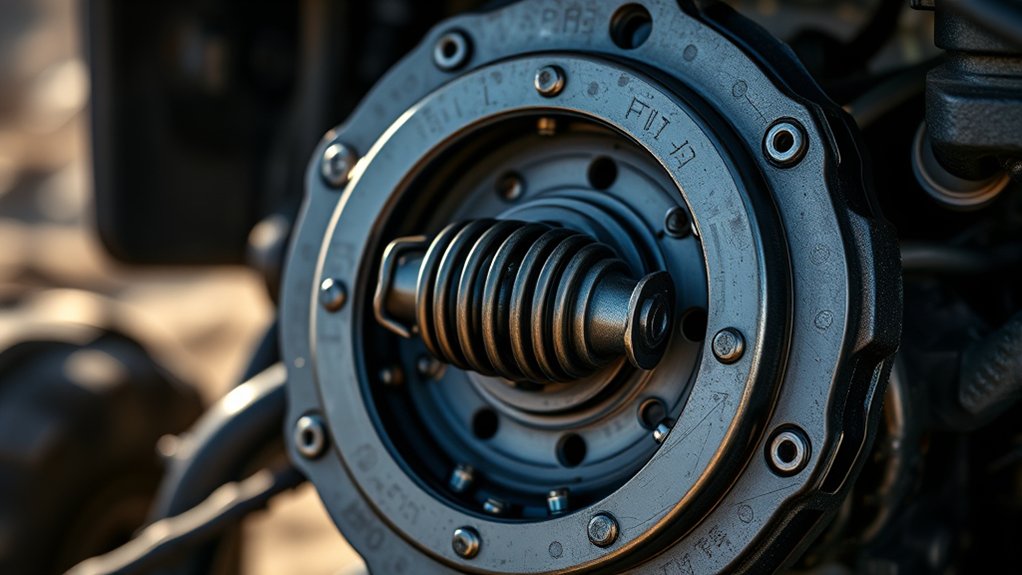
The Can-Am Defender clutch is a crucial component that automatically transfers engine power to your wheels using centrifugal force. When you increase throttle, weights inside the clutch spin outward, pressing the clutch plates together to engage smoothly. This automatic engagement ensures efficient power delivery without the need for manual input.
The clutch adjusts instantly based on terrain and load, providing reliable performance whether you’re navigating rough trails or hauling heavy cargo. You might notice signs like slipping or unusual noises if the clutch requires maintenance.
Understanding the Can-Am Defender clutch’s components and following proper care tips can help you keep your vehicle running strong. Regular attention ensures your Defender is ready for any adventure.
Key Takeaways
- The Can-Am Defender clutch transfers engine power to the wheels by engaging friction plates using centrifugal force as engine speed increases. It consists of a primary clutch with weights and springs, and a secondary clutch that manages belt tension and smooth power delivery.
- Clutch engagement happens automatically based on engine speed, requiring no manual input and adjusting instantly to throttle changes. Terrain, load, and belt condition affect clutch performance and responsiveness during acceleration and deceleration.
- Regular inspection, cleaning, and timely replacement of worn parts prevent slipping, overheating, and maintain optimal clutch function.
What the Can-Am Defender Clutch Is and Why You Should Care
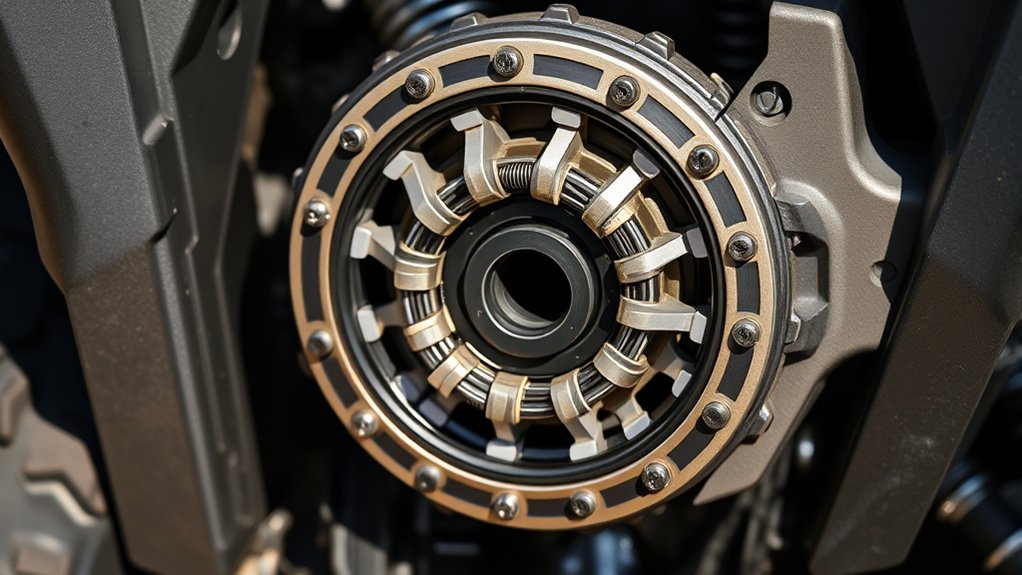
What exactly is the Can-Am Defender clutch, and why should you pay attention to it? This clutch is a key component that controls how your Can-Am Defender transfers engine power to the wheels. Without it working properly, your vehicle won’t respond the way you expect, especially in tricky terrain.
You’ll want to understand this clutch because it directly affects your ride’s smoothness and performance. When you know what it is and why it matters, you can better maintain it and avoid unexpected breakdowns. The clutch’s design helps manage power delivery, making your driving experience safer and more efficient.
Paying attention to this part means you’re taking control of your Defender’s reliability and overall capability in every adventure.
How the Can-Am Defender Clutch Transfers Power
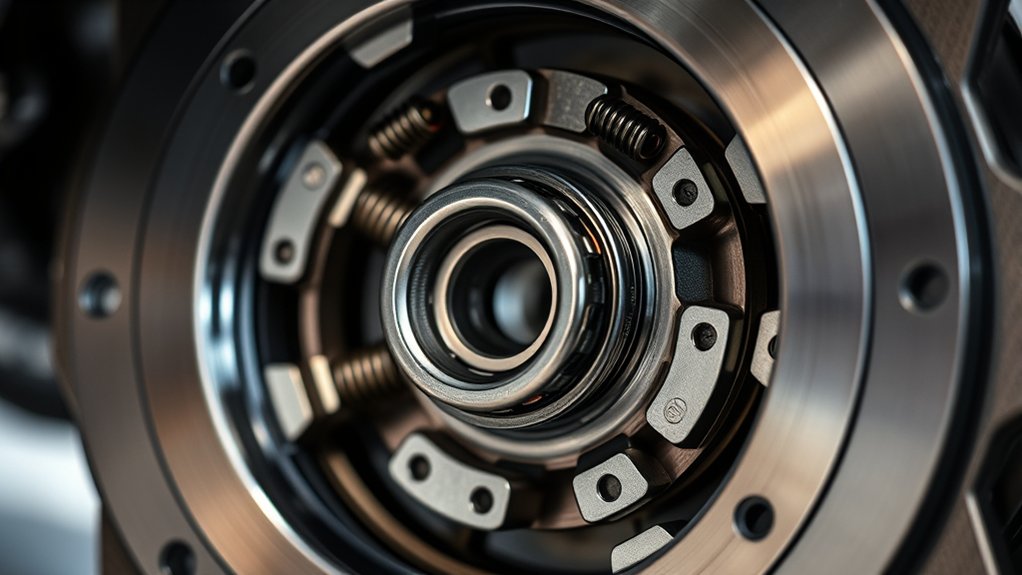
You’ll see the Can-Am Defender clutch starts transferring power the moment its engagement mechanism activates. This process smoothly connects the engine’s force to the drivetrain, letting your vehicle move efficiently.
Understanding how this power transmission works helps you grasp why the clutch is so vital for performance.
Clutch Engagement Mechanism
Although the Can-Am Defender’s clutch might seem complex, it transfers power in a straightforward way that you can easily understand. When you twist the throttle, the clutch’s centrifugal weights spin faster and move outward due to centrifugal force. This movement pushes the clutch plates together, engaging the clutch.
As the clutch plates press against each other, they create friction, which transfers engine power to the drivetrain. The more you increase the throttle, the tighter the plates engage, allowing more power to flow smoothly. When you ease off the throttle, the weights retract, and the clutch plates separate, cutting power transfer.
This engagement mechanism guarantees you get seamless acceleration and control without manual shifting, making your ride both efficient and responsive.
Power Transmission Process
When the Can-Am Defender’s clutch engages, it efficiently channels engine power through a series of components that guarantee smooth and consistent transmission to the wheels. You’ll notice this process happens seamlessly as you accelerate, thanks to the clutch’s design. Here’s how it works:
- The clutch’s drive and driven sheaves adjust their position based on engine speed, controlling belt tension.
- As the belt shifts, it transfers rotational force from the engine to the transmission input shaft.
- The transmission then modulates this power to match your selected gear or mode.
- Finally, the power reaches the wheels, propelling your Defender forward with controlled force.
Understanding this process helps you appreciate the precision behind your vehicle’s responsive performance.
Main Parts of the Can-Am Defender Clutch System
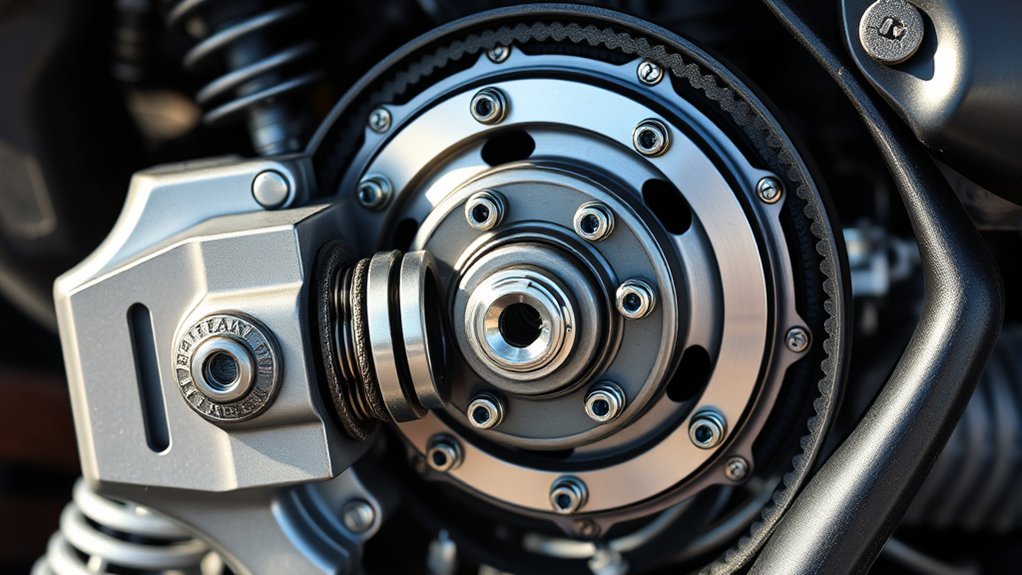
Now, let’s take a closer look at the main parts of the Can-Am Defender clutch system. You’ll want to understand the primary clutch components and how the secondary clutch functions.
Knowing these will help you see how the system works together to transfer power efficiently.
Primary Clutch Components
To understand how the Can-Am Defender clutch functions, you need to know its primary components. These parts work together to transfer power smoothly from the engine to the drivetrain. Here are the key elements you’ll find in the primary clutch:
- Drive Sheave – This is the moving part connected to the engine; it adjusts to change belt tension.
- Clutch Weights – These spin outwards as engine speed increases, pushing the drive sheave closed.
- Spring – It controls how tightly the sheave clamps down, affecting engagement speed.
- Belt – This links the primary clutch to the secondary clutch, transmitting power to the wheels.
Knowing these parts helps you appreciate how your Defender manages power delivery efficiently.
Secondary Clutch Functions
Although the primary clutch initiates power transfer, the secondary clutch plays a crucial role in controlling how that power reaches your Can-Am Defender’s wheels. It acts as the driven clutch, receiving rotational force from the primary clutch via the drive belt. Inside, the secondary clutch uses weighted rollers or springs that respond to engine speed, helping regulate belt position and tension.
This guarantees smooth acceleration and efficient power delivery to the drivetrain. When you accelerate, the secondary clutch adjusts to maintain ideal belt grip, preventing slippage and maximizing torque transfer. It also helps absorb shock loads, protecting drivetrain components.
Understanding its function helps you troubleshoot performance issues and maintain your Defender’s reliable power output on varied terrain.
How the Can-Am Defender Clutch Engages and Disengages Automatically
When you start accelerating in your Can-Am Defender, the clutch automatically engages by using centrifugal force to connect the engine’s power to the drivetrain. Here’s how it works:
- As engine speed increases, centrifugal force pushes the clutch weights outward.
- These weights press against the clutch’s drive face, causing the clutch to engage.
- This engagement transfers power smoothly from the engine to the wheels.
- When you slow down or stop, the centrifugal force decreases, allowing the clutch springs to retract the weights, disengaging the clutch automatically.
This seamless process means you don’t have to manually control the clutch. It responds instantly to your throttle input, letting you focus on driving without worrying about clutch operation.
Why Clutch Performance Changes With Terrain and Load
Because your Can-Am Defender’s clutch relies on the engine’s power and centrifugal force, its performance can shift depending on the terrain you’re driving on and the load you’re carrying. When you tackle steep hills or rough trails, the clutch has to work harder to transfer more power, which can cause it to engage differently than on flat or smooth surfaces.
Similarly, carrying heavy loads increases the demand on the clutch, requiring it to handle more torque to keep you moving smoothly. If the terrain is slippery or uneven, the clutch adjusts to prevent wheel slip by modulating power delivery.
Understanding how these factors affect clutch behavior helps you anticipate changes in your Defender’s response and adapt your driving accordingly for ideal control and performance.
How to Tell If Your Can-Am Defender Clutch Needs Maintenance
You’ll want to watch for unusual clutch noises, as they often signal wear or damage. If you notice slipping or delayed engagement, it’s a clear sign your clutch needs attention.
Also, pay attention to any drop in your vehicle’s performance, which can mean the clutch isn’t working properly.
Unusual Clutch Noises
How can you tell if your Can-Am Defender clutch needs maintenance? Unusual clutch noises are a clear warning sign you shouldn’t ignore. Pay attention to these sounds while riding:
- Squealing or screeching — Often means worn clutch components or lack of lubrication.
- Grinding noises — Could indicate damaged gears or misaligned clutch parts.
- Clicking or rattling — Suggests loose or broken clutch springs or plates.
- Chirping sounds — May come from a slipping clutch or debris caught inside.
If you notice any of these noises, it’s time to inspect your clutch or consult a mechanic. Addressing unusual sounds early helps prevent costly repairs and keeps your Defender performing smoothly.
Slipping Or Delayed Engagement
If your Can-Am Defender’s clutch feels like it’s slipping or delays in engaging, it’s a clear sign that maintenance is needed. You might notice the engine revving higher without a corresponding increase in speed or a lag when you try to accelerate. This happens when the clutch plates don’t fully grip or engage on time, often due to worn friction material, contaminated surfaces, or weakened springs.
Neglecting these symptoms can lead to more serious clutch damage. To address this, check for debris buildup, inspect the clutch plates for wear, and confirm the springs maintain proper tension. Regular maintenance and timely replacement of worn parts will keep your clutch responsive and prevent those frustrating slips or delays during operation.
Reduced Vehicle Performance
When your Can-Am Defender’s clutch starts to wear down, you might notice a drop in overall vehicle performance. This decline can affect how your machine handles, especially in demanding situations.
Here’s how to tell if your clutch needs maintenance:
- Reduced acceleration: Your Defender takes longer to reach speed or feels sluggish.
- Poor hill climbing: You struggle to maintain power on inclines where it once performed easily.
- Increased engine revs without corresponding speed gains: The engine sounds like it’s working hard but the vehicle doesn’t move efficiently.
- Overheating clutch: A burning smell or visible heat marks near the clutch area.
If you spot these signs, it’s time to inspect or service your clutch to restore your Defender’s performance.
How to Inspect the Can-Am Defender Clutch System
Although the Can-Am Defender clutch system is designed for durability, you’ll want to inspect it regularly to guarantee peak performance. Start by checking the primary and secondary clutches for any visible signs of wear, such as cracks, excessive dirt, or damaged components. Look closely at the belt for fraying or glazing, as this can reduce efficiency.
Spin the clutches by hand to feel for smooth rotation without wobbling or roughness. Also, examine the springs and weights inside the clutches to verify they move freely and aren’t worn out. Don’t forget to inspect the clutch housing for debris or damage that could interfere with operation.
Catching these issues early helps prevent costly repairs and keeps your Defender running smoothly.
Cleaning and Lubricating the Can-Am Defender Clutch
A clean and well-lubricated clutch guarantees your Can-Am Defender operates smoothly and extends the life of its components. To properly maintain your clutch, follow these steps:
- Remove the clutch cover and use compressed air to blow out any dirt and debris.
- Inspect the clutch rollers and weights for wear or damage; replace if necessary.
- Apply a light, high-quality lubricant to the moving parts, avoiding excess to prevent attracting dirt.
- Reassemble the clutch cover securely, ensuring all bolts are tightened to the manufacturer’s specifications.
Regular cleaning and lubrication prevent overheating and reduce friction, keeping your Defender’s clutch responsive and efficient.
Consistent cleaning and lubrication keep your Defender’s clutch cool, smooth, and performing at its best.
Make this part of your maintenance routine to enjoy reliable performance every time you hit the trail.
Common Can-Am Defender Clutch Problems and Troubleshooting
If your Can-Am Defender’s clutch starts slipping or making unusual noises, it’s likely time to diagnose the issue before it worsens. Common problems include worn clutch pads, which cause slipping and reduce power transfer. Dirt and debris buildup can also lead to inconsistent engagement, so inspect and clean the clutch regularly.
Another frequent issue is improper belt tension, causing premature wear or chatter. You might notice vibrations or difficulty shifting gears if the clutch components are damaged or misaligned. To troubleshoot, start by checking the belt condition and tension, then inspect the clutch pads for wear or glazing.
Clean any debris, and verify all parts move freely. Addressing these problems early helps maintain smooth performance and prevents costly repairs down the line.
When to Replace Can-Am Defender Clutch Parts
Whenever you notice slipping, unusual noises, or reduced performance in your Can-Am Defender, it’s time to contemplate replacing clutch parts. Ignoring these signs can lead to bigger problems and costly repairs.
Here are four clear indicators you should act on:
- Slipping Clutch: If your Defender struggles to accelerate or feels sluggish, the clutch may be worn out.
- Grinding or Squealing Noises: Strange sounds during engagement or while driving usually mean clutch components are failing.
- Vibration or Chatter: Excessive shaking when the clutch engages suggests damaged or warped clutch parts.
- Visible Wear: Inspect the clutch components for cracks, glazing, or excessive wear; these are definite replacement signals.
Addressing these issues promptly keeps your Defender running smoothly and prevents further damage.
Tips to Extend the Life of Your Can-Am Defender Clutch
How can you make your Can-Am Defender clutch last longer? Start by keeping it clean—dirt and debris can cause premature wear. Regularly inspect the clutch components for signs of damage or excessive wear.
Avoid riding the clutch excessively; use it only when necessary to prevent overheating and unnecessary friction. Make sure your vehicle’s belt is properly tensioned and aligned, as a misaligned belt can strain the clutch. Use the correct replacement parts and follow your owner’s manual for recommended maintenance intervals.
If you notice slipping or unusual noises, address them promptly to prevent further damage. By following these tips and maintaining your clutch proactively, you’ll extend its lifespan and keep your Can-Am Defender running smoothly through all your adventures.
Frequently Asked Questions
Can I Upgrade the Can-Am Defender Clutch for Better Performance?
Yes, you can upgrade your Can-Am Defender clutch for better performance. Installing aftermarket clutch kits or adjusting the spring tension can improve acceleration and torque response, helping you customize how your vehicle handles different terrains and loads.
These upgrades allow you to tailor the clutch engagement to match your driving style. Whether you need more power for rugged trails or smoother operation for everyday use, there are options available.
Be sure to choose components compatible with your specific model. Proper installation and tuning are key to maximizing performance gains and ensuring reliability.
What Tools Are Needed for Can-Am Defender Clutch Repairs?
You’ll need a torque wrench, impact driver, socket set, and a clutch removal tool for Can-Am Defender clutch repairs.
Did you know proper clutch maintenance can extend your vehicle’s lifespan by up to 30%? Keep it sharp!
How Does Weather Affect the Can-Am Defender Clutch’s Operation?
You’ll notice the Can-Am Defender clutch operates differently in extreme weather; cold makes it stiffer and slows engagement, while heat can cause slipping.
Moisture may lead to corrosion, so regular checks and maintenance keep it running smoothly.
Are There Aftermarket Parts Compatible With the Can-Am Defender Clutch?
Yes, you’ll find several aftermarket parts compatible with the Can-Am Defender clutch. They often improve performance or durability, but make sure you choose reputable brands and verify fitment to avoid issues with reliability or warranty.
Can Clutch Issues Cause Problems With Other Vehicle Systems?
Yes, clutch issues can cause problems with other vehicle systems. You’ll notice reduced power transfer, overheating, or transmission damage if the clutch slips or sticks, affecting your Can-Am Defender’s overall performance and reliability.
Conclusion
You might think a clutch is just a clutch, but the Can-Am Defender’s clutch is smart enough to adjust power on the fly—without you lifting a finger. Ironically, while it works so hard behind the scenes, it only demands a little care from you to keep performing at its best.
So, don’t ignore it; give it some love, or it might just decide to take a break when you need it most. Proper maintenance is key to ensuring the Can-Am Defender clutch works efficiently and lasts longer. Paying attention to this vital component will keep your vehicle running smoothly and reliably.

