

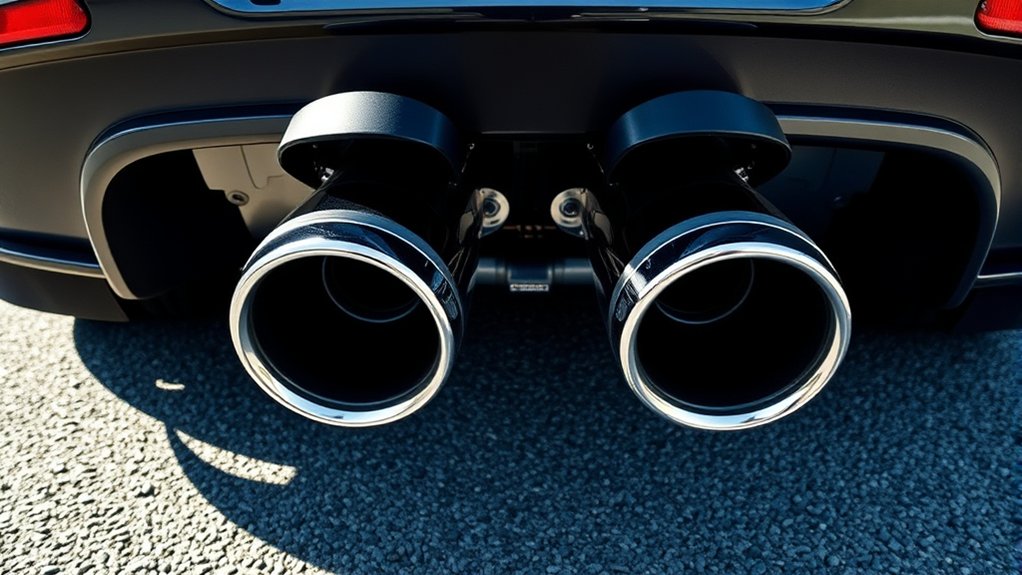
An axle back exhaust is a popular upgrade for car enthusiasts looking to enhance their vehicle’s sound and performance. This type of exhaust system replaces the section from the rear axle to the tailpipe, including the muffler and tips.
It improves exhaust flow and reduces backpressure, resulting in a deeper, more aggressive sound without modifying the entire exhaust system.
In addition to the enhanced sound, an axle back exhaust gives your car a sportier appearance and can provide a slight boost in performance.
If you’re curious about how it compares to other exhaust options or what factors to consider before upgrading, keep exploring to learn more.
Key Takeaways
- An axle back exhaust replaces the exhaust section from the rear axle to the exhaust tips, including the muffler and tailpipe components.
- It improves engine efficiency by reducing backpressure and enhances the vehicle’s sound with a deeper or more aggressive tone.
- This system focuses only on the rear portion of the exhaust, offering a cost-effective upgrade compared to full exhaust replacements.
- Installation is straightforward, typically taking 1-2 hours, and can be a DIY project or professionally done.
- Axle back exhausts boost performance subtly, add aesthetic appeal, and allow customization of the exhaust sound profile.
What Is an Axle Back Exhaust and How Does It Work
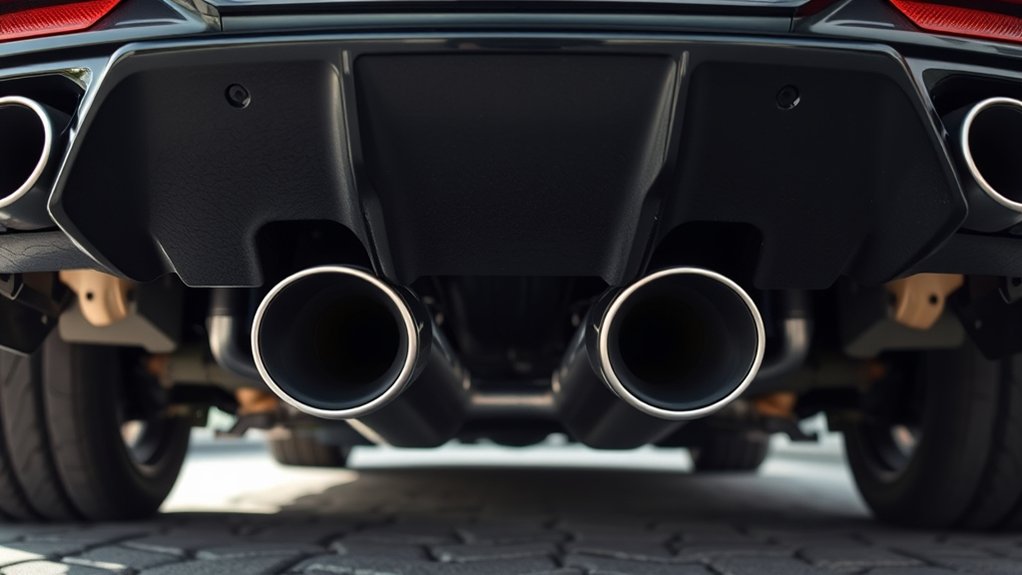
Although you might not notice it right away, an axle back exhaust plays a crucial role in your vehicle’s performance and sound. It’s the section of your exhaust system located from the rear axle to the exhaust tips. When your engine burns fuel, it produces gases that need to exit efficiently.
The axle back exhaust helps guide these gases out of your vehicle smoothly, reducing backpressure and improving engine efficiency. It also influences the noise your car makes, giving it a deeper or more aggressive tone depending on the design.
How to Tell if Your Car Needs an Axle Back Exhaust Upgrade
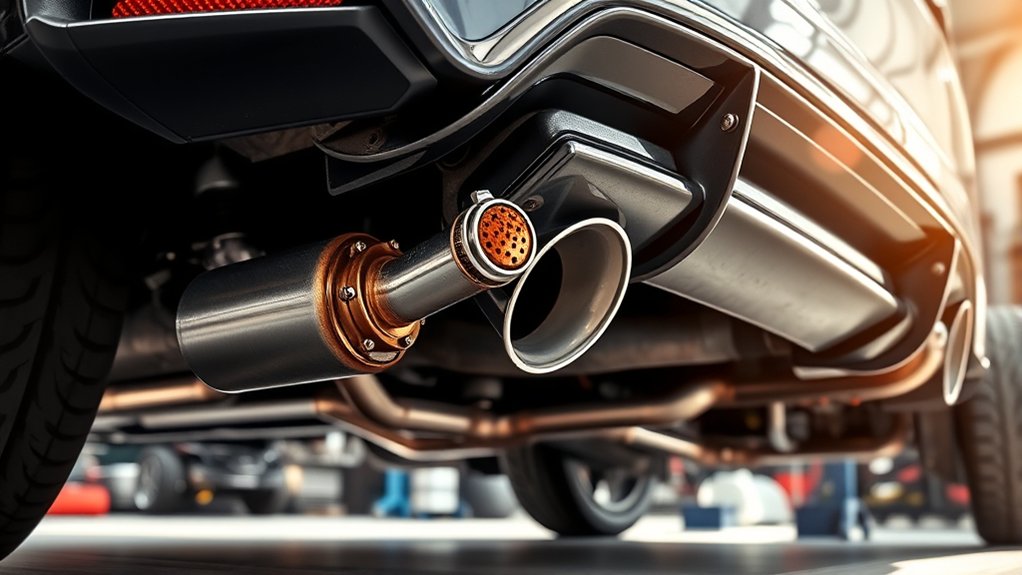
Understanding how an axle back exhaust affects your car’s performance and sound helps you recognize when it might be time for an upgrade. If you notice your exhaust sounds dull or muted, or if the tone feels off compared to what you expected, an axle back upgrade could restore that crisp, deep growl.
Also, if your car’s rear end looks too plain or the stock exhaust is rusty or damaged, swapping to an axle back system can improve both aesthetics and durability.
Finally, if you want a subtle performance boost without a full exhaust overhaul, upgrading the axle back can enhance exhaust flow and reduce weight. Pay attention to these signs, and you’ll know when it’s time to make the switch.
Axle Back Exhaust vs. Cat-Back and Header-Back Exhausts: What’s the Difference?
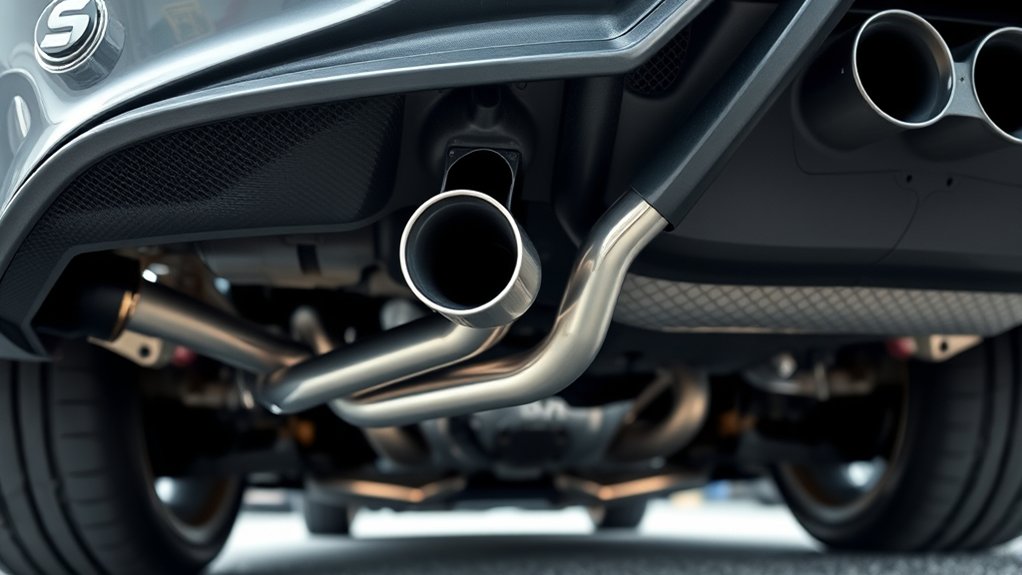
When you’re considering an exhaust upgrade, it helps to know how axle back systems compare to cat-back and header-back setups. An axle back exhaust replaces only the section from the rear axle to the exhaust tip. It’s simpler and usually cheaper than the others.
Cat-back systems cover everything from the catalytic converter back, including the mid-pipe and muffler, offering more extensive changes to sound and performance. Header-back exhausts go even further, replacing everything from the exhaust headers near the engine all the way back. This setup provides the most control over exhaust flow and performance but is also the most involved and costly to install.
Benefits of Axle Back Exhausts: Performance, Sound, and Style
You’ll notice an axle back exhaust can boost your engine’s performance by improving exhaust flow. It also gives your ride a deeper, more aggressive sound without being overwhelming.
Plus, it adds a sleek, stylish touch that stands out on the road.
Enhanced Engine Performance
Many drivers notice a tangible boost in engine performance after installing an axle back exhaust. By replacing just the section from the rear axle to the exhaust tip, you reduce backpressure, allowing your engine to breathe more freely. This improved airflow helps your engine expel exhaust gases faster, which can lead to a slight increase in horsepower and throttle response.
You’ll often feel your vehicle accelerate more smoothly and responsively, especially at higher RPMs. Because axle back systems are less restrictive than stock setups, they help optimize your engine’s efficiency without requiring extensive modifications. While the performance gains might not be drastic, this upgrade offers a practical way to enhance your driving experience with minimal effort and cost.
Improved Exhaust Sound
Although axle back exhaust systems primarily focus on performance, they also markedly enhance your vehicle’s sound. By replacing the stock muffler and tailpipe, you can achieve a deeper, more aggressive exhaust note that stands out without overwhelming noise. This upgrade lets you tailor your car’s acoustics to your preference, whether you want a subtle rumble or a louder growl.
The improved sound not only provides a thrilling driving experience but also signals your vehicle’s enhanced capabilities.
| Feature | Description |
|---|---|
| Sound Depth | Adds a richer, deeper tone |
| Volume Control | Balances loudness without harshness |
| Customization | Offers various muffler options |
| Driving Feedback | Enhances engine response audibly |
| Style Impact | Boosts auditory presence on road |
How an Axle Back Exhaust Changes Your Car’s Sound
When you install an axle back exhaust, you instantly notice a difference in your car’s sound. It changes the tone, volume, and overall character of your exhaust note, making your ride feel more aggressive and refined.
Here’s how it affects your car’s sound:
Discover how an axle back exhaust transforms your car’s sound for a sportier, deeper, and more refined tone.
- Tone Adjustment – The mufflers and resonators in an axle back system reshape the exhaust note, often deepening the tone without being overwhelming.
- Increased Volume – You’ll hear a louder and more pronounced exhaust, especially under acceleration, giving your car a sportier presence.
- Sound Quality – It reduces drone inside the cabin while enhancing a crisp, clean sound that’s more satisfying to your ears.
This upgrade lets you enjoy a richer and more engaging driving experience without drastic modifications.
What Performance Gains to Expect From an Axle Back Exhaust
When you install an axle back exhaust, you can expect a noticeable boost in horsepower potential. It also enhances your car’s exhaust sound, making it more aggressive and refined.
Let’s explore how these performance gains come into play.
Increased Horsepower Potential
Since an axle back exhaust primarily replaces the section of piping after the rear axle, it delivers modest horsepower gains compared to more extensive exhaust upgrades. You won’t see massive power boosts, but you can expect some noticeable improvements.
Here’s what you can anticipate:
- Reduced Backpressure: By replacing restrictive factory mufflers or tailpipes, your engine breathes easier, helping increase efficiency.
- Weight Savings: Many axle back systems use lighter materials, reducing overall vehicle weight and slightly improving acceleration.
- Improved Exhaust Flow: Smoother piping and less resistance allow gases to exit faster, aiding in better engine performance.
While these gains won’t turn your car into a race car, an axle back exhaust can give you a subtle horsepower edge without major modifications.
Enhanced Exhaust Sound
Alongside modest horsepower gains, an axle back exhaust considerably enhances your vehicle’s sound profile. When you install one, you’ll notice a deeper, more aggressive tone that makes your car stand out without being overwhelming. It’s designed to reduce backpressure and improve exhaust flow, which sharpens the sound while maintaining a refined balance.
Unlike full cat-back systems, axle back setups focus mainly on the rear portion, so you won’t get drastic volume jumps but a cleaner, sportier note instead. This means you get a satisfying growl during acceleration and cruising, improving your driving experience. If you’re after a noticeable but controlled sound upgrade, an axle back exhaust delivers just that, giving your car a more engaging personality on the road.
What Axle Back Exhausts Are Made Of and Why It Matters
Choosing the right material for your axle back exhaust affects not only performance but also durability and sound quality. The material influences how well your exhaust withstands heat, corrosion, and wear over time.
Here are three common materials used:
- Stainless Steel – Offers excellent corrosion resistance and longevity. It maintains a bright finish and produces a crisp sound, making it a popular choice.
- Aluminized Steel – More affordable, with decent rust resistance. It won’t last as long as stainless steel but still provides good performance.
- Mild Steel – The least expensive option, but it rusts quickly and may require frequent replacement.
Choosing the right material guarantees your axle back exhaust performs well and lasts, keeping your vehicle sounding great.
How to Choose the Right Axle Back Exhaust for Your Vehicle
When selecting the right axle back exhaust for your vehicle, you need to take into account factors like sound preference, material quality, and compatibility with your car’s make and model. First, decide how loud or subtle you want your exhaust to sound—some options offer deep growls, while others keep it mellow.
Next, focus on materials; stainless steel is durable and resists rust, while aluminized steel is more budget-friendly. Then, ensure the exhaust fits your specific vehicle to avoid installation headaches. Consider brands with good reputations and warranties to guarantee quality.
Finally, check local regulations to make sure your choice complies with noise and emission laws. With these factors in mind, you’ll pick an axle back exhaust that boosts performance and suits your style perfectly.
What to Expect When Installing an Axle Back Exhaust
When you install an axle back exhaust, you’ll notice changes in both sound and performance right away. The process is generally straightforward but can vary in time and cost depending on your vehicle and parts. Knowing what to expect helps you prepare for a smooth installation experience.
Installation Process Overview
Although installing an axle back exhaust may seem intimidating at first, you’ll find the process straightforward with the right tools and preparation. You’ll mainly be swapping out the section from the rear axle to the exhaust tip, which usually involves only a few steps.
Here’s what to expect during installation:
- Raise the Vehicle: Use a jack and stands to safely lift the rear of your car for easy access.
- Remove the Old Exhaust: Loosen clamps or bolts securing the existing axle back exhaust and carefully detach it.
- Install the New Exhaust: Align the new system, secure it with clamps or bolts, and double-check for proper fit and clearance.
With the right approach, you can complete the job in about an hour or two.
Sound and Performance Changes
Since the axle back exhaust replaces only the section from the rear axle to the tip, you’ll notice immediate changes in your car’s sound and slight tweaks in performance. Your vehicle will sound louder and deeper, giving it a more aggressive tone without overwhelming drone during everyday driving.
This upgrade enhances exhaust flow at the tailpipe, which can improve throttle response and slightly increase horsepower, especially at higher RPMs. However, don’t expect drastic power gains since the rest of the exhaust system remains stock. The sound improvement is the most noticeable benefit, making your car feel sportier and more engaging.
Time and Cost Considerations
The noticeable sound and performance improvements from an axle back exhaust often make the installation feel worthwhile, but you’ll want to consider the time and cost involved before making a decision. Installing an axle back exhaust is typically straightforward, but knowing what to expect helps you plan better.
Here’s what to keep in mind:
- Installation Time – Most installations take 1 to 2 hours, depending on your skill level and tools available.
- Labor Costs – If you hire a professional, expect to pay between $50 and $150 for labor, varying by location and shop rates.
- Parts and Materials – Axle back exhaust systems range from $200 to $600, with prices influenced by brand and material quality.
Balancing these factors ensures you get the best value and experience from your upgrade.
Common Mistakes to Avoid When Buying an Axle Back Exhaust
When shopping for an axle back exhaust, you’ll want to steer clear of common pitfalls that can cost you performance, sound quality, or money. First, avoid choosing a system solely based on price; cheaper options often use inferior materials that rust quickly. Don’t overlook compatibility—make sure the exhaust fits your specific vehicle model to prevent installation issues.
Also, resist the urge to pick the loudest system without considering local noise laws or personal comfort. Neglecting to research the brand’s reputation can lead to disappointing durability and sound quality. Finally, don’t forget to check if the exhaust includes all necessary hardware for installation.
How an Axle Back Exhaust Can Improve Your Car’s Appearance
Choosing the right axle back exhaust isn’t just about performance or sound; it can also give your car a sleek, customized look. When you upgrade, you instantly enhance your vehicle’s rear profile, making it stand out.
Upgrading your axle back exhaust boosts performance and instantly sharpens your car’s rear aesthetic.
Here’s how an axle back exhaust can improve your car’s appearance:
- Stylish Tips: You can choose from various exhaust tip shapes and finishes, like chrome or matte black, to match your car’s personality.
- Clean Design: Many axle back systems have a polished, seamless look that complements your car’s lines without bulky modifications.
- Enhanced Rear Symmetry: Dual or quad exhaust tips create a balanced, aggressive stance that draws attention to your car.
With these upgrades, your car won’t just sound better—it’ll look sharper too.
Understanding the Cost of an Axle Back Exhaust Upgrade
Although upgrading to an axle back exhaust can boost your car’s style and sound, understanding the costs involved helps you plan better. Typically, the price ranges from $200 to $800, depending on your vehicle and the materials used. Stainless steel options are pricier but last longer, while aluminized steel models cost less but may wear out faster.
You’ll also want to factor in installation fees, which can range from $50 to $200 if you’re not doing it yourself. Keep in mind that some upgrades might require additional parts or modifications, adding to the total cost.
Top Axle Back Exhaust Brands Compared and Reviewed
Since your axle back exhaust greatly influences your car’s sound and performance, picking the right brand matters a lot. You want a company that delivers quality materials, reliable fitment, and a sound profile you’ll love. Here are three top brands to evaluate:
- Borla – Known for durable stainless steel and aggressive sound without drone, Borla offers great performance and longevity.
- MagnaFlow – Perfect if you want a deep, smooth tone and excellent build quality, MagnaFlow systems are designed for a balanced exhaust note.
- Flowmaster – If muscle car rumble is your goal, Flowmaster delivers a signature loud and throaty sound, ideal for enthusiasts who want more presence.
Choosing between these depends on your sound preference and budget.
Frequently Asked Questions
Can an Axle Back Exhaust Affect My Vehicle’s Warranty?
Yes, an axle back exhaust can affect your vehicle’s warranty if it causes damage or affects emissions systems.
You should check your warranty terms and consult your dealer before installing to avoid potential issues.
Is an Axle Back Exhaust Street Legal in All States?
No, an axle back exhaust isn’t street legal in all states. You’ll need to check local noise and emissions laws because some states have strict regulations that could make it illegal or require specific certifications for street use.
How Loud Is an Axle Back Exhaust Compared to Stock?
An axle back exhaust is usually louder than stock, but not overwhelming. You’ll notice a deeper, more aggressive sound without it being too loud for daily driving or annoying to neighbors.
It strikes a nice balance.
Will an Axle Back Exhaust Impact My Car’s Fuel Efficiency?
An axle back exhaust usually won’t impact your car’s fuel efficiency much. It mainly changes sound and aesthetics, so you won’t see significant mileage improvements or losses just from swapping to one.
Can I Install an Axle Back Exhaust Myself or Need a Professional?
You can install an axle back exhaust yourself if you have basic tools and patience, but don’t expect to time travel like Doc Brown.
If you’re unsure, a professional guarantees proper fit and avoids costly mistakes.
Conclusion
Ready to boost your car’s sound, style, and performance without a full exhaust overhaul? An axle back exhaust offers a simple upgrade that’s easy to install and delivers noticeable improvements.
Why settle for the stock rumble when you can enjoy a more aggressive tone and enhanced look? With the right choice, you’ll turn heads and feel the difference every time you hit the road.
Isn’t it time your car sounded as good as it looks? An axle back exhaust is the perfect way to enhance your vehicle’s sound, style, and overall driving experience.

