

You use lower gear to control your speed in various driving situations, such as driving downhill, climbing steep hills, or towing heavy loads. Lower gear increases engine braking, which helps reduce brake wear and improves traction on slippery roads. Using lower gear effectively enhances your vehicle’s safety and performance.
Shift down smoothly by easing off the accelerator, pressing the clutch (if driving a manual), and matching engine speed to avoid jerks or engine strain. This technique keeps your drive safe and responsive.
Practicing these steps will build your confidence with every shift and driving condition.
Mastering how to use lower gear is essential for safe and efficient driving. Keep exploring and practicing to become more comfortable using lower gears in different scenarios.
Key Takeaways
- Use lower gear when descending hills, climbing steep slopes, or needing extra torque to prevent engine strain and improve control.
- Downshift smoothly by easing off the accelerator, pressing the clutch fully, shifting down one or two gears, and rev matching before releasing the clutch.
- Avoid shifting to lower gears at high speeds to prevent engine over-revving and transmission damage.
- Use engine braking in lower gears to reduce brake wear and maintain steady speed on slopes or slippery roads.
- Practice shifting in safe areas to develop smooth clutch control, proper rev matching, and confidence in using lower gears effectively.
When and Why to Use Lower Gear in Your Car
Although many drivers stick to higher gears most of the time, you should use lower gear when you need more control over your car’s speed and power. Lower gears provide increased engine braking, which helps slow your car without constantly using the brakes. This is especially useful when driving downhill or maneuvering tight turns.
You’ll also want to shift to a lower gear when you need extra torque, like when accelerating from a stop or climbing steep inclines. Using lower gear prevents your engine from stalling and keeps your car responsive. It also reduces wear on your brakes by relying on the engine’s resistance.
Mastering when and why to use lower gear improves your driving safety and vehicle performance in challenging conditions.
How to Spot When Your Car Needs Lower Gear on a Hill
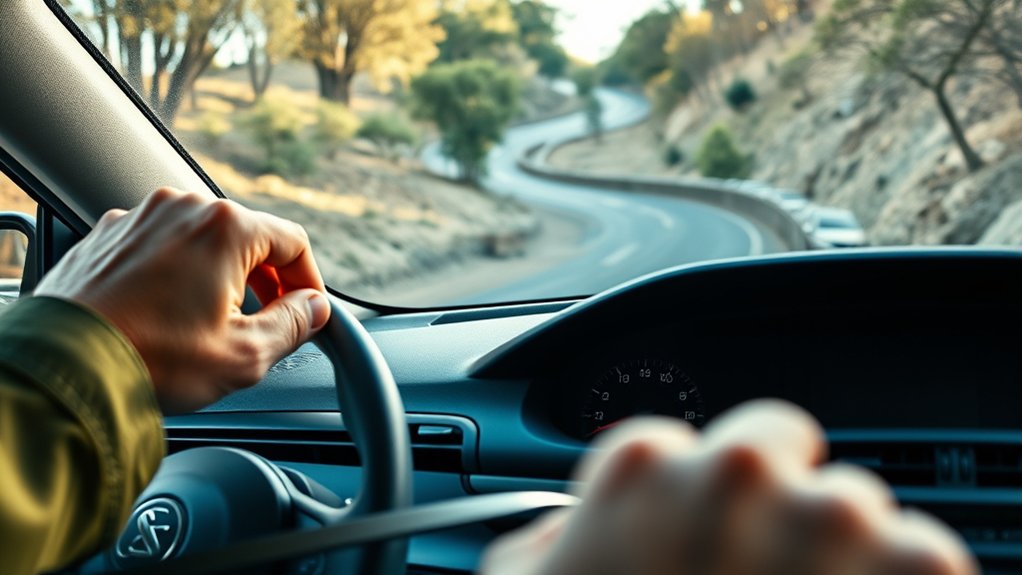
When you’re driving uphill, you’ll notice signs that your car needs a lower gear before the engine struggles or the speed drops considerably. Pay attention if the engine sounds like it’s working harder than usual or revs higher without accelerating. You might feel the car losing momentum or notice a sluggish response when you press the gas pedal.
If your speed starts to decrease despite increasing throttle, it’s a clear indication that the current gear isn’t providing enough power. Additionally, if you sense the car dragging or hear a strained noise under load, it’s time to shift down. Catching these signs early helps maintain control and prevents engine strain as you climb the hill.
Stay alert to your car’s feedback to know when to react.
Steps to Shift Into Lower Gear Safely
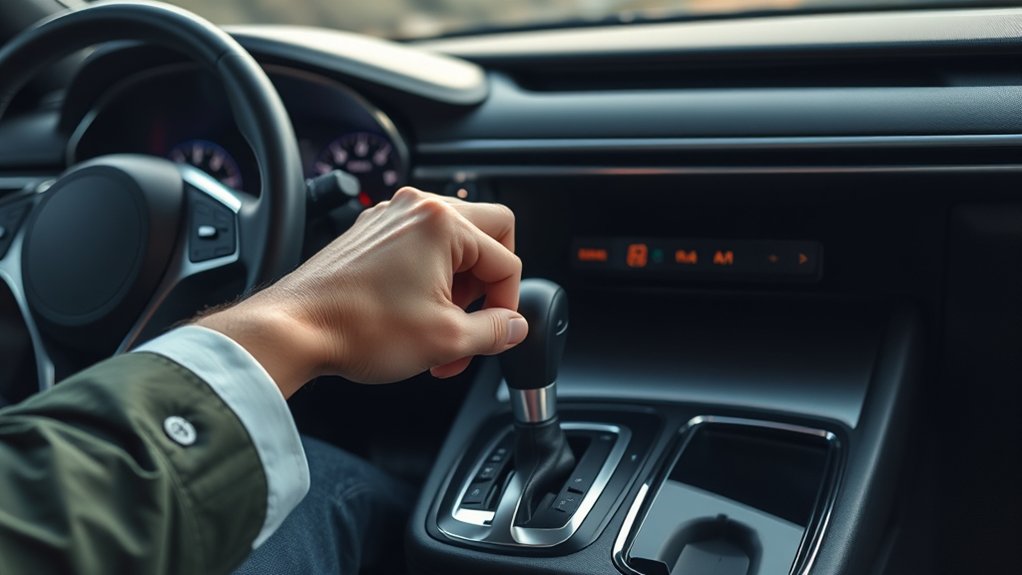
Before shifting into a lower gear, make sure you reduce your speed and ease off the accelerator to prevent sudden jerks. Next, press the clutch pedal fully if you’re driving a manual transmission. Move the gear stick down one or two gears, depending on how much power you need.
Release the clutch slowly while simultaneously applying a bit of throttle to match engine speed with road speed. For automatic transmissions, simply shift the selector to the lower gear position (like L, 2, or 3) once you’re at a safe speed. Always avoid shifting into a lower gear at high speeds to prevent engine strain or damage.
How Lower Gear Helps on Steep Hills and Slopes
When you shift into a lower gear on steep hills, your engine helps slow the car down without overusing the brakes. This engine braking gives you better control and reduces the risk of brake failure.
Staying in lower gear keeps you safer and more confident on tricky slopes.
Engine Braking Benefits
Why does shifting to a lower gear make a difference on steep hills? When you downshift, your engine works as a brake, slowing your car without relying solely on the wheel brakes. This engine braking reduces wear on your brake pads and prevents overheating, especially during long descents.
You’ll notice better control over your speed because the engine resists the car’s motion naturally. By using engine braking, you maintain a steady pace downhill, avoiding sudden speed changes that can be risky. It also helps preserve your vehicle’s mechanical health by preventing excessive brake use.
Maintaining Control and Safety
Although driving downhill can be challenging, using a lower gear helps you maintain better control and enhances safety. When you shift to a lower gear on steep slopes, your engine slows the car naturally, reducing reliance on your brakes. This prevents brake overheating and fading, which can lead to loss of control.
It also lets you manage your speed more precisely without sudden braking, keeping the ride smooth and predictable. By keeping your vehicle steady, you reduce the risk of skidding or sliding, especially on wet or uneven surfaces. So, when you approach a steep hill, downshift early to maintain a safe, controlled descent.
This simple step helps you stay confident and secure while orchestrating tricky terrain.
How Lower Gear Improves Control on Slippery Roads
Because slippery roads reduce tire traction, using a lower gear helps you maintain better control of your vehicle. When you shift to a lower gear, your engine delivers power more gradually, reducing the chances of wheel spin. This steady power flow prevents sudden acceleration that can cause your tires to lose grip on ice, snow, or wet surfaces.
Lower gears also allow you to keep your speed down without relying solely on the brakes, which can lead to skidding. By managing your speed and power output through the gearbox, you can navigate slippery conditions more safely. So, when the road gets slick, downshifting gives you a smoother, more controlled driving experience, helping you stay on course and avoid dangerous slips.
How to Use Lower Gear for Engine Braking
When you want to slow down without overusing your brakes, shifting to a lower gear lets your engine help control your speed through engine braking. To do this, ease off the accelerator and gently downshift to a lower gear, matching your engine’s RPM to the new gear. This increases resistance in the drivetrain, slowing the car naturally without relying solely on the brake pedal.
Engine braking is especially useful on downhill slopes, where constant braking can cause brake fade. Remember to downshift smoothly to avoid jerking or stalling. By mastering this technique, you reduce brake wear and maintain better control over your vehicle’s speed, enhancing safety and efficiency on the road.
When Not to Use Lower Gear to Avoid Damage
If you shift to a lower gear at the wrong time, you risk damaging your engine or transmission. Avoid downshifting at high speeds, as this causes excessive engine revs, leading to wear or failure. Don’t use lower gears when accelerating on flat roads; it strains the engine unnecessarily.
Also, avoid shifting to a lower gear abruptly without matching the engine speed, which can cause jerks and mechanical stress. If you’re driving on slippery surfaces like ice or wet roads, avoid lower gears that might cause wheel spin. Finally, don’t hold a lower gear for too long when it’s not needed, as it can overheat the engine or transmission.
Use lower gears thoughtfully to protect your car’s components and ensure smooth driving.
How Lower Gear Affects Fuel Efficiency
How does using a lower gear impact your car’s fuel efficiency? When you shift into a lower gear, your engine runs at higher RPMs, which generally consumes more fuel. This means using a lower gear unnecessarily can decrease fuel efficiency.
However, during situations like hill climbing or towing, lower gears help maintain engine power without overworking it, which can be more efficient overall.
| Situation | Fuel Efficiency Impact |
|---|---|
| Driving downhill | Improves by engine braking |
| City stop-and-go | Decreases due to high RPMs |
| Uphill climbing | Improves by reducing strain |
| Cruising on highway | Decreases, use higher gear |
Use lower gears wisely to balance power needs and fuel economy.
How to Use Lower Gear Differently in Manual vs. Automatic Cars
Although both manual and automatic cars use lower gears to manage engine power and speed, you’ll operate them quite differently. In a manual car, you control when to shift down by pressing the clutch and moving the gear stick to a lower gear. This gives you direct control over engine braking and power delivery.
In contrast, an automatic car usually shifts gears for you, but you can manually select lower gears using the gear lever’s “L” or “2” settings. This tells the transmission to stay in a lower gear longer, which helps on steep hills or slippery roads. Remember, in automatics, you don’t need to press a clutch, but you should still monitor your speed to avoid over-revving the engine.
How to Downshift to Lower Gear Smoothly Without Jerking
When you downshift to a lower gear smoothly, you prevent jerking that can unsettle the car and passengers. To do this, first ease off the accelerator. Press the clutch fully and shift to the lower gear.
Before releasing the clutch, gently blip the throttle to raise the engine speed, matching it to the lower gear’s RPM. This “rev matching” helps the transition feel seamless. Slowly release the clutch pedal while maintaining slight throttle pressure to avoid sudden engine braking.
In automatic cars with manual mode, ease off the accelerator and let the transmission downshift gradually, avoiding abrupt changes. Practicing this technique improves control, especially on slopes or when slowing down. Smooth downshifting protects your car’s drivetrain and enhances driving comfort.
How Lower Gear Helps When Towing or Carrying Loads
If you’re towing a trailer or carrying heavy loads, using a lower gear gives you better control and power. It helps the engine deliver more torque, making it easier to start moving and maintain steady speed on inclines. Lower gears prevent your car from struggling or overheating by reducing strain on the engine.
You’ll also benefit from improved braking because engine braking kicks in, helping slow the vehicle without overusing the brakes. This is especially important when descending hills with a heavy load, as it prevents brake fade. By shifting to a lower gear, you keep your vehicle stable and responsive, enhancing safety and performance in demanding towing or hauling situations.
This simple technique keeps both you and your load secure on the road.
Common Lower Gear Mistakes to Avoid
Since using lower gear incorrectly can cause engine strain or reduced fuel efficiency, you should know the common mistakes drivers make. First, avoid shifting into a lower gear at high speeds—it can cause engine over-revving and damage. Also, don’t forget to match your speed to the gear; forcing the car into a lower gear without slowing down puts unnecessary stress on the transmission.
Another mistake is relying on lower gear solely for braking; while it helps control speed downhill, you should still use your brakes appropriately. Finally, avoid staying in lower gear longer than needed, as it wastes fuel and wears the engine. By steering clear of these errors, you’ll keep your car running smoothly and use lower gear effectively.
Tips to Practice Shifting Into Lower Gear Confidently
Although shifting into lower gear might feel tricky at first, practicing regularly will boost your confidence and control. Start by finding a quiet, flat area where you can focus without distractions. Take your time to get familiar with the feel of the gear lever and the engine’s response.
Remember, smooth and deliberate movements help avoid jerky shifts.
Here are some tips to practice shifting into lower gear confidently:
- Listen to the engine: Shift when you hear the RPMs rise and feel the car slowing naturally.
- Use the clutch gently: Press and release it smoothly to avoid stalling or jolting.
- Practice in different conditions: Try shifting downhill or when slowing for a stop to build versatility.
With steady practice, you’ll master lower gear shifts in no time.
Frequently Asked Questions
Can Using Lower Gear Damage My Car’s Transmission Over Time?
Using lower gear occasionally won’t damage your transmission if used correctly. However, constantly forcing it or downshifting improperly can cause excessive wear.
Does Lower Gear Use More Engine Oil or Require Special Maintenance?
Did you know over 70% of transmission issues stem from poor maintenance? Using lower gear doesn’t use more engine oil or need special care, but regular oil changes and inspections keep your car running smoothly and prevent wear.
How Does Lower Gear Affect My Car’s Speedometer Reading?
Lower gear doesn’t directly affect your speedometer reading since it measures wheel rotation, not engine RPM. However, driving in lower gears usually means slower speeds, so your speedometer will show lower numbers as a result.
Can Lower Gear Be Used to Improve Fuel Economy on Highways?
You won’t improve fuel economy using lower gears on highways; they increase engine RPM, consuming more fuel. Instead, keep your car in higher gears to maintain efficiency and save fuel during steady highway driving.
Is It Safe to Use Lower Gear in Heavy Traffic or Stop-And-Go Situations?
Yes, it’s safe to use lower gear in heavy traffic or stop-and-go situations. It helps control your speed and reduces brake wear.
Just avoid riding the clutch or over-revving to keep everything smooth and safe.
Conclusion
So, next time you’re cruising down a hill and think, “Why bother with lower gear?” remember: you don’t want to be that driver coasting like it’s a Sunday stroll while your brakes scream for mercy. Using lower gear isn’t just for show—it’s your car’s secret weapon against steep slopes, slippery roads, and heavy loads.
Master it, or enjoy the thrilling ride of brake overheating and unexpected skid parties. Your call!
In conclusion, using lower gear helps maintain control, reduces brake wear, and improves safety on challenging terrains. Don’t underestimate the power of lower gear when driving downhill or in difficult conditions. Embrace this technique to enhance your driving skills and protect your vehicle.

