

When your clutch is slipping, you’ll notice your engine revving higher without your car speeding up. This common clutch problem makes acceleration sluggish or hesitant, which can be frustrating and unsafe. Understanding what a slipping clutch feels like is essential for early detection and timely repair.
Shifting gears may feel rough, resistant, or even grind, while the clutch pedal might feel softer, spongier, or require more travel. You might also notice a burning smell during heavy acceleration or hill starts.
These signs indicate your clutch isn’t fully engaging, affecting power and control.
Recognizing these symptoms early can help prevent further damage. Keep reading to learn what causes a slipping clutch and how to spot it before it worsens.
Key Takeaways
- The engine revs increase without a matching rise in vehicle speed, indicating power loss.
- The clutch pedal may feel softer or spongier with increased travel and inconsistent engagement points.
- Difficulty shifting gears smoothly, often accompanied by grinding noises or resistance.
- A burning smell may be noticeable during heavy acceleration or uphill starts.
- Hesitation or stalling can occur, especially when starting on steep inclines or in stop-and-go traffic.
What Is a Slipping Clutch and Why It Happens
Although you might not notice it right away, a slipping clutch happens when the engine’s power doesn’t fully transfer to the wheels because the clutch plates aren’t gripping properly. This usually occurs when the friction material on the clutch disc wears down or becomes contaminated with oil. You might also experience slipping if the clutch pressure plate weakens or the linkage isn’t adjusted correctly.
Over time, heat and wear cause the clutch to lose its ability to engage firmly, making the plates slip against each other. Driving habits like riding the clutch or aggressive shifting can speed up this wear. Understanding what causes the clutch to slip helps you recognize the issue early and avoid further damage or costly repairs down the road.
How a Slipping Clutch Affects Your Car’s Performance
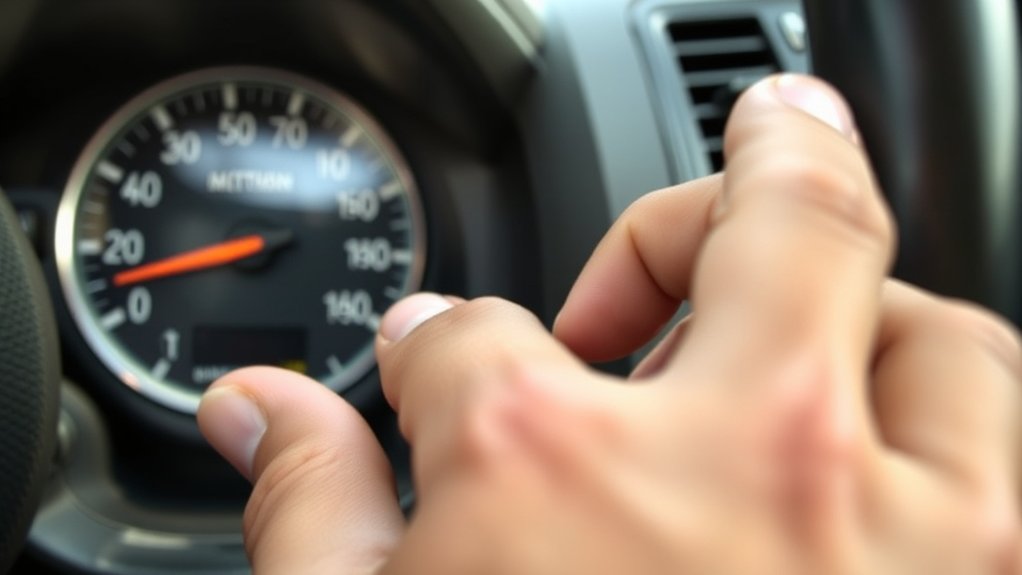
When your clutch slips, you’ll notice a drop in your car’s overall performance because the engine’s power isn’t reaching the wheels efficiently. This means your acceleration slows down and your fuel efficiency decreases.
You might also experience difficulty maintaining speed on inclines. The slipping clutch causes wasted energy, so your engine works harder without delivering expected results.
| Performance Aspect | Effect of Slipping Clutch |
|---|---|
| Acceleration | Reduced, feels sluggish |
| Fuel Efficiency | Drops, uses more fuel |
| Speed Maintenance | Harder on hills or inclines |
| Engine Strain | Increases, leading to potential damage |
Understanding these impacts helps you recognize the urgency of fixing your clutch to restore proper vehicle function.
Common Driver Sensations When the Clutch Starts Slipping
You’ll notice the engine revving higher without your car speeding up as the clutch slips. Shifting gears might feel harder or rougher than usual.
These sensations are clear signs your clutch isn’t fully engaging.
Engine Revving Without Acceleration
If the engine revs higher but your car doesn’t speed up as expected, it’s a classic sign of a slipping clutch. You’ll notice the engine’s RPM needle climbing quickly when you press the accelerator, but the vehicle barely moves forward. It feels like you’re revving the engine in place, wasting power instead of gaining speed.
This happens because the clutch isn’t fully gripping the flywheel, causing the engine to spin faster without transferring that power efficiently to the wheels. You might feel frustrated as the car struggles to accelerate, especially when going uphill or from a stop. Recognizing this sensation early helps you avoid further damage, so if you experience this, have your clutch inspected promptly.
Difficulty Changing Gears
Because the clutch isn’t engaging properly, shifting gears can feel unusually stiff or resistant. You might notice that when you try to change gears, the lever feels harder to move or gets stuck between positions. This happens because the clutch plates aren’t fully separating, causing friction that makes smooth gear changes difficult.
You may also experience grinding noises when shifting, which signals the gears aren’t meshing correctly. If you force the shift, you risk damaging the transmission further. This resistance can make driving frustrating, especially in stop-and-go traffic or on hills where frequent gear changes are necessary.
Recognizing this sensation early helps you address the slipping clutch before it leads to costly repairs or leaves you stranded.
Changes in Clutch Pedal Feel and Performance
When a clutch starts to slip, you’ll notice immediate changes in how the pedal feels and responds. The pedal might feel softer or spongier than usual, making it harder to gauge the exact point of engagement. You could also experience a lack of resistance, causing the pedal to sink more easily under your foot.
These changes affect how smoothly you can control the vehicle, especially during acceleration or hill starts. Key signs include:
- Reduced pedal resistance, making it feel unusually light
- Increased pedal travel, requiring you to press further down
- Inconsistent engagement points, causing unpredictable clutch behavior
Recognizing these subtle shifts early helps you address the issue before it worsens and impacts your driving safety.
Why Does Your Car Hesitate or Lose Power With a Slipping Clutch?
When your clutch plate wears down, it can’t grip the flywheel properly, causing power transmission issues. This slipping means your engine’s power doesn’t fully reach the wheels, so your car hesitates or loses power.
You’ll notice this especially when trying to accelerate or climb hills.
Power Transmission Issues
If your car hesitates or loses power while accelerating, a slipping clutch could be the culprit behind the issue. When the clutch doesn’t fully engage, it fails to transfer engine power efficiently to the wheels. This causes your car to feel weak or slow despite pressing the accelerator.
You might notice:
- Reduced acceleration as the clutch slips under load
- Engine revs rising without a corresponding increase in speed
- Difficulty maintaining consistent power during uphill drives or quick starts
These symptoms happen because the clutch disc isn’t gripping the flywheel tightly, interrupting smooth power transmission. This leads to wasted engine output and can strain other drivetrain components. Recognizing these signs early helps you avoid more serious damage and maintain reliable vehicle performance.
Clutch Plate Wear
Because the clutch plate wears down over time, it can’t grip the flywheel as firmly as it should. When this happens, you’ll notice your car hesitates or loses power, especially during acceleration. The worn clutch plate slips, meaning the engine’s power doesn’t fully transfer to the wheels.
You might feel the engine rev higher without a corresponding increase in speed. This slipping often causes a burning smell and reduced fuel efficiency. If you ignore these signs, the wear worsens, leading to more severe drivetrain problems.
To avoid this, you should have your clutch inspected regularly. Replacing a worn clutch plate restores proper grip, ensuring smooth power delivery and preventing hesitation or power loss while driving.
How to Spot a Burning Clutch Smell
How can you tell if your clutch is burning without seeing smoke? One of the most noticeable signs is a distinct, acrid smell that resembles burning rubber or hot metal. This odor often appears when you’re driving uphill or starting from a stop.
Besides the smell, you might notice:
- A strong, unpleasant scent lingering inside the car or near the clutch pedal.
- The smell intensifies during heavy gear changes or when the clutch slips frequently.
- Reduced engine power or hesitation despite pressing the accelerator.
If you detect this burning odor, it’s crucial to address it quickly. Ignoring it can lead to more severe clutch damage and costly repairs. Keep an eye on the smell as an early warning sign to protect your vehicle.
Why Does Engine Revving Without Acceleration Mean Clutch Slip?
When your engine revs higher but your car doesn’t speed up, it often means the clutch is slipping. The clutch connects the engine to the wheels, transferring power. If it slips, the engine spins faster without effectively moving the car forward.
This happens because the clutch discs no longer grip tightly, causing a loss in power transmission.
Here’s a quick look at how slipping affects your vehicle:
| Engine Behavior | Vehicle Response |
|---|---|
| High RPMs | Slow or no acceleration |
| Increased engine noise | Reduced speed gain |
| Burning smell | Loss of power |
| Difficulty starting on incline | Jerky motion |
Understanding this helps you recognize when to check the clutch before further damage occurs.
Why Does Shifting Gears Become Harder When the Clutch Slips?
If your clutch slips, you’ll notice that shifting gears requires more effort and feels less smooth. This happens because the clutch isn’t fully disengaging the engine from the transmission, causing resistance when you try to change gears. You’ll find it harder to move the gear stick, and sometimes the gears might grind or stick.
Here’s why shifting becomes tougher when the clutch slips:
Here’s why shifting becomes tougher when the clutch slips: increased friction and partial gear engagement create resistance.
- The slipping clutch plate doesn’t create enough separation, leading to increased friction.
- Incomplete disengagement means the transmission gears are still partially engaged.
- You need to apply more force on the gear lever to overcome this resistance.
Recognizing this symptom early can help you avoid further damage and costly repairs.
How Weather and Driving Habits Worsen Clutch Slippage Symptoms
Although a slipping clutch already hampers your driving, certain weather conditions and poor driving habits can make the symptoms worse. Wet or humid weather can cause the clutch to slip more easily, reducing friction between the clutch plate and flywheel.
Similarly, aggressive driving habits like riding the clutch, frequent stop-and-go traffic, or sudden acceleration put extra strain on the clutch, accelerating wear.
Here’s how weather and habits impact clutch slippage:
| Weather Condition | Driving Habit |
|---|---|
| Rain or humidity | Riding the clutch |
| Hot temperatures | Frequent stop-and-go |
| Cold weather | Sudden acceleration |
| Wet roads | Holding the clutch too long |
Avoiding these conditions and habits helps reduce clutch slippage symptoms, extending clutch life.
When Can a Slipping Clutch Cause Your Car to Stall?
Even a slightly slipping clutch can cause your car to stall, especially during low-speed maneuvers or when you’re trying to accelerate from a stop. You’ll notice this most when the clutch can’t fully engage, leading to a sudden loss of power and engine stall. This happens because the engine struggles to transmit enough torque to keep running smoothly.
Here are common situations when stalling is likely:
- Starting on a steep incline where extra torque is needed
- Crawling through heavy traffic with frequent stop-and-go
- Shifting gears improperly or too quickly without fully releasing the clutch
If you experience stalling in these conditions, it’s a strong sign your clutch is slipping and needs attention before it worsens.
How to Confirm Clutch Slippage With Simple Driving Tests
When your clutch starts slipping, you can quickly confirm it with a few simple driving tests that don’t require special tools. First, try accelerating in a higher gear at low RPMs: if the engine revs rise without a corresponding increase in speed, the clutch is slipping.
Another method is to check for a burning smell during heavy acceleration. Also, while driving uphill, if the car struggles despite pressing the accelerator, slippage is likely.
| Test Method | What to Do | Signs of Slippage |
|---|---|---|
| High Gear Acceleration | Accelerate in 3rd or 4th gear slowly | Engine revs rise, speed lags |
| Burning Smell Check | Accelerate hard for a few seconds | Noticeable burning odor |
| Hill Climb Test | Drive uphill in 2nd gear | Engine struggles, speed stalls |
Why Fixing a Slipping Clutch Early Saves You Money and Trouble
If you catch a slipping clutch early, you can avoid expensive repairs down the line.
You’ll keep your vehicle running smoothly and prevent further damage.
Fixing it now also helps extend the clutch’s overall lifespan.
Prevents Costly Repairs
Because a slipping clutch signals early wear, addressing it promptly can save you from far more expensive repairs down the road. Ignoring the problem allows damage to spread, turning a simple fix into a major overhaul.
When you fix a slipping clutch early, you can prevent damage to the flywheel, which might otherwise require resurfacing or replacement. You can also avoid excessive wear on the pressure plate and release bearing, preventing the need for a full clutch assembly replacement.
Additionally, early repair reduces strain on the transmission system, helping to avoid costly gearbox repairs.
Maintains Vehicle Performance
Although a slipping clutch might seem like a minor annoyance, it directly undermines your vehicle’s performance by reducing power transfer from the engine to the wheels. When your clutch slips, you’ll notice slower acceleration and difficulty maintaining speed, especially on inclines. This reduced efficiency makes your driving experience frustrating and less responsive.
Ignoring the problem means your engine works harder, wasting fuel and stressing other components. By fixing a slipping clutch early, you restore smooth power delivery, ensuring your vehicle performs as it should. This keeps your car reliable and safe to drive, preventing sudden power loss that could lead to dangerous situations on the road.
Addressing the issue promptly means you can enjoy confident, efficient driving every time you get behind the wheel.
Extends Clutch Lifespan
Keeping your clutch in good shape not only improves performance but also helps you avoid costly repairs down the line. If you catch a slipping clutch early, you can prevent further damage and extend its lifespan considerably. Ignoring the issue often leads to complete clutch failure, which means a more expensive and time-consuming repair.
By addressing slipping promptly, you’ll benefit from:
- Reduced wear on clutch components
- Lower risk of transmission damage
- Fewer unexpected breakdowns
Taking care of your clutch early saves you money and hassle, keeping your vehicle reliable and efficient. Don’t wait for the problem to worsen—fixing a slipping clutch now protects your investment and lets you drive with confidence.
Frequently Asked Questions
How Much Does It Cost to Replace a Slipping Clutch?
You’ll typically pay between $500 and $2,000 to replace a slipping clutch, depending on your car’s make and labor costs.
Luxury or performance vehicles usually cost more, so budget accordingly and get a detailed quote.
Can a Slipping Clutch Damage the Transmission?
Yes, a slipping clutch can silently gnaw at your transmission’s health. If you don’t fix it, you’ll face costly repairs, as the extra strain gradually wears down the transmission components, causing serious damage over time.
How Long Can You Drive With a Slipping Clutch?
You shouldn’t drive long with a slipping clutch—just a few days or a couple hundred miles max. Continuing to drive risks worsening damage, higher repair costs, and potential breakdowns, so get it fixed promptly to avoid trouble.
Are Slipping Clutches Covered Under Car Warranties?
Imagine your car’s clutch suddenly slipping like a worn-out shoe on a slick floor. Usually, warranties don’t cover slipping clutches since they’re wear-and-tear parts, so you’ll likely need to pay for repairs yourself.
Can a Slipping Clutch Be Repaired Without Full Replacement?
You can sometimes repair a slipping clutch without full replacement by resurfacing the pressure plate or adjusting the clutch cable.
However, if the clutch disc is worn out, you’ll likely need a full replacement for lasting results.
Conclusion
If your clutch starts slipping, it’s like trying to run in quicksand—frustrating and slowing you down. You’ll feel hesitation, loss of power, and a strange softness in the pedal. Don’t ignore these signs; addressing the problem early can save you from costly repairs and roadside troubles.
Remember, just like a well-tuned instrument plays smoothly, a properly working clutch keeps your drive in perfect harmony. Stay ahead and keep your ride singing. Recognizing what a slipping clutch feels like is the first step to maintaining your vehicle’s performance and safety.

