

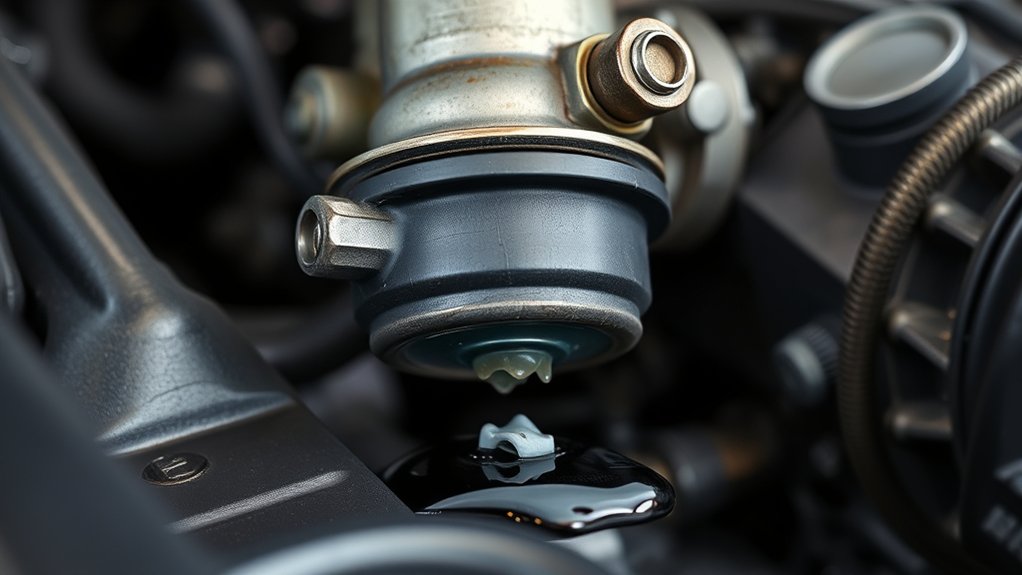
You’ll know your clutch master cylinder is bad if your clutch pedal feels spongy, sinks to the floor with little resistance, or struggles to engage gears smoothly. These common clutch master cylinder problems can seriously affect your vehicle’s performance.
You might also notice fluid leaks near the cylinder, unusual noises when you press the pedal, or difficulty fully releasing the clutch.
These signs point to hydraulic issues that hurt clutch performance and indicate a failing clutch master cylinder.
Keep going to uncover common symptoms of a bad clutch master cylinder and learn what you can do to fix or prevent further damage.
Understanding these issues early can save you from costly repairs down the road.
Key Takeaways
- Difficulty shifting gears smoothly with grinding or refusal to engage often indicates a faulty clutch master cylinder.
- A spongy, soft, or sinking clutch pedal with little resistance signals hydraulic issues in the master cylinder.
- Fluid leaks near the clutch master cylinder or a drop in clutch fluid levels without visible external leaks suggest internal problems.
- Unusual noises like squealing, grinding, or hissing when pressing or releasing the clutch pedal can indicate internal wear or seal failure.
- Persistent clutch slipping, delayed engagement, or failure to fully release the clutch requires inspection or replacement of the master cylinder.
What Is a Clutch Master Cylinder and How It Works
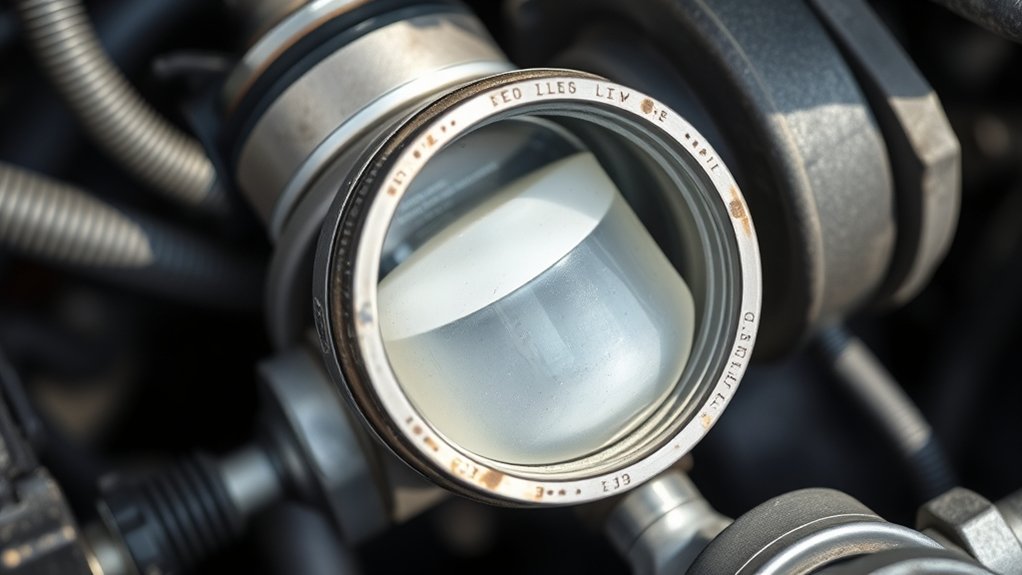
Although it may seem like a small part, the clutch master cylinder plays a critical role in your vehicle’s clutch system. When you press the clutch pedal, the master cylinder converts that mechanical force into hydraulic pressure. You push the pedal, and the master cylinder pushes fluid through a line to the clutch slave cylinder.
This pressure causes the slave cylinder to engage or disengage the clutch, allowing you to shift gears smoothly. Without this component working correctly, your clutch pedal might feel spongy, or shifting could become difficult. Essentially, the clutch master cylinder acts as the hydraulic pump that controls the clutch’s operation.
Understanding its function helps you grasp why it’s indispensable to keep it in good condition for your car’s performance.
Common Symptoms of a Bad Clutch Master Cylinder
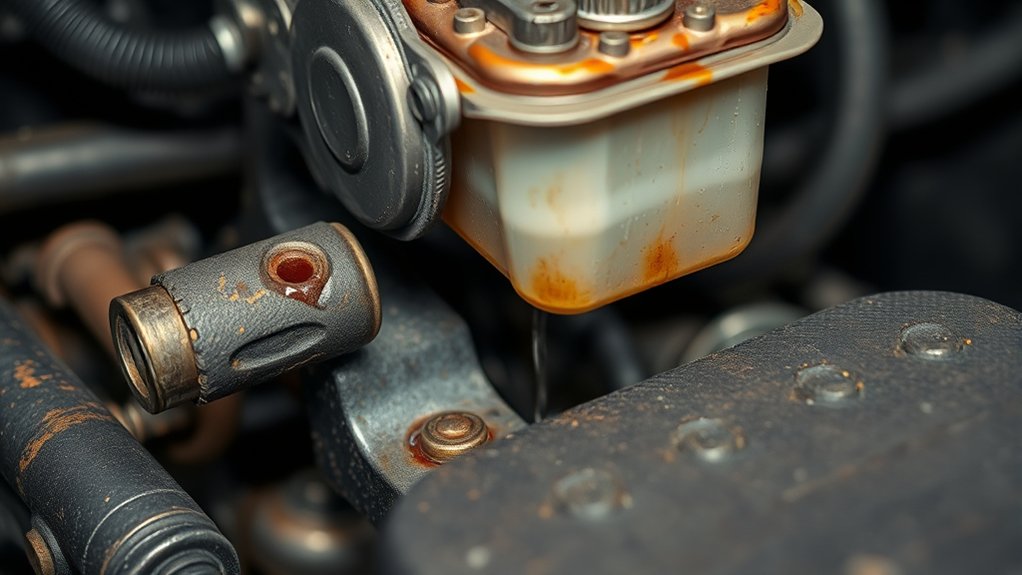
If your clutch master cylinder starts to fail, you’ll notice several clear signs that affect how your clutch feels and performs. One common symptom is difficulty shifting gears; you might find it harder to get the transmission into gear smoothly. Another sign is clutch pedal issues, such as the pedal not returning to its normal position or feeling unusually stiff.
You may also detect fluid leaks under the car or near the clutch pedal, indicating a problem with the cylinder’s seals. Additionally, if you see a drop in clutch fluid levels without visible leaks elsewhere, the master cylinder might be the culprit. Identifying these symptoms early helps prevent further damage and ensures your vehicle remains safe to drive.
How to Identify a Spongy or Soft Clutch Pedal
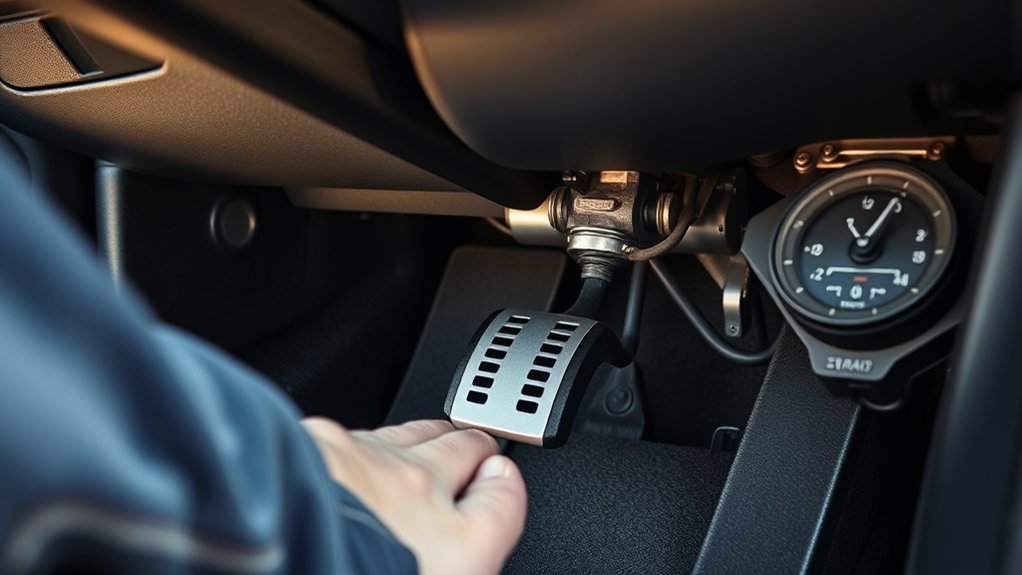
When you press the clutch pedal and it feels unusually soft or spongy, it usually means air or fluid issues inside the clutch master cylinder. You might notice the pedal sinking closer to the floor with little resistance. This happens because air has entered the hydraulic system, reducing pressure and causing that squishy feeling.
Low or contaminated clutch fluid can also lead to this symptom, as it affects proper hydraulic function. To check, look for fluid leaks near the master cylinder and inspect the fluid reservoir for low levels or discoloration. If you feel this sponginess consistently, it’s a strong indicator that the master cylinder needs attention, whether through bleeding the system or replacing faulty components to restore proper clutch operation.
How to Identify a Sticky or Heavy Clutch Pedal
While a spongy pedal usually signals air or fluid issues, a sticky or heavy clutch pedal often points to mechanical problems within the master cylinder or related components. If you notice your clutch pedal feels unusually stiff or doesn’t return smoothly after pressing, that’s a clear sign. You might also struggle to fully depress the pedal, or it may catch and resist movement.
This heaviness can make shifting gears harder and less precise. Pay attention if the pedal sticks halfway down or demands extra force to operate. These symptoms often indicate internal wear or corrosion in the master cylinder or binding in the linkage.
If you experience any of these issues, it’s best to inspect the clutch system promptly to avoid further damage.
How to Spot Clutch Master Cylinder Fluid Leaks
Because the clutch master cylinder relies on hydraulic fluid to function properly, spotting fluid leaks early can save you from costly repairs. Start by inspecting the area around the master cylinder and the clutch pedal for any wetness or stains. Look closely at the firewall where the cylinder connects to the clutch pedal; leaks often show up here as damp spots or fluid drips.
Check the hydraulic lines running to the cylinder for cracks or loose fittings that might cause fluid to seep out. Also, examine underneath your vehicle for puddles or spots of reddish or clear fluid that could indicate a leak. Catching these signs early lets you address the issue before it worsens and affects your clutch’s performance.
How to Check Clutch Master Cylinder Fluid Level and Condition
Although checking the clutch master cylinder fluid level may seem simple, it’s essential for ensuring your clutch operates smoothly. Start by locating the reservoir, usually mounted on or near the firewall in the engine bay. Clean the cap to prevent dirt from entering, then remove it.
Check the fluid level against the “MIN” and “MAX” marks on the reservoir. If it’s low, top it off with the recommended brake fluid type. Next, inspect the fluid’s condition—clear or slightly amber is normal, but dark, cloudy, or contaminated fluid signals a problem.
Low or dirty fluid can cause clutch issues, so address these signs promptly. Regularly checking and maintaining the fluid level helps avoid premature wear and keeps your clutch system reliable.
When and How to Bleed the Clutch Master Cylinder
If your clutch feels spongy or you notice air bubbles in the fluid, it’s time to bleed the master cylinder. You’ll need a few basic tools like a wrench, clear tubing, and fresh brake fluid to get started.
Follow the proper bleeding steps to remove trapped air and restore smooth clutch operation.
Signs To Bleed
When your clutch feels spongy or you notice it’s harder to shift gears smoothly, it’s a clear sign you need to flush the clutch master cylinder. Air trapped in the hydraulic system reduces pressure, causing inconsistent clutch engagement.
You might also see the clutch pedal sinking to the floor or feeling unusually soft. Another sign is if the pedal doesn’t return to its normal position promptly.
Leaks around the master cylinder or low brake fluid levels in the reservoir can indicate contamination or air entry, signaling the need to bleed. If you experience any of these symptoms, don’t delay bleeding the system—it restores proper hydraulic pressure and ensures your clutch operates reliably and safely.
Bleeding Procedure Steps
Before you start bleeding the clutch master cylinder, make sure you have the right tools and a clear workspace. Begin by locating the bleeder valve on the slave cylinder. Attach a clear hose to the valve, submerging the other end in a container partially filled with fresh brake fluid.
Have an assistant press the clutch pedal slowly while you open the bleeder valve slightly to let air and old fluid escape. Close the valve before your assistant releases the pedal to prevent air from getting back in. Repeat this process until you see clear, bubble-free fluid flowing through the hose.
Keep an eye on the master cylinder reservoir, topping it up as needed to avoid running dry. Proper bleeding restores clutch responsiveness and prevents pedal sponginess.
Tools Needed
Completing the bleeding procedure smoothly depends on having the right tools within reach. You’ll need a clear plastic tubing that fits snugly over the bleeder valve, allowing you to direct fluid into a container and avoid spills. A wrench or socket set will help you open and close the bleeder valve properly.
Keep a container handy to catch the old fluid. Don’t forget fresh brake fluid compatible with your vehicle’s specifications. Additionally, have a helper or a one-person brake bleeder kit ready to pump the clutch pedal, ensuring consistent pressure.
Finally, wear gloves and safety glasses to protect yourself from brake fluid. With these tools, you’re set to bleed the clutch master cylinder effectively and spot any issues early on.
What Noises Signal a Failing Clutch Master Cylinder
If you start hearing unusual noises when pressing the clutch pedal, it could indicate a failing clutch master cylinder. These sounds often signal internal wear or fluid issues that need your attention.
Listen carefully for a squeaking or chirping noise when you press the pedal, which might mean the cylinder’s seals are drying out. A hissing or air-leak sound suggests fluid is escaping or air is entering the system. A grinding or scraping noise could point to damaged internal parts or contaminated fluid.
Noticing any of these sounds means you should inspect the clutch master cylinder soon. Ignoring them could lead to more serious problems down the road.
How a Bad Clutch Master Cylinder Affects Clutch Operation
When your clutch master cylinder starts failing, it can reduce hydraulic pressure, making it harder to press the clutch pedal. You might notice delayed clutch engagement, causing your shifts to feel sluggish or rough.
These issues directly affect how smoothly your clutch operates and can lead to bigger problems if ignored.
Reduced Hydraulic Pressure
Because the clutch master cylinder controls hydraulic pressure, any damage to it directly reduces the pressure needed to engage and disengage the clutch smoothly. When pressure drops, you’ll notice the clutch pedal feels soft or spongy, making it harder to operate. This loss of force compromises your ability to shift gears efficiently, leading to poor driving performance.
Here’s what reduced hydraulic pressure looks like in practice:
- A clutch pedal that sinks to the floor with little resistance
- Difficulty in fully releasing the clutch, causing gear grinding
- The pedal not returning promptly after you press it
If you experience these symptoms, it’s a clear sign your clutch master cylinder isn’t maintaining proper hydraulic pressure, and it needs attention.
Delayed Clutch Engagement
Reduced hydraulic pressure often leads to delayed clutch engagement, making it harder for you to control when the clutch connects and disconnects from the engine.
When your clutch master cylinder is failing, the fluid pressure needed to engage the clutch smoothly drops, causing a lag.
This delay can make shifting gears jerky or cause your vehicle to stall.
| Symptom | Cause | Effect |
|---|---|---|
| Soft clutch pedal | Fluid leaks or air in system | Reduced pressure transmission |
| Difficulty shifting | Incomplete disengagement | Gear grinding or resistance |
| Clutch slips | Insufficient engagement force | Loss of power transmission |
| Engine stalls | Delayed clutch engagement | Sudden loss of engine control |
Pay attention to these signs to avoid costly repairs.
Why Clutch Master Cylinder Problems Cause Gear Shifting Issues
If your clutch master cylinder starts to fail, you’ll notice that shifting gears becomes difficult or jerky. This happens because the master cylinder controls the hydraulic pressure that moves the clutch fork. When it malfunctions, the pressure is inconsistent or weak, causing problems like:
- Gears grinding or refusing to engage smoothly
- A spongy or sinking clutch pedal that doesn’t fully disengage the clutch
- Difficulty in shifting, especially into first or reverse gear
These issues arise because the clutch plates don’t separate properly, making gear changes rough and unreliable. You might feel like you’re forcing the shifter or hear unusual noises when changing gears. Recognizing these signs early helps you understand that the clutch master cylinder is directly affecting your vehicle’s gear shifting performance.
When to Repair or Replace Your Clutch Master Cylinder
When your clutch master cylinder shows signs of failure, knowing whether to repair or replace it can save you time and money. If the leaks are minor and the internal seals are intact, a repair might suffice.
However, if you notice persistent fluid loss or spongy clutch feel, replacement is often the best choice for reliability. Here’s a quick guide to help:
| Condition | Action |
|---|---|
| Minor fluid leak | Repair |
| Major fluid leak | Replace |
| Spongy or soft clutch pedal | Replace |
| Slow clutch engagement | Repair or replace |
| Frequent air in hydraulic line | Replace |
Trust your vehicle’s performance and safety when deciding. If unsure, consult a professional mechanic.
Frequently Asked Questions
Can a Bad Clutch Master Cylinder Damage the Transmission?
Yes, a bad clutch master cylinder can damage your transmission by causing improper clutch engagement. If you don’t fix it, you risk grinding gears or slipping, which leads to costly transmission repairs over time.
Are Clutch Master Cylinders Universal for All Car Models?
No, clutch master cylinders aren’t universal. You’ll need one that matches your car’s make, model, and year. Using the wrong one can cause fitment issues and poor performance,
so always check compatibility carefully.
How Much Does It Typically Cost to Replace a Clutch Master Cylinder?
You might think replacing a clutch master cylinder breaks the bank, but it typically costs between $150 and $300. Labor fees vary, but tackling it yourself can save money if you’re comfortable with car repairs.
Doing the repair on your own requires some mechanical knowledge and the right tools. If you’re unsure, hiring a professional is usually worth the cost. This ensures the job is done correctly and safely.
Can I Drive Safely With a Failing Clutch Master Cylinder?
You shouldn’t drive safely with a failing clutch master cylinder because it can cause slipping or difficulty shifting gears.
It’s best to get it repaired promptly to avoid safety hazards and further damage to your vehicle.
Does a Clutch Master Cylinder Failure Affect Brake Performance?
You can’t have your cake and eat it too; a failing clutch master cylinder usually doesn’t affect brake performance directly since they operate separately.
However, leaks might cause fluid loss, potentially impacting both systems over time.
Conclusion
Now that you know the signs of a sick clutch master cylinder, stay sharp and swiftly spot spongy pedals, stubborn shifts, and sneaky leaks. Don’t delay diagnosing these damaging dilemmas—doing so can save you stress and steep repair costs.
Remember, timely tweaks and timely treatments keep your clutch clutching cleanly and your driving delightful. Keep your car’s clutch in check, and confidently conquer the road with clutch control you can count on.
Regular maintenance and prompt attention to clutch master cylinder issues ensure smooth operation. By recognizing the symptoms early, you protect your vehicle’s performance and extend the life of your clutch system. Trust these tips to keep your clutch master cylinder in top shape for reliable driving every time.

