

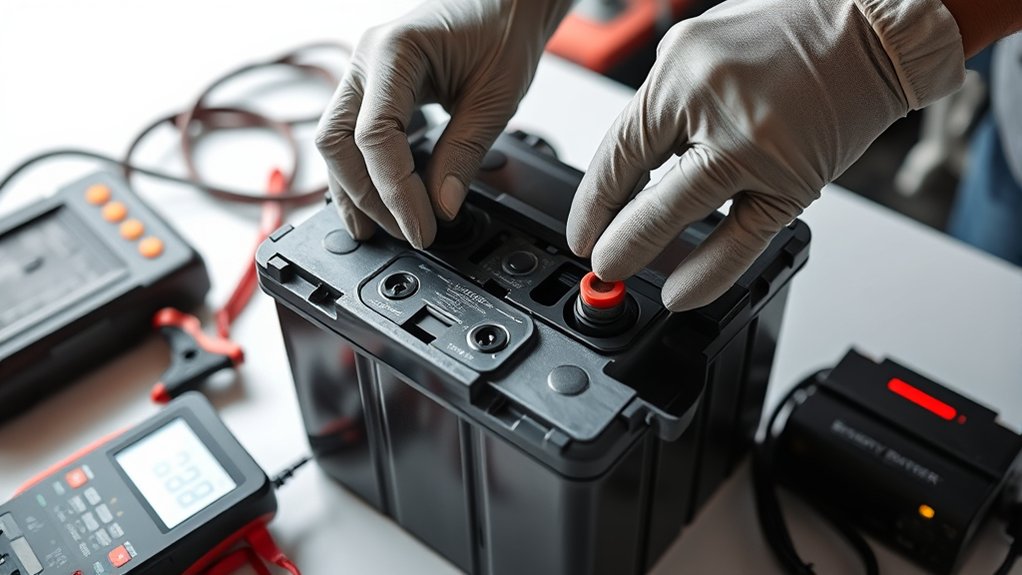
Battery reconditioning is the process of restoring your battery’s capacity and performance by reversing chemical buildup inside it. This method helps bring back lost energy storage and improve battery efficiency.
By reconditioning, you can extend your battery’s life, save money, and reduce environmental waste.
You activate battery reconditioning by fully discharging the battery, then charging it completely. Repeating this discharge-charge cycle several times helps break down sulfate crystals and rebalance the internal chemicals.
This careful process restores the battery’s ability to hold a charge.
If you want to improve how your battery functions and learn tips on doing it safely, there’s more useful information ahead. Proper knowledge ensures effective and safe battery reconditioning every time.
Key Takeaways
- Battery reconditioning restores battery capacity by reversing chemical buildup and extending its lifespan through controlled charging cycles. It involves fully discharging the battery, then fully recharging it multiple times to reset chemical balance and improve performance.
- Activation typically requires using a smart charger with a reconditioning mode or performing manual discharge-recharge cycles. Safety precautions include working in a ventilated area, wearing protective gear, and avoiding overheating during the process.
- Regular reconditioning saves money, reduces battery waste, and supports environmental sustainability by prolonging battery usability.
Battery Reconditioning: What It Is and Why It Matters
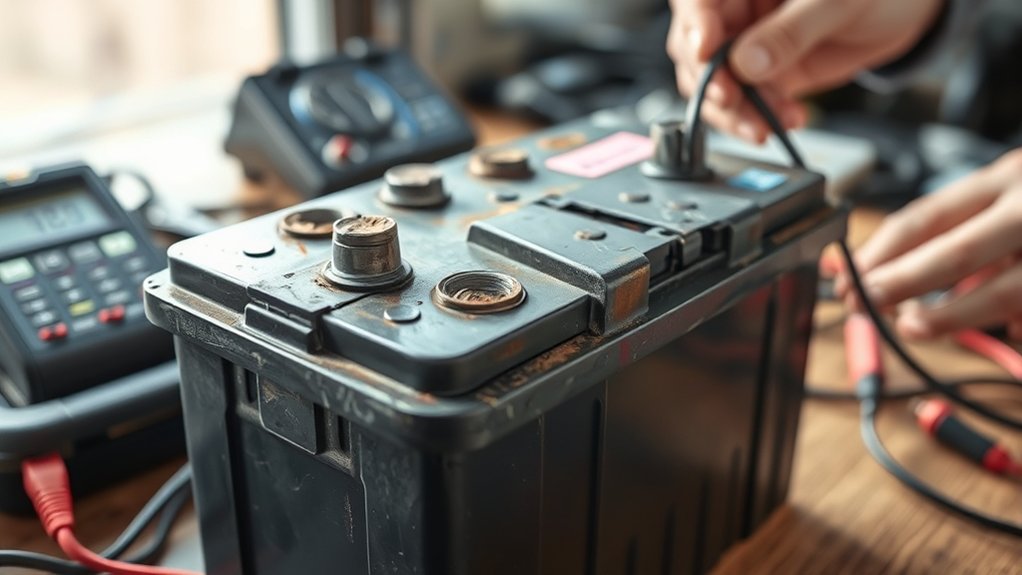
Although many people overlook it, battery reconditioning plays a crucial role in extending the life of your batteries and saving money. When you recondition a battery, you’re fundamentally restoring its capacity and performance by reversing chemical buildup and wear inside. This process helps you avoid premature disposal and reduces the need to buy new batteries frequently.
You also contribute to environmental sustainability by minimizing hazardous waste. Plus, reconditioning can bring back power to batteries that might otherwise be considered dead. By understanding what battery reconditioning means, you empower yourself to maintain your devices longer and make smarter choices about battery care.
It’s a practical skill that benefits both your wallet and the planet.
Signs Your Battery Needs Reconditioning
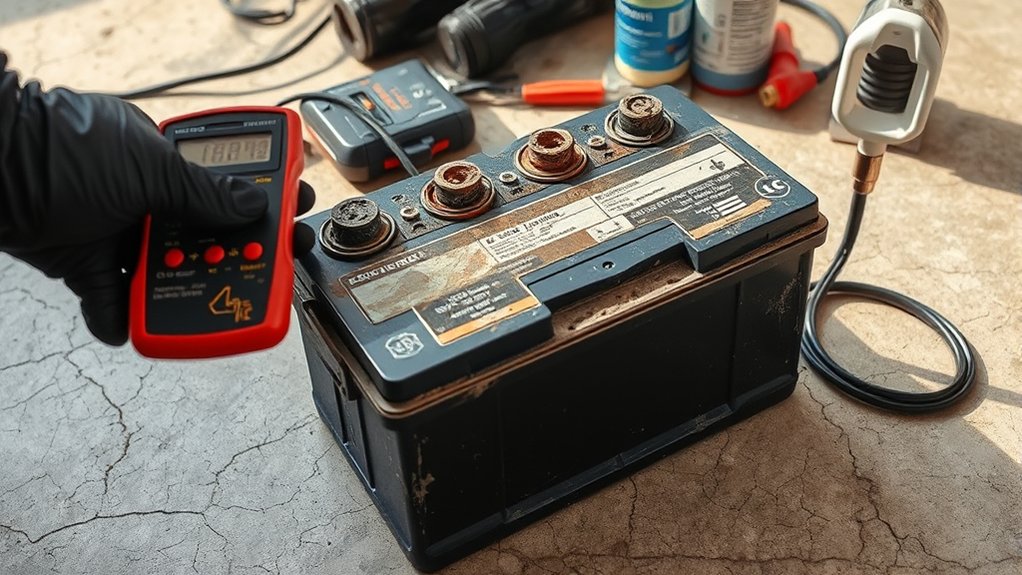
You’ll notice your battery struggling with common performance issues like slow starts or quick power drops. Keep an eye out for visual signs too, such as corrosion or swelling.
These clues tell you it’s time to contemplate reconditioning your battery.
Common Battery Performance Issues
When your device or vehicle starts showing signs of weak or inconsistent power, it’s often a clear indicator that your battery needs reconditioning. You might notice that your battery doesn’t hold a charge as long as it used to or that it drains unexpectedly fast. Other performance issues can signal underlying problems that reconditioning can fix.
Here are common battery performance issues to watch for:
- Slow engine crank or delayed start in vehicles
- Frequent need for recharging in devices
- Rapid battery drain during normal use
- Unexpected shutdowns or power drops
If you experience any of these, reconditioning your battery might restore its efficiency and extend its life.
Visual Battery Damage Signs
If you spot cracks, leaks, or swelling on your battery, it’s a clear sign that it needs reconditioning. These visual indicators show internal damage or chemical breakdown that reduces performance. Corrosion around terminals is another warning; it interrupts proper electrical flow and signals the battery’s health is declining.
Dark stains or fluid residue also suggest leaks, which can lead to short circuits or failure. If your battery casing looks warped or bloated, don’t ignore it—this often means gas has built up inside due to overheating or overcharging. By catching these signs early, you can decide whether reconditioning can restore your battery or if replacement is necessary.
Regularly inspecting your battery helps you maintain peak performance and avoid unexpected breakdowns.
The Science Behind Battery Reconditioning

You’ll find that battery reconditioning works by reversing chemical changes inside the battery’s cells. Over time, common wear like sulfation and corrosion reduces its ability to hold a charge.
Understanding these processes helps you see why reconditioning can restore your battery’s performance.
Electrochemical Process Explained
Although battery reconditioning might seem like a simple reset, it actually relies on complex electrochemical reactions that restore a battery’s capacity. When you recondition a battery, you’re fundamentally reversing some chemical changes that occur during use. Here’s what happens:
- You apply a controlled charge to break down sulfate crystals that form on the battery’s plates.
- This process restores the plates’ active surface area, improving the battery’s ability to hold charge.
- Electrolyte balance is restored, enhancing ion flow between electrodes.
- The battery’s internal resistance decreases, allowing it to deliver power more efficiently.
Understanding these steps helps you see why reconditioning can extend battery life instead of just cycling through charge and discharge.
Common Battery Wear Causes
Since batteries undergo constant chemical and physical changes during use, understanding what causes their wear helps you grasp how reconditioning works. Over time, repeated charging and discharging cycles degrade the battery’s internal components. You’ll notice sulfation in lead-acid batteries, where lead sulfate crystals build up, reducing capacity.
In lithium-ion batteries, electrode material deteriorates, and electrolyte breakdown limits performance. Heat accelerates these processes, so high temperatures can cause faster aging. Overcharging or deep discharging stresses the battery, shortening its lifespan.
Physical damage and corrosion also compromise battery health. By knowing these wear causes, you can better appreciate how reconditioning reverses or mitigates some damage, restoring function and extending battery life effectively.
Tools and Materials Needed for Battery Reconditioning
Before diving into battery reconditioning, gather the essential tools and materials to guarantee a smooth process. Having everything ready saves time and prevents interruptions.
Gather all essential tools first to ensure a smooth and uninterrupted battery reconditioning process.
Here are the key items you’ll need:
- Multimeter – to check voltage and assess battery health accurately.
- Battery charger – a smart charger with reconditioning modes is ideal.
- Safety gear – gloves and goggles protect you from acid and sparks.
- Distilled water and Epsom salt – used to refresh electrolyte solutions in lead-acid batteries.
These tools allow you to test, treat, and recharge batteries effectively. Preparing them beforehand ensures you can handle each step confidently and efficiently, making the reconditioning process much easier.
Safety Tips Before You Start Reconditioning Batteries
When you start reconditioning batteries, prioritizing safety is essential to protect yourself from harmful chemicals and electrical hazards. Always wear protective gloves and goggles to shield your skin and eyes from acid splashes. Work in a well-ventilated area to avoid inhaling toxic fumes.
Keep a neutralizing agent, like baking soda, nearby to quickly counteract any acid spills. Avoid wearing metal jewelry, which can cause short circuits if it contacts battery terminals. Make sure your workspace is dry and free of flammable materials.
Before handling the battery, disconnect it from any power source to prevent electrical shocks. Finally, keep children and pets away while you work. Taking these precautions guarantees your safety and a smoother reconditioning process.
How to Recondition Car Batteries
Now that you’ve prepared a safe workspace, you can start reconditioning your car battery. First, wear protective gear and disconnect the battery cables, starting with the negative terminal.
Second, remove the battery from your car and clean the terminals with a mixture of baking soda and water to eliminate corrosion. Third, check the battery’s electrolyte level; if it’s low, add distilled water carefully.
Fourth, use a battery charger to slowly recharge the battery, then perform a load test to check its capacity. If the battery holds the charge well, it’s successfully reconditioned.
Always handle the battery carefully and dispose of damaged batteries responsibly. Following these steps can extend your battery’s life and save you money.
How to Recondition Rechargeable AA and AAA Batteries
Although rechargeable AA and AAA batteries are designed to last through many charge cycles, their capacity diminishes over time. To recondition them, first fully discharge the battery by using it in a device until it stops working.
Then, recharge it completely. Repeat this discharge/charge cycle 3-5 times to restore some capacity. If the battery still performs poorly, consider using a specialized battery reconditioning charger.
| Step | Action | Purpose |
|---|---|---|
| Discharge | Use battery until device stops | Drains residual charge |
| Recharge | Fully charge battery | Restores energy storage |
| Repeat Cycle | Repeat 3-5 times | Improves battery health |
This method helps reset the battery’s chemical balance, extending its useful life effectively.
Troubleshooting Battery Reconditioning Problems
If your rechargeable AA or AAA batteries don’t regain their capacity after several discharge and charge cycles, you might encounter common issues during reconditioning. Here’s how to troubleshoot them effectively:
- Check Battery Contacts: Dirty or corroded contacts can block current flow. Clean them with a soft cloth or rubbing alcohol.
- Verify Charger Function: Ensure your charger works properly. A faulty charger may not deliver the correct voltage or current.
- Avoid Overheating: Overheating can damage batteries. If they get too hot during reconditioning, pause and let them cool.
- Assess Battery Age: Very old batteries may have irreparable internal damage. If so, reconditioning won’t restore their performance.
How Battery Reconditioning Saves Money and the Environment
By reconditioning your batteries, you not only save money by extending their lifespan but also reduce waste that harms the environment. Instead of buying new batteries frequently, you get more use out of the ones you have, cutting down your expenses considerably. Reconditioning restores battery capacity, so you avoid the cost of replacements.
Environmentally, it means fewer batteries end up in landfills, where harmful chemicals can leak and pollute soil and water. You also lower the demand for raw materials like lead and lithium, which require energy-intensive mining processes. By choosing to recondition, you actively reduce your carbon footprint and help conserve natural resources.
This simple process benefits both your wallet and the planet, making it a smart and eco-friendly choice.
Frequently Asked Questions
Can Battery Reconditioning Improve Smartphone Battery Life?
Yes, battery reconditioning can improve your smartphone’s battery life by restoring some capacity and efficiency. However, it won’t make it brand new, so expect moderate improvements rather than a full recovery.
How Often Can a Single Battery Be Reconditioned?
You can usually recondition a battery 3 to 5 times before its capacity considerably declines. Overdoing it wears the battery out, so monitor performance and avoid frequent deep discharges to extend its overall lifespan effectively.
Are There Any Warranties on Reconditioned Batteries?
Don’t you want peace of mind with your purchase? Yes, many reconditioned batteries come with limited warranties, usually ranging from 3 to 12 months.
Always check the seller’s policy to guarantee you’re covered if issues arise.
Can Reconditioning Fix Battery Memory Effect?
Yes, reconditioning can help reduce battery memory effect by restoring capacity through controlled charge-discharge cycles. However, it won’t fully fix deeply damaged batteries, so results may vary depending on the battery’s condition.
Is Professional Battery Reconditioning Cost-Effective?
Spending on professional battery reconditioning can save you significant sums by stretching your battery’s lifespan. However, weigh the cost carefully—sometimes DIY methods deliver decent results without draining your dollars on expert expenses.
Conclusion
Battery reconditioning isn’t just a smart fix—it’s a game-changer. By learning how to revive your batteries, you’re not only saving money but also giving the planet a much-needed break. Think of it as a second chance for your power sources, turning what seemed useless into something valuable again.
So why toss when you can restore? With the right tools and care, you hold the power to recharge more than just batteries—you recharge possibilities. Understanding what battery recondition means and how to activate it empowers you to extend battery life and reduce waste effectively.

