

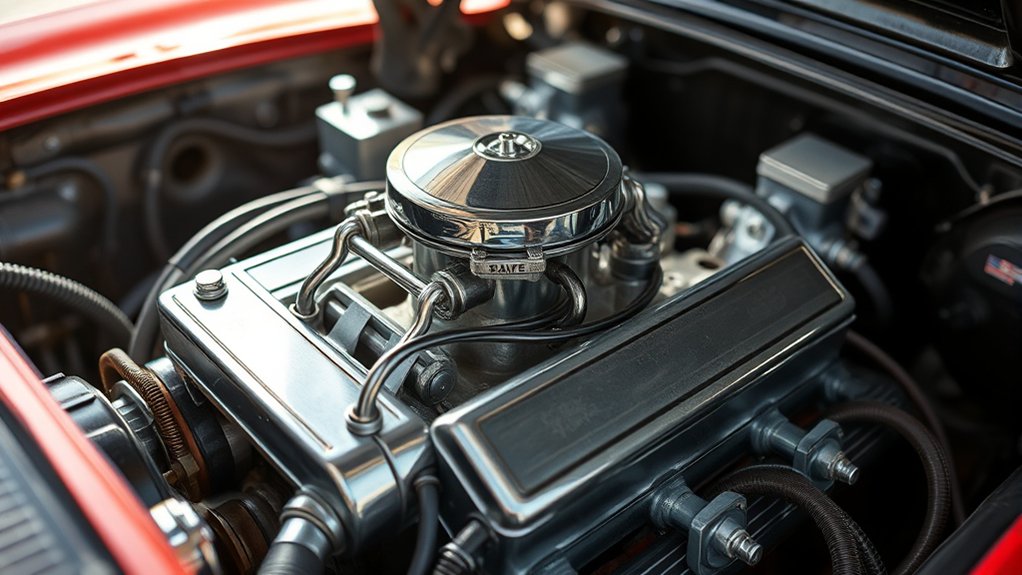
You’ll usually find the carburetor mounted right on top of your engine, sitting above the intake manifold. The carburetor location is key for efficient fuel and air mixing.
In older cars and small engines, it’s easy to spot as a metal box with fuel lines, linkages, and a round or square air filter housing on top.
Its exact spot can vary by engine type but is always positioned for quick airflow control and easy access for maintenance.
Knowing where the carburetor is located helps you troubleshoot engine performance issues. Keep exploring to uncover why its location really matters.
Key Takeaways
- The carburetor is typically mounted on top of the engine, directly above the intake manifold for optimal airflow regulation. In inline engines, it is centrally located atop the intake manifold, while in V-type engines, it sits between the cylinder banks. For flat or boxer engines, the carburetor is positioned lower and near the engine’s center due to horizontally opposed cylinders.
- Small engines like motorcycles and lawnmowers have the carburetor placed close to the air filter housing for easy access. It is usually a metal box with fuel lines and throttle linkages, often under or connected to the circular air filter housing.
Where to Find the Carburetor in Older Vehicles
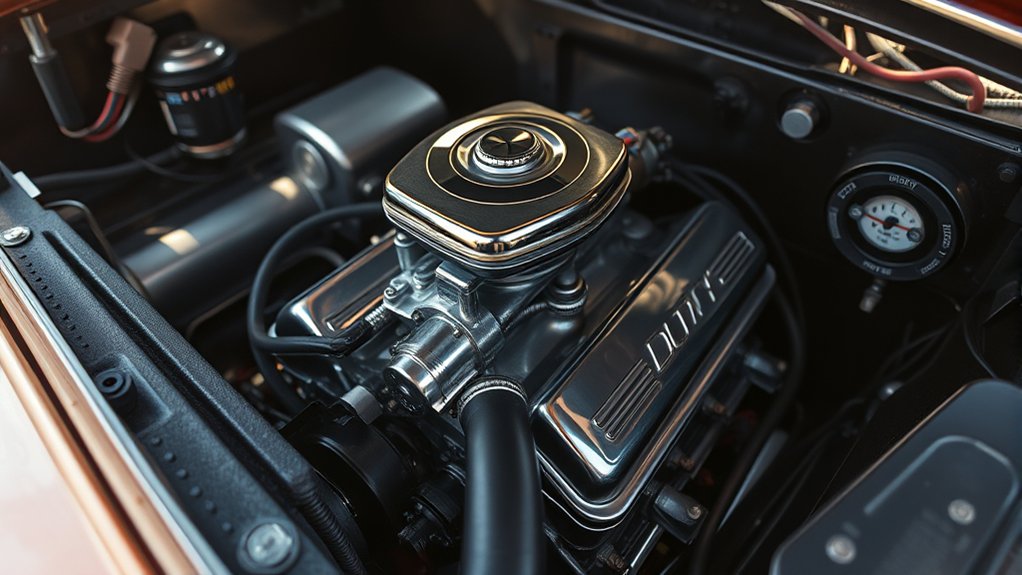
Although many modern cars use fuel injection, older vehicles rely on carburetors to mix air and fuel. When you open the hood of an older car, you’ll typically find the carburetor mounted directly on top of the engine. It sits above the intake manifold, where it controls the air-fuel mixture that enters the engine cylinders.
You’ll recognize it as a round or square metal component, often with a circular air filter housing attached on top. Since carburetors need to regulate airflow precisely, their location allows them to quickly respond to engine demands. By checking just above the engine block, you can easily spot the carburetor in most classic cars, making maintenance and troubleshooting straightforward for you.
Carburetor Placement Differences by Engine Type
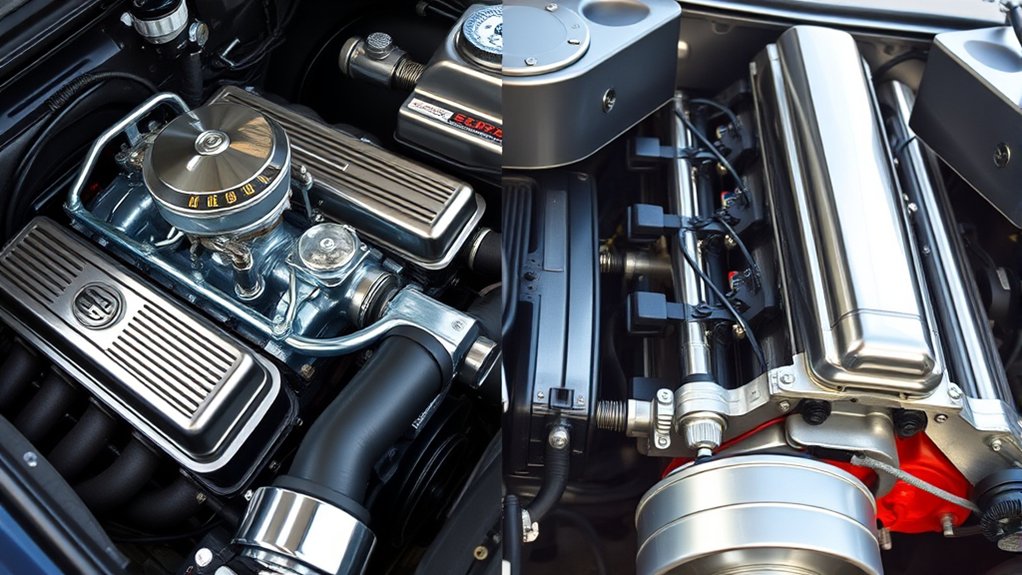
Because engine designs vary widely, carburetor placement can differ considerably depending on the type of engine you’re working with. In inline engines, you’ll typically find the carburetor mounted directly atop the intake manifold, centrally positioned for even fuel-air distribution.
For V-type engines, carburetors usually sit between the two banks of cylinders, on a raised intake manifold, giving it a more recessed location. If you’re dealing with flat or boxer engines, the carburetor often sits lower and towards the center, due to the horizontally opposed cylinder layout.
Small engines, like those in lawnmowers or motorcycles, tend to have carburetors mounted closer to the air filter housing for compactness. Understanding these differences helps you quickly locate the carburetor based on the engine type you’re servicing.
How the Carburetor Works With Other Engine Parts
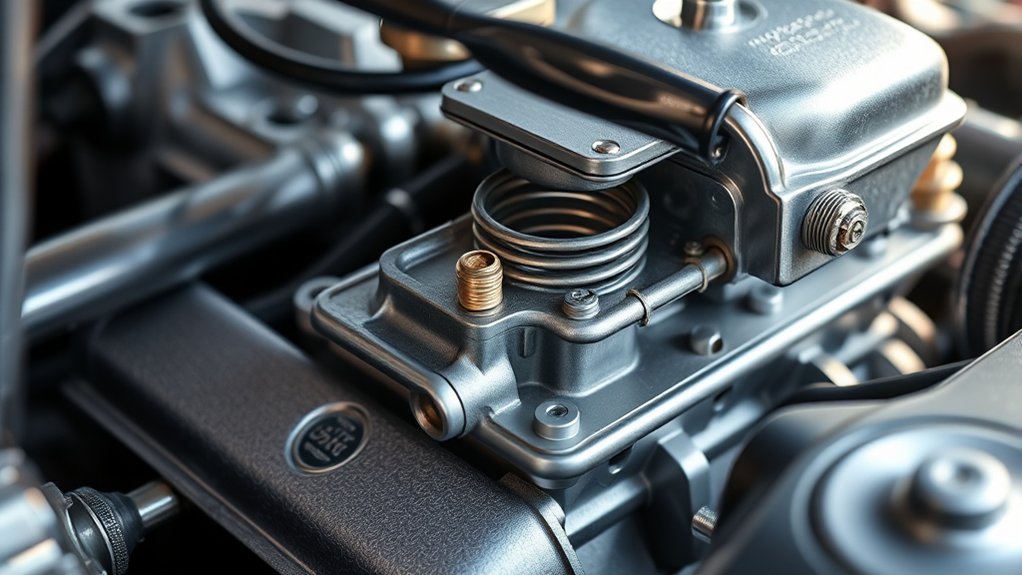
You’ll see the carburetor works closely with other engine parts to coordinate fuel delivery and regulate airflow. It guarantees the right mix reaches the combustion chamber for efficient engine performance.
Understanding this connection helps you grasp how the engine runs smoothly.
Fuel Delivery Coordination
When the carburetor mixes air and fuel, it works closely with other engine parts to guarantee smooth combustion. You’ll find that this coordination ensures your engine runs efficiently and responds well under different conditions.
The carburetor’s role doesn’t stop at mixing; it also communicates indirectly with:
- The fuel pump, which delivers fuel to the carburetor at the right pressure
- The throttle linkage, which controls the amount of air-fuel mixture entering the engine
- The float chamber, maintaining constant fuel levels for consistent mixing
- The ignition system, timing sparks to ignite the air-fuel mixture efficiently
Airflow Regulation Process
The carburetor doesn’t just mix fuel and air; it also plays a key role in regulating airflow to match engine demands. When you open the throttle, the carburetor adjusts the air intake by changing the size of the venturi, which controls the airflow speed. This adjustment guarantees the right amount of air flows into the engine for combustion.
Connected to the throttle valve, the carburetor works closely with the intake manifold, directing the air-fuel mixture precisely where it’s needed. The airflow sensors and choke mechanisms also assist by providing feedback and controlling air volume during different operating conditions, like cold starts. Understanding this process helps you see how the carburetor coordinates with other engine parts to optimize performance and efficiency.
Engine Combustion Integration
Although the carburetor’s primary job is mixing air and fuel, it also works closely with other engine components to guarantee efficient combustion. You’ll find it connected to systems that coordinate fuel delivery and ignition timing, making sure your engine runs smoothly.
Here’s how the carburetor integrates with key parts:
- Intake manifold: Distributes the air-fuel mixture evenly to each cylinder for balanced combustion.
- Throttle linkage: Controls the carburetor’s throttle valve, regulating engine speed and power.
- Choke mechanism: Adjusts the air-fuel ratio during cold starts for easier ignition.
- Ignition system: Sparks ignite the carburetor’s mixture at the right moment, optimizing performance.
How to Identify the Carburetor
You’ll recognize the carburetor by its distinctive shape, usually a metal box with linkages and fuel lines attached. It often sits on top of the engine, near the intake manifold.
Knowing these common locations makes spotting the carburetor much easier.
Visual Characteristics Overview
When trying to spot a carburetor, focus on its distinct shape and placement within the engine bay. It usually sits atop the engine, connecting to the air filter housing. You’ll recognize it by its bulky, metallic body with various linkages and screws.
To help you identify it quickly, look for these key features:
- A rectangular or square base plate where it mounts to the intake manifold
- A rounded top housing, often covered by a circular air filter
- Several fuel lines and throttle linkages attached to the sides
- Visible adjustment screws for idle speed and fuel mixture
Common Carburetor Locations
Since carburetors play a crucial role in mixing air and fuel for the engine, knowing where to find them is essential for maintenance or troubleshooting. Typically, you’ll find the carburetor mounted on top of the engine block, directly above the intake manifold. It’s usually a metal component with a bowl-like shape and several linkages connected to the throttle and choke.
In older cars and small engines like lawnmowers, the carburetor is easy to spot because it’s exposed and centrally located. In contrast, some vehicles hide it under an air filter housing, so you might need to remove that first. Once you locate the engine’s air intake area, you’re close to the carburetor.
Recognizing its position helps you perform adjustments or cleanings effectively.
How to Access the Carburetor for Troubleshooting
Although accessing the carburetor can seem tricky at first, knowing the right steps lets you troubleshoot effectively. First, make sure your engine is cool and the vehicle is parked on a flat surface. Then, open the hood and locate the carburetor—typically found on top of the engine.
To gain clear access, you’ll need to:
- Remove the air filter housing by unscrewing or unclipping it.
- Disconnect any fuel lines or linkages carefully to avoid damage.
- Loosen mounting bolts or screws securing the carburetor.
- Gently lift the carburetor out or slide it aside for inspection.
Following these steps ensures you safely reach the carburetor without causing harm to surrounding components. Once accessed, you can proceed with your troubleshooting confidently.
How to Tell If Your Carburetor Is Acting Up
If your engine starts sputtering, stalling, or idling roughly, your carburetor might be the culprit. You’ll want to check for common signs that indicate it’s acting up.
Pay attention to how your vehicle responds during acceleration, fuel consumption, and engine noise. These clues help you pinpoint carburetor issues before they worsen.
| Symptom | Possible Cause |
|---|---|
| Rough idling | Dirty or clogged jets |
| Engine stalling | Faulty fuel mixture |
| Poor acceleration | Incorrect air-fuel ratio |
| Black smoke from exhaust | Excess fuel (running rich) |
| Hesitation during start | Blocked choke or fuel flow |
Noticing these symptoms early on ensures you can address carburetor problems promptly and keep your engine running smoothly.
Why Carburetor Location Matters for Maintenance
Recognizing carburetor problems is just the first step; knowing where your carburetor is located makes fixing those issues much easier. When you understand its position, you can quickly access it, saving time and preventing unnecessary frustration during maintenance. The location also impacts how you approach the task and what tools you’ll need.
Consider these points on why carburetor location matters for maintenance:
- Accessibility affects how fast you can inspect or repair it.
- Placement influences the safety precautions you must take.
- Knowing its spot helps you spot signs of wear or leaks early.
- The location determines how you disconnect fuel lines and linkages properly.
Tips to Keep Your Carburetor Clean and Working
Keeping your carburetor clean is essential to guarantee your engine runs smoothly and efficiently. Start by regularly inspecting it for dirt, debris, or buildup. Use a carburetor cleaner spray to remove grime; make sure to follow the instructions carefully to avoid damaging components.
Avoid using harsh tools that can scratch or damage delicate parts. Check and replace air filters regularly to prevent dirt from entering the carburetor. If you notice rough idling or poor acceleration, clean the jets and passages as these often get clogged.
Also, drain old fuel from the carburetor to prevent varnish formation. Finally, store your vehicle properly during long periods of inactivity to keep the carburetor in good condition and prevent corrosion.
Frequently Asked Questions
What Are the Main Types of Carburetors?
You’ll find three main types of carburetors: single-barrel, two-barrel, and four-barrel. Each controls air-fuel mix differently, affecting engine performance.
You’ll choose based on your vehicle’s power needs and efficiency goals.
Can a Carburetor Be Replaced With Fuel Injection?
You can totally swap your carburetor for fuel injection—because who doesn’t want a high-tech system replacing that charming, old fuel-mixing contraption? It’s more efficient, precise, and makes your engine run smoother, trust me.
How Often Should a Carburetor Be Rebuilt?
You should rebuild your carburetor every 25,000 to 50,000 miles or if you notice poor engine performance, rough idling, or fuel leaks.
Regular maintenance keeps it running smoothly and prevents costly repairs down the road.
What Tools Are Needed to Rebuild a Carburetor?
You’ll need wrenches, wire brushes, and a workbench for your carburetor rebuild. Don’t forget screwdrivers, socket sets, and carb cleaner.
With these tools, you’ll tackle tough tasks and turn your carburetor back to top shape.
Are Carburetors Still Used in Modern Vehicles?
You won’t find carburetors in most modern vehicles since fuel injection systems have replaced them for better efficiency and control.
However, older cars and some small engines still use carburetors, so you might encounter them there.
Conclusion
Now that you know where the carburetor sits and how it syncs with your engine, you’re set to spot signs of sluggish performance or strange sounds. Staying sharp and swiftly spotting issues means smoother starts and stronger speeds.
Remember, regular routines and respectful care keep your carburetor clean and capable. With consistent attention, you’ll conquer carburetor challenges and cruise confidently.
Ensuring your carburetor’s efficiency endures every drive is key to optimal engine performance. Regular maintenance and timely adjustments will keep your vehicle running smoothly and reliably.

