

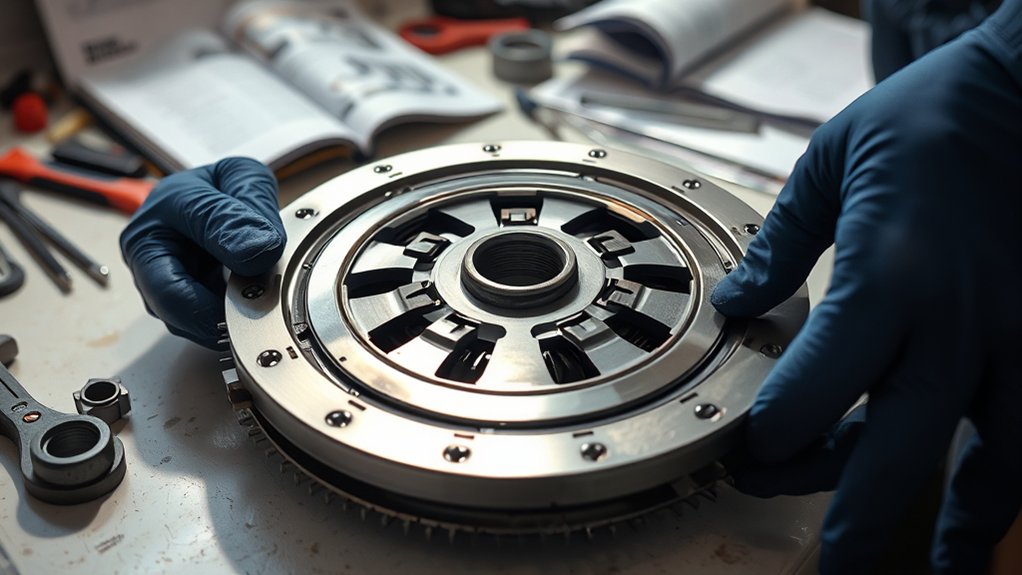
To operate a multi-plate wet clutch smoothly, it is essential to understand the key components such as the clutch plates, basket, pressure plate, springs, and hub. These parts work together to ensure effective power transmission and smooth gear shifts.
Familiarizing yourself with how these elements interact will help you master the clutch operation.
Grip the lever gently and pull it gradually to feel the plate separation. Release the lever slowly to guarantee seamless power transfer.
Coordinate throttle increase as you engage the clutch and shift gears smoothly after full engagement.
Watch for issues like slipping or dragging and maintain your clutch regularly. Proper maintenance and timely adjustments can prolong your clutch’s lifespan.
Keep going to uncover tips on fine-tuning and troubleshooting for lasting performance.
Key Takeaways
- Grip the clutch lever firmly but gently, pulling it gradually to separate the clutch plates smoothly.
- Release the clutch lever slowly, feeling for smooth re-engagement without jerks or stalls.
- Increase throttle gradually during clutch release to ensure seamless power transfer without spikes.
- Shift gears only after the clutch is fully engaged, using smooth and deliberate gear changes.
- Monitor for clutch issues like slipping or dragging, and adjust cables or replace worn parts as needed.
What a Multi-Plate Wet Clutch Does and Why It Matters
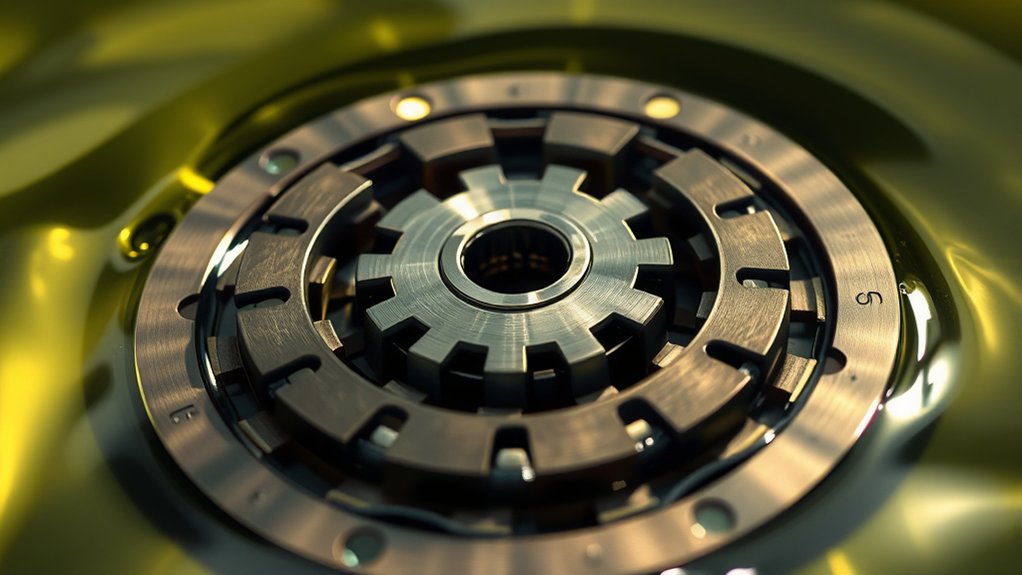
Although it may seem complex, a multi-plate wet clutch plays a crucial role in transmitting power from the engine to the drivetrain smoothly. When you engage the clutch, it connects multiple friction plates and steel plates submerged in oil, allowing power to flow without jerks or loss. This design helps you handle higher torque in compact spaces, which is why you often find it in motorcycles and high-performance vehicles.
The oil keeps the clutch cool and reduces wear, so you get a longer-lasting, consistent performance. By controlling how these plates lock and slip, you can smoothly shift gears and maintain control, even during sudden acceleration or deceleration. Understanding this function is key before you operate or maintain a multi-plate wet clutch effectively.
Identify Multi-Plate Wet Clutch Components Before You Start
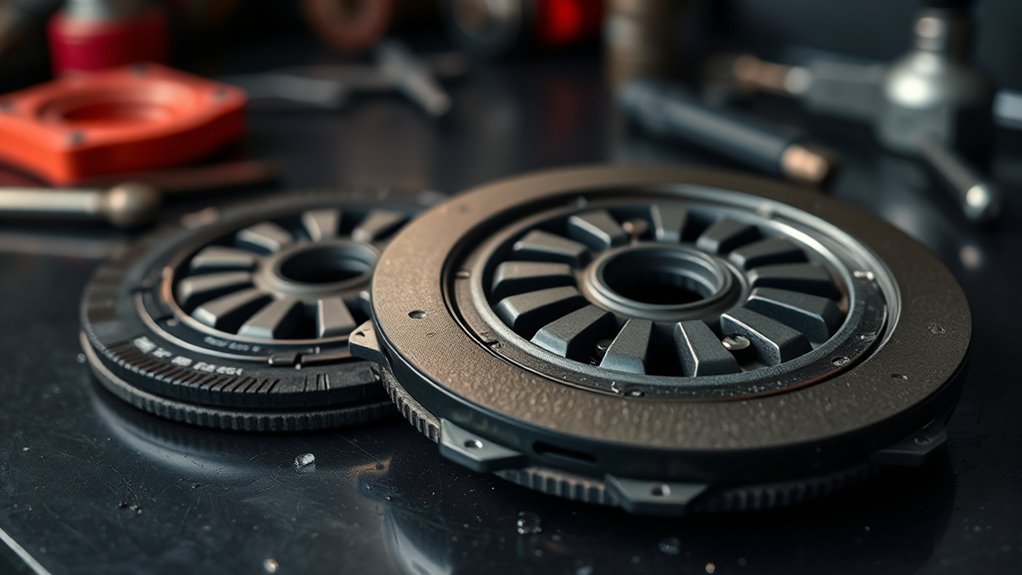
Understanding how the multi-plate wet clutch manages power flow is a good starting point, but to operate or service it properly, you need to recognize its key components. First, identify the clutch plates—alternating friction and steel plates stacked inside the clutch basket. These plates engage and disengage to transfer power smoothly.
Next, locate the clutch basket, which holds these plates and connects to the engine’s crankshaft. The pressure plate presses the clutch pack together when the lever is released, allowing power transfer. Springs apply tension to the pressure plate, controlling engagement force.
Finally, find the clutch hub, which connects the clutch pack to the transmission input shaft. By knowing these components, you’ll confidently handle the clutch without confusion or damage.
How to Engage the Clutch Lever Smoothly
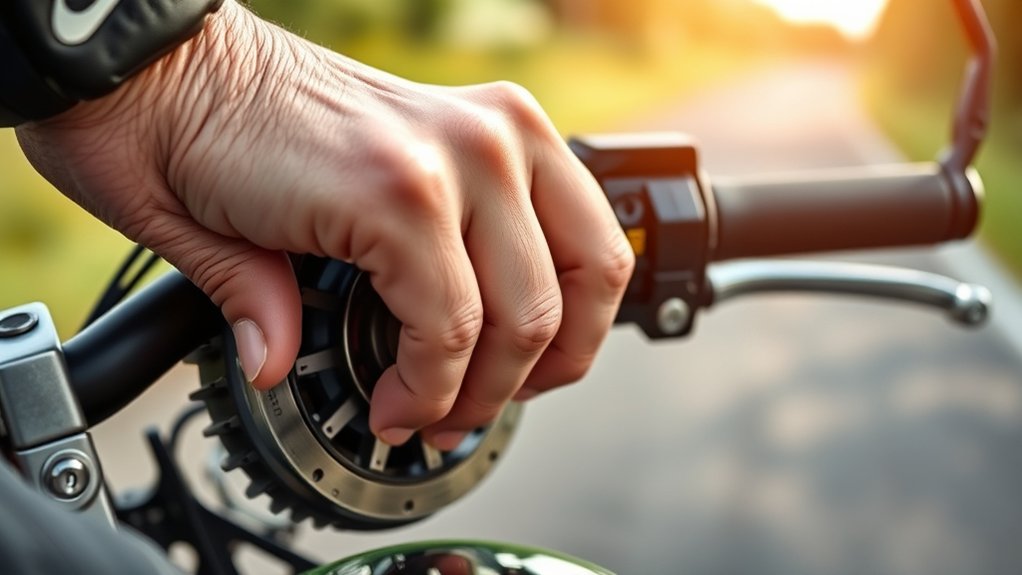
When you pull the clutch lever, you control how smoothly power transfers from the engine to the transmission. Engaging the lever smoothly is key to avoiding jerks and wear. Here’s how to do it right:
Pulling the clutch lever smoothly ensures gentle power transfer, preventing jerks and reducing wear.
- Grip the lever firmly but gently to avoid sudden movements.
- Pull the lever gradually, feeling for the point where the plates start to separate.
- Keep your wrist relaxed to maintain consistent pressure.
- Avoid snapping the lever back quickly; smoothness beats speed here.
- Practice feathering the lever in low-gear situations to build control.
How to Release the Clutch for Seamless Power Transfer
As you release the clutch, you’ll want to do so gradually to guarantee power flows smoothly from the engine to the wheels without causing any jerks or stalling. Begin by slowly easing your grip on the clutch lever, allowing the multi-plate wet clutch to re-engage progressively. This controlled release ensures that the friction plates mesh gently, preventing abrupt power surges.
Pay attention to the engine’s response and feel for any hesitations or sudden movements. If you notice a jerk, slow down the release slightly to maintain smoothness. By mastering this gradual release, you maintain better control over your vehicle and extend the clutch’s lifespan.
Adjust Throttle and Gear Shifts During Clutch Use
Although managing the clutch is essential, you also need to adjust the throttle and time your gear shifts carefully to maintain smooth acceleration and control. Proper coordination prevents jerks and extends your clutch’s life.
Mastering clutch control with precise throttle and gear timing ensures smooth rides and prolongs clutch durability.
Keep these points in mind when adjusting throttle and gear shifts during clutch use:
- Gradually increase throttle as you release the clutch to avoid sudden power spikes.
- Shift gears only after the clutch is fully engaged to prevent slippage.
- Use smooth, deliberate gear changes rather than quick, forceful shifts.
- Match engine speed with wheel speed for seamless progressions.
- Avoid riding the clutch; fully engage or disengage it during gear shifts.
Spot and Fix Clutch Slipping or Dragging
If your clutch slips or drags, you’ll notice a loss of power or difficulty shifting gears, which can harm your bike’s performance and safety. To fix slipping, check for worn clutch plates or low oil levels.
For dragging, inspect cable tension and plate alignment. Here’s a quick guide to spot and address common clutch issues:
| Symptom | Possible Cause |
|---|---|
| Clutch slipping | Worn plates, low oil |
| Clutch dragging | Cable too tight, warped plates |
| Hard gear shifts | Misadjusted cable |
| Burning smell | Overheating clutch |
Keep Your Multi-Plate Wet Clutch Running Strong With Simple Maintenance
To keep your multi-plate wet clutch running strong, you’ll need to replace the fluid regularly, clean the clutch components, and inspect them for wear.
Skipping these simple steps can lead to poor performance or costly repairs.
Let’s break down how each task helps maintain your clutch’s reliability.
Regular Fluid Replacement
How often should you change the fluid in your multi-plate wet clutch? Regular fluid replacement is vital to keep your clutch performing smoothly and prevent overheating or slippage. Typically, you should replace the fluid every 12,000 to 15,000 miles or as recommended by your vehicle’s manufacturer.
Fresh fluid ensures proper lubrication and heat dissipation. When changing the fluid, keep these tips in mind:
- Use the recommended type of clutch fluid.
- Drain the old fluid completely to avoid contamination.
- Check for leaks or damage in the fluid system.
- Bleed the system properly to remove air bubbles.
- Dispose of old fluid responsibly.
Sticking to a fluid replacement schedule will extend your clutch’s life and maintain peak performance.
Clean Clutch Components
Although regular fluid changes keep your multi-plate wet clutch functioning well, cleaning the clutch components themselves is just as important to prevent buildup and wear. Start by carefully removing the clutch assembly according to your vehicle’s manual. Use a soft brush and a non-abrasive, clutch-safe cleaner to gently remove grime, oil residue, and debris from plates, discs, and housing.
Avoid harsh chemicals that can damage friction materials or seals. Make sure to clean all grooves and surfaces thoroughly but handle components delicately to avoid bending or scratching. Once cleaned, let everything dry completely before reassembling.
Regular cleaning helps maintain smooth engagement and extends your clutch’s lifespan, keeping your ride reliable and responsive. Don’t skip this simple step in your clutch maintenance routine.
Inspect for Wear
Why should you regularly inspect your multi-plate wet clutch for wear? Because it ensures smooth operation and extends the clutch’s lifespan. Over time, friction plates and steel plates wear down, which can cause slipping or jerking.
Catching wear early helps you avoid costly repairs and keeps your ride reliable.
When inspecting, focus on these key points:
- Check friction plates for thinning or glazing
- Look for discoloration or warping on steel plates
- Inspect springs for loss of tension or damage
- Examine the clutch basket for notches or grooves
- Ensure all components fit snugly without excessive play
Regular wear checks keep your clutch responsive and prevent breakdowns, saving you time and money down the road.
Frequently Asked Questions
Can a Multi-Plate Wet Clutch Be Used in Motorcycles Only?
No, you can’t use a multi-plate wet clutch only in motorcycles. They’re also common in ATVs, race cars, and other vehicles needing compact, efficient clutch systems.
You’ll find them where smooth, reliable engagement matters most.
What Type of Oil Is Best for a Wet Clutch System?
Think of the right oil as the lifeblood for your wet clutch—use high-quality motorcycle-specific oil with JASO MA or MA2 ratings. It guarantees smooth engagement, prevents slipping, and keeps your clutch running like a dream.
How Does Temperature Affect Multi-Plate Wet Clutch Performance?
You’ll notice that as temperature rises, your multi-plate wet clutch’s friction material softens, which can cause slipping and reduced performance.
Keeping it cool helps maintain consistent grip, preventing overheating and premature wear.
Are There Safety Risks When Operating a Wet Clutch?
You won’t exactly win a firework show by ignoring safety—yes, wet clutches can overheat or slip, risking damage and injury.
Can a Multi-Plate Wet Clutch Be Converted to a Dry Clutch?
You generally can’t convert a multi-plate wet clutch to a dry clutch easily because they require different designs and cooling systems. Trying to do so might cause overheating and damage, so it’s best to stick with the original type.
Conclusion
Now that you know how to operate your multi-plate wet clutch, imagine the smooth glide as you ease the lever, feeling power transfer like silk through your hands. With each precise throttle twist and gear shift, you’re dancing with your machine, avoiding slips and drags.
Keep it well-maintained, and your clutch will purr like a finely tuned engine, ready to take you on endless, effortless rides. Your connection to the road has never felt so alive. Mastering the multi-plate wet clutch ensures optimal performance and longevity for your bike.

