


To clean your fuel filter in 10 simple steps, it is essential to follow a safe and effective process. Proper maintenance of your fuel filter ensures optimal engine performance and fuel efficiency.
Before starting, make certain your vehicle is off and cooled to prevent accidents or burns.
Next, relieve fuel system pressure by removing the fuse and running the engine until it stalls.
Locate and carefully disconnect the fuel lines, removing the filter while catching any spills.
Inspect the filter for dirt or damage to determine if it needs cleaning or replacement.
If the filter is reusable, rinse it with clean fuel and dry it thoroughly.
Reinstall the filter and secure all connections tightly.
Finally, start the engine and check for any leaks to ensure everything is functioning properly.
Follow these basics, and you’ll find more tips to keep your fuel system running smoothly.
Key Takeaways
- Depressurize the fuel system by removing the fuel pump fuse and running the engine until it stalls before disconnecting fuel lines.
- Locate and remove the fuel filter by detaching clamps or brackets while catching any spilled fuel with a container or rag.
- Inspect the filter for dirt, debris, rust, or damage to decide if cleaning or replacement is necessary.
- Clean reusable filters by rinsing with clean fuel or solvent and drying thoroughly before reinstalling.
- Reinstall the filter correctly, secure all connections, pressurize the system, and check carefully for leaks before starting the engine.
How To Clean Your Fuel Filter: A Quick Overview
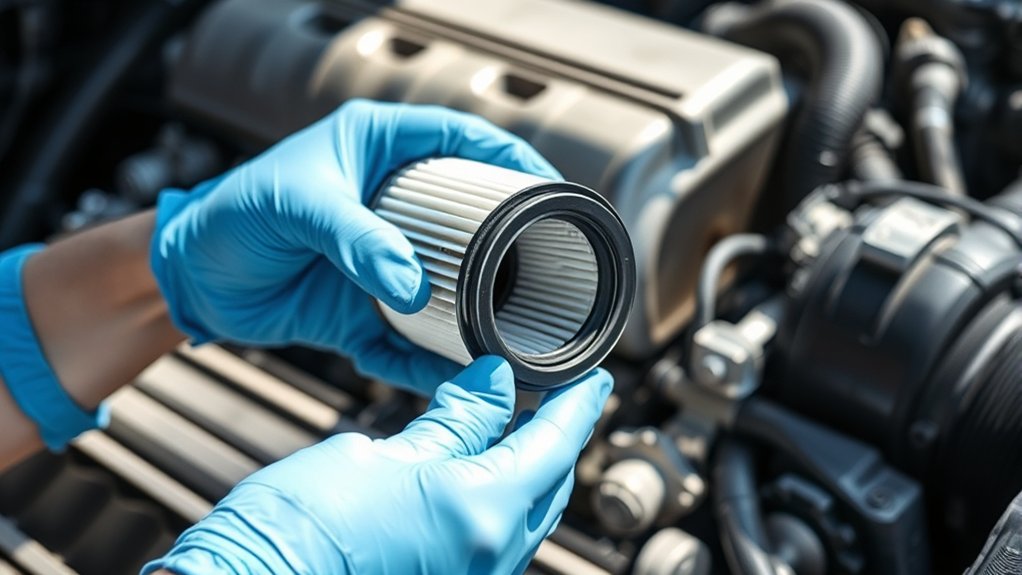
Although cleaning your fuel filter might seem intimidating, you can handle it with a few simple steps. First, make sure your vehicle is off and cooled down to avoid accidents. Locate the fuel filter, usually found along the fuel line or near the fuel tank.
Before removing it, relieve the fuel system pressure by loosening the fuel cap or using a designated valve. Use a wrench to carefully disconnect the fuel lines from the filter, catching any spilled fuel in a container. Inspect the filter for dirt or debris buildup.
If it’s a reusable filter, rinse it with clean fuel or a suitable solvent. Let it dry completely before reinstalling. Finally, reconnect the fuel lines securely and check for leaks once you start the engine.
How To Tell If Your Fuel Filter Is Clogged
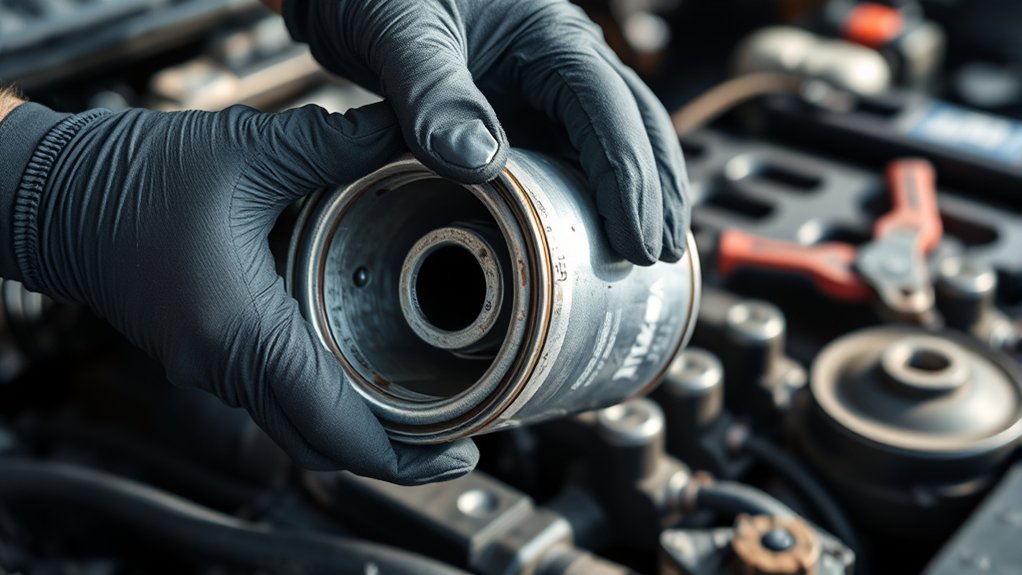
You’ll notice your engine struggling or hesitating during acceleration if the fuel filter is clogged. Your vehicle might also experience a drop in fuel efficiency, making trips more expensive.
These common symptoms are key signs that it’s time to check your fuel filter.
Common Symptoms Noticed
How can you tell if your fuel filter is clogged? You’ll notice several clear signs that indicate it needs cleaning or replacement. Pay attention to these common symptoms:
- Difficulty starting your vehicle, especially after it’s been sitting.
- Engine sputtering or stalling at low speeds.
- Unusual hesitation when you press the accelerator.
- Reduced fuel efficiency compared to usual.
- The check engine light turning on without other obvious causes.
If you spot one or more of these signs, your fuel filter might be restricting fuel flow. Catching these symptoms early helps prevent more serious issues. Regularly inspecting and maintaining your fuel filter ensures smoother performance and avoids unexpected breakdowns.
Next, we’ll dive into how these symptoms relate to engine performance.
Engine Performance Issues
Noticing symptoms like engine sputtering or stalling often points to fuel flow problems caused by a clogged fuel filter. When your filter gets blocked, fuel can’t reach the engine properly, leading to rough idling or hesitation during acceleration. You might also experience difficulty starting the engine or a noticeable loss of power.
If your engine struggles or misfires under load, it’s a clear sign the fuel filter could be restricting flow. These performance issues happen because contaminants in the filter reduce fuel supply, causing inconsistent combustion. Pay attention to these signs, especially if they worsen over time.
Checking and cleaning your fuel filter can restore smooth engine operation and prevent further damage. Don’t ignore these symptoms, as they directly impact your vehicle’s reliability and drivability.
Fuel Efficiency Decline
Why does your vehicle suddenly guzzle more fuel than usual? A clogged fuel filter can restrict fuel flow, forcing your engine to work harder and burn more fuel. If you notice a drop in fuel efficiency, it’s time to check your fuel filter.
Here are signs to watch for:
- Sudden decrease in miles per gallon (MPG)
- Engine hesitation or stalling under load
- Rough idling or misfires
- Trouble starting the engine
- Noticeable loss of power during acceleration
If you spot any of these symptoms, your fuel filter might be clogged and needs cleaning or replacement. Keeping it clear ensures smooth fuel delivery, better engine performance, and improved fuel economy. Don’t let a dirty fuel filter drain your wallet at the pump.
Should You Clean Or Replace Your Fuel Filter?
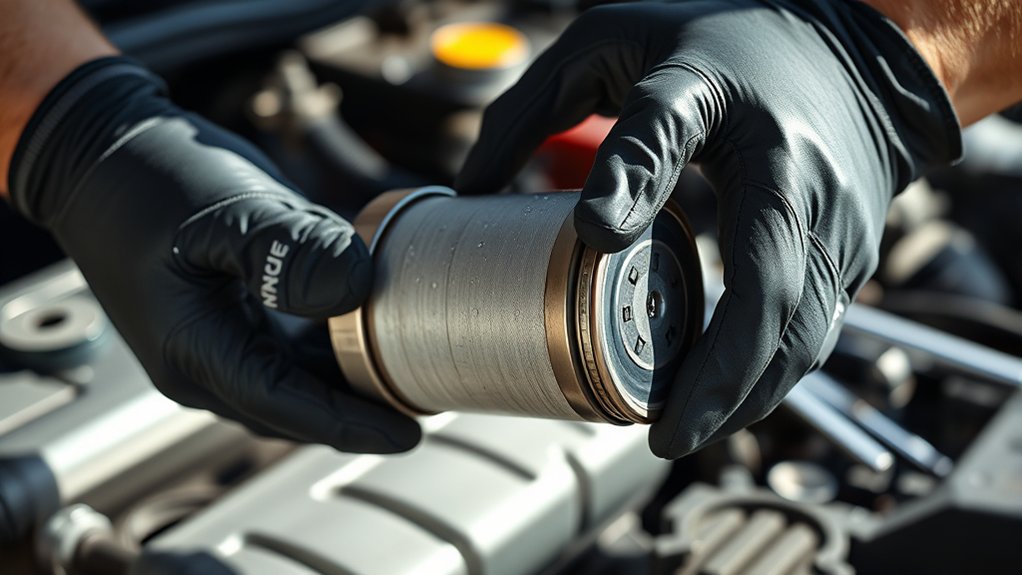
Although some fuel filters can be cleaned, you’ll often find that replacing them is the more effective option. Cleaning might work if the filter isn’t heavily clogged or damaged, but over time, dirt and debris embed deep in the filter media, reducing its ability to protect your engine.
If you notice persistent engine issues or reduced fuel efficiency, replacing the filter guarantees peak performance. Plus, new filters are relatively inexpensive and easy to install, saving you time and hassle compared to repeated cleanings.
However, if you choose to clean, make sure to do it thoroughly and check for any tears or wear. Ultimately, replacing your fuel filter is a safer and more reliable choice to keep your engine running smoothly.
Gather The Tools And Safety Gear You’ll Need
Before you start cleaning your fuel filter, make sure you have the right tools, like wrenches and screwdrivers, ready to go. Don’t forget safety gear such as gloves and eye protection to keep yourself safe from fuel spills.
With these essentials in hand, you’ll be set for a smooth and secure process.
Essential Tools Overview
What tools do you need to clean a fuel filter safely and effectively? Having the right equipment makes the job smoother and prevents damage.
Before you start, gather these essential tools:
- Wrenches or socket set to remove the fuel filter
- Screwdrivers for loosening clamps or screws
- A clean container to catch fuel draining from the filter
- Replacement fuel filter (if needed)
- Rags or paper towels for cleanup
These tools help you work efficiently and avoid spills or injuries. Make sure everything is within reach before beginning so you can focus on the task.
With the right tools ready, cleaning your fuel filter will be straightforward and hassle-free.
Safety Equipment Checklist
How can you protect yourself while cleaning a fuel filter? First, grab safety goggles to shield your eyes from fuel splashes. Wear chemical-resistant gloves to keep your hands safe from harmful fumes and liquids.
A long-sleeved shirt and pants will protect your skin from accidental contact. Work in a well-ventilated area or outdoors to avoid inhaling dangerous fumes. Keep a fire extinguisher nearby since fuel is highly flammable.
Also, have rags or absorbent pads ready to clean up spills quickly. Avoid open flames or sparks during the process. Finally, use a face mask if you’re sensitive to fumes.
Gathering and using this safety gear will help you stay protected throughout your fuel filter cleaning.
Locate The Fuel Filter In Your Vehicle
Although the location of the fuel filter varies by vehicle make and model, you’ll typically find it along the fuel line either near the fuel tank, under the vehicle, or in the engine compartment. To locate it, check these common spots:
Fuel filters are usually found along the fuel line near the tank, under the vehicle, or in the engine bay.
- Along the frame rail under the car
- Inside the engine bay near the firewall
- Close to the fuel tank underneath
- Near the carburetor or fuel injection system
- Behind the kick panel inside the cabin (less common)
Consult your owner’s manual or a repair guide for exact placement. Identifying the fuel filter’s location is essential before you start cleaning or replacing it, so take your time to inspect carefully. Once found, you’ll be ready for the next steps in maintaining your fuel system.
How To Safely Relieve Fuel System Pressure
Before you start, make sure you can identify key fuel system components like the fuel pump and pressure relief valve. Always wear proper safety gear, including gloves and eye protection, to prevent injury. Taking these steps helps you safely relieve the fuel system pressure without any accidents.
Identify Fuel System Components
Where do you start when preparing to relieve fuel system pressure? First, you need to identify the key fuel system components to avoid mistakes and guarantee safety. Knowing these parts helps you locate where pressure builds up and where to relieve it properly.
Focus on these critical components:
- Fuel pump (usually inside the fuel tank or inline)
- Fuel injectors (spray fuel into the engine)
- Fuel rail (distributes fuel to injectors)
- Fuel pressure regulator (controls system pressure)
- Fuel filter (traps contaminants before fuel reaches the engine)
Use Proper Safety Gear
When you’re ready to relieve fuel system pressure, putting on proper safety gear is crucial to protect yourself from fuel spray and fumes. You’ll want gloves to shield your hands, goggles to protect your eyes, and a mask or respirator to avoid inhaling harmful vapors. Wearing long sleeves and working in a well-ventilated area further reduces risks.
Safety gear ensures you stay safe while tackling the task confidently.
| Safety Gear | Purpose | Tips |
|---|---|---|
| Gloves | Protect skin from fuel | Use chemical-resistant types |
| Goggles | Shield eyes from spray | Fit snugly without gaps |
| Mask/Respirator | Filter harmful fumes | Choose N95 or better |
| Long Sleeves | Prevent skin contact | Wear flame-resistant fabric |
| Ventilation | Disperse fumes | Work outdoors or use fans |
Disconnect And Remove The Old Fuel Filter
Since fuel systems can be pressurized, you’ll want to relieve this pressure first to prevent fuel spray. Begin by locating the fuel pump fuse and removing it, then start the engine until it stalls. This step guarantees the fuel lines are depressurized.
Next, gather your tools and prepare to disconnect the old fuel filter safely.
Here’s how to disconnect and remove it:
- Wear gloves and safety goggles to protect yourself
- Use a wrench or appropriate tool to loosen the fuel line fittings
- Place a container or rag underneath to catch any spilled fuel
- Carefully disconnect both inlet and outlet fuel lines from the filter
- Remove any mounting brackets or clips holding the filter in place
Now, you’re ready to take out the old fuel filter without mess or injury.
Clean Or Replace Your Fuel Filter
Why should you clean your fuel filter instead of always replacing it? Cleaning saves money and reduces waste, extending your filter’s life if it’s not severely clogged or damaged.
However, if the filter shows signs of rust, holes, or persistent blockage, replacement is necessary for best engine performance.
Here’s how to decide:
| Condition | Action |
|---|---|
| Minor dirt buildup | Clean filter |
| Rust or corrosion | Replace filter |
| Visible holes | Replace filter |
| Persistent blockage | Replace filter |
| Slight clogging | Clean filter |
Reinstall The Fuel Filter And Check For Leaks
After cleaning or replacing your fuel filter based on its condition, you’re ready to put it back in place. Start by aligning the filter correctly with the flow direction marked on it. Secure the clamps or brackets firmly but avoid overtightening, which can damage the filter or hoses.
Reconnect the fuel lines, ensuring they fit snugly to prevent leaks.
To check for leaks:
- Turn the ignition on without starting the engine to pressurize the system.
- Inspect all connections for any signs of fuel seepage.
- Wipe around the filter area to detect fresh leaks.
- If you spot leaks, tighten connections as needed.
- Start the engine and watch closely for any fuel drips or smells.
This guarantees your fuel system is safe and efficient.
How To Maintain Your Fuel Filter For Longevity
To keep your fuel filter working efficiently for years, you need to perform regular maintenance and stay attentive to your vehicle’s performance. Start by checking the filter according to your vehicle’s service schedule, usually every 20,000 to 40,000 miles. Replace it promptly if you notice signs like engine misfires, poor acceleration, or difficulty starting.
Always use high-quality fuel to reduce contaminants that clog the filter. Keep your fuel tank at least a quarter full to prevent sediment from entering the filter. When replacing or cleaning the filter, inspect fuel lines and connections for leaks or damage.
Frequently Asked Questions
What Causes Fuel Filters to Become Clogged Quickly?
You’ll find fuel filters clog quickly because of dirty fuel, debris, rust, or water contamination. Using poor-quality fuel or driving in dusty areas also speeds up clogging, so regular checks and clean fuel help prevent issues.
Can a Dirty Fuel Filter Affect Engine Performance?
A dirty fuel filter can choke your engine’s performance like a thief stealing breath. You’ll notice rough idling, hesitation, and power loss.
Don’t let grime sabotage your ride—clean or replace it to keep things running smoothly.
How Often Should Fuel Filters Be Replaced for Different Vehicles?
You should replace fuel filters every 20,000 to 40,000 miles for most cars, but check your vehicle’s manual. Diesel engines might need more frequent changes, while some newer models last longer before replacement.
Regular maintenance is key to ensuring optimal engine performance. Always refer to the manufacturer’s recommendations for the best guidance. This helps avoid potential engine issues related to clogged filters.
Are There Different Types of Fuel Filters for Gasoline and Diesel Engines?
Of course, you don’t want to mix up your fuel filters like cereal and milk! Gasoline and diesel engines have different filters because they handle fuel differently—so pick the right one unless you’re craving a costly engine tantrum.
What Are the Risks of Not Cleaning or Replacing a Fuel Filter?
If you don’t clean or replace your fuel filter, you’ll risk clogged fuel lines, poor engine performance, and potential engine damage.
Your vehicle might stall or struggle to start, leading to costly repairs and reduced fuel efficiency.
Conclusion
You might think cleaning your fuel filter is too tricky or time-consuming, but it’s actually straightforward and saves you money in the long run.
By following these simple steps, you can keep your engine running smoothly and avoid costly repairs. Regular maintenance guarantees better fuel efficiency and prolongs your vehicle’s life.
So don’t hesitate—cleaning your fuel filter yourself is easier than you think and definitely worth the effort. Proper fuel filter maintenance is key to enhancing your car’s performance and ensuring reliability.

