

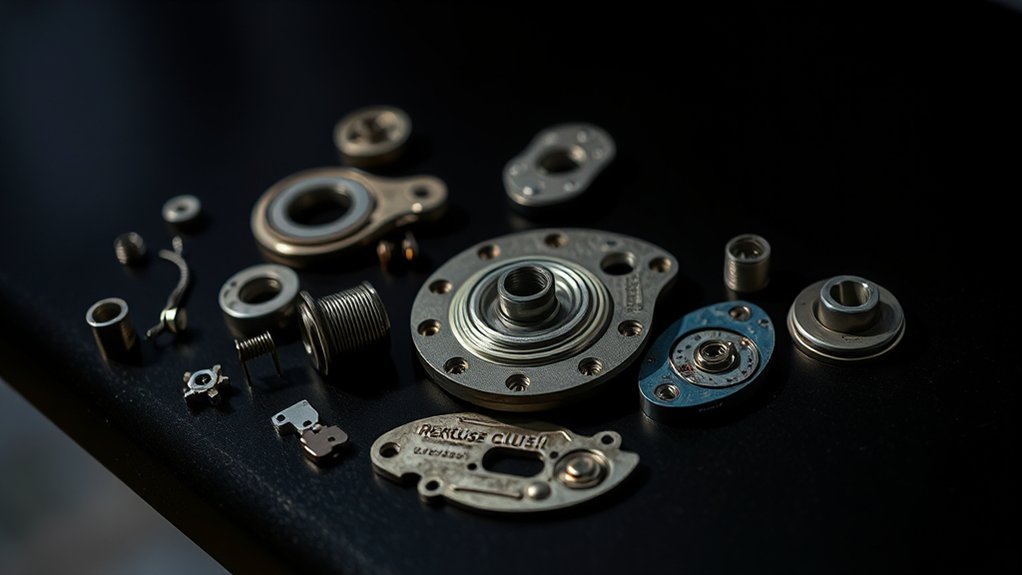
A Rekluse clutch is an innovative automatic clutch system designed to enhance riding performance and control. It works by automatically engaging as you increase engine RPM, eliminating the need for manual clutch lever operation. This technology is especially beneficial for off-road and motocross riders who require smooth power delivery and precise throttle control.
Weighted ramps inside the clutch spin faster with rising RPM, pushing friction plates outward against steel plates. This action smoothly transfers power to the drivetrain without any input from the rider’s hand.
When the RPM drops, springs pull the plates apart, disengaging the clutch to prevent engine stalling.
This automatic engagement and disengagement system allows you to focus solely on throttle control. It helps you ride more smoothly in tricky situations and reduces rider fatigue.
Keep exploring, and you’ll discover how each component plays a crucial role in this seamless process.
Key Takeaways
- Engine RPM increases, spinning the weighted ramps inside the clutch faster, generating centrifugal force.
- Centrifugal force pushes the weighted ramps outward, forcing the pressure plate forward.
- The pressure plate compresses friction and steel plates, engaging the clutch and transferring power smoothly.
- Sensors monitor RPM and torque to ensure clutch engagement activates at optimal engine load and speed.
- When RPM drops, springs push plates apart, disengaging the clutch to prevent stalling and allow smooth idle.
What Is a Rekluse Clutch? Why It Matters
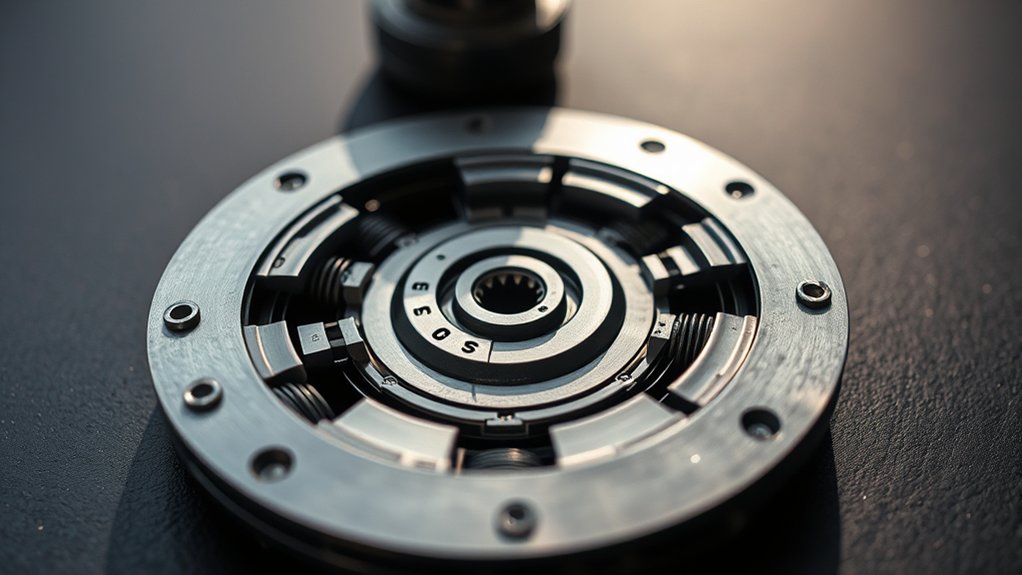
Although it might seem like just another motorcycle part, a Rekluse clutch can completely change your riding experience. You’ll appreciate how it automatically adjusts clutch engagement based on engine speed, giving you smoother starts and less stalling. This means you can focus more on riding and less on clutch control, especially in tricky situations like technical trails or stop-and-go traffic.
The Rekluse clutch uses a unique auto-engagement system that reduces rider fatigue and improves control without sacrificing performance. When you install one, you’ll notice improved throttle response and confidence, making your rides more enjoyable and less stressful. Simply put, a Rekluse clutch matters because it enhances your bike’s usability and makes riding more accessible to all skill levels.
How a Traditional Clutch Works vs. a Rekluse Clutch
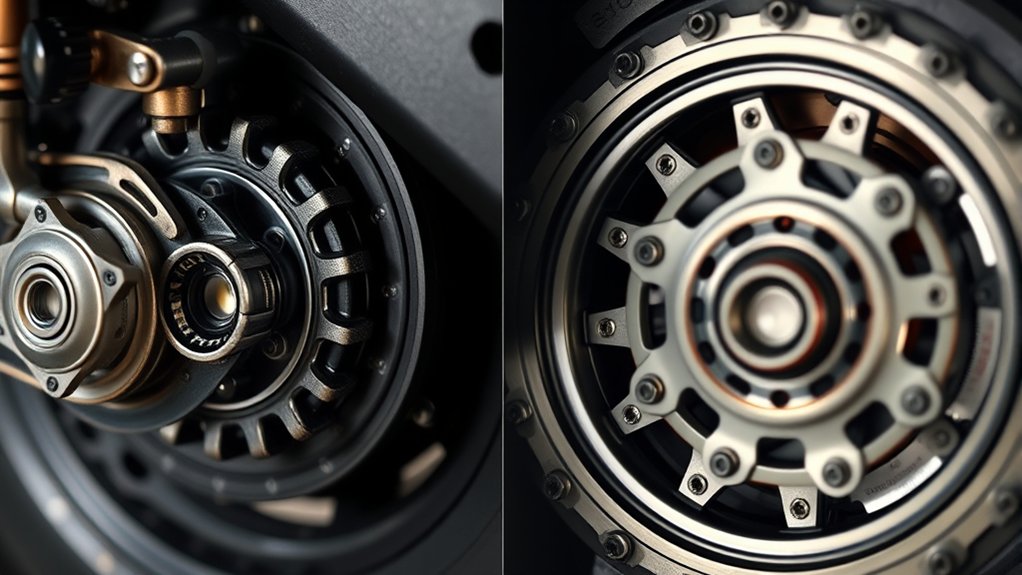
You control a traditional clutch by manually engaging and disengaging it to manage power flow. A Rekluse clutch, however, uses an automatic mechanism to adjust engagement based on engine speed.
Let’s explore how these two systems operate differently.
Traditional Clutch Operation
How does a traditional clutch work compared to a Rekluse clutch? With a traditional clutch, you manually control the connection between the engine and transmission. You pull the clutch lever to disengage, shift gears, and then release the lever to re-engage power.
This gives you full control but requires skill to avoid stalling or jerking.
Here’s a quick comparison of traditional clutch operation:
| Aspect | Traditional Clutch | Rekluse Clutch |
|---|---|---|
| Engagement | Manual via clutch lever | Automatic based on engine RPM |
| Skill Required | High | Low |
| Control | Full control over power delivery | Hands-free operation |
| Stalling Risk | Possible if misused | Minimal |
You’ll find that traditional clutches need your constant attention and timing.
Rekluse Clutch Mechanism
Traditional clutches rely on your manual input to control engagement, but Rekluse clutches use a different approach that changes how power is delivered. Instead of you manually modulating the clutch lever, the Rekluse clutch uses an automatic centrifugal system. As engine speed increases, weighted friction disks inside the clutch expand, automatically engaging the clutch plates.
This means the clutch engages smoothly without you having to slip the lever. When the engine slows or idles, the clutch disengages, allowing you to stop without stalling or using the clutch lever. You still have full control when you want to shift gears, but the Rekluse clutch handles engagement and disengagement dynamically.
This mechanism improves control, especially in technical riding situations, by reducing the need for constant clutch modulation.
Key Components Inside a Rekluse Clutch Explained
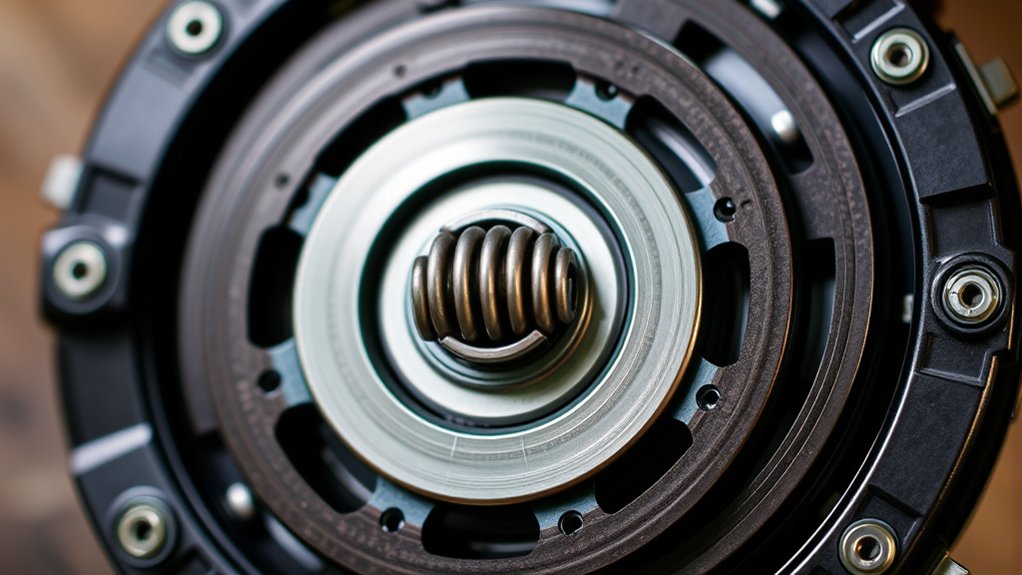
Now, let’s look at what’s inside a Rekluse clutch and how each part works together. You’ll see how the clutch hub, auto-engage mechanism, and friction plates play essential roles.
Understanding these components will help you grasp why Rekluse clutches perform so smoothly.
Clutch Hub Functionality
What makes the clutch hub inside a Rekluse clutch so essential? It acts as the central piece, connecting the engine’s power to the transmission. The hub holds the friction plates and steel plates, enabling smooth engagement and disengagement.
When you twist the throttle, the hub spins and transfers torque, managing power flow efficiently.
Here’s a quick look at its main functions:
| Function | Role in Clutch Hub | Impact on Performance |
|---|---|---|
| Power Transfer | Connects engine to drivetrain | Smooth acceleration |
| Plate Support | Holds friction and steel plates | Prevents slippage |
| Torque Management | Controls engagement force | Enhances control and durability |
Understanding the clutch hub helps you appreciate how Rekluse clutches deliver precise power handling.
Auto-Engage Mechanism
Although the clutch hub plays a vital role, the auto-engage mechanism inside a Rekluse clutch truly sets it apart by automating engagement without any input from you. This system uses centrifugal force to control clutch engagement, allowing you to focus on riding rather than clutch control.
Here’s how it works:
- Weighted Ramp System: As engine RPM increases, centrifugal force pushes weighted ramps outward.
- Pressure Plate Movement: The ramps push the pressure plate forward, compressing the clutch pack.
- Automatic Engagement: This compression engages the clutch, transmitting power to the drivetrain smoothly and instantly.
Thanks to this auto-engage mechanism, you get seamless power delivery without needing to manually operate the clutch lever for every stop or start.
Friction Plates Role
The auto-engage mechanism sets the stage for smooth clutch operation, but the friction plates handle the real work of transferring power. When the clutch engages, these plates press tightly against each other, creating the necessary friction to connect the engine to the transmission. You’ll find alternating friction plates and steel plates stacked inside the clutch hub.
As the friction plates bind with the steel ones, they transmit torque from the engine to the drivetrain. Their material composition ensures they grip firmly without overheating or wearing out too quickly. If the friction plates wear down, you’ll notice slipping or reduced power delivery, signaling it’s time for replacement.
Understanding their role helps you appreciate how the Rekluse clutch provides smooth, responsive power transfer without manual clutch input.
How Rekluse Clutch Pressure Plates and Springs Work
When you engage a Rekluse clutch, its pressure plates and springs work together to manage clutch engagement smoothly and efficiently. The pressure plates apply force to the friction plates, controlling the transfer of power from the engine to the transmission. Springs maintain tension, ensuring the clutch stays engaged or disengaged as needed.
Here’s how they function:
- Pressure Application: The plates press against the friction discs, enabling power transfer.
- Spring Tension: Springs hold the pressure plates firmly, regulating clutch bite and release.
- Automatic Adjustment: As engine speed changes, springs help adjust pressure for consistent engagement without manual input.
This system reduces rider effort and prevents stalling by automatically modulating clutch pressure.
How the Drive Hub and Sliders Work in a Rekluse Clutch
Since the drive hub connects the engine to the clutch assembly, it plays an essential role in power transfer, while the sliders help regulate engagement by controlling how the pressure plates move. When the engine spins, the drive hub turns, transmitting power through the clutch. The sliders, positioned between the drive hub and pressure plates, guide the plates’ movement, ensuring smooth engagement and disengagement.
They allow the pressure plates to move radially—either pressing tightly against the clutch pack for power transfer or releasing to let the engine idle without stalling. By precisely controlling this movement, the sliders prevent abrupt clutch grabs or slips, improving rideability. You’ll find their design critical for maintaining consistent clutch feel and performance under varying engine speeds and loads.
How the Auto-Engage Mechanism Activates Your Rekluse Clutch
You’ll notice the auto-engage mechanism kicks in as sensors detect the right conditions. This triggers the clutch to engage precisely when needed, ensuring smooth timing.
From there, torque transfers efficiently to keep your ride responsive and controlled.
Sensor Activation Process
Although it may seem like magic, the auto-engage mechanism activates your Rekluse clutch through a precise sensor activation process. This process guarantees the clutch engages seamlessly without you needing to manually operate it.
Here’s how it works:
- RPM Detection: Sensors monitor your engine’s RPM, detecting when it reaches a specific threshold.
- Torque Sensing: The system measures torque output to confirm the engine’s load conditions are right for engagement.
- Signal Transmission: Once the RPM and torque criteria are met, the sensors send an electronic signal to the clutch mechanism to activate.
This sensor-driven activation allows your Rekluse clutch to respond instantly, providing smooth power delivery and eliminating the need for constant clutch control.
Clutch Engagement Timing
When the sensors detect the right engine conditions, the auto-engage mechanism activates your Rekluse clutch at precisely the right moment to guarantee smooth power transfer. This timing ensures the clutch engages without you needing to manually modulate the lever. It responds to RPM changes, throttle position, and engine load to determine when to engage.
The mechanism acts quickly, preventing stalling or jerking during acceleration or deceleration.
| Engine RPM Range | Throttle Position | Clutch Engagement Status |
|---|---|---|
| Low | Closed | Disengaged |
| Moderate | Partial | Partial Engagement |
| High | Open | Fully Engaged |
Torque Transfer Initiation
How does the auto-engage mechanism initiate torque transfer in your Rekluse clutch? It automatically senses when to engage, allowing power to flow smoothly without you having to manually operate the clutch.
Here’s how it works:
- Centrifugal Force Activation: As engine RPM increases, centrifugal force pushes weighted ramps or balls outward, moving the clutch plates closer together.
- Clutch Plate Compression: This movement compresses the friction plates, creating a solid connection between the engine and transmission.
- Torque Transfer: With the plates engaged, torque transfers from the engine to the drivetrain, propelling your bike forward.
You don’t have to think about clutch modulation—the Rekluse clutch handles torque transfer seamlessly, improving control and reducing rider fatigue during stop-and-go conditions.
How the Rekluse Clutch Engages Step by Step
Understanding the Rekluse clutch engagement starts with recognizing the role of its unique centrifugal mechanism. As engine RPM rises, weighted ramps inside the clutch spin faster, forcing the friction plates outward. This action gradually pushes the clutch plates together, engaging the drivetrain smoothly without manual clutch input.
You’ll notice power transfer becomes seamless as the clutch modulates engagement based on engine speed.
| Step | Action | Effect |
|---|---|---|
| 1 | Engine RPM increases | Weighted ramps spin faster |
| 2 | Ramps push friction plates out | Plates move toward engagement |
| 3 | Plates contact firmly | Clutch starts to engage |
| 4 | Torque transfers to drivetrain | Power flows smoothly |
| 5 | Full engagement achieved | Bike accelerates efficiently |
How the Rekluse Clutch Disengages at Idle and Low RPM
Although the Rekluse clutch engages automatically as RPM rises, it also disengages smoothly at idle and low engine speeds to prevent stalling. You’ll notice this happens without any clutch lever input, thanks to its clever design. Here’s how it works:
- Centrifugal force decreases: As RPM drops, the force pushing the clutch plates together lessens, allowing them to separate.
- Spring pressure expands: Springs inside the clutch hub push the friction plates apart, disengaging the clutch.
- Torque transfer stops: With plates separated, power flow to the transmission halts, letting your engine idle without stalling.
This automatic disengagement means you can focus on throttle control without worrying about stalling at low speeds or when stopped.
How a Rekluse Clutch Improves Riding in Tough Terrain
The smooth engagement and disengagement of a Rekluse clutch give you greater control when maneuvering tough terrain. You can focus more on steering and throttle control without worrying about stalling or clutch slipping.
This helps you maintain momentum on tricky sections like rocks, mud, or steep inclines.
Here’s how it improves riding:
| Benefit | Description | Impact on Riding |
|---|---|---|
| Consistent Power | Automatically adjusts engagement pressure | Smooth throttle response |
| Reduced Fatigue | Less clutch lever use | Longer, more comfortable rides |
| Better Traction | Prevents sudden power loss | Improved stability on rough ground |
With a Rekluse clutch, you’ll confidently tackle challenging terrain while preserving your bike’s performance and your energy.
What Riders Get Wrong About Rekluse Clutches
Many riders assume Rekluse clutches are just for preventing stalls, but that’s only part of the story. You might think it’s a “set and forget” upgrade, but it actually changes how your bike behaves and demands a different riding approach.
Here’s what riders often get wrong:
- It eliminates the need to use the clutch lever – You still need it for shifting and precise control, not just letting go.
- It’s only for beginners – Pros use Rekluse clutches to push limits in technical terrain and racing.
- It reduces power delivery – Properly adjusted, it maintains smooth, consistent power without sacrificing performance.
Understanding these points helps you get the most out of your Rekluse clutch and ride smarter.
Maintaining Your Rekluse Clutch: Tips and Tricks
Wondering how to keep your Rekluse clutch performing at its best? Start by regularly checking the clutch fluid level and quality, as clean fluid ensures smooth operation. Replace the fluid as recommended in your owner’s manual to avoid contamination.
Keep an eye on the clutch springs and friction discs for wear; swapping them out before failure prevents costly damage. Always use the specified Rekluse parts and lubricants to maintain compatibility and performance. When reinstalling, torque bolts to the manufacturer’s specs to avoid warping or leaks.
Clean the clutch basket and hub to remove debris, which can cause uneven engagement. Finally, give your clutch proper warm-up time before aggressive riding to extend its life. These simple steps help you get the most out of your Rekluse clutch.
Troubleshooting Common Rekluse Clutch Issues
Regular maintenance keeps your Rekluse clutch running smoothly, but occasional issues can still arise. If you notice slipping, grinding, or inconsistent engagement, don’t worry—you can troubleshoot these problems efficiently.
Here are three common issues and how to address them:
- Clutch Slipping: Check for worn friction plates or incorrect free play adjustment. Replace plates if worn and adjust the free play according to the manual.
- Grinding Noise: Inspect the clutch basket and hub for grooves or damage. Clean or replace damaged parts to restore smooth operation.
- Inconsistent Engagement: Verify the centrifugal weights and springs are intact and properly installed. Replace any damaged components and confirm that the clutch cable or hydraulic system is functioning correctly.
Is It Time to Upgrade to a Rekluse Clutch?
If you’re experiencing frequent clutch issues or seeking better performance, it might be time to upgrade to a Rekluse clutch. Rekluse clutches offer smoother engagement and reduce the risk of stalling, especially in technical riding or stop-and-go traffic. They provide automatic clutch modulation, so you can focus more on throttle control and less on clutch lever finesse.
If you want to improve acceleration and reduce rider fatigue, this upgrade is worth considering. Additionally, a Rekluse clutch can extend your clutch life by minimizing wear caused by improper use. Before you decide, assess your riding style and needs—if you ride aggressively or in challenging conditions, a Rekluse clutch can make a noticeable difference in control and confidence.
Frequently Asked Questions
Can a Rekluse Clutch Be Installed on Any Motorcycle Model?
You can’t install a Rekluse clutch on every motorcycle model. It mainly fits specific bikes designed for or compatible with it.
Always check your bike’s compatibility before buying or attempting installation to avoid issues.
How Much Does a Rekluse Clutch Typically Cost?
Think of a Rekluse clutch as a fine suit—typically costing between $400 and $700.
You’ll invest in smooth control and freedom, paying for quality that makes your ride feel tailored and effortlessly sharp.
Does a Rekluse Clutch Affect Fuel Efficiency?
Yes, a Rekluse clutch can improve your fuel efficiency by allowing smoother engagement and reducing engine load during idling or slow speeds.
You’ll use less fuel since it prevents unnecessary slipping and harsh clutch use.
Are Rekluse Clutches Compatible With Racing Motorcycles?
You’ll find over 70% of off-road racers use Rekluse clutches because they boost control and reduce fatigue. They’re compatible with many racing motorcycles, especially in dirt and motocross, enhancing performance in demanding conditions.
What Warranty Do Rekluse Clutches Usually Come With?
You’ll typically get a one-year limited warranty with Rekluse clutches, covering defects in materials and workmanship.
Just make sure to register your product and follow proper installation and maintenance to keep that warranty valid.
Conclusion
If you’re looking to improve your ride, a Rekluse clutch could be a game-changer. Studies show that over 70% of off-road riders experienced less fatigue and better control after switching to a Rekluse clutch. By understanding how it works and maintaining it properly, you’ll enjoy smoother shifts and more confidence on any terrain.
So, why not upgrade and feel the difference for yourself? Your bike—and your skills—will thank you. Installing a Rekluse clutch not only enhances performance but also ensures reliable operation and longevity.
With proper care, the Rekluse clutch provides consistent engagement and improved ride quality. Experience the benefits of better control, reduced clutch effort, and greater riding enjoyment today.

