


Your fuel filter usually lasts between 20,000 and 40,000 miles, making it an essential part of your vehicle’s maintenance routine. Proper fuel filter care helps ensure your engine runs smoothly and efficiently.
Factors like city driving, dirty fuel, or harsh conditions may require you to replace the filter earlier than expected.
To replace it, first relieve fuel system pressure, then disconnect the fuel lines carefully. Swap in the new filter following the correct flow direction, and secure all fittings tightly.
Wearing gloves and eye protection keeps you safe during the process. If you want to avoid costly engine issues, there’s more you should know about fuel filter care.
Key Takeaways
- Fuel filters typically last between 20,000 and 40,000 miles, varying by vehicle type and driving conditions.
- Replace diesel fuel filters every 10,000–15,000 miles and gasoline filters every 20,000–30,000 miles as recommended.
- Signs of replacement include sluggish acceleration, engine stalling, poor fuel efficiency, and check engine light activation.
- To replace, relieve fuel pressure, disconnect fuel lines carefully, install the new filter in correct flow direction, and secure fittings.
- Always wear safety gear, work in ventilated areas, and dispose of old filters properly at recycling centers or auto parts stores.
Fuel Filter Lifespan: How Long Does It Last?
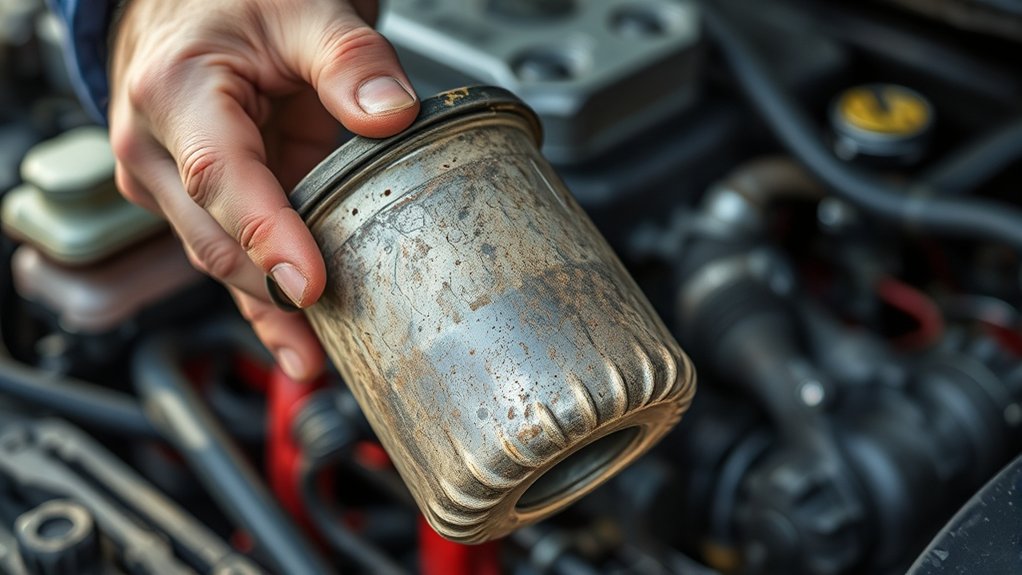
Although fuel filter lifespan varies by vehicle and driving conditions, you can generally expect it to last between 20,000 and 40,000 miles. Your fuel filter plays a vital role in keeping contaminants out of the engine, so it’s important to monitor its condition. Most manufacturers recommend replacing the filter within this mileage range to maintain peak engine performance and fuel efficiency.
If you drive mostly on highways with clean fuel sources, your filter might last closer to 40,000 miles. Conversely, city driving or older vehicles may require more frequent changes. Checking your owner’s manual helps you stick to the suggested schedule.
Key Factors That Shorten Fuel Filter Lifespan
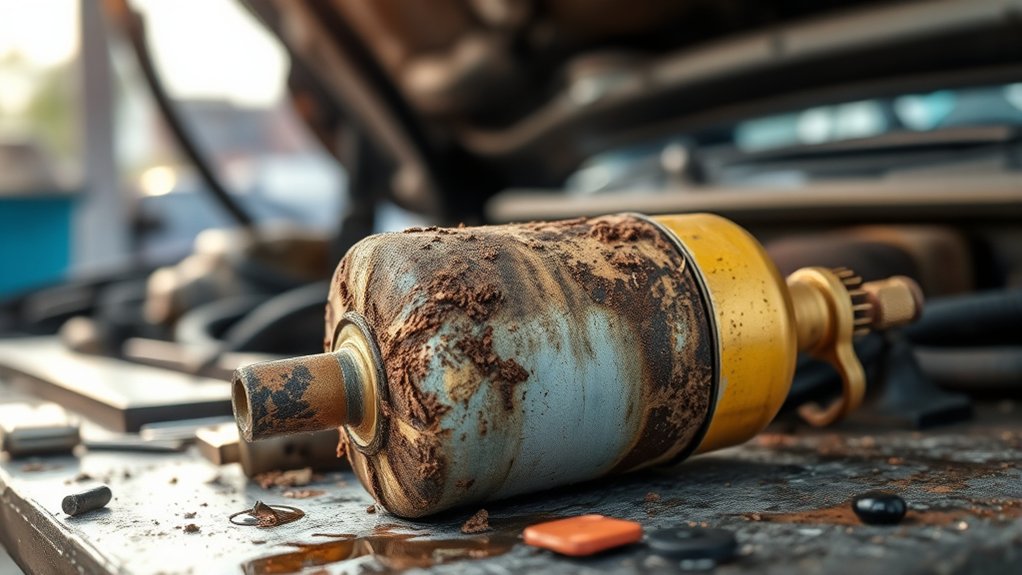
Knowing the typical lifespan of your fuel filter is helpful, but several factors can cause it to wear out sooner than expected. Contaminated fuel, harsh driving conditions, and poor maintenance all contribute to a shortened fuel filter life.
Understanding these factors helps you spot issues early and keep your engine running smoothly.
| Factor | Effect on Fuel Filter |
|---|---|
| Dirty or contaminated fuel | Clogs filter quickly |
| Frequent short trips | Prevents filter from self-cleaning |
| Dusty or off-road driving | Introduces more debris |
| Neglecting fuel system maintenance | Accelerates wear |
Fuel Filter Replacement Frequency for Different Vehicles
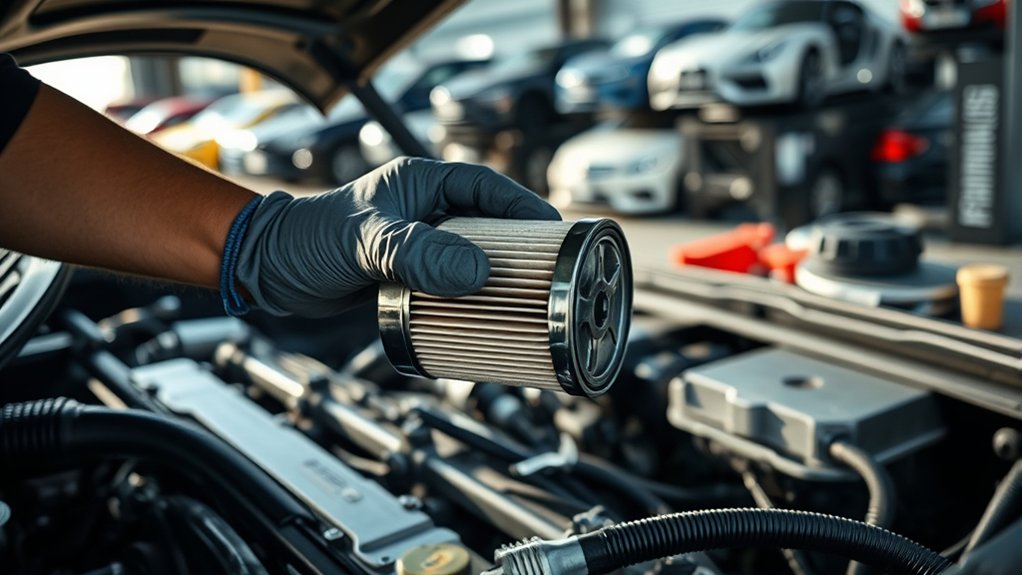
You’ll find that fuel filter replacement intervals vary depending on your vehicle type, from cars to trucks and motorcycles. It’s important to follow the manufacturer’s recommendations to keep your engine running smoothly.
Let’s look at how these guidelines differ across different vehicles.
Vehicle Type Variations
Since fuel filters serve different engines and fuel systems, their replacement intervals vary depending on your vehicle type. For example, diesel engines usually require more frequent fuel filter changes because diesel fuel contains more contaminants. If you drive a diesel truck or SUV, expect to replace the filter every 10,000 to 15,000 miles.
On the other hand, gasoline-powered cars often have longer intervals, typically around 20,000 to 30,000 miles. Motorcycles and small engines might need replacements even sooner due to smaller filters and higher fuel flow rates. Additionally, vehicles used in dusty or harsh environments may clog fuel filters faster, so you’ll want to check them more often.
Understanding your vehicle’s fuel system helps you maintain ideal performance and avoid costly repairs linked to clogged fuel filters.
Manufacturer Recommendations
Although fuel filter replacement intervals can vary widely, manufacturers provide specific guidelines tailored to each vehicle model and engine type. You should always check your owner’s manual or service booklet to find these recommendations. For example, many gasoline-powered cars suggest replacing the fuel filter every 30,000 to 60,000 miles, while diesel engines may require changes closer to 20,000 to 40,000 miles due to their different fuel system demands.
Some newer vehicles even have lifetime fuel filters that rarely need replacement, but it’s still smart to inspect them regularly. Following these manufacturer recommendations helps guarantee your engine runs smoothly and prevents fuel system damage. Don’t skip this step—sticking to the advised schedule saves you from costly repairs down the road.
Effects of a Clogged Fuel Filter on Engine Performance
When a fuel filter gets clogged, it restricts the flow of fuel to your engine, causing noticeable drops in performance. You’ll find your vehicle struggles to deliver the power it once did, especially during acceleration or uphill drives. This happens because your engine isn’t receiving the proper fuel-air mixture it needs to run efficiently.
Here’s what you might experience:
- Reduced engine power and sluggish acceleration
- Engine misfires or hesitation during driving
- Increased fuel consumption due to inefficient combustion
Ignoring a clogged fuel filter can lead to further engine damage over time. Keeping your fuel filter clean ensures your engine runs smoothly and maintains optimal fuel efficiency. Regular checks and timely replacements will help you avoid costly repairs and maintain your vehicle’s performance.
Signs Your Fuel Filter Needs Replacing
If your vehicle starts showing unusual signs like sluggish acceleration or frequent stalling, it could mean your fuel filter needs replacing. You might notice difficulty starting the engine or a drop in fuel efficiency. A clogged fuel filter restricts fuel flow, causing these issues.
Additionally, your engine may misfire or hesitate during acceleration as it struggles to get enough fuel. Sometimes, you’ll hear unusual noises from the fuel pump, which works harder when the filter is blocked. If your check engine light comes on without other obvious causes, a dirty fuel filter might be the culprit.
Paying attention to these signs helps you avoid bigger engine problems and costly repairs down the road by addressing the fuel filter promptly.
Tools and Materials Needed to Replace a Fuel Filter
To replace your fuel filter, you’ll need a few essential tools like wrenches, screwdrivers, and safety gloves. You’ll also want to have the correct replacement filter and some rags handy to catch any fuel spills.
Getting these materials ready will make the process smoother and safer.
Essential Tools Overview
Although replacing a fuel filter might seem straightforward, having the right tools on hand makes the process much smoother and safer. You’ll want to gather these essentials before you start to avoid interruptions and potential hazards. Proper tools help you disconnect fuel lines without damage and securely fasten the new filter.
Here are the key tools you’ll need:
- Wrenches or socket set: To loosen bolts or clamps holding the fuel filter in place.
- Fuel line disconnect tool: Designed specifically to safely detach fuel lines without leaks.
- Safety gloves and goggles: Protect yourself from fuel spills and fumes during the replacement process.
With these tools ready, you’ll be set to handle the job efficiently and with confidence.
Required Replacement Materials
Before you start replacing your fuel filter, make sure you have all the necessary materials on hand to complete the job without delays. Having the right parts and supplies guarantees a smooth, efficient replacement process and helps avoid damage or leaks.
Here’s a quick rundown of what you’ll need:
| Material | Purpose |
|---|---|
| New Fuel Filter | Replaces the old, clogged filter |
| Replacement O-rings | Ensures a proper seal |
| Fuel Line Clamps | Secures fuel lines to the filter |
Additionally, keep a container handy to catch any leaking fuel and wear gloves for safety. With these materials ready, you’ll be set to replace your fuel filter confidently and correctly.
Safe Fuel Handling Tips During Replacement
When replacing a fuel filter, you’ll want to handle fuel carefully to prevent spills and reduce fire risks. Fuel is highly flammable, so taking proper precautions is essential. Before you start, work in a well-ventilated area away from open flames or sparks.
Handle fuel carefully during filter replacement to prevent spills and fire hazards; ensure good ventilation and avoid sparks.
Always wear protective gloves and eyewear to avoid contact with fuel. Keep a fire extinguisher nearby just in case.
Here are some key safety tips to follow:
- Use a drip pan or absorbent cloth to catch any spilled fuel.
- Disconnect the battery to prevent accidental sparks.
- Dispose of old fuel and filters according to local regulations.
Fuel Filter Replacement Step-by-Step
You’ll need a few basic tools before starting your fuel filter replacement, like wrenches and safety gear. Follow the step-by-step process carefully to avoid spills and guarantee a proper fit.
Let’s go through each stage so you can replace your fuel filter confidently.
Tools Needed
Although replacing a fuel filter might seem straightforward, gathering the right tools will make the process smoother and safer. You’ll want to have everything ready before you start to avoid interruptions or accidents. Having the proper tools also helps prevent damage to your vehicle or the new filter.
Here are the essential tools you’ll need:
- Wrenches or socket set: To loosen and tighten fuel line fittings and mounting bolts.
- Fuel line disconnect tool: Many vehicles require a special tool to safely disconnect the fuel lines without causing damage.
- Safety gloves and eye protection: To protect yourself from fuel spills and debris during the replacement.
With these tools ready, you’ll be set to tackle the replacement confidently.
Replacement Process
Before you start the replacement process, make sure the engine is cool and the vehicle is parked on a flat surface with the parking brake engaged. First, relieve fuel system pressure by loosening the fuel cap.
Then, locate the fuel filter—usually near the fuel tank or along the fuel line. Use a wrench to disconnect the fuel lines carefully, catching any spilled fuel. Remove the old filter and install the new one, ensuring the flow direction matches the markings.
Finally, reconnect the fuel lines and tighten all fittings securely.
| Step | Action | Tip |
|---|---|---|
| 1 | Relieve fuel pressure | Loosen fuel cap slowly |
| 2 | Disconnect fuel lines | Use rags to catch drips |
| 3 | Install new filter | Match flow direction mark |
Mistakes to Avoid When Changing Your Fuel Filter
When changing your fuel filter, avoiding common mistakes can save you time and prevent costly damage. First, never forget to relieve the fuel system pressure before starting; ignoring this can cause fuel to spray, creating fire hazards. Also, avoid using the wrong replacement filter—always check your vehicle’s specifications to guarantee compatibility.
Relieve fuel system pressure and use the correct filter to ensure a safe, effective fuel filter change.
Finally, don’t rush the installation. Improper sealing or loose fittings can lead to leaks and engine performance issues.
Here are key mistakes to avoid:
- Skipping the pressure relief step, risking fuel spray and injury.
- Installing an incorrect or low-quality filter that can clog quickly.
- Neglecting to tighten connections properly, causing leaks.
Stay cautious and follow the steps carefully for a smooth, safe filter change.
How to Dispose of an Old Fuel Filter Properly
Since old fuel filters contain hazardous materials, you should never toss them in the regular trash. Instead, drain any remaining fuel into a proper container and let the filter dry. Many auto parts stores or local recycling centers accept used fuel filters for safe disposal.
Check with your local waste management facility for specific guidelines in your area. If no disposal program exists nearby, consider contacting a hazardous waste disposal service. Always wear gloves and work in a well-ventilated area when handling the filter to avoid exposure.
Proper disposal prevents harmful chemicals from contaminating the environment and ensures safety. By following these steps, you’ll handle your old fuel filter responsibly and protect both yourself and the planet.
Frequently Asked Questions
Can a Fuel Filter Affect Fuel Economy?
Yes, a clogged fuel filter can reduce your fuel economy by restricting fuel flow, making your engine work harder.
Replacing it guarantees efficient fuel delivery, helping your vehicle run smoothly and saving you money at the pump.
Are Aftermarket Fuel Filters as Reliable as OEM Filters?
Aftermarket fuel filters can be hit or miss, like a box of chocolates—you never know what you’ll get. Some match OEM quality, but others fall short. You should research brands carefully before trusting your engine’s health.
How Does Fuel Quality Impact the Fuel Filter’s Performance?
Poor fuel quality clogs your fuel filter faster, reducing its efficiency and potentially damaging your engine.
Using clean, high-quality fuel helps your filter perform better and last longer, keeping your vehicle running smoothly.
Can a Clogged Fuel Filter Cause the Check Engine Light to Come On?
Think of your car as a beating heart; yes, a clogged fuel filter can trigger the check engine light. It signals distress, warning you to clean or replace the filter before your engine starts struggling.
Is It Necessary to Replace the Fuel Filter When Changing the Fuel Pump?
Yes, you should replace the fuel filter when changing the fuel pump. It guarantees clean fuel flow, protects the new pump from contaminants, and helps maintain your vehicle’s performance and longevity.
Don’t skip this step!
Conclusion
Think of your fuel filter as your engine’s guardian angel, silently keeping impurities at bay. When it’s time to replace it, don’t let neglect clog your ride’s heartbeat.
By swapping it out regularly, you keep your engine humming like a well-tuned symphony. Follow the steps carefully, handle fuel safely, and dispose of the old filter responsibly.
Treat your car right, and it’ll reward you with smooth journeys ahead—clean fuel, clear roads, and peace of mind. Remember, knowing how long a fuel filter lasts and performing timely replacement is key to maintaining optimal engine performance and fuel efficiency.

