

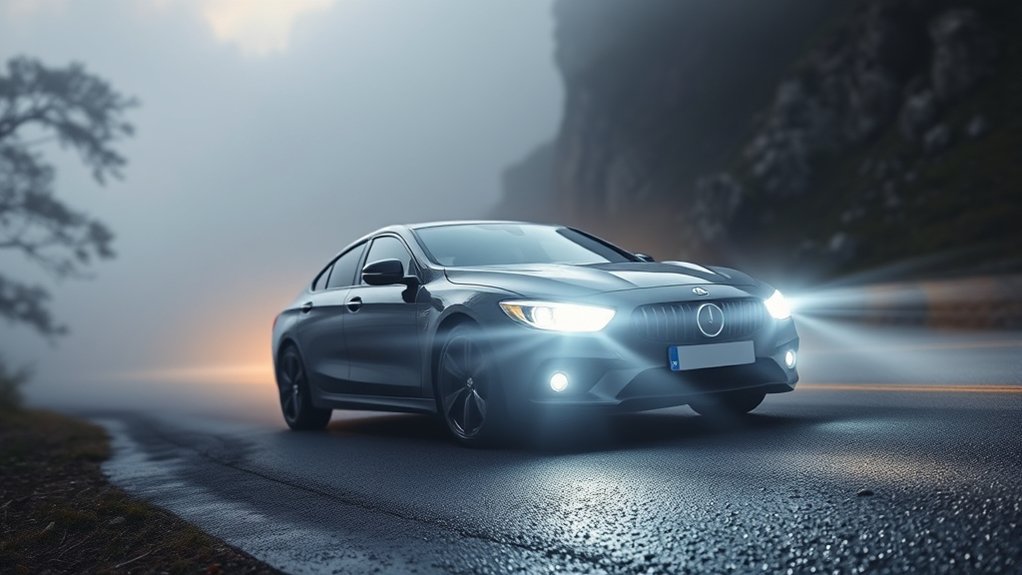
Fog lights aren’t mandatory for every vehicle, but they can be a smart addition if you often drive in challenging weather conditions like fog, heavy rain, or snow. These specialized lights sit low on your vehicle and shine a wide, focused beam that cuts through poor visibility better than regular headlights.
This design helps you see road edges and obstacles more clearly without causing glare to other drivers.
Using fog lights only in bad weather keeps you both safe and legal. Proper use enhances your visibility and reduces the risk of accidents during adverse conditions.
Keep going, and you’ll find out how to choose, use, and maintain fog lights effectively.
Key Takeaways
- Fog lights improve visibility in dense fog, heavy rain, and snowfall by reducing glare and illuminating road edges safely.
- They are not necessary for clear weather and can cause glare or distraction if used improperly.
- Vehicles frequently driven in adverse weather benefit most from fog lights for enhanced safety.
- Fog lights differ from headlights by providing a wide, low beam specifically designed for poor weather conditions.
- Installation should consider vehicle compatibility, local laws, and maintenance to ensure effective and legal use.
What Are Fog Lights and How Do They Work
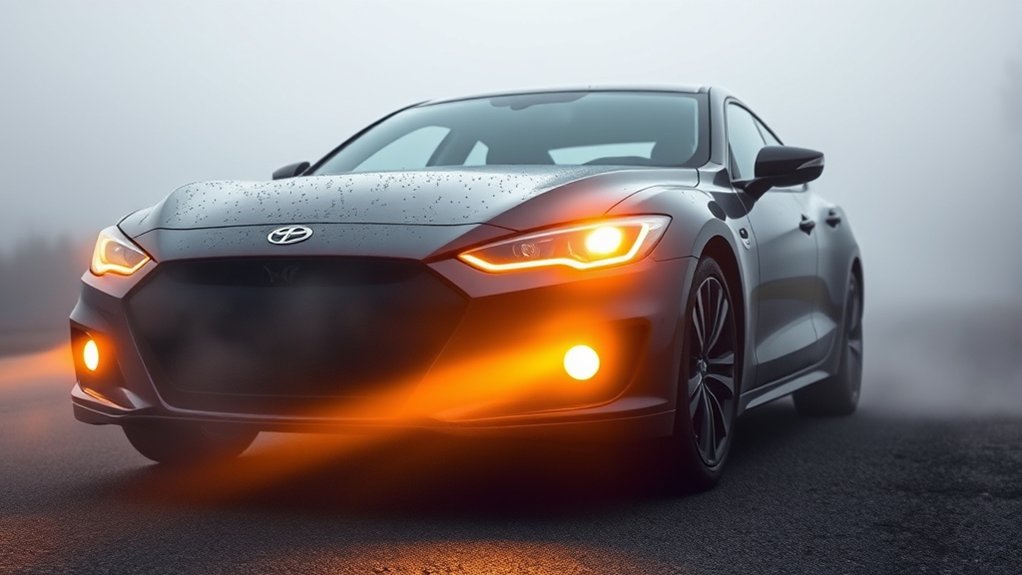
Although you might not use them every day, fog lights play a crucial role when visibility drops in foggy, rainy, or snowy conditions. These specialized lights are usually mounted low on your vehicle, aimed downward to reduce glare and illuminate the road directly in front of you. Unlike your regular headlights, fog lights emit a wide, bar-shaped beam that cuts through fog and mist without reflecting back into your eyes.
When you switch them on, you’ll notice they provide extra lighting focused on the road’s edges, helping you spot obstacles or lane markings more clearly. By understanding how fog lights work, you can better appreciate their purpose and know when it’s appropriate to activate them for safer driving in poor weather.
How Fog Lights Improve Visibility in Fog, Rain, and Snow
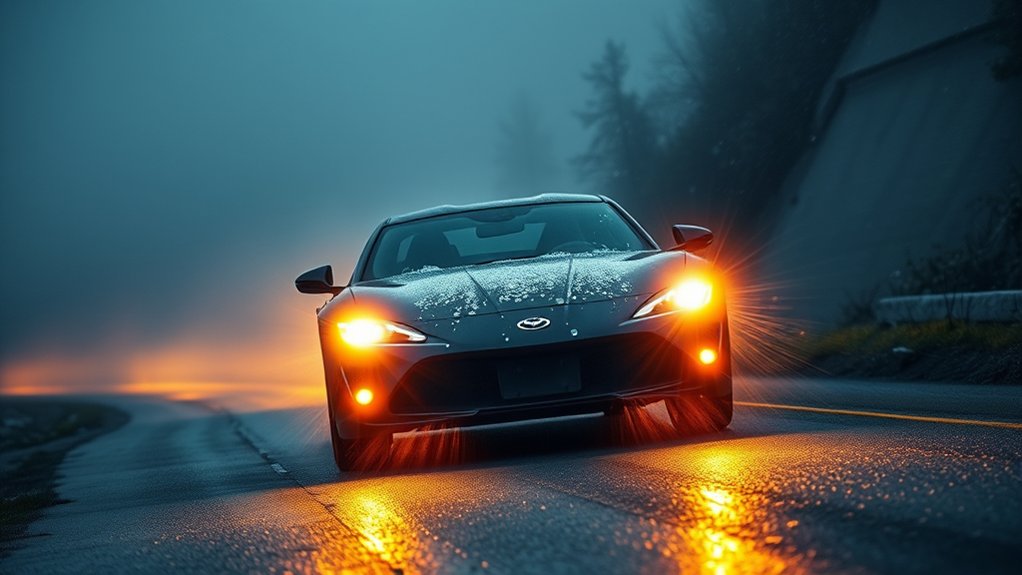
Understanding how fog lights function sets the stage for seeing exactly how they boost your visibility in challenging weather like fog, rain, and snow. Fog lights emit a wide, low beam that reduces glare by illuminating the road directly in front of your vehicle, allowing you to see obstacles better.
Fog lights cast a wide, low beam that cuts glare and highlights obstacles in fog, rain, and snow.
Here’s how they help:
- Cut through fog and mist – Their low placement minimizes light reflection off fog droplets, improving your view.
- Enhance contrast in rain – The focused beam helps differentiate between wet road surfaces and obstacles.
- Improve visibility in snow – They reduce scattered light caused by falling snowflakes, helping you spot hazards sooner.
Using fog lights lets you navigate tough conditions with greater confidence and safety.
When Should You Use Fog Lights on the Road?
If you’re driving in conditions where visibility drops considerably, you should turn on your fog lights to enhance your view of the road. Fog lights are designed to cut through dense fog, heavy rain, or snow, helping you see the road edges and lane markers better.
Using them in clear weather can cause glare and distract other drivers.
Here’s when you should use your fog lights:
| Condition | Reason |
|---|---|
| Dense Fog | Improves low-level visibility |
| Heavy Rain | Reduces glare from headlights |
| Snowfall | Highlights road edges clearly |
Fog Lights vs. Headlights: What’s the Difference?
When you’re driving in poor weather, fog lights and headlights serve different purposes to keep you safe. Understanding their differences helps you use each correctly.
- Position and Aim: Fog lights sit low on your vehicle and point downward to illuminate the road directly ahead, reducing glare in fog or heavy rain. Headlights are higher and aimed forward to light up the road farther away.
- Light Pattern: Fog lights produce a wide, bar-shaped beam that hugs the road, while headlights offer a focused beam for distance visibility.
- Usage Conditions: Use fog lights only in fog, snow, or heavy rain; headlights are for general night or low-light driving. Mixing them up can cause glare or reduced visibility.
Pros and Cons of Installing Fog Lights
Knowing how fog lights differ from headlights helps you decide if adding them to your vehicle is worth it. Fog lights improve visibility in fog, rain, and snow by casting a wide, low beam that reduces glare. However, they can be costly and may not be necessary if you rarely drive in poor weather.
Here’s a quick look at the pros and cons:
| Pros | Cons |
|---|---|
| Enhance visibility in fog | Installation can be expensive |
| Reduce glare for better focus | May be illegal if misused |
| Improve overall safety | Adds extra maintenance |
| Increase vehicle aesthetics | Limited use in clear weather |
Consider your driving conditions before deciding if fog lights are right for you.
How to Choose the Right Fog Lights for Your Car
Since fog lights come in various styles and technologies, you’ll want to select ones that match your driving needs and vehicle specifications. Start by considering your typical driving conditions—do you often face dense fog or heavy rain?
Next, check your vehicle’s compatibility; some fog lights fit only specific models or require special mounts. Finally, think about the light technology: LED fog lights offer brighter illumination and energy efficiency, while halogen lights tend to be more affordable.
Here’s a quick checklist to guide you:
- Assess your driving environment and visibility needs.
- Verify compatibility with your vehicle’s make and model.
- Choose between LED, halogen, or other light technologies based on performance and budget.
This approach guarantees you pick fog lights that truly enhance safety.
Fog Light Laws: Are They Required in Your Area?
Although fog lights can improve visibility in poor weather, laws about their use vary widely depending on where you live. Some states or countries require fog lights on certain vehicle types or model years, while others consider them optional. You might find regulations on when you’re allowed to turn fog lights on—typically limited to fog, heavy rain, or snow conditions.
Using fog lights improperly, like during clear weather, could lead to fines. Before installing or using fog lights, check your local traffic laws to guarantee compliance. This helps you avoid penalties and keeps you driving safely.
Knowing your area’s rules also guides your choice in fog light types and placement, ensuring your vehicle meets legal standards without compromising safety.
Tips for Using and Maintaining Your Fog Lights
When you use fog lights, make sure to switch them on only in low-visibility conditions like fog, heavy rain, or snow to maximize their effectiveness and avoid blinding other drivers.
To keep your fog lights working well, follow these tips:
- Clean regularly: Dirt and grime can reduce brightness, so wipe the lenses with a soft cloth often.
- Check alignment: Misaligned fog lights can blind others or fail to illuminate properly. Adjust them according to your vehicle’s manual.
- Inspect bulbs: Replace burnt-out bulbs promptly and consider upgrading to more efficient ones for better visibility.
Frequently Asked Questions
Can Fog Lights Affect My Vehicle’s Fuel Efficiency?
Fog lights have a minimal impact on your vehicle’s fuel efficiency since they use low wattage bulbs.
You won’t notice a significant difference unless you keep them on unnecessarily for long periods.
Do Fog Lights Require Special Wiring or Installation Tools?
Yes, fog lights usually require special wiring and installation tools. You’ll need to connect them properly to your vehicle’s electrical system, often involving relays, switches, and sometimes a fuse.
Are LED Fog Lights Better Than Halogen Ones?
You’ll feel like you’ve blasted through a hurricane—LED fog lights are way better than halogen ones! They shine brighter, last longer, and use less power, making your night drives safer and way more stylish.
How Do Fog Lights Impact Nighttime Driving Safety?
Fog lights improve your nighttime driving safety by reducing glare and enhancing visibility in fog, rain, or snow. They help you see road edges and obstacles better, so you can react faster and drive more confidently.
Can Fog Lights Reduce Glare for Oncoming Drivers?
Fog lights don’t reduce glare for oncoming drivers; instead, they symbolize your care, cutting through darkness like a guardian’s beacon.
You use them to see better, not to dim others’ vision on the road.
Conclusion
When it comes to driving in tough weather, fog lights can be your best friend, helping you see clearly when visibility drops. Remember, “better safe than sorry”—using them wisely can keep you and others safer on the road.
While not always required, choosing the right fog lights and maintaining them guarantees they work when you need them most. So, don’t overlook these helpful tools—they’re worth having in your driving arsenal.
In conclusion, fog lights are essential for enhancing safety during poor weather conditions. Investing in quality fog lights and proper maintenance ensures reliable performance. Ultimately, fog lights are a valuable addition to your vehicle’s safety features.

