

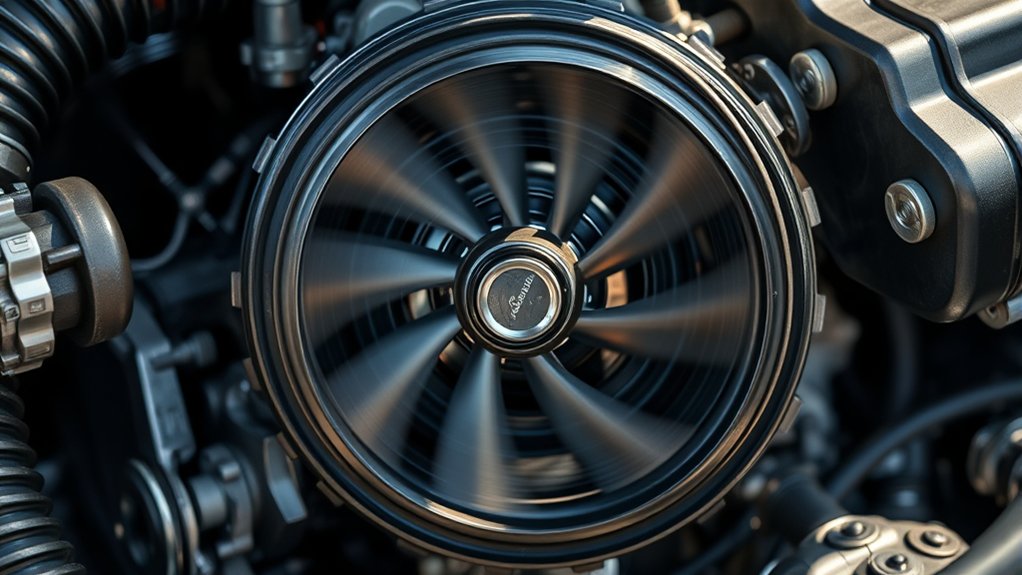
A clutch fan plays a crucial role in regulating your engine’s temperature by responding to heat changes. It senses the engine’s heat through a temperature sensor, typically located near the radiator or coolant. This mechanism ensures efficient cooling and helps maintain optimal engine performance.
A clutch fan senses your engine’s heat through a temperature sensor, usually near the radiator or coolant. As the engine warms, the fan clutch’s fluid heats up, increasing its viscosity and causing the fan to spin faster, pulling more air to cool the radiator.
When the engine cools, the fluid thins, slowing the fan down to save energy. This automatic adjustment helps keep your engine at the right temperature while improving efficiency.
Keep exploring to understand how this system responds and what signs mean it needs attention.
Key Takeaways
- The clutch fan uses a temperature sensor to detect engine heat and determine when to engage.
- When hot, thermal expansion or heated viscous fluid increases friction inside the clutch, causing the fan to spin faster.
- The fan pulls air through the radiator to cool the engine, preventing overheating.
- As the engine cools, the clutch disengages by contracting the spring or reducing fluid viscosity, slowing the fan.
- This automatic engagement and disengagement optimize cooling while saving energy and reducing noise.
What a Clutch Fan Is and Why It Matters
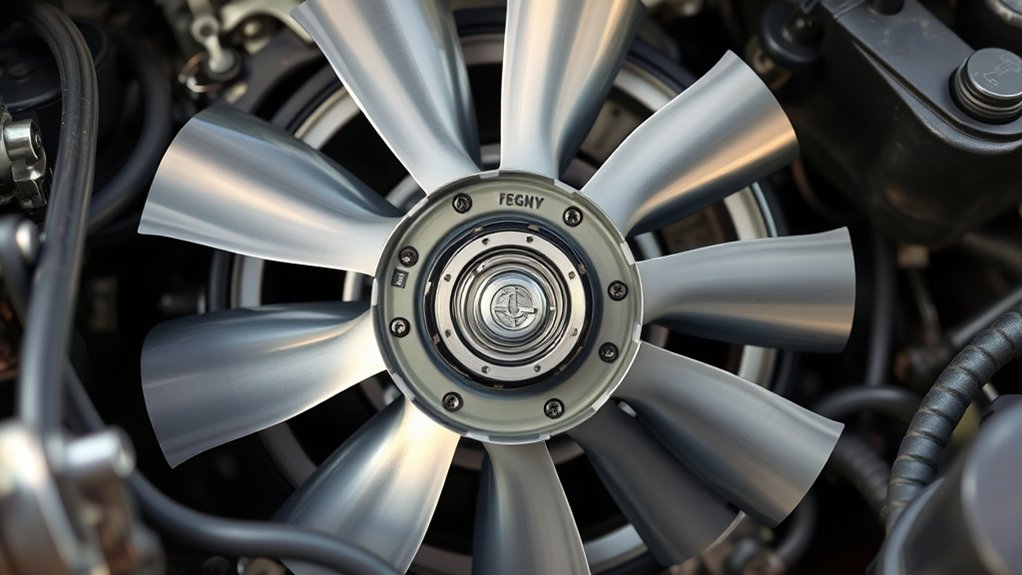
Although you might not notice it while driving, a clutch fan plays an essential role in keeping your engine cool. It’s mounted on the engine’s water pump and helps pull air through the radiator to lower the coolant temperature. When your engine runs hot, the clutch fan engages, spinning faster to increase airflow.
When the engine is cool, it disengages to save energy and reduce noise. This smart mechanism helps prevent overheating without constantly drawing power, improving fuel efficiency. Without a properly working clutch fan, your engine risks running too hot, which can cause serious damage.
How a Clutch Fan Senses Engine Temperature
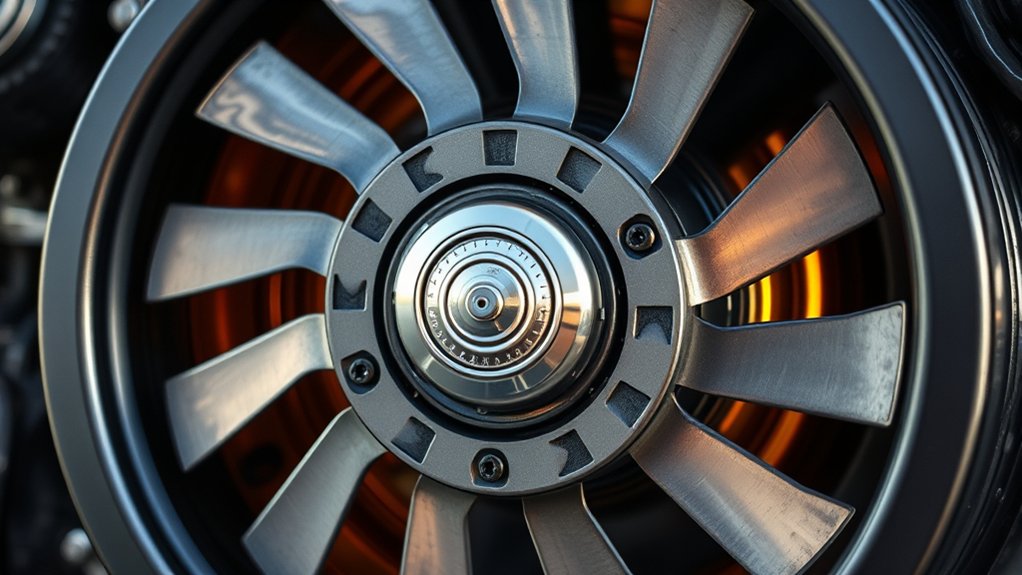
You’ll find that a clutch fan uses a temperature sensor to monitor the engine’s heat. When the engine reaches a specific activation temperature threshold, the sensor triggers the fan to engage. This system helps keep your engine running at the right temperature without wasting energy.
Temperature Sensor Mechanism
Because a clutch fan relies on accurate temperature readings, it uses a temperature sensor to monitor the engine’s heat. This sensor detects coolant temperature or air temperature near the radiator. When the sensor senses a rise in heat, it sends an electrical signal to the fan clutch, telling it to engage or disengage accordingly.
You’ll typically find either a thermal spring or an electronic sensor in this role. Each type reacts differently but aims for the same goal—keeping your engine cool without wasting energy.
| Sensor Type | Location | Function |
|---|---|---|
| Thermal Spring | Fan clutch unit | Expands/contracts with heat |
| Electronic | Radiator or engine bay | Sends signal to engage clutch |
| Coolant Temp | Coolant hose or block | Measures liquid temperature |
| Air Temp | Near radiator | Detects ambient heat changes |
| Signal Output | Electrical connector | Triggers fan clutch engagement |
Activation Temperature Threshold
When the engine’s temperature reaches a specific point, the clutch fan activates to prevent overheating. You rely on the activation temperature threshold, a preset value programmed into the temperature sensor or thermostat. This threshold lets the fan clutch know exactly when to engage.
As the engine heats up, the sensor continuously monitors the coolant or air temperature. Once it crosses that threshold, it signals the fan clutch to engage, increasing airflow and cooling the engine. When the temperature drops below the threshold, the clutch disengages, reducing drag on the engine and improving fuel efficiency.
How Heat Controls Fan Clutch Engagement
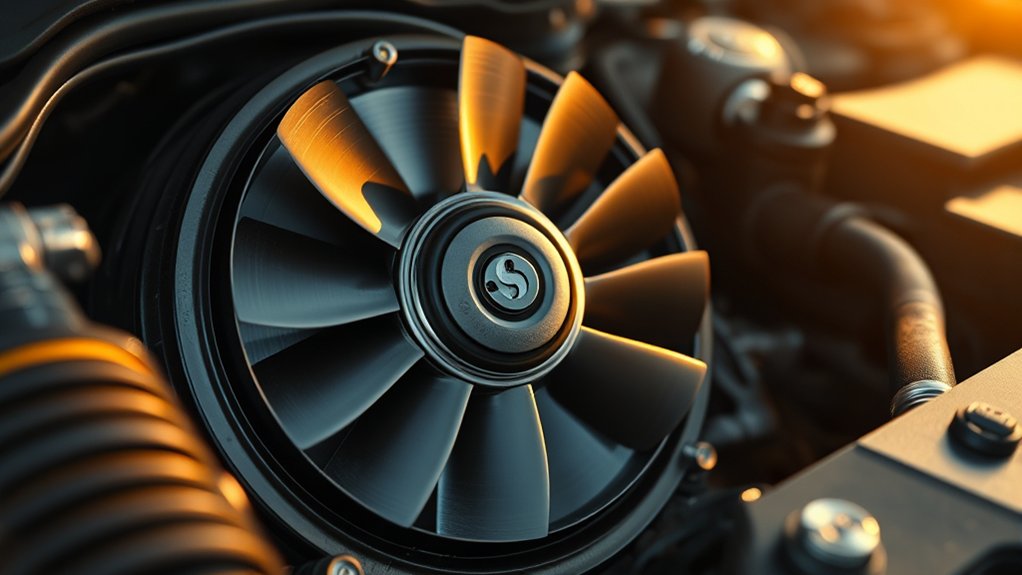
You’ll see that the temperature sensor plays a key role by detecting heat changes in the engine. As the sensor heats up, a thermal expansion mechanism activates inside the clutch.
This process controls when the fan clutch engages to cool the engine efficiently.
Temperature Sensor Function
How does heat control the engagement of a clutch fan? It all starts with the temperature sensor detecting the engine’s heat level. This sensor plays a vital role in deciding when the fan needs to kick in.
Here’s how it works:
- The sensor constantly monitors the engine coolant temperature.
- When the temperature rises beyond a set threshold, the sensor sends a signal.
- This signal activates the clutch mechanism, engaging the fan.
- As the fan spins, it cools the engine down, causing the temperature to drop.
Thermal Expansion Mechanism
The temperature sensor sets the stage by detecting heat, but the actual engagement of the clutch fan depends on a clever thermal expansion mechanism. Inside the clutch, a bi-metallic coil or a thermostatic spring reacts to the heat from the engine coolant. As the temperature rises, this coil expands or twists, causing mechanical movement.
This movement adjusts the position of the clutch’s internal components, increasing friction between the drive and driven plates. The more heat there is, the more the coil expands, allowing the fan to spin faster and pull more air through the radiator. When the engine cools, the coil contracts, reducing friction and slowing the fan.
This thermal expansion process guarantees the clutch fan operates efficiently, responding precisely to your engine’s temperature changes.
Engagement Activation Process
Although it might seem complex, the engagement activation process relies on a simple principle: heat controls when the fan clutch engages. When your engine heats up, a temperature-sensitive component inside the clutch reacts and triggers engagement.
Here’s how it works step-by-step:
- Engine temperature rises, heating the bi-metallic spring or silicone fluid inside the clutch.
- Heat causes the fluid to expand or the spring to flex, increasing resistance.
- This resistance locks the clutch plates together, connecting the fan to the engine.
- The fan spins faster, pulling more air to cool the radiator.
As the engine cools, the fluid contracts or the spring relaxes, releasing the clutch and slowing the fan. You get efficient cooling only when needed, saving energy and reducing noise.
How Fan Clutch Fluid Makes the Fan Work
Because fan clutch fluid responds directly to temperature changes, it plays an essential role in regulating the fan’s speed. When the engine heats up, the fluid inside the clutch heats as well, increasing its viscosity. This thickened fluid transfers more torque from the engine to the fan, causing the fan to spin faster and cool the engine effectively.
Conversely, when the engine is cooler, the fluid becomes less viscous, reducing torque transfer and slowing the fan down. This fluid’s behavior ensures the fan only works as hard as needed, improving efficiency and conserving energy. You rely on this fluid’s properties to make the clutch fan operate smoothly, adapting instantly to temperature shifts without any electronic controls.
How the Clutch Fan Adjusts Speed Step-by-Step
When you start the engine, the clutch fan begins adjusting its speed almost immediately based on temperature changes. Here’s how it works step-by-step:
- The temperature sensor detects the engine’s heat level and sends a signal to the fan clutch.
- Inside the clutch, the viscous fluid’s thickness changes with temperature, altering the resistance.
- As resistance varies, the fan blades either spin faster or slower, matching cooling needs.
- When the engine cools down, the fluid becomes thicker, reducing fan speed and saving energy.
Common Signs Your Clutch Fan Is Failing
If your engine starts overheating or you hear unusual noises coming from the fan area, your clutch fan might be failing. You may also notice the fan blades spinning constantly at high speed, even when your engine is cool, which can indicate the clutch is stuck engaged.
Conversely, if the fan struggles to spin or doesn’t engage fully when the engine heats up, it won’t cool effectively. A failing clutch fan might cause your vehicle’s temperature gauge to rise unexpectedly or trigger warning lights. Additionally, you might feel reduced airflow from the fan at idle or during slow speeds.
Catching these signs early helps prevent engine damage. If you spot any of these symptoms, have your clutch fan inspected or replaced promptly.
Comparing Clutch Fans to Electric Cooling Fans
Noticing signs of a failing clutch fan might make you wonder how it stacks up against an electric cooling fan. Both serve to cool your engine, but they operate differently. A clutch fan is mechanically driven and engages only when needed, which can save energy.
In contrast, electric cooling fans run on electricity and are controlled by temperature sensors, offering more precise cooling.
Here’s a quick comparison:
- Energy Use: Clutch fans save energy by disengaging at low speeds; electric fans draw power whenever running.
- Control: Electric fans respond faster to temperature changes.
- Noise: Clutch fans tend to be quieter at low speeds.
- Maintenance: Clutch fans have moving parts that may wear out; electric fans generally require less upkeep.
Understanding these differences helps you choose or maintain your cooling system better.
How to Maintain and Extend Your Clutch Fan’s Life
Because your clutch fan plays a critical role in keeping your engine cool, you’ll want to perform regular maintenance to guarantee it lasts as long as possible. Start by inspecting the fan blades for cracks or damage and replace any compromised parts immediately. Check the fan clutch for leaks or signs of wear, as a failing clutch can cause overheating or poor performance.
Make sure the fan spins freely without resistance when the engine is off. Clean the fan and clutch regularly to remove dirt and debris that can affect operation. Also, monitor your engine’s temperature gauge and address any overheating issues promptly.
Frequently Asked Questions
Can a Faulty Clutch Fan Affect Fuel Efficiency?
Yes, a faulty clutch fan can reduce your fuel efficiency because it may cause the engine to run hotter or cooler than ideal. This forces your engine to work harder, burning more fuel than necessary.
When the engine temperature is not maintained properly, it affects the overall performance. The cooling system struggles to keep the engine at an optimal temperature. This inefficiency results in increased fuel consumption.
Are Clutch Fans Noisy When Functioning Properly?
No, your clutch fan isn’t auditioning for a rock concert—it’s quietly spinning like a polite librarian. When it’s working properly, you barely notice it, unlike that neighbor who loves midnight lawn mowing.
How Do Clutch Fans Impact Vehicle Emissions?
You’ll find clutch fans help reduce emissions by improving engine efficiency and preventing overheating. When your engine runs cooler, it burns fuel cleaner, which lowers harmful exhaust gases and keeps your vehicle more environmentally friendly.
Can Aftermarket Clutch Fans Improve Engine Cooling?
Yes, aftermarket clutch fans can improve engine cooling by offering better airflow and durability. You’ll want to choose one designed for your vehicle to guarantee it engages properly, reducing overheating and enhancing overall engine performance.
What Vehicles Typically Use Clutch Fans Versus Electric Fans?
You’ll typically find clutch fans in older trucks, SUVs, and some rear-wheel-drive cars with V8 engines.
Electric fans are more common in modern vehicles because they’re more efficient and easier to control based on engine temperature.
Conclusion
Think of your clutch fan as a smart thermostat for your engine, only it’s constantly adjusting its speed to keep things just right. Like a skilled dancer responding to music, it senses heat and changes its pace to cool efficiently without wasting energy.
If you treat it well, your engine will thank you with smoother rides and better fuel economy—just like a well-tuned instrument plays sweeter notes over time. Keep it maintained, and it’ll keep performing. Regular maintenance of your clutch fan ensures optimal cooling performance and extends the life of your engine.

