

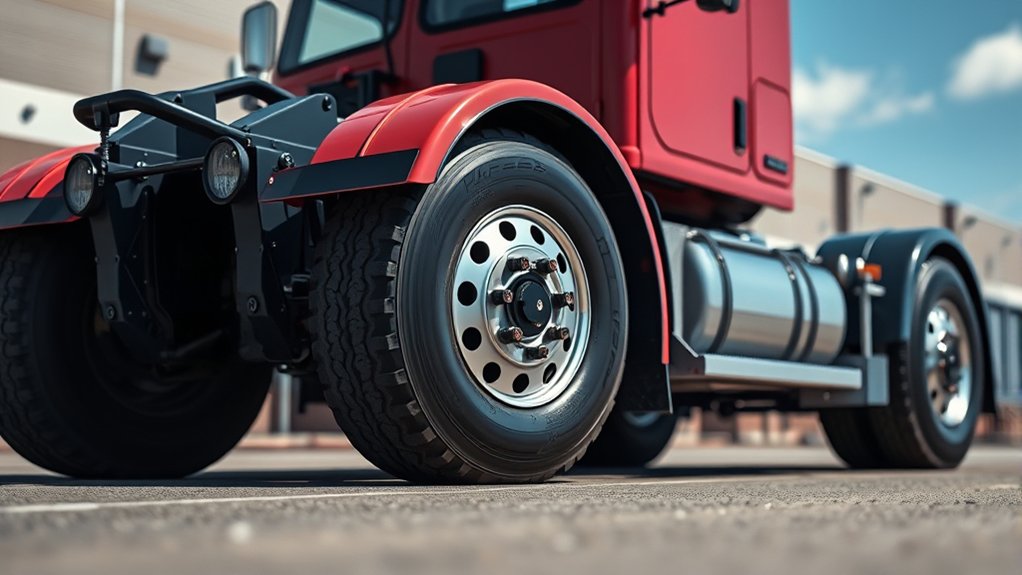
A 3-axle vehicle is a type of heavy-duty vehicle that features one front axle and two rear axles. These vehicles are specifically designed to carry heavier loads while improving overall stability on the road.
Commonly found in trucks, buses, and trailers, 3-axle vehicles play a vital role in construction, logistics, and freight hauling industries.
This axle configuration helps distribute weight more evenly, ensuring compliance with legal weight limits. It also enhances safety by reducing the risk of tipping and minimizing tire wear during long hauls.
Understanding the importance of 3-axle vehicles is essential for efficient heavy-duty transport and proper vehicle maintenance.
If you want to learn why these vehicles are crucial and how to care for them, there’s much more to explore ahead.
Key Takeaways
- A 3-axle vehicle has three sets of wheels: one front axle and two rear axles, mainly used in trucks, buses, and trailers.
- It supports heavier loads and improves vehicle stability, safety, and maneuverability in heavy-duty transportation.
- The three axles evenly distribute weight, reducing tire wear, axle stress, and pavement damage.
- These vehicles are designed for hauling bulky or heavy cargo efficiently across industries like construction and logistics.
- Regular maintenance of axles, tires, and suspension is crucial for safe and reliable 3-axle vehicle operation.
What Is a 3-Axle Vehicle and How Does It Work?
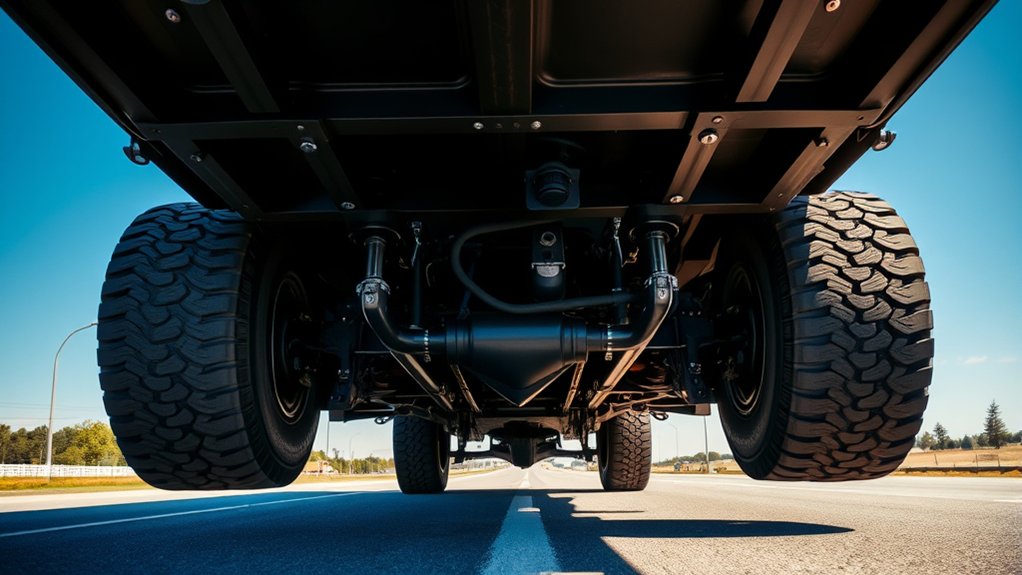
Although you might not notice at first, a 3-axle vehicle uses three sets of wheels to distribute weight more evenly and improve stability. You’ll find these vehicles equipped with one front axle and two rear axles, each supporting part of the total load. This setup helps balance the vehicle, especially when carrying cargo.
When you drive or operate a 3-axle vehicle, the weight spreads across more points of contact with the road, reducing stress on any single axle. The additional axle also enhances traction and control, making it easier to maneuver. You’ll see this design commonly in trucks and buses, where managing weight and balance is essential for safe operation and performance.
Why Do Heavy Vehicles Need Three Axles?
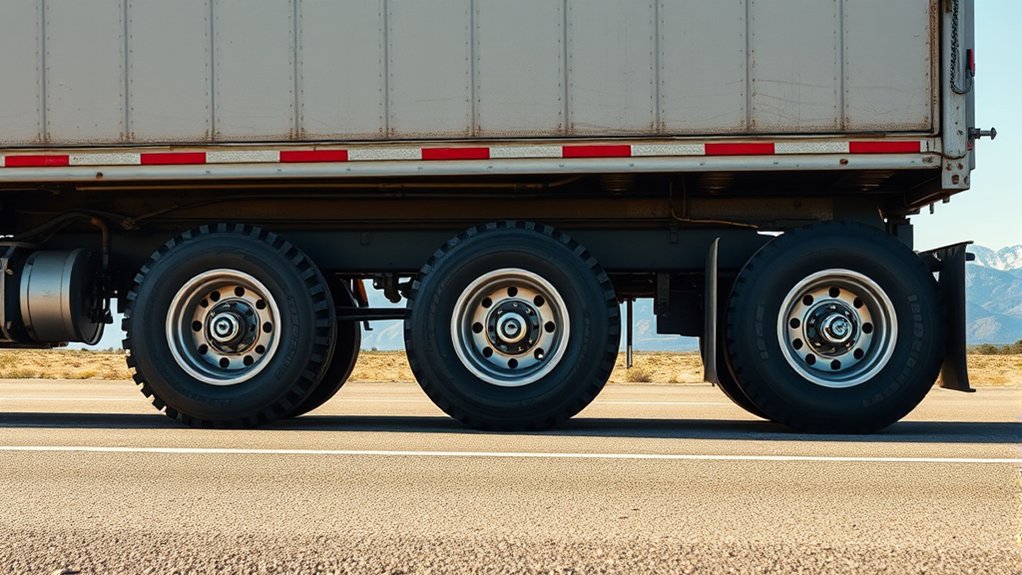
The three-axle setup you learned about plays a big role when vehicles carry heavy loads. You need those extra axles to support weight, improve stability, and meet road regulations. Without three axles, heavy vehicles can’t safely handle the pressure or avoid damaging roads.
Here’s a quick look at why three axles matter:
| Reason | Benefit | Impact on Vehicle |
|---|---|---|
| Weight Support | Handles heavier loads | Prevents axle overload |
| Stability | Improved balance | Safer driving |
| Road Compliance | Meets legal weight limits | Avoids fines and shutdowns |
| Load Capacity | Carries more cargo | Increases efficiency |
| Tire Wear | Distributes wear evenly | Extends tire life |
How 3 Axles Improve Load Distribution
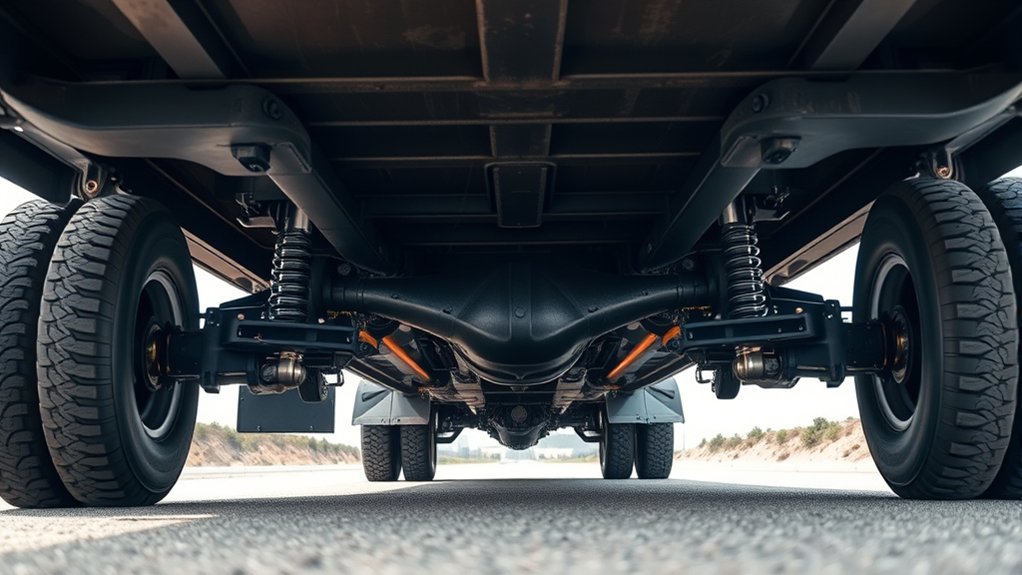
When you use three axles, you spread the vehicle’s weight more evenly across the road. This balance not only helps protect the vehicle’s structure but also reduces wear on the pavement.
You’ll find that better load distribution means safer handling and less damage to infrastructure.
Enhanced Weight Balance
How exactly do three axles enhance a vehicle’s weight balance? By spreading the load more evenly across multiple points, a 3-axle vehicle prevents excessive pressure on any single axle. This balance reduces the risk of overloading, which can strain tires, suspension, and the vehicle’s frame.
With weight better distributed, you’ll notice improved stability, especially when steering through curves or rough terrain. The even load also helps maintain better traction, making it safer to drive under heavy loads. Additionally, the enhanced weight balance minimizes uneven tire wear, extending the lifespan of your tires and reducing maintenance costs.
Reduced Road Wear
Since roads can suffer from concentrated pressure, adding a third axle helps spread the load more evenly across the pavement. When you drive a 3-axle vehicle, the weight doesn’t press down heavily on just two points but distributes over three, reducing stress on any single axle. This even distribution lowers the risk of road damage like cracks and potholes, which often result from excessive pressure in concentrated areas.
What Stability Benefits Do 3-Axle Vehicles Offer?
Although three-axle vehicles might seem bulkier, they actually provide you with enhanced stability on the road. This extra axle spreads the weight more evenly, reducing the chance of tipping or swaying, especially when you’re steering through sharp turns or uneven surfaces.
Three-axle vehicles offer enhanced stability by evenly distributing weight, minimizing tipping and swaying on sharp turns and rough roads.
Here’s how this stability benefits you:
- Improved Control: You’ll feel more confident handling the vehicle, even in challenging conditions like rain or strong winds.
- Safety Boost: With better balance, you reduce the risk of accidents caused by losing control or rollover.
- Comfortable Ride: The vehicle absorbs shocks better, making your drive smoother and less fatiguing.
With these stability benefits, a 3-axle vehicle offers you peace of mind and safer journeys every time.
Common Types of 3-Axle Vehicles: Trucks, Buses, and Trailers
The enhanced stability of 3-axle vehicles makes them ideal for handling heavy loads and large passenger capacities. You’ll often see 3-axle trucks used in construction and freight transport because they can carry heavier cargo without sacrificing control.
In buses, the extra axle supports more passengers comfortably, especially in long-distance or city transit models. Trailers with three axles are common in hauling bulky or heavy materials, offering better weight distribution and safer towing.
When you’re choosing a 3-axle vehicle, understanding these types helps you pick the right one for your needs—whether it’s moving goods, transporting people, or towing equipment. Each type maximizes the benefits of that extra axle to improve performance and safety on the road.
Comparing 3-Axle Vehicles to 2-Axle and 4-Axle Options
When choosing between 2-axle, 3-axle, and 4-axle vehicles, you’ll find that each offers distinct advantages depending on your needs. A 2-axle vehicle is lighter and more maneuverable, perfect for city driving or smaller loads. Three axles add stability and increase weight capacity, making them ideal for heavier cargo without the bulk of a 4-axle.
Four-axle vehicles handle the heaviest loads but sacrifice some agility and fuel efficiency.
Consider these points when deciding:
- Load capacity: 3-axle balances strength and size, handling more weight than 2-axle without the full size of 4-axle.
- Maneuverability: 3-axle vehicles offer better handling than larger 4-axle trucks.
- Fuel efficiency: You’ll save fuel with 3-axle compared to 4-axle options while still carrying substantial cargo.
How 3-Axle Vehicles Affect Road Safety and Rules
You’ll notice that 3-axle vehicles offer improved stability compared to fewer axles, which can enhance safety on the road. However, you’ll also need to follow specific regulatory requirements to stay compliant.
Understanding these rules helps you operate your vehicle safely and legally.
Impact on Vehicle Stability
How does having three axles influence a vehicle’s stability on the road? When you drive or share the road with a 3-axle vehicle, you’ll notice it handles weight and balance much better than smaller vehicles. This design improves stability, especially when carrying heavy loads or maneuvering sharp turns.
Here’s why it matters to you:
- Enhanced Control: The extra axle distributes weight evenly, reducing the risk of tipping and giving you confidence in heavy traffic or bad weather.
- Smoother Ride: You’ll experience less vibration and sway, making the road safer for everyone around.
- Better Braking: More axles mean more brakes, which shortens stopping distances and helps prevent accidents.
Understanding these impacts helps you appreciate the engineering behind safer, more stable vehicles on the road.
Regulatory Compliance Requirements
Because 3-axle vehicles carry heavier loads and have unique handling characteristics, they must meet specific regulatory requirements to guarantee road safety. You’ll need to assure your vehicle complies with weight limits, axle spacing, and load distribution rules set by transportation authorities. These rules help prevent road damage and reduce accident risks caused by overloading or improper weight balance.
Additionally, you must follow guidelines on braking systems and lighting to maintain control and visibility. Regular inspections and proper documentation are vital to prove compliance during roadside checks. By adhering to these regulations, you not only protect yourself but also contribute to safer roads for everyone.
Staying informed about updates in laws affecting 3-axle vehicles keeps you prepared and legally compliant.
Common Uses and Industries for 3-Axle Vehicles
Where do 3-axle vehicles prove most valuable? You’ll find them indispensable across various industries that demand heavy-duty hauling and stability. Their extra axle allows you to carry heavier loads safely while maintaining maneuverability, which is essential in many work environments.
Here are three common uses and industries where you’ll see 3-axle vehicles shine:
- Construction – Transporting heavy machinery, building materials, and debris is a breeze for these vehicles, helping you keep projects on schedule.
- Logistics and Freight – You can move large shipments efficiently, reducing trips and saving costs.
- Waste Management – Their stability and load capacity make them perfect for hauling bulky waste and recyclables without frequent stops.
3-Axle Vehicle Maintenance Tips
Since 3-axle vehicles handle heavier loads and endure more stress, you’ll need to prioritize regular maintenance to keep them running smoothly. Start by checking the axles for any signs of wear, cracks, or damage. Regularly inspect the wheel bearings and lubricate them to prevent overheating and failure.
Monitor tire condition and pressure closely—uneven wear can indicate alignment or suspension issues. Don’t overlook the suspension system; worn springs or shocks can affect axle performance and vehicle safety. Keep an eye on brake components, as extra weight puts more strain on braking systems.
Finally, follow the manufacturer’s recommended service intervals and address problems promptly to avoid costly repairs and assure your 3-axle vehicle stays reliable under heavy loads.
Choosing the Right 3-Axle Vehicle for Your Needs
How do you choose the right 3-axle vehicle for your specific needs? Start by understanding what you’ll haul and the terrain you’ll face. Your vehicle has to match your workload without compromising safety or efficiency.
Consider these three key factors:
- Load Capacity: Pick a vehicle that comfortably handles your heaviest loads. You don’t want to risk overloading, which causes wear and safety hazards.
- Maneuverability: A 3-axle vehicle designed for tight turns or off-road conditions will save you stress and time.
- Fuel Efficiency: Choosing a model with better fuel economy means lower costs and less environmental impact, helping your bottom line.
Frequently Asked Questions
Are 3-Axle Vehicles More Expensive to Insure?
Yes, you’ll usually pay more to insure 3-axle vehicles because they’re larger and riskier to operate. Insurers see them as higher liability, so your premiums often climb compared to smaller, less complex vehicles.
This increased risk assessment is due to their size and the potential damage they can cause. Additionally, maintenance and repair costs for 3-axle vehicles tend to be higher.
All these factors contribute to higher insurance premiums. Therefore, when budgeting for such vehicles, expect insurance to be a more significant expense.
Can 3-Axle Vehicles Use Regular Passenger Car Tires?
You can’t just slap on regular passenger car tires on a 3-axle vehicle; it’s like fitting a bicycle tire on a truck. You’ll need heavy-duty tires designed to handle the extra weight and stress safely.
Do 3-Axle Vehicles Have Special Licensing Requirements?
Yes, you’ll usually need a special license or endorsement to drive a 3-axle vehicle because of its size and weight.
Check your local DMV rules since requirements vary by state or country.
How Does a 3-Axle Vehicle Impact Fuel Efficiency?
You’ll notice a 3-axle vehicle can reduce fuel efficiency by up to 15% because of added weight and rolling resistance.
Are There Environmental Regulations Specific to 3-Axle Vehicles?
Yes, you’ll find environmental regulations targeting 3-axle vehicles, especially concerning emissions and weight limits. These rules help reduce pollution and road wear, so you’ll want to guarantee your vehicle complies to avoid fines and support sustainability.
Conclusion
Now that you know how a 3-axle vehicle works and why it’s essential for heavy loads, you’re probably thinking about your own needs. Funny enough, just like you wouldn’t carry all your groceries in one hand, these vehicles spread the weight to keep things steady and safe.
Whether you’re hauling, driving, or just curious, understanding these wheels can make a big difference. So, choose wisely—and hit the road with confidence!
Remember, a 3-axle vehicle offers better stability, improved load distribution, and enhanced safety for your transportation needs. Make sure to consider these benefits when selecting the right 3-axle vehicle for your heavy load requirements.

