

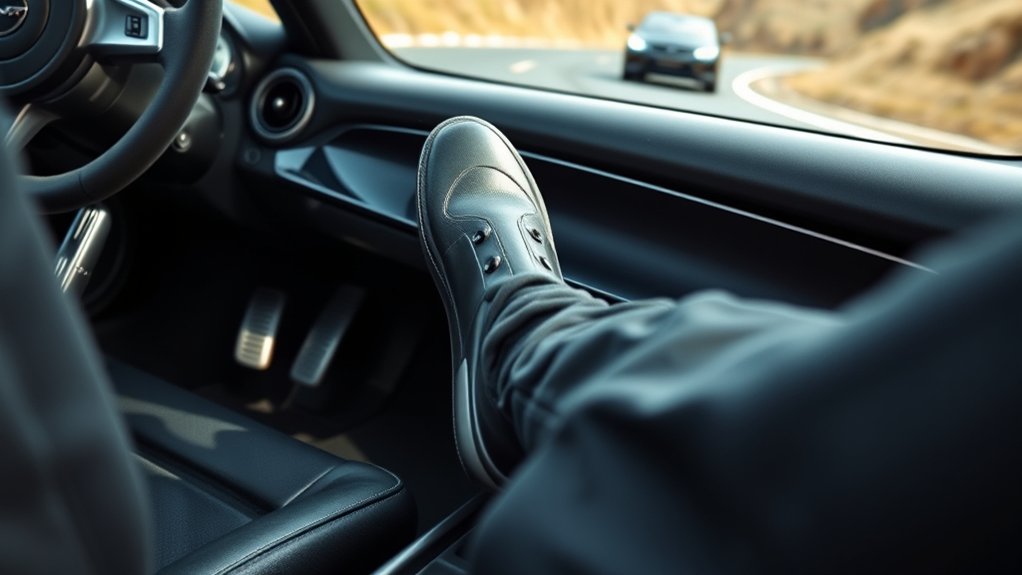
A clutch kick is a popular driving technique used to quickly break and restore rear-wheel traction, making it essential for controlling and maintaining slides, especially in drifting.
By pressing the clutch, revving the engine, and then releasing the clutch, you send a sudden burst of power to the wheels. This causes a controlled slide without losing grip, giving you better control over the car’s movement.
This technique is particularly useful in tight corners where precise handling is crucial. It helps drivers regain control if the car starts to slip, allowing for smoother and more confident driving.
With practice, you can master the clutch kick safely and effectively to improve your driving skills.
Key Takeaways
- A clutch kick is a driving technique that briefly engages and releases the clutch to increase rear wheel speed and initiate controlled slides. It temporarily disconnects the engine from the wheels, allowing RPM to rise before power is transferred back to the wheels for a torque surge. Clutch kicks are mainly used in drifting to improve cornering control, maintain momentum, and regain traction in low-traction conditions.
- This technique requires precise timing of clutch release, throttle control, and coordination to avoid loss of control or drivetrain damage. Clutch kicks are best performed in manual transmission, rear-wheel drive vehicles with responsive clutches and are practiced safely in controlled environments.
What Is a Clutch Kick in Driving?
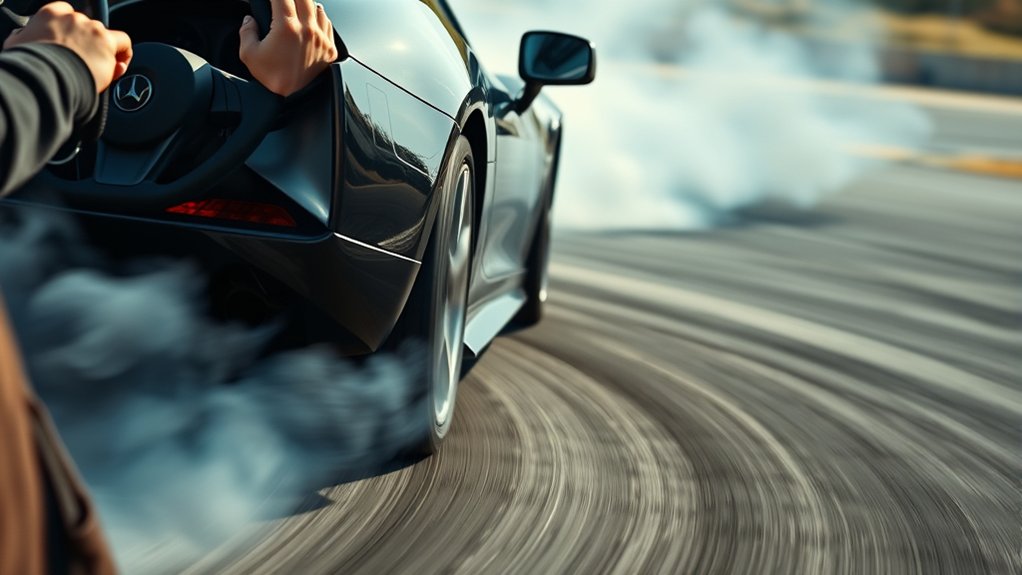
Although it might sound complex at first, a clutch kick is a simple driving technique you use to quickly increase your car’s rear wheel speed by briefly engaging and releasing the clutch. When you perform a clutch kick, you momentarily press the clutch pedal down and then release it swiftly while keeping the throttle steady. This action causes a sudden surge of power to the rear wheels, helping you initiate or maintain a controlled slide, especially useful in drifting or tight cornering.
It’s a way to break traction without losing control, giving you more agility on the road or track. Once you get the timing right, a clutch kick becomes a valuable tool to enhance your driving skills and vehicle control.
How Does a Clutch Kick Work?
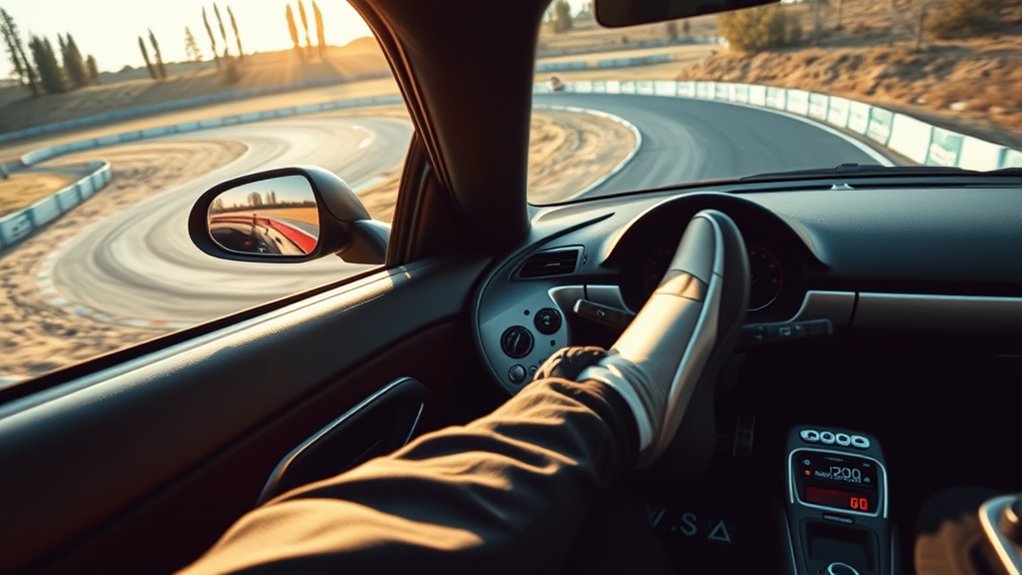
When you perform a clutch kick, you temporarily disrupt the power flow between the engine and the wheels by quickly pressing and releasing the clutch pedal. This sudden break in connection causes the engine RPM to rise sharply while the wheels momentarily slow down.
When you release the clutch, the engine’s higher RPM delivers a burst of power to the wheels, helping you regain traction or induce oversteer.
Here’s a simple breakdown:
| Action | Effect |
|---|---|
| Press clutch pedal | Disconnects engine & wheels |
| Rev engine | RPM spikes, engine speeds up |
| Release clutch pedal | Power transfers to wheels fast |
This sequence gives you better control and responsiveness in dynamic driving situations.
When and Why Use a Clutch Kick?
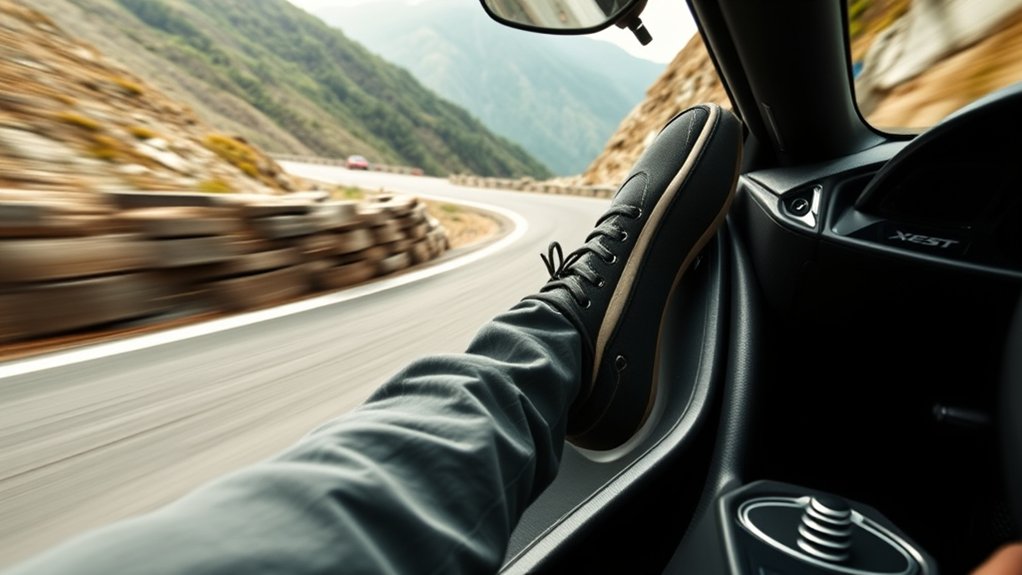
You’ll want to use a clutch kick to enhance your control through tight corners and maintain your car’s balance. It helps you quickly regain traction when your wheels start to slip.
Understanding when to apply it can make a big difference in your driving performance.
Enhancing Cornering Control
Mastering the clutch kick can substantially improve your cornering control by quickly adjusting your car’s balance and speed. You’ll find it especially useful when entering tight turns or when your rear tires need a brief slip to rotate the car smoothly.
This technique helps you maintain momentum without oversteering or understeering, giving you confidence and precision in your driving.
| Feeling | Reason |
|---|---|
| Empowered | You control the car’s dynamics |
| Excited | Sharp, responsive turns |
| Confident | Smooth, controlled cornering |
Regaining Traction Quickly
Along with enhancing cornering control, clutch kicks serve a vital role in quickly regaining traction when your tires lose grip. If you find your rear wheels spinning or sliding unexpectedly, a clutch kick can help you snap the tires back into traction. By briefly disengaging and then sharply re-engaging the clutch, you deliver a sudden burst of torque to the wheels, helping them regain grip faster than simply easing off the throttle would.
This technique is especially useful in low-traction situations like wet roads or loose gravel, where maintaining control is critical. Using a clutch kick at the right moment allows you to prevent prolonged skidding and regain stability, putting you back in command of the vehicle without losing speed unnecessarily.
How Do You Perform a Clutch Kick?
To perform a clutch kick, you’ll need to master timing your clutch release perfectly while controlling the throttle smoothly. Coordinating your brake and clutch inputs is essential to maintain balance and momentum.
Let’s break down these key steps to help you execute a clutch kick confidently.
Timing the Clutch Release
When should you release the clutch during a clutch kick to get the best effect? Timing is everything. You want to release the clutch just after revving the engine, right when the RPMs spike.
This sudden engagement sends a burst of power to the wheels, helping you break traction for a controlled slide.
Keep these key moments in mind:
- Feel the engine’s roar: Release the clutch as the RPMs hit their peak for maximum impact.
- Don’t rush it: Too early or too late, and you’ll lose the kick’s effectiveness.
- Stay smooth but quick: A sharp yet controlled release keeps your car responsive and balanced.
Master this timing, and your clutch kick will become a powerful tool in your driving arsenal.
Throttle Control Techniques
Nailing the clutch release timing sets the stage, but controlling the throttle is what truly shapes your clutch kick’s power and smoothness. As you depress the clutch pedal, quickly but smoothly blip the throttle to increase engine RPM. This surge in revs is essential; it guarantees the wheels receive a sudden burst of power when you release the clutch.
Too little throttle, and your kick will feel weak; too much, and you risk unsettling the car or causing wheel spin. Practice matching the throttle blip to the engine’s response, aiming for a sharp yet controlled increase in RPM. This balance lets you execute a clutch kick that’s both effective and predictable, giving you better control in dynamic driving situations.
Coordinating Brake and Clutch
Although mastering throttle control is essential, coordinating your brake and clutch inputs is what truly allows you to perform a clutch kick effectively. You need to brake firmly to shift weight forward, then quickly depress the clutch to momentarily disengage the engine from the wheels. This sudden interruption in power lets you rev the engine higher, and when you release the clutch, the rear wheels get a burst of torque, causing them to break traction.
To nail this, focus on:
- Timing your brake and clutch pedal presses perfectly
- Feeling the car’s balance shift under your feet
- Trusting your reactions to control the slide
With practice, you’ll harness this technique to take corners with confidence and flair.
Common Clutch Kick Mistakes to Avoid
Mastering the clutch kick requires more than just timing; you’ve got to avoid common mistakes that can undermine your control and damage your car. First, don’t over-rev the engine when you release the clutch—that sudden surge can strain your drivetrain. Also, avoid abrupt clutch engagement; smooth but quick pressure is key to maintaining traction without jerking.
Another mistake is performing a clutch kick at the wrong speed or angle, which can cause loss of control instead of the intended slide. Don’t forget to properly coordinate with your throttle and brake inputs; inconsistent timing disrupts balance. Finally, neglecting to warm up your car’s components before attempting a clutch kick can lead to premature wear.
Stay focused, practice gradually, and respect your vehicle’s limits for safer clutch kicks.
Best Cars for Clutch Kicking
When choosing the best cars for clutch kicking, you’ll want to focus on models with manual transmissions that respond quickly. Look for vehicles with sharp handling and strong performance to make the most of the technique.
These features help you control the car precisely and execute clutch kicks smoothly.
Ideal Transmission Types
Because clutch kicking relies on rapid control of the clutch and throttle, manual transmissions are essential for performing this technique effectively. If you want to master clutch kicking, you’ll need a transmission that gives you full control over gear engagement and engine speed. Automatic or dual-clutch transmissions just won’t cut it—they don’t let you manipulate the clutch pedal precisely.
When choosing an ideal transmission type, look for:
- A smooth, responsive clutch pedal that engages quickly
- Close-ratio gearboxes for faster gear changes
- Lightweight flywheels that allow quicker rev-matching
These features help you feel connected to the car, making clutch kicks sharper and more controlled. With the right manual transmission, you can unlock the full thrill and skill of clutch kicking every time you hit the road or track.
Performance and Handling Features
Although clutch kicking depends heavily on your skill with the clutch and throttle, the car’s performance and handling features play a crucial role in how effectively you can execute the technique. You want a car with responsive throttle, balanced weight distribution, and a stiff chassis to maintain control during the sudden power surge.
Rear-wheel drive cars are preferred because they allow easier oversteer initiation. Suspension setup also impacts your ability to control slides after a clutch kick.
| Car Model | Drivetrain | Key Feature |
|---|---|---|
| Nissan 240SX | Rear-Wheel Drive | Lightweight, balanced |
| Mazda RX-7 | Rear-Wheel Drive | Rotating mass engine |
| Ford Mustang | Rear-Wheel Drive | Powerful engine |
| Subaru WRX STI | All-Wheel Drive | Stability, torque |
Choose wisely to maximize your clutch kick’s effectiveness.
How Clutch Kicks Change Vehicle Control and Handling
Mastering the clutch kick gives you sharper control over your vehicle’s dynamics, especially during cornering or quick maneuvers. When you perform a clutch kick, you momentarily disrupt the power delivery to the wheels, causing a sudden surge of torque that helps break rear traction. This shift lets you slide the rear end, giving you the ability to adjust your angle and speed precisely.
Master the clutch kick to instantly control your car’s dynamics and slide with precision during sharp turns.
With clutch kicks, you’ll experience:
- A surge of excitement as you feel the car respond instantly
- Confidence knowing you can correct or initiate slides with ease
- The thrill of pushing your vehicle’s limits without losing control
Clutch Kick vs. Other Drifting Techniques: Key Differences
When you compare a clutch kick to other drifting techniques, you’ll notice it offers a unique blend of control and immediacy. Unlike power oversteer, which relies on throttle input to break traction, a clutch kick quickly disrupts the rear wheels’ grip by momentarily cutting and restoring engine power. This makes it ideal for initiating or maintaining a drift mid-corner without needing excessive speed.
In contrast, techniques like the handbrake drift focus on locking the rear wheels to induce slide, which can be less smooth and harder to modulate. While Scandinavian flicks use weight transfer to unsettle the car, clutch kicks give you direct, mechanical control over wheel spin.
Ultimately, clutch kicking requires precise timing but rewards you with sharper, more responsive drifting compared to other methods.
How to Practice Clutch Kicking Safely and Legally
Clutch kicking offers precise control for drifting, but practicing it demands attention to safety and legality. Before trying this technique, find a controlled environment like a closed course or drifting event where it’s allowed. Never practice on public roads to avoid accidents or legal trouble.
Equip your car with proper safety gear and guarantee it’s in good mechanical condition.
To practice clutch kicking safely and legally, you should:
- Choose a dedicated track or drifting school to learn under supervision.
- Use a spotter or instructor who can give real-time feedback and assure safety.
- Respect local laws and avoid noisy or disruptive behavior that might attract unwanted attention.
These steps help you develop skills while keeping yourself and others safe.
Clutch Kicks’ Impact on Tires and Maintenance
How does clutch kicking affect your tires and overall vehicle maintenance? When you perform a clutch kick, you put extra stress on your tires, especially the rear ones, causing them to wear faster due to sudden traction loss and regain. Expect quicker tread wear and potential flat spots if you overdo it.
Your drivetrain also takes a hit—components like the clutch, transmission, and differential endure increased strain, which can lead to premature wear or damage. Regular clutch kicks may require more frequent maintenance checks and part replacements. To minimize damage, avoid excessive or aggressive clutch kicks and confirm proper technique.
Balancing your driving style helps you enjoy clutch kicking without compromising tire life or vehicle reliability.
Advanced Clutch Kick Variations
Although mastering the basic clutch kick is essential, exploring advanced variations can elevate your driving skills and control. These techniques allow you to adapt to different driving scenarios and enhance your vehicle’s responsiveness. You’ll find yourself more confident, precise, and connected to your car.
Here are some advanced clutch kick variations to try:
- Double Clutch Kick: Quickly engage and release the clutch twice for sharper, more aggressive slides.
- Heel-Toe Clutch Kick: Combine clutch kicking with heel-toe downshifting to maintain speed and balance during turns.
- Clutch Kick with Left-Foot Braking: Use your left foot on the brake while clutch kicking to fine-tune your car’s angle and traction.
Practicing these will challenge you, sharpen your reflexes, and make every drive more thrilling.
Clutch Kicks in Competitive Drifting
Mastering advanced clutch kick techniques sets the stage for their powerful application in competitive drifting. When you use a clutch kick in drifting, you instantly break rear traction, allowing your car to slide smoothly through corners with better control. This technique gives you quick bursts of oversteer without losing momentum, which is vital for maintaining speed and style in competitions.
Timing and precision are everything—you need to release and engage the clutch at just the right moment to keep your drift fluid and consistent. As you drift, clutch kicks help you adjust your angle dynamically, making your runs more aggressive and visually impressive.
In competitive drifting, mastering clutch kicks can set you apart by enhancing both performance and flair.
Tips to Improve Your Clutch Kick Skill Quickly
To improve your clutch kick skill quickly, focus on practicing smooth clutch engagement and precise timing. Mastering these elements helps you control your car’s slide with confidence and flair. Start by getting comfortable with your car’s clutch bite point and throttle response.
Here are some tips to accelerate your progress:
- Practice in a safe, open space where you can experiment without pressure.
- Use gradual throttle input to avoid jerky movements that disrupt your flow.
- Record your sessions to spot areas for improvement and celebrate small victories.
Frequently Asked Questions
Is Clutch Kicking Suitable for Automatic Transmission Cars?
No, clutch kicking isn’t suitable for automatic transmissions since they don’t have a clutch pedal. You’d need a manual gearbox to perform it, as automatic cars handle gear changes differently and don’t allow that technique.
Can Clutch Kicking Cause Damage to the Clutch System?
Yes, clutch kicking can cause damage if you’re not careful. You’ll wear out the clutch faster, risk overheating, and possibly harm other drivetrain parts.
What Is the History or Origin of the Clutch Kick Technique?
You’ll find the clutch kick technique originated in the 1980s drifting scene in Japan, where drivers used it to break traction quickly. It became popular as a way to control slides and improve cornering performance.
Are There Any Legal Restrictions on Clutch Kicking in Public Areas?
You absolutely can’t clutch kick like a wild daredevil in public—laws slam down hard on reckless driving. If you try, expect tickets, fines, or worse.
Stay legal, or your thrill ride ends in court!
How Does Clutch Kicking Affect Fuel Consumption?
Clutch kicking increases fuel consumption because you’re revving the engine higher and abruptly engaging the clutch. You’ll use more fuel than normal driving, so it’s less efficient and can wear out your car faster.
This technique demands more power from the engine, leading to increased fuel usage. Additionally, the sudden engagement stresses the drivetrain components.
Over time, this can result in more frequent maintenance and repairs, further impacting overall vehicle efficiency and cost.
Conclusion
Now that you know what a clutch kick is and how to use it, you might wonder if it really gives you an edge in drifting or sharp turns. The truth is, mastering this technique can dramatically improve your control and speed, but only if you practice it correctly.
Don’t fall for the idea that it’s just about quick clutch taps—timing and smooth execution make all the difference. Keep refining your skill, and you’ll see the results on the road or track.
In conclusion, understanding what a clutch kick is and applying this driving technique effectively will enhance your drifting performance and cornering ability. Consistent practice of the clutch kick will sharpen your control, making you a more confident and skilled driver.

