

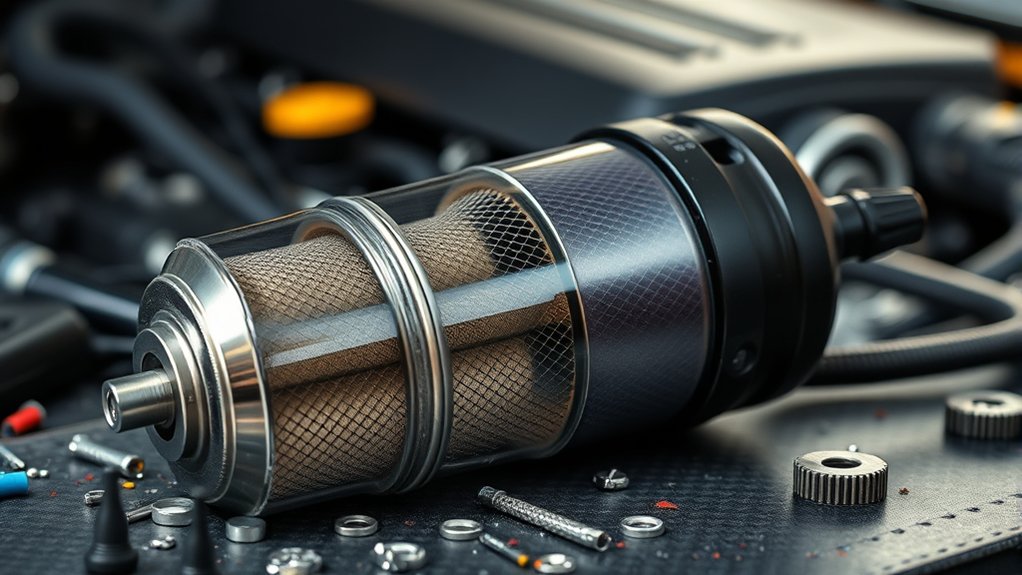
A fuel filter is an essential component that keeps dirt, rust, and debris from reaching your engine, ensuring it runs smoothly and efficiently. By filtering out contaminants, a fuel filter prevents clogs that can cause poor performance, stalling, or costly damage to your vehicle.
Using the right fuel filter and replacing it regularly is crucial for protecting your engine and maintaining optimal fuel flow.
Ignoring a dirty fuel filter can reduce your engine’s power and fuel efficiency, leading to increased wear and tear. Regular maintenance helps you spot potential issues early and keep your vehicle running at its best.
Understanding how to maintain your fuel filter is key to better vehicle health and longevity.
Key Takeaways
- A fuel filter removes dirt, rust, and contaminants from fuel before it reaches the engine.
- It prevents clogging of fuel injectors, ensuring smooth and consistent fuel flow.
- A clean fuel filter protects engine components from damage and extends engine life.
- Replacing the fuel filter regularly maintains optimal engine performance and fuel efficiency.
- Proper filter selection and maintenance support long-term vehicle reliability and prevent breakdowns.
What Is a Fuel Filter?
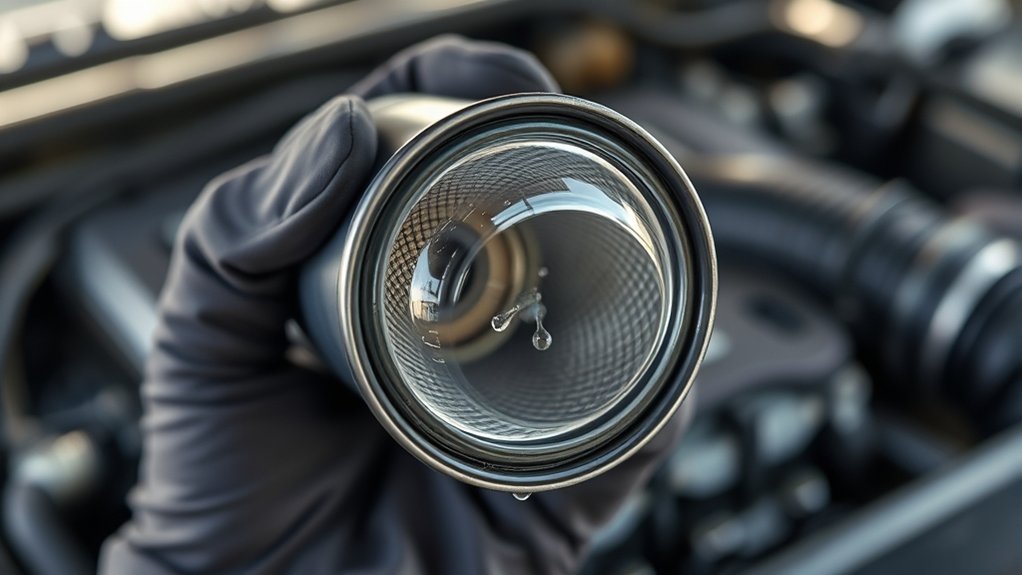
What exactly does a fuel filter do? It screens out dirt, rust, and other contaminants from the fuel before it reaches your engine. You might not see it, but the fuel filter plays a vital role in keeping your vehicle running smoothly.
By trapping harmful particles, it prevents clogs and damage within the fuel system. Without a properly functioning fuel filter, these impurities can cause poor engine performance, reduced fuel efficiency, and even costly repairs. You’ll want to keep it clean and in good shape to guarantee the fuel flows freely and your engine gets the pure fuel it needs.
Think of the fuel filter as a gatekeeper, protecting your engine and helping your vehicle perform at its best every time you hit the road.
Types of Fuel Filters and How They Differ
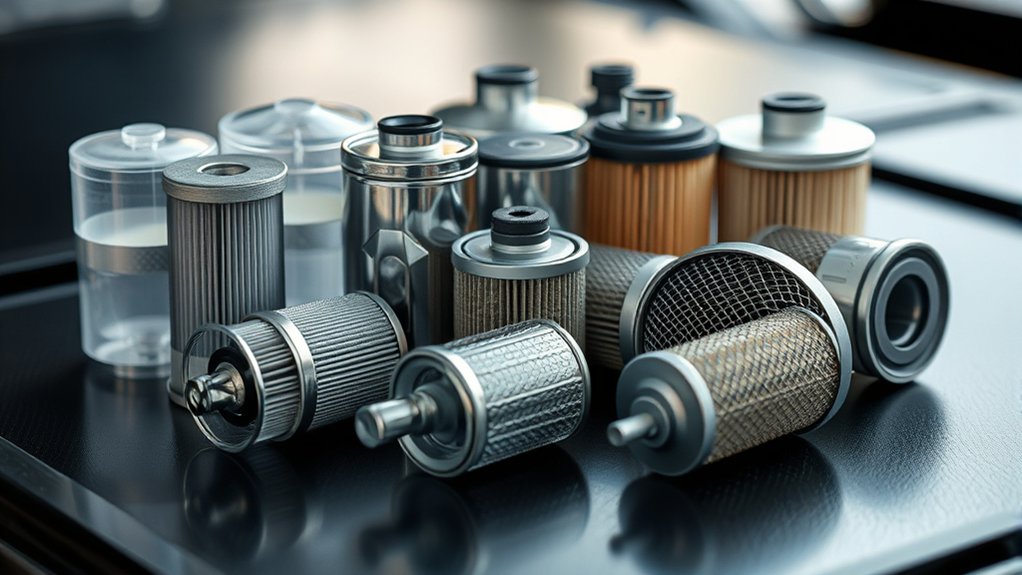
Although fuel filters all serve the same basic purpose, they come in different types designed for various engines and fuel systems. You’ll commonly find paper, mesh, and magnetic fuel filters. Paper filters use pleated paper to trap dirt and rust particles, making them effective for most gasoline engines.
Mesh filters have a metal screen, ideal for diesel engines, as they handle larger contaminants and resist fuel additives better. Magnetic filters attract and capture metal debris, protecting high-performance or older engines prone to metal wear. Additionally, you’ll encounter inline filters that sit directly in the fuel line and canister filters housed within the fuel tank.
Choosing the right type depends on your vehicle’s engine, fuel type, and operating conditions, ensuring ideal filtration and performance.
How a Fuel Filter Protects Your Engine
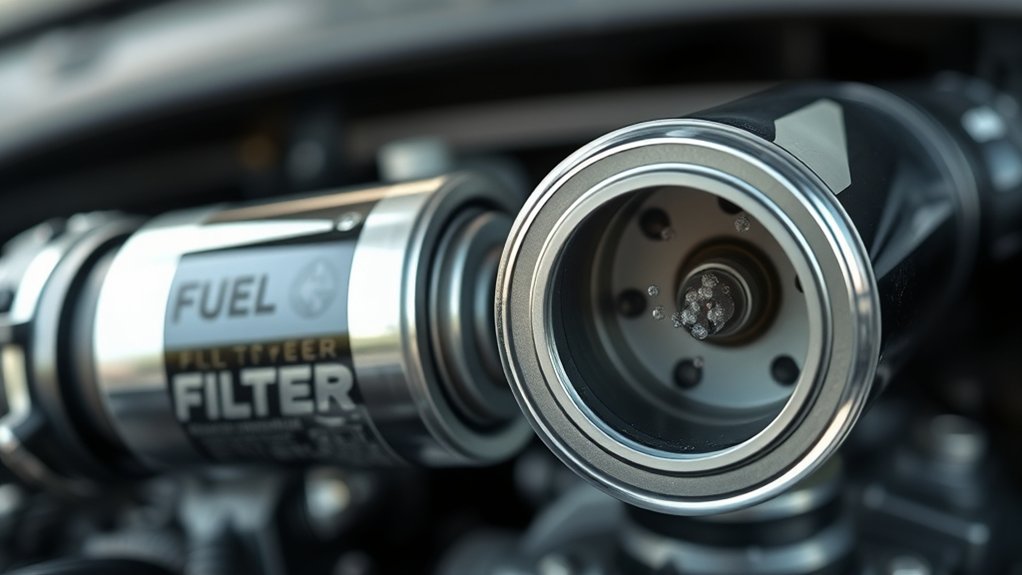
Selecting the right fuel filter type is just the first step in keeping your engine running smoothly. Your fuel filter traps dirt, rust, and debris before they reach the engine, preventing damage and maintaining peak performance. Without it, contaminants can clog fuel injectors and reduce fuel efficiency.
Here’s how a fuel filter protects your engine:
| Protection Aspect | Function | Benefit |
|---|---|---|
| Debris Removal | Filters out solid particles | Prevents engine wear |
| Fuel Injector Care | Stops clogging | Maintains fuel flow |
| Engine Longevity | Keeps engine clean | Extends engine life |
| Performance | Ensures clean fuel delivery | Enhances power and efficiency |
Signs Your Fuel Filter Is Clogged
You’ll notice your engine struggling or hesitating when your fuel filter is clogged. Your car might also lose fuel efficiency, costing you more at the pump.
Recognizing these signs early can help you avoid bigger problems down the road.
Engine Performance Issues
How can you tell if your fuel filter is clogged? One of the first signs you might notice is your engine struggling to start or stalling unexpectedly. When the fuel filter is blocked, it restricts fuel flow, causing your engine to hesitate or misfire during acceleration.
You may also feel a loss of power, especially when driving uphill or carrying heavy loads. Rough idling and sputtering can occur because the engine isn’t getting a consistent fuel supply. In some cases, your engine might run hotter due to inefficient combustion.
These performance issues signal that your fuel filter isn’t doing its job, and it’s time to check or replace it to avoid more serious engine problems down the road.
Fuel Efficiency Drops
Why does your fuel gauge seem to drop faster than usual? A clogged fuel filter restricts fuel flow, forcing your engine to work harder and consume more fuel. When dirt and debris build up in the filter, your fuel pump struggles to deliver enough fuel efficiently, leading to decreased fuel economy.
You might notice you’re filling up more often without increasing your driving distance. This drop in fuel efficiency isn’t just frustrating—it can also increase emissions and strain other engine components. If you’re experiencing sudden fuel consumption spikes, it’s a strong sign your fuel filter needs attention.
Regularly checking and replacing your fuel filter guarantees ideal fuel flow, helping your car run smoothly while saving you money at the pump.
Why You Shouldn’t Ignore a Dirty Fuel Filter
Ignoring a dirty fuel filter can lead to several costly and frustrating vehicle problems. When your fuel filter clogs, it restricts fuel flow to the engine, causing poor acceleration and engine misfires. You’ll notice your car struggling to start or stalling unexpectedly, which can be dangerous, especially in traffic.
A dirty filter forces your fuel pump to work harder, increasing the risk of premature pump failure—a costly repair you want to avoid. Additionally, contaminants that aren’t properly filtered can damage fuel injectors, leading to expensive maintenance.
Fuel Filter Replacement Frequency
When should you replace your fuel filter to keep your engine running smoothly? Generally, manufacturers recommend changing it every 20,000 to 40,000 miles, but this can vary based on driving conditions and fuel quality.
If you often drive in dusty areas or use lower-grade fuel, you might need to replace it more frequently.
| Driving Condition | Replacement Interval |
|---|---|
| Normal City Driving | Every 30,000 miles |
| Highway Driving | Every 40,000 miles |
| Dusty or Off-Road | Every 20,000 miles |
| Poor Fuel Quality | Every 20,000 miles |
| Severe Stop-and-Go Traffic | Every 25,000 miles |
Staying on top of these intervals helps prevent clogs and keeps your engine efficient.
Checking and Replacing Your Fuel Filter
You’ll want to watch for signs of a clogged fuel filter, like engine hesitation or trouble starting. Checking your fuel filter regularly helps prevent these issues before they cause damage.
Follow the replacement frequency guidelines to keep your fuel system running smoothly.
Signs of Clogged Filter
Although fuel filters work quietly behind the scenes, a clogged one can quickly disrupt your engine’s performance. You might notice your car struggling to start or engine misfires, especially during acceleration. Reduced fuel efficiency and sluggish power are common signs your fuel filter is blocked.
Your engine may also stall or hesitate while driving, putting you at risk on the road. Additionally, if your check engine light turns on, it’s worth inspecting the filter. Don’t ignore unusual engine noises or rough idling, as these can signal fuel flow issues.
Catching these signs early helps you avoid costly repairs. Regularly checking your fuel filter guarantees smooth fueling and reliable performance. If you spot these symptoms, it’s time to think about cleaning or replacing the filter.
Replacement Frequency Guidelines
Since fuel filters play a crucial role in maintaining your engine’s health, checking and replacing them regularly is essential. Most manufacturers recommend replacing the fuel filter every 20,000 to 40,000 miles, but your vehicle’s manual provides the best guidance. If you drive in dusty or harsh conditions, you might need to replace it more often.
Keep these points in mind for timely replacement:
- Check your owner’s manual for specific intervals
- Inspect the filter during routine maintenance
- Replace immediately if you notice performance issues
- Consider more frequent changes in rough driving environments
Fuel Filter Maintenance Tips to Improve Performance
When you regularly maintain your fuel filter, you help guarantee your engine runs smoothly and efficiently. Start by checking the filter for dirt or clogging during routine service intervals. Replace it according to your vehicle manufacturer’s recommendations or sooner if you notice performance issues like engine hesitation or rough idling.
Use quality replacement filters to avoid contaminants entering your fuel system. Always inspect fuel lines and connections for leaks or damage when servicing the filter. Keep your fuel tank clean and avoid filling up from questionable sources to reduce debris buildup.
If you drive in dusty or harsh conditions, consider more frequent inspections. By staying proactive with these maintenance tips, you’ll protect your engine components and ensure consistent vehicle performance without unexpected breakdowns.
How a Clean Fuel Filter Boosts Fuel Efficiency
Because a clean fuel filter guarantees your engine receives an uninterrupted flow of fuel, it directly improves your vehicle’s fuel efficiency. When your filter is clogged, your engine struggles to get enough fuel, causing it to work harder and use more gas.
By keeping the filter clean, you assure maximum fuel delivery, which means better combustion and smoother performance. This efficiency helps you save money at the pump and reduces harmful emissions.
Here’s how a clean fuel filter benefits you:
- Maintains steady fuel pressure for consistent engine power
- Prevents fuel system strain and reduces wear
- Enhances throttle response and acceleration
- Lowers fuel consumption by optimizing combustion
Keeping your fuel filter clean is a simple way to boost your vehicle’s fuel economy.
Choosing the Right Fuel Filter for Your Vehicle
Selecting the right fuel filter matters more than you might think, as it guarantees your engine stays protected from contaminants while maintaining ideal performance. To choose the best filter, start by checking your vehicle’s owner manual for specifications. Fuel filters vary by size, type, and filtration efficiency, so picking one designed for your engine is essential.
You’ll find paper, mesh, and spin-on filters—each with different lifespans and filtering capabilities. Consider your driving conditions too; dusty or off-road environments may require a more robust filter. Don’t overlook quality brands, as cheaper options might save money upfront but compromise your engine’s health.
Installing the correct fuel filter guarantees smooth fuel flow, prevents damage, and helps your vehicle run efficiently for a long time.
Frequently Asked Questions
Can a Bad Fuel Filter Cause Engine Misfires?
Yes, a bad fuel filter can cause engine misfires because it restricts fuel flow, leading to inconsistent fuel delivery. You’ll notice rough idling, hesitation, or poor acceleration when the filter clogs or fails.
Are Fuel Filters the Same for Gasoline and Diesel Engines?
No, fuel filters aren’t the same for gasoline and diesel engines. You’ll find diesel filters handle thicker fuel and remove different contaminants, so always use the right type to keep your engine running smoothly and avoid damage.
How Much Does Fuel Filter Replacement Typically Cost?
You’ll typically pay between $20 and $100 for a fuel filter replacement, depending on your vehicle and labor costs. Diesel filters usually cost more. It’s a quick job, so don’t wait to get it done!
Can a Fuel Filter Affect Vehicle Emissions?
Yes, a clogged fuel filter can increase your vehicle’s emissions by causing incomplete combustion.
Keeping it clean guarantees efficient fuel flow, reducing pollutants and helping your car run cleaner and meet emission standards.
Is It Safe to Drive With a Clogged Fuel Filter?
Driving with a clogged fuel filter is like breathing through a straw—it’s risky and limits performance. You’ll feel sluggish engine response, and it could leave you stranded.
Don’t push your luck; get it replaced promptly.
Conclusion
Think of your fuel filter as the guardian at your engine’s gate, keeping harmful debris from crashing the party. Ignoring it is like letting dirt pile up on your doorstep—eventually, you won’t get in.
By staying on top of fuel filter maintenance, you guarantee your engine runs smoothly, efficiently, and powerfully. So, don’t let that essential shield get clogged; protect your vehicle’s heart and keep it beating strong every mile you drive.
Regular fuel filter replacement is key to maintaining optimal engine performance and fuel efficiency. Prioritizing this simple maintenance step helps prevent costly repairs and ensures your vehicle’s longevity. Keep your fuel filter clean to safeguard your engine and enjoy a reliable, powerful ride.

