

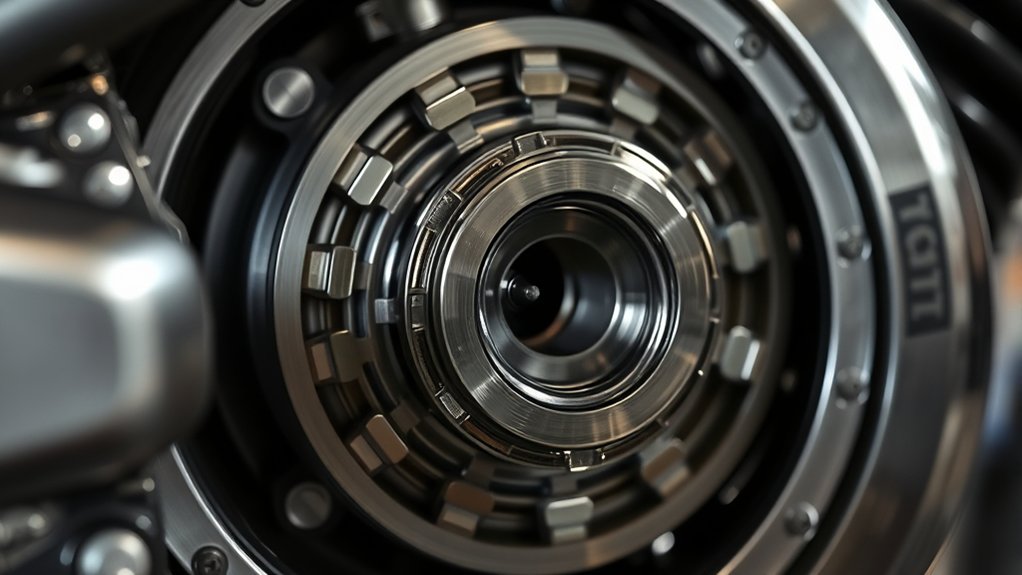
A multi-plate wet clutch is a crucial component in many motorcycles and vehicles, using multiple friction and steel plates immersed in oil to ensure smooth power transfer between the engine and transmission. This design helps keep the clutch cool and reduces wear, making it more durable and efficient compared to dry clutches.
Proper maintenance of a multi-plate wet clutch is essential for optimal performance and longevity. To maintain it, regularly check and replace the clutch oil to ensure proper lubrication.
Inspect the friction and steel plates for any signs of wear or damage. Clean the plates thoroughly to remove debris and buildup that could affect clutch function.
Adjust the clutch free play properly to avoid unnecessary strain. Avoid slipping and overheating by following correct usage and maintenance habits.
Keep reading to learn how to spot potential issues and extend your clutch’s life.
Key Takeaways
- A multi-plate wet clutch transfers power smoothly using multiple friction and steel plates immersed in lubricating oil for cooling and wear reduction.
- It is widely used in motorcycles and ATVs for compact design and high torque handling with smooth clutch engagement.
- Regularly check and replace clutch oil to maintain lubrication, cooling, and prevent overheating or contamination.
- Inspect clutch plates for wear, warping, discoloration, and measure thickness to identify damage or need for replacement.
- Properly adjust clutch free play, avoid slipping, and perform routine cleaning and maintenance to extend clutch lifespan and ensure reliable operation.
What Is a Multi-Plate Wet Clutch and How Does It Work?
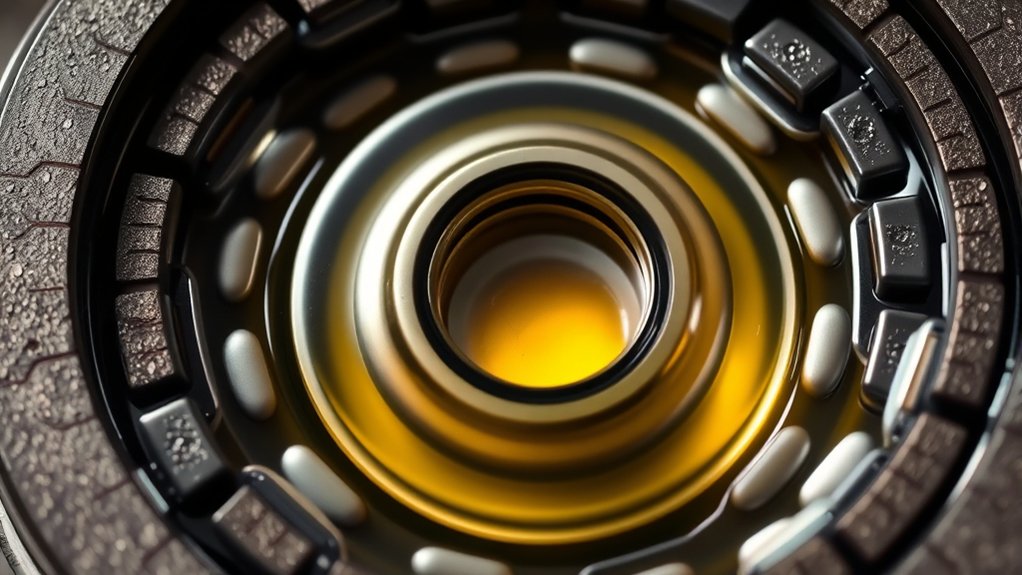
Although it might seem complex at first, a multi-plate wet clutch is a system designed to transfer power smoothly between the engine and transmission. You’ll find multiple friction and steel plates stacked together, immersed in lubricating oil that keeps them cool and reduces wear.
When you engage the clutch lever, the plates separate, interrupting power flow so you can shift gears without grinding. Releasing the lever presses the plates together, allowing power to transfer efficiently. The oil bath plays a vital role by preventing overheating and ensuring consistent performance.
Understanding how this clutch works helps you appreciate the importance of regular maintenance, which keeps these plates clean and properly lubricated, ensuring your vehicle runs smoothly and prolonging its lifespan.
Why Are Multi-Plate Wet Clutches Popular in Motorcycles and ATVs?
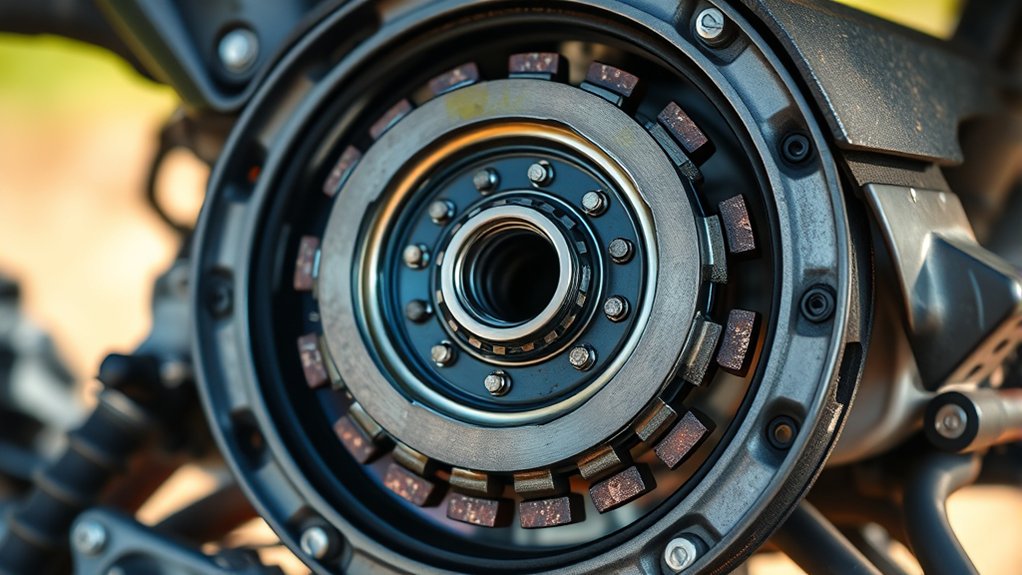
Because motorcycles and ATVs demand quick, reliable power transfer in compact spaces, multi-plate wet clutches have become the preferred choice. You’ll appreciate their ability to handle high torque without slipping, even in tight engine compartments.
Here’s why they’re so popular:
- Heat Dissipation: The wet clutch runs in oil, which cools and lubricates the plates, preventing overheating during aggressive riding.
- Compact Design: Multiple friction plates stacked closely provide greater surface area, delivering strong grip without bulky size.
- Smooth Engagement: The oil bath ensures gradual, smooth clutch engagement, giving you better control over power delivery and reducing wear.
Main Parts of a Multi-Plate Wet Clutch Explained
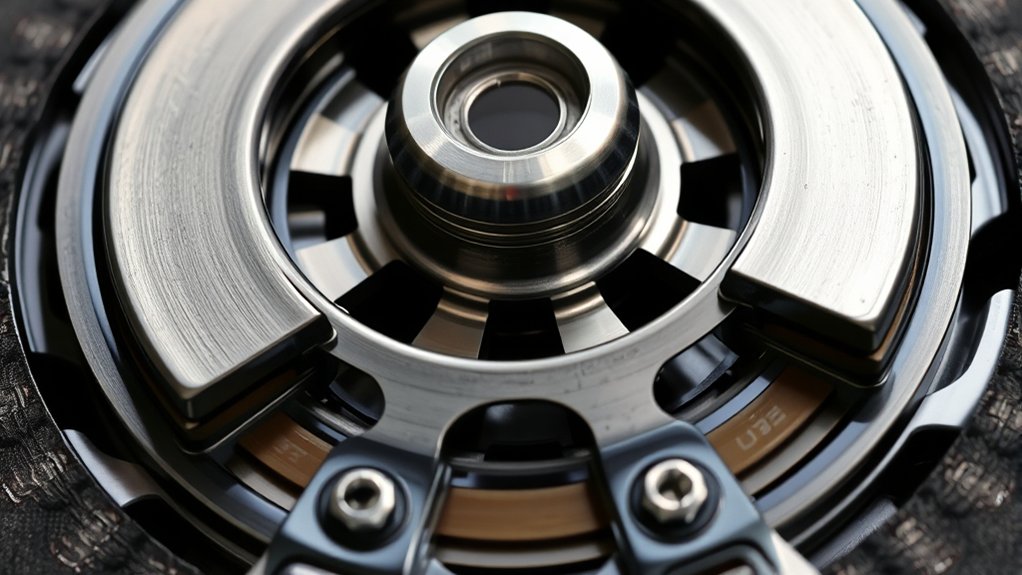
When you look inside a multi-plate wet clutch, you’ll find several key components working together to transfer power smoothly and reliably. First, there are alternating friction plates and steel plates stacked tightly. The friction plates connect to the clutch basket, while the steel plates connect to the transmission input shaft.
Next, you’ll notice the clutch basket itself, which houses the plates and guarantees proper alignment. The pressure plate presses down on the plates to engage the clutch, controlled by springs that provide the necessary force.
Finally, the release mechanism—usually a pushrod and lever system—disengages the clutch when you pull the lever. Each part plays an essential role, and understanding these basics helps you maintain your clutch effectively and spot potential issues early.
How Oil Keeps a Multi-Plate Wet Clutch Cool and Efficient
Since a multi-plate wet clutch generates heat from friction during operation, oil plays a crucial role in keeping it cool and running smoothly. You rely on the oil to prevent overheating and maintain clutch efficiency.
Here’s how oil helps:
- Heat Dissipation: Oil absorbs the heat created by friction between clutch plates, preventing damage from excessive temperatures.
- Lubrication: It reduces metal-to-metal contact, minimizing wear and tear on clutch components for longer life.
- Contaminant Removal: Oil washes away debris and microscopic particles, keeping the clutch clean and functioning properly.
Common Signs Your Multi-Plate Wet Clutch Needs Maintenance
If you notice your clutch slipping or hear unusual noises during operation, it’s a clear sign that your multi-plate wet clutch needs maintenance. You might also feel a change in clutch lever resistance—if it becomes too loose or too stiff, something’s off. Another common symptom is difficulty shifting gears smoothly, indicating plate wear or misalignment.
Watch for overheating signs like a burning smell, which signals excessive friction inside the clutch. Vibrations or jerking motions during acceleration also point to clutch issues. Ignoring these signs can lead to more severe damage and costly repairs.
Paying attention to these symptoms early helps you keep your clutch performing *ideal*ly, saving you time and money in the long run.
How to Check and Change Multi-Plate Wet Clutch Oil
Although your multi-plate wet clutch relies on the engine oil for lubrication, checking and changing the clutch oil regularly guarantees peak performance and prevents premature wear. To keep your clutch running smoothly, follow these steps:
- Check the oil level – Locate the clutch oil inspection window or dipstick, clean it, and ensure the oil is at the recommended level. Low oil can cause overheating and slipping.
- Assess oil condition – If the oil looks dark, gritty, or smells burnt, it’s time for a change.
- Change the oil – Warm the engine, drain the old oil by removing the drain bolt, replace the drain plug, then refill with the specified clutch oil type and quantity.
Regular oil maintenance keeps your clutch responsive and extends its life.
How to Inspect Multi-Plate Wet Clutch Plates for Wear
Before your multi-plate wet clutch shows signs of slipping or grabbing, you should regularly inspect the clutch plates for wear to maintain peak performance. Start by removing the clutch cover and carefully separating the plates. Check each friction plate for thinning, warping, or discoloration.
Steel plates should be free of grooves or excessive heat marks. Use a micrometer to measure plate thickness and compare it to the manufacturer’s specifications. Replace any plates that don’t meet the standards to avoid clutch failure.
| Inspection Step | What to Look For |
|---|---|
| Friction Plates | Thickness, warping, discoloration |
| Steel Plates | Grooves, heat marks |
| Plate Thickness | Use micrometer, compare specs |
| Surface Condition | Smooth, no burns or cracks |
| Replacement Criteria | Below spec thickness or damage |
Adjusting the Clutch Cable and Lever for Smooth Operation
You’ll want to start by setting the proper clutch cable tension to guarantee smooth engagement. Next, adjust the lever free play so it’s neither too tight nor too loose. These steps help you maintain precise control and prevent premature wear.
Proper Clutch Cable Tension
How do you guarantee your clutch operates smoothly without slipping or sticking? Proper clutch cable tension is key. If it’s too tight, the clutch may not fully engage; too loose, and it won’t disengage properly.
Here’s how to get it right:
- Check the slack: There should be a small amount of free play in the clutch lever—usually about 10-20mm. This prevents constant pressure on the clutch plates.
- Adjust the cable: Use the adjuster near the lever or along the cable to fine-tune the tension until the free play feels right.
- Test the lever action: Pull the lever a few times, ensuring it moves smoothly and the clutch fully engages and disengages without noise or resistance.
Regularly maintaining proper tension keeps your multi-plate wet clutch working efficiently and extends its life.
Lever Free Play Adjustment
Although adjusting the clutch cable and lever might seem straightforward, getting the free play just right is essential for smooth clutch operation. Start by checking the lever’s free play—the small amount of movement before the clutch begins to disengage. Too much free play means the clutch won’t fully disengage, causing difficulty shifting;
too little can cause premature clutch wear. To adjust, loosen the locknut on the clutch cable adjuster, then turn the adjuster to increase or decrease free play. Aim for about 10-20mm of lever movement before resistance.
After adjusting, tighten the locknut to secure the setting. Finally, test the lever feel and shifting smoothness. Regularly fine-tuning lever free play helps maintain clutch responsiveness and extends your multi-plate wet clutch’s lifespan.
Cleaning and Replacing Worn Clutch Plates
Before replacing worn clutch plates, you need to thoroughly clean each one to guarantee ideal performance. Start by soaking the plates in a suitable solvent to remove oil and debris. Then, gently scrub them with a soft brush to clear stubborn residue without damaging the friction material.
Thoroughly clean clutch plates with solvent and a soft brush to ensure optimal performance before replacement.
Finally, dry the plates completely before inspection.
When checking the plates, look for:
- Excessive wear or thinning on friction surfaces
- Warping or discoloration indicating overheating
- Cracks, chips, or other physical damage
If you spot any of these issues, replace the affected plates immediately. Clean and well-maintained clutch plates ensure smooth engagement and extend your multi-plate wet clutch’s lifespan, so never skip this essential step.
How to Prevent Clutch Slippage and Overheating
To keep your clutch from slipping and overheating, you need to maintain the proper fluid levels and quality. Make certain you check and change the fluid regularly to prevent contamination and degradation.
Also, adjust the clutch correctly to ensure it engages smoothly without unnecessary friction.
Proper Fluid Maintenance
When you maintain the right fluid levels and quality in your multi-plate wet clutch, you considerably reduce the risk of slippage and overheating. Proper fluid maintenance ensures smooth operation and extends clutch life.
Here’s how to keep your clutch fluid in excellent condition:
- Check fluid levels regularly: Low fluid can cause excessive friction and heat, leading to premature wear.
- Use the correct fluid type: Always follow the manufacturer’s recommendations for fluid specifications to maintain ideal lubrication and cooling.
- Replace fluid periodically: Over time, fluid degrades and loses its effectiveness, so schedule timely fluid changes to prevent contamination and overheating.
Correct Clutch Adjustment
Although maintaining proper fluid levels is essential, you’ll also need to make certain your clutch is correctly adjusted to prevent slippage and overheating. Start by checking the clutch lever free play; too little free play keeps the plates partially engaged, causing overheating, while too much leads to delayed engagement and slippage. Adjust the free play to the manufacturer’s recommended specification, typically around 2-3 mm.
Use the clutch cable adjuster or hydraulic system as needed. Regularly inspect for cable stretch or wear and replace components promptly. Proper adjustment ensures full clutch plate engagement, reducing friction and heat.
Common Mistakes That Damage Multi-Plate Wet Clutches
Mistakes like improper fluid choice, insufficient cleaning, and overheating can quickly ruin your multi-plate wet clutch. You need to avoid these common errors to keep your clutch functioning smoothly.
- Using the wrong lubricant: Not all fluids suit multi-plate wet clutches. Using incompatible oil can reduce friction and cause slippage or wear.
- Neglecting regular cleaning: Dirt and debris buildup between plates lowers performance and accelerates damage. Clean your clutch components as recommended.
- Allowing overheating: Excessive heat breaks down clutch material and fluid, causing failure. Avoid riding the clutch and ensure proper cooling.
Tips to Extend the Life of Your Multi-Plate Wet Clutch
To extend the life of your multi-plate wet clutch, you need to be proactive with maintenance and mindful of how you use it. Regularly check your clutch fluid and replace it as recommended. Avoid riding the clutch or slipping it unnecessarily, as this generates heat and causes premature wear.
Keep an eye on the clutch’s performance and address issues immediately to prevent damage.
| Tip | Why It Matters |
|---|---|
| Change fluid regularly | Keeps friction plates lubricated |
| Avoid clutch slipping | Prevents overheating and wear |
| Inspect clutch parts | Detects early signs of damage |
| Use recommended fluids | Maintains proper friction and cooling |
Follow these tips to keep your clutch running smoothly and lasting longer.
Frequently Asked Questions
Can a Multi-Plate Wet Clutch Be Used in Cars?
Yes, you can use a multi-plate wet clutch in cars, especially in high-performance or racing vehicles. They handle heat well and provide smooth engagement, but you’ll need to maintain the oil and plates regularly for ideal performance.
This type of clutch is designed to manage high torque loads efficiently. Regular maintenance is crucial to ensure longevity and optimal function. It is commonly found in sports cars and motorcycles but can be adapted for car use as well.
What Is the Cost of Replacing a Multi-Plate Wet Clutch?
Wondering how much replacing a multi-plate wet clutch will set you back? It usually costs between $500 and $1,500, depending on your vehicle and labor rates.
You’ll want to budget carefully for this essential repair.
How Does Riding Style Affect Multi-Plate Wet Clutch Lifespan?
Your aggressive riding, like frequent hard launches or slipping the clutch, wears it faster. Smooth, gradual acceleration and avoiding excessive slipping help extend your multi-plate wet clutch’s lifespan considerably.
Are There Aftermarket Upgrades for Multi-Plate Wet Clutches?
Yes, you’ll find aftermarket upgrades like stronger springs and performance plates designed to improve durability and engagement.
Don’t just assume they’re all better—research compatibility and quality to guarantee your clutch performs as you expect.
Can a Multi-Plate Wet Clutch Be Converted to a Dry Clutch?
You generally can’t convert a multi-plate wet clutch to a dry clutch easily, as they’re designed differently. You’d need significant modifications or a different clutch system altogether, so it’s often not practical or cost-effective.
Conclusion
You might be surprised to learn that nearly 70% of motorcycle clutch failures stem from poor maintenance. Taking care of your multi-plate wet clutch isn’t just about avoiding costly repairs—it’s about keeping your ride smooth and safe.
By regularly checking, cleaning, and properly lubricating your clutch, you’ll extend its life and performance. Remember, a little care goes a long way in preventing slippage and overheating, so don’t overlook this crucial part of your bike.
Proper maintenance of your multi-plate wet clutch ensures optimal function and durability. Prioritizing regular upkeep will help you avoid common issues and keep your motorcycle running at its best.

