

You rely on an automatic clutch every time you drive an automatic car, even though you don’t see a clutch pedal. This crucial component uses hydraulic pressure and electronic controls to smoothly transfer engine power. It engages and disengages without you lifting a foot, making driving simpler.
This system replaces the manual clutch, allowing gear changes to be effortless and seamless. It helps you focus on the road instead of managing gears. If you want to understand how this smooth power flow works and how to keep your automatic clutch running well, there’s more to explore.
By learning about the automatic clutch’s function and maintenance, you can appreciate its role in your vehicle’s performance and longevity.
Key Takeaways
- An automatic clutch transfers engine power to the transmission using hydraulic and electronic controls without driver input. It uses friction plates and a hydraulic actuator to engage and disengage smoothly during acceleration and deceleration.
- Torque converters replace manual clutches in automatics, enabling seamless power transfer without a clutch pedal. Automatic clutches prevent stalling by disengaging power when slowing or stopping, ensuring smooth gear transitions.
- Signs of clutch issues include delayed acceleration, slipping, burning smells, and jerking, requiring timely maintenance.
How The Clutch Transfers Power In Automatic Cars
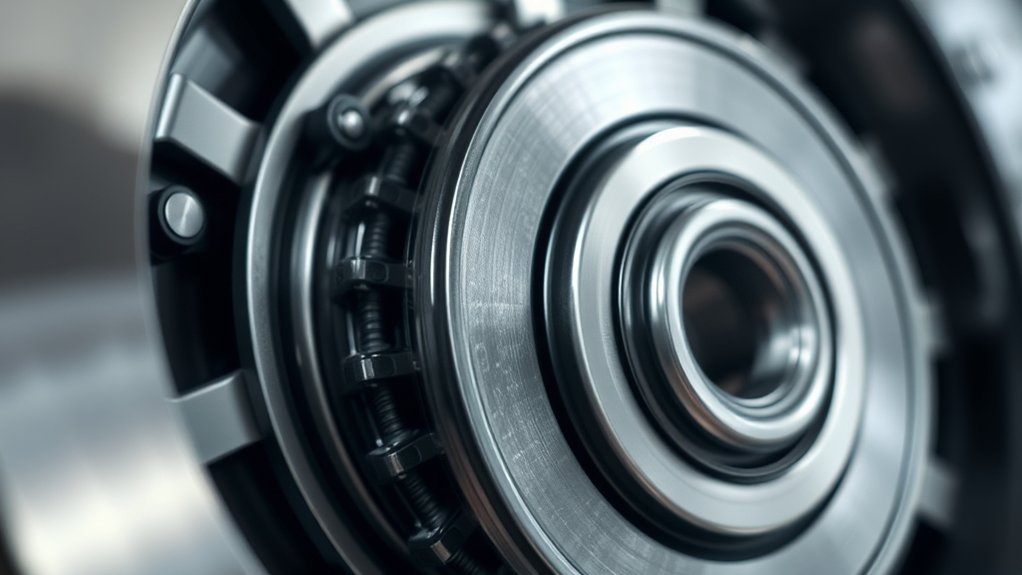
Although automatic cars don’t have a traditional clutch pedal like manuals, they still use a clutch mechanism to transfer power from the engine to the transmission. When you press the gas pedal, the engine generates power that needs to reach the wheels smoothly. Inside the transmission, the clutch engages and disengages automatically to connect or disconnect the engine’s power flow.
This process lets the car shift gears without you needing to intervene. The clutch uses friction plates that press together to transfer torque when engaged and separate to allow gear changes. By controlling this engagement, the automatic system guarantees smooth acceleration and deceleration.
You don’t feel the clutch working, but it’s critical for delivering power efficiently in your automatic car.
How An Automatic Clutch Differs From A Manual One
How does an automatic clutch differ from the one you find in a manual car? In a manual, you control the clutch with a pedal, engaging and disengaging it to shift gears smoothly. You decide exactly when to connect or disconnect the engine from the wheels.
In contrast, an automatic clutch operates without your direct input. It’s managed by the car’s transmission system, often using hydraulic or electronic controls to engage the clutch as needed. This means you don’t have to worry about timing or feel—it automatically adjusts to driving conditions.
While both types transfer power between the engine and transmission, the automatic clutch simplifies the process, providing a seamless experience that’s less demanding and more convenient for everyday driving.
Why Doesn’t Your Automatic Car Have A Clutch Pedal?
You don’t see a clutch pedal in your automatic car because it uses a torque converter instead of a manual clutch. This component manages power transfer smoothly, so you don’t have to shift gears yourself.
It’s designed to make driving simpler and less hands-on for you.
Automatic Transmission Basics
Since automatic cars don’t require you to manually change gears, they don’t need a clutch pedal like a manual transmission does. Instead, automatic transmissions manage gear shifts for you, using a system of planetary gears, hydraulic controls, and sensors. This setup lets the car automatically adjust gear ratios based on speed and engine load, so you can focus on steering and braking without worrying about shifting.
When you accelerate or decelerate, the transmission smoothly selects the appropriate gear, maintaining power and efficiency. Your automatic car’s transmission continuously adapts to driving conditions, providing a seamless experience. Understanding these basics helps you appreciate why your car operates without the clutch pedal and still delivers smooth, efficient performance every time you drive.
Role Of Torque Converters
Automatic transmissions replace the need for a clutch pedal by using a component called a torque converter. This device connects the engine to the transmission fluidly, allowing power to transfer without a direct mechanical connection like a clutch does. When your engine runs, the torque converter uses a fluid coupling to smoothly transmit power to the transmission, letting your car come to a stop without stalling.
It also multiplies torque during acceleration, giving you a seamless driving experience. Because the torque converter handles the engagement and disengagement between the engine and transmission, you don’t need to manually operate a clutch pedal. This is why your automatic car feels different from a manual one, yet still manages power effectively without the need for your input on clutch control.
Simplified Driving Experience
Although driving an automatic car might seem simpler, the absence of a clutch pedal plays a big role in that ease. You don’t have to worry about coordinating clutch and gas pedals, which reduces your workload and stress while driving.
The transmission handles gear changes automatically, allowing you to focus more on the road and less on mechanical control.
| Feature | Manual Transmission | Automatic Transmission |
|---|---|---|
| Clutch Pedal | Yes | No |
| Gear Shifting | Driver-controlled | Automatic |
| Driving Complexity | Higher | Lower |
| Focus Required | High (pedal coordination) | Lower (simplified controls) |
This simplification helps you drive more intuitively, especially in traffic or hilly areas.
What Makes Up An Automatic Clutch System?
To understand an automatic clutch system, you need to know its key components, like the torque converter and hydraulic systems. These parts work together to transfer power smoothly without a clutch pedal.
Let’s explore how each element plays a role in your car’s performance.
Components Of Automatic Clutch
Before you can fully grasp how an automatic clutch works, you need to understand its key components. Each part plays a vital role in smoothly transferring power without manual intervention.
Here’s a breakdown of the main elements you’ll find in an automatic clutch system:
| Component | Function | Location |
|---|---|---|
| Clutch Plate | Engages and disengages power flow | Between engine & transmission |
| Hydraulic Actuator | Controls clutch engagement force | Transmission housing |
| Release Bearing | Reduces friction during operation | Around clutch fork |
| Control Module | Manages clutch timing electronically | Integrated in vehicle ECU |
Knowing these parts helps you appreciate the automatic clutch’s complexity and reliability in your car.
How Torque Converters Work
How exactly does a torque converter keep your automatic clutch system running smoothly? It acts like a fluid coupling between the engine and transmission, allowing your car to stay in gear and move without stalling. Inside the torque converter, there’s a pump connected to the engine, a turbine linked to the transmission, and a stator that redirects fluid flow.
When your engine spins the pump, it pushes transmission fluid onto the turbine blades, which then spin the transmission input shaft. This fluid transfer lets your car smoothly transmit power without a direct mechanical connection. The stator boosts efficiency by redirecting fluid between the pump and turbine.
This clever setup lets you stop and start without manually engaging or disengaging a clutch, making driving easier and more seamless.
Role Of Hydraulic Systems
Why does your automatic clutch system rely so heavily on hydraulic components? Because hydraulics provide smooth, precise control without you having to manually engage or disengage the clutch. The system uses fluid pressure to activate clutch packs and manage gear shifts seamlessly.
Here’s what makes up this essential hydraulic system:
- Hydraulic Pump – Generates the necessary fluid pressure to operate the clutch mechanism.
- Hydraulic Fluid – Transfers pressure through lines and valves, ensuring smooth engagement.
- Hydraulic Actuators – Convert fluid pressure into mechanical movement to engage or release clutch plates.
Together, these components guarantee your automatic clutch operates efficiently, giving you a smooth driving experience without the need for manual clutch work.
How The Automatic Clutch Engages And Disengages
Although you don’t have to press a pedal like in a manual car, the automatic clutch still plays a crucial role by engaging and disengaging smoothly to transfer power between the engine and transmission. When you accelerate, sensors signal the hydraulic system to engage the clutch, connecting the engine’s power to the wheels seamlessly.
Conversely, when you slow down or come to a stop, the system disengages the clutch to prevent stalling and allow smooth progressions. This process happens automatically and quickly, so you don’t notice any jerks or delays.
The clutch plates either press together or separate, controlled by hydraulic pressure and electronic commands, ensuring a smooth ride without your direct input. This balance is what makes driving an automatic car effortless and efficient.
Common Signs Of Automatic Clutch Problems
If your automatic car starts showing unusual behavior, it could be a sign that the clutch system is having problems. Recognizing these signs early can help you avoid costly repairs.
Unusual behavior in your automatic car may signal clutch problems—early detection can save you from expensive repairs.
Here are three common signs to watch for:
- Delayed Acceleration: When you press the gas, the car hesitates or struggles to pick up speed. This often means the clutch isn’t engaging properly.
- Burning Smell: A strong, acrid odor while driving can indicate the clutch is slipping and overheating.
- Shuddering or Jerking: If the car shakes or jerks during gear changes, the clutch might be worn or damaged.
Paying attention to these symptoms will help you identify clutch issues before they worsen.
How Clutch Issues Affect Smooth Shifting And Power
When your clutch starts to fail, you’ll notice that shifting gears doesn’t feel as smooth as it used to. You might experience jerking or hesitation as the transmission struggles to engage properly. This happens because the clutch isn’t fully connecting the engine to the transmission, causing power delivery to become uneven.
As a result, acceleration may feel sluggish or inconsistent, making your drive less responsive. You may also hear strange noises during shifts or feel vibrations through the pedals. If you ignore these signs, the problem can worsen, leading to more severe drivability issues.
Paying attention to how your car shifts and responds can help you catch clutch-related problems early and keep your automatic transmission running smoothly.
What Causes Automatic Car Clutch Wear?
Because automatic car clutches handle constant friction and heat, they naturally wear down over time. You might not notice it immediately, but certain habits speed up this process. Understanding what causes clutch wear helps you recognize when it’s time for inspection or repair.
Automatic car clutches endure friction and heat, wearing down over time, often sped up by certain driving habits.
Here are three main causes of automatic clutch wear:
- Frequent Stop-and-Go Driving – Constantly starting and stopping puts extra stress on the clutch plates, causing faster wear.
- Overheating – Excessive heat from heavy loads or steep hills breaks down clutch materials.
- Improper Transmission Fluid – Using the wrong or dirty fluid reduces lubrication, increasing friction and wear.
Keeping these factors in mind helps you appreciate why automatic clutches wear out and when to be cautious.
Easy Tips To Maintain Your Automatic Clutch
Although automatic clutches are designed for convenience, you still need to take simple steps to keep them running smoothly. First, avoid riding the brakes or holding the car on an incline with the clutch engaged, as this causes unnecessary wear. Keep your transmission fluid clean and at the correct level—check it regularly and replace it as recommended.
When driving, accelerate gently and avoid abrupt starts to reduce stress on the clutch. Also, don’t overload your vehicle since extra weight strains the clutch system. Finally, pay attention to any unusual noises or slipping; catching issues early can prevent bigger problems.
When To Seek Professional Help For Your Automatic Clutch
If you notice slipping gears, strange noises, or delayed shifting, it’s time to get your automatic clutch checked. Proper diagnostic testing can pinpoint the exact issue before it worsens.
Always choose a qualified mechanic who specializes in automatic transmissions to guarantee the best care.
Signs Of Clutch Failure
When your automatic car’s clutch starts showing signs of wear, you’ll notice changes that affect driving performance and safety. Recognizing these signs early helps you avoid costly damage or breakdowns.
Here are three key signs you shouldn’t overlook:
- Slipping Gears: If your car hesitates or revs higher without accelerating as expected, the clutch might be slipping.
- Delayed Engagement: Notice a lag when shifting from park to drive? That delay signals clutch issues.
- Burning Smell: A strong, unusual odor during driving often points to clutch overheating or damage.
If you experience any of these symptoms, it’s time to get your car checked by a professional to prevent further damage and ensure safe driving.
Diagnostic Testing Importance
Noticing signs like slipping gears or a burning smell means your automatic clutch needs more than just a quick check. These symptoms often indicate internal issues that require diagnostic testing to pinpoint the exact problem. Diagnostic tools can assess clutch wear, hydraulic system pressure, and electronic controls, helping to avoid guesswork.
If your car hesitates to shift or you experience unusual noises, it’s time to get a professional diagnosis. Delaying testing can lead to more severe damage and costly repairs. By seeking diagnostic testing promptly, you guarantee that any clutch-related issues are identified early, keeping your car reliable and safe to drive.
Don’t wait until the problem worsens—professional testing saves time and money in the long run.
Choosing Qualified Mechanics
Because automatic clutch systems involve complex components, you’ll want to choose a mechanic with specialized experience in this area. Not every mechanic understands the nuances of automatic clutches, so selecting the right one assures accurate diagnosis and effective repairs.
Here’s what to look for:
- Certifications – Verify if the mechanic has certifications related to automatic transmissions or clutches, such as ASE or manufacturer-specific training.
- Experience – Ask about their experience specifically with automatic clutch systems; mechanics familiar with your car’s make and model are a bonus.
- Reputation – Check reviews, ask for recommendations, and confirm their trustworthiness through customer feedback.
When your automatic clutch shows signs of trouble, seeking professional help promptly can prevent costly damage and keep your car running smoothly.
Frequently Asked Questions
Can I Drive an Automatic Car Without a Clutch System?
Yes, you can drive an automatic car without a clutch because automatics don’t have a manual clutch pedal. The car handles gear changes for you, so you just focus on steering, accelerating, and braking comfortably.
Do Automatic Clutches Affect Fuel Efficiency?
Think of your automatic clutch as a skilled dancer—smooth moves save energy. Yes, it affects fuel efficiency by optimizing gear shifts, so your car sips fuel gently instead of guzzling, helping you save money on every drive.
How Long Does an Automatic Clutch Typically Last?
You can typically expect an automatic clutch to last between 50,000 and 70,000 miles. However, how you drive and maintain your vehicle can considerably affect its lifespan, so be sure to monitor it regularly.
Are Automatic Clutches More Expensive to Repair Than Manual Ones?
You’d think fixing an automatic clutch costs a king’s ransom in the Victorian era, but today, they’re often pricier than manual clutches. Their complex design demands specialized parts and labor, so expect higher repair bills.
Can I Replace an Automatic Clutch Myself?
You can replace an automatic clutch yourself if you have mechanical skills and proper tools, but it’s complicated and time-consuming.
If you’re inexperienced, it’s safer to let a professional handle it to avoid costly mistakes.
Conclusion
Understanding the clutch in your automatic car helps you appreciate how smoothly power transfers without a pedal. Did you know that automatic transmissions account for over 80% of new car sales in the U.S.? This shows just how popular and reliable these systems are.
By keeping an eye on clutch wear and following simple maintenance tips, you’ll enjoy smoother shifts and longer clutch life. Don’t hesitate to get professional help if you notice any issues! Proper clutch maintenance is key to ensuring your automatic car runs efficiently and lasts longer.

