

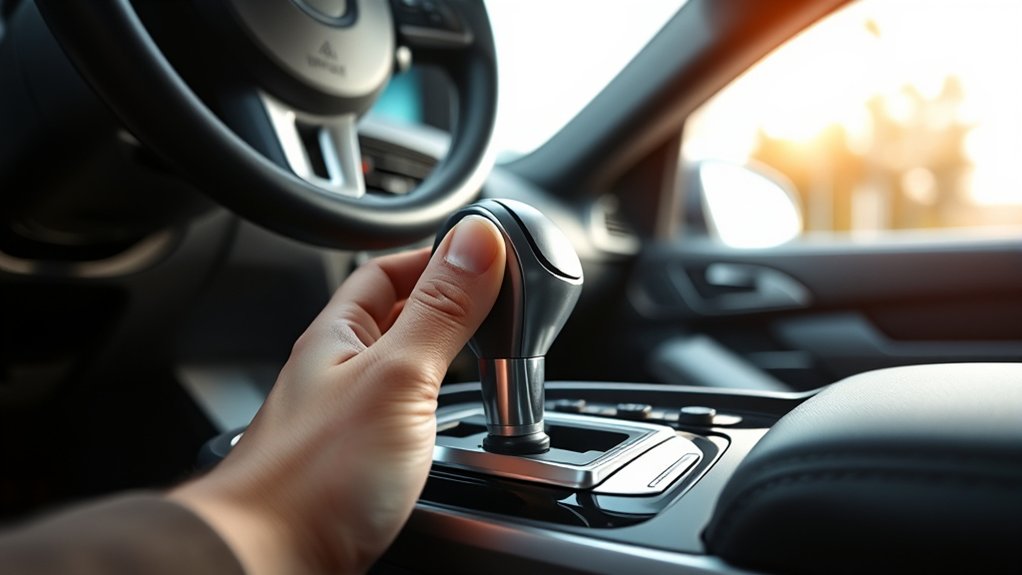
You use neutral gear in an automatic car to safely pause without engine power, like at stoplights or in traffic. Understanding how to use neutral gear properly enhances driving comfort and safety. It allows you to reduce strain on the transmission while waiting.
Shift smoothly by easing off the accelerator, pressing the brake, then moving the gear to neutral without forcing it. Avoid coasting downhill in neutral to keep control and protect your transmission.
Practicing these steps will help you shift confidently and improve safety.
There’s more to learn about when and how neutral gear works best. Mastering neutral gear usage will make your automatic driving experience smoother and safer.
Key Takeaways
- Shift to neutral only during temporary stops like traffic lights to reduce engine strain without compromising vehicle control.
- Always press the brake firmly and take your foot off the accelerator before smoothly shifting from drive to neutral.
- Avoid using neutral while driving downhill to maintain engine braking and ensure safer vehicle handling.
- Practice shifting to neutral regularly to build confidence and make gear changes smooth and automatic.
- Never rush gear changes; focus fully on the process to maintain safety and prevent transmission wear.
When and Why to Use Neutral Gear Safely in Your Automatic Car
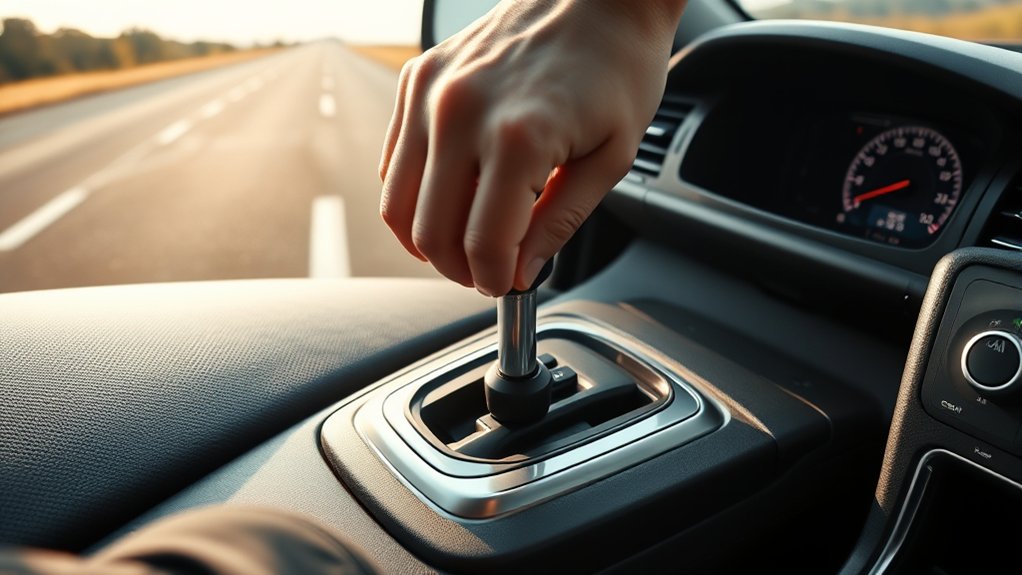
Although many drivers rarely use neutral gear in automatic cars, knowing when and why to engage it can improve your control and safety. You’ll find neutral useful when you need to stop temporarily, like at a long traffic light or in stop-and-go traffic, without keeping your foot on the brake constantly.
It can also help if your car stalls or you face an emergency, allowing you to prevent unintended acceleration. Additionally, neutral reduces strain on your transmission during certain towing situations.
However, you should avoid coasting in neutral while driving downhill, as it reduces your ability to control the car and engage engine braking. Using neutral appropriately gives you better control over your vehicle and helps maintain your car’s mechanical health.
How to Shift Into Neutral Safely While Driving an Automatic Car
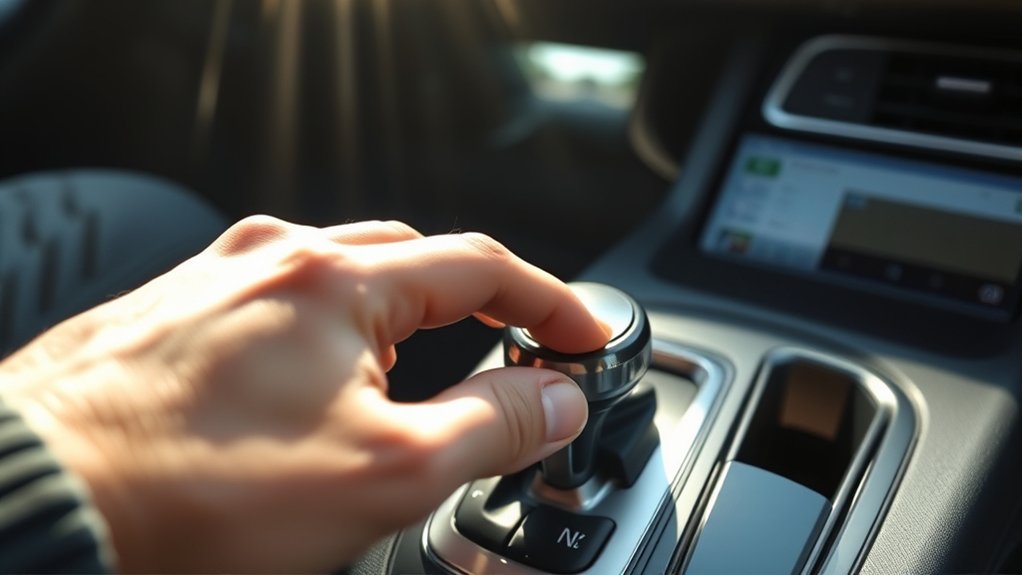
Before shifting into neutral while driving, you need to make sure your vehicle is at a safe speed and on a stable surface. Avoid shifting to neutral at high speeds or on slippery roads, as this can reduce control.
To shift safely, take your foot off the accelerator and firmly press the brake pedal. Then, move the gear lever from Drive (D) to Neutral (N) smoothly without forcing it. Keep your eyes on the road and be ready to shift back to Drive immediately if needed.
Avoid distractions during this process to maintain full control. Remember, shifting into neutral while moving requires caution and timing to ensure your safety and that of others on the road.
Should You Use Neutral Gear at Stoplights and in Traffic Jams?
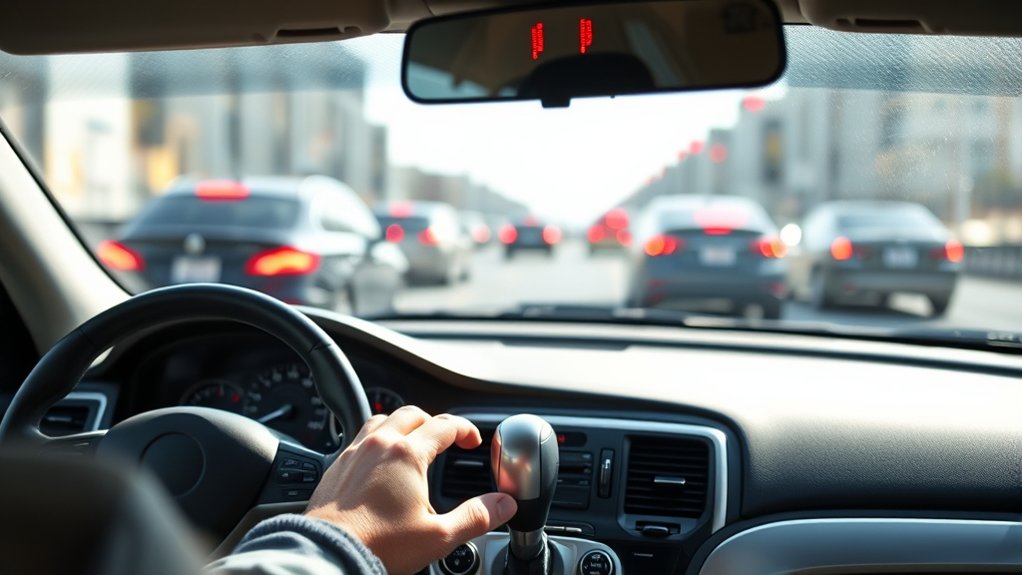
Shifting into neutral while driving requires careful attention, but what about when you’re stopped at a light or stuck in traffic? Using neutral in these situations can reduce strain on your transmission and save fuel, but only if done correctly.
You must keep your foot on the brake to avoid rolling and shift back to drive smoothly when the light changes.
| Situation | Using Neutral Recommended? | Reason |
|---|---|---|
| Short stoplight | Yes | Saves fuel, reduces wear |
| Long stoplight | Yes | Prevents transmission stress |
| Traffic jam | Sometimes | Depends on stop-and-go pattern |
| Uphill stop | No | Risk of rollback |
| Downhill stop | No | Safety concerns |
Always prioritize safety when deciding whether to use neutral at stops.
Should You Use Neutral When Coasting or Going Downhill in an Automatic Car?
When you’re coasting or driving downhill in an automatic car, you might wonder if putting the transmission in neutral can save fuel or reduce wear. However, it’s generally best to keep the car in drive. Leaving it in neutral disables engine braking, which helps control your speed without overusing the brakes.
This can be safer, especially on steep declines. Also, many modern automatics are designed to cut fuel supply during engine braking, so you won’t necessarily save fuel by coasting in neutral. Shifting to neutral while moving can also delay your ability to accelerate if needed, which could be risky.
How Neutral Gear Affects Your Automatic Transmission and Fuel Efficiency
Although putting your automatic car in neutral might seem like a good way to reduce wear or save fuel, it can actually have the opposite effect on your transmission and efficiency. When you shift to neutral while driving, your engine speed isn’t connected to the wheels, causing the transmission’s hydraulic system to work harder once you re-engage gear. This extra strain can lead to premature wear over time.
Additionally, modern automatic cars are designed to optimize fuel injection when in gear, especially during deceleration or coasting. In neutral, the engine often runs at higher RPMs without benefiting from fuel-saving features like engine braking or fuel cut-off. So, keeping your car in drive during normal driving conditions helps maintain both transmission health and fuel efficiency.
Common Neutral Gear Mistakes That Can Harm Your Car or Safety
Since neutral gear disconnects the engine from the wheels, using it improperly can put you and your car at risk. One common mistake is shifting into neutral while driving downhill, thinking it conserves fuel. This reduces your control over the vehicle, increasing the chance of accidents.
Another error is coasting in neutral for long distances, which can strain your transmission and brakes. Don’t forget that shifting into neutral without fully stopping can damage your transmission components. Also, leaving your car in neutral on an incline without using the parking brake risks it rolling away.
Always avoid shifting to neutral just to reduce engine noise or save fuel; it’s unsafe and can lead to costly repairs. Use neutral gear wisely to protect your car and ensure your safety.
How to Handle Emergencies Using Neutral Gear in Your Automatic Car
If your automatic car faces an emergency, knowing when to shift into neutral can help you stay in control. You’ll need to focus on steering safely while the engine is disengaged.
Plus, restarting your engine properly afterward is essential to get back on the road without issues.
When To Shift Neutral
When your automatic car suddenly loses power or the accelerator sticks, shifting into neutral can help you regain control and prevent further damage. You should shift to neutral immediately if you notice the engine revving uncontrollably or if the car accelerates without your input. This action disconnects the engine from the wheels, stopping unintended acceleration.
Also, if your brakes feel less effective during an emergency, shifting to neutral reduces engine load, making it easier to slow down. Avoid waiting too long; the quicker you engage neutral, the safer you’ll be. Remember, once in neutral, focus on safely slowing the car using the brakes and prepare to bring the vehicle to a stop without relying on the accelerator.
Controlling Steering Safely
How do you maintain control of your steering during an emergency while your automatic car is in neutral? First, keep a firm grip on the steering wheel with both hands. Even though the engine is disengaged, your power steering might still function, but it could feel heavier.
Stay calm and avoid sudden or jerky movements to maintain stability. Focus on guiding your vehicle smoothly to the side or a safe spot. Use your mirrors and signals to communicate with other drivers.
Restarting Engine Properly
Although your automatic car is in neutral during an emergency, you can quickly restart the engine to regain control and power assistance. First, confirm the car is fully stopped and the gear lever is still in neutral. Turn the ignition key or press the start button without pressing the accelerator.
This action should restart the engine smoothly. Once the engine is running, shift back into drive or reverse as needed to move safely. Avoid forcing the gear lever if it feels stuck; instead, check if the brake pedal is fully pressed.
Restarting the engine promptly restores power steering and brakes, helping you maneuver out of danger. Practicing this process can prepare you for unexpected situations, guaranteeing you handle emergencies calmly and effectively.
Tips to Practice Using Neutral Gear and Boost Your Driving Confidence
Since mastering neutral gear can feel unfamiliar at first, practicing in a safe, controlled environment will help you build confidence quickly. Start by shifting into neutral while your car is stationary, paying attention to how the gear lever moves. Next, try shifting between drive and neutral smoothly to get a feel for the mechanism.
Practice coasting in neutral on gentle slopes to understand how your car responds without engine power. Always keep your foot on the brake when shifting to neutral during stops. Avoid distractions and focus on the gear changes until they become second nature.
Gradually, you’ll feel more comfortable using neutral gear appropriately, improving your overall driving confidence and control. Remember, consistent practice is key to mastering this skill safely.
Frequently Asked Questions
Can You Use Neutral Gear to Start an Automatic Car?
Yes, you can start an automatic car in neutral gear. Just make sure your foot’s on the brake, then turn the key or push the start button.
It’s a safe way if park gear isn’t available.
Does Using Neutral Gear Affect Your Car’s Warranty?
Imagine your warranty as a safety net—it usually won’t snap if you use neutral gear briefly.
Using it won’t void your warranty unless you misuse it, like coasting downhill for long periods, which can cause damage.
How Does Neutral Gear Impact Parking on a Hill?
Using neutral gear on a hill can make your car roll since it disengages the engine from the wheels. You shouldn’t rely on neutral alone; always use the parking brake and turn your wheels toward the curb for safety.
Is It Safe to Shift to Neutral When Towing an Automatic Car?
Towing thoughtfully takes technique; no, you shouldn’t shift to neutral when towing an automatic car. Doing so can damage the transmission.
Instead, consult your car’s manual or use a flatbed to protect your vehicle’s parts.
Can Neutral Gear Help Prevent Theft or Carjacking?
No, neutral gear won’t help prevent theft or carjacking since it doesn’t lock the wheels or disable the engine.
You should rely on proper security measures like steering locks, alarms, and immobilizers to keep your car safe.
Conclusion
Using neutral gear wisely can improve your driving safety and car longevity. Did you know that 60% of automatic car drivers misuse neutral gear, leading to unnecessary wear or safety risks? By shifting into neutral only when appropriate—like during long stops or emergencies—you’ll protect your transmission and stay in control.
Practice these tips, and you’ll boost your confidence behind the wheel while keeping your car running smoothly for miles to come. Remember, understanding how to use neutral gear in an automatic car simply is key to safer driving and prolonging your vehicle’s life. Use neutral gear correctly to enjoy a safer, smoother ride every time.

