

To drive a clutch car in 7 easy steps, start by getting familiar with the clutch pedal and gear stick. Understanding how to use the clutch is essential for smooth driving and gear changes. Mastering these basics will build your confidence behind the wheel.
Fully press the clutch to start the car, then smoothly find the biting point as you release it while gently accelerating.
Shift gears by pressing the clutch fully, moving the gear stick carefully, then easing off the clutch gradually. This technique helps prevent jerky movements and ensures better control.
Master hill starts using the handbrake to avoid rollback.
Avoid riding the clutch and jerky shifts by practicing regularly for smooth control.
Keep going, and you’ll soon handle every clutch technique with confidence.
Key Takeaways
- Fully press the clutch pedal before shifting into the first gear to disengage the engine from the wheels.
- Slowly release the clutch pedal until you feel the “biting point” where the engine begins to engage.
- Gently press the accelerator while gradually easing off the clutch for smooth acceleration without stalling.
- Always fully press the clutch before changing gears and shift smoothly using the gear stick’s H-pattern.
- Use the handbrake on hills, find the biting point, and release the handbrake gradually while accelerating to prevent rollback.
Get to Know How a Clutch Car Works
Before you start driving, you need to understand how a clutch car works. The clutch connects and disconnects the engine from the wheels, allowing you to change gears smoothly. When you press the clutch pedal, it disengages the engine, stopping power transmission to the wheels.
This lets you shift gears without grinding. Releasing the clutch pedal re-engages the engine with the wheels, transferring power again. The key is balancing the clutch and throttle to avoid stalling or jerking.
Unlike automatic cars, you control when to engage or disengage power, giving you more control but requiring practice. Knowing this mechanism helps you anticipate how the car will respond when you use the clutch, making your learning curve smoother and safer.
Meet the Clutch Pedal and Gear Stick
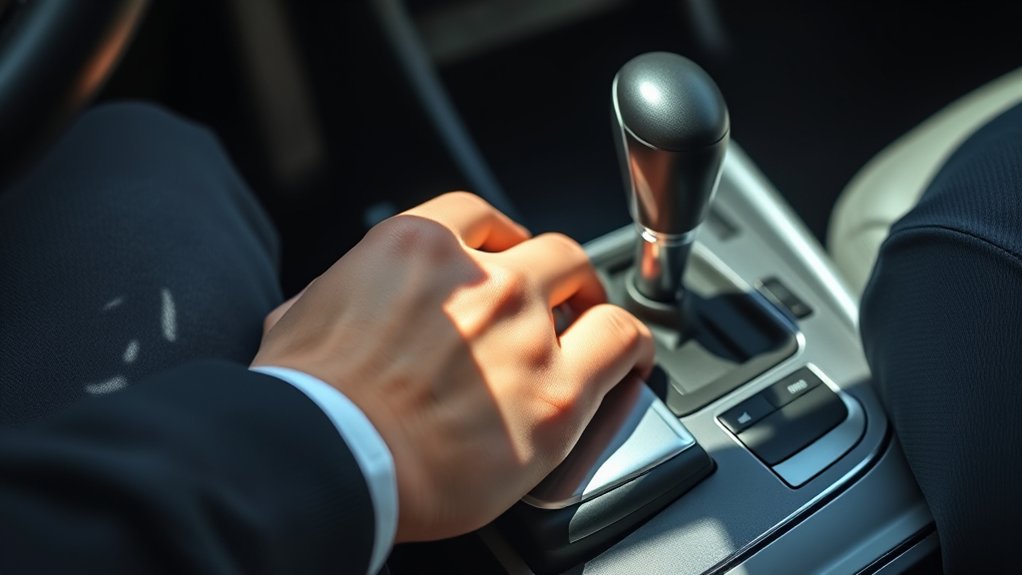
Once you’re familiar with how the clutch works, you’ll want to get comfortable with the clutch pedal and gear stick—the two main controls you’ll use to operate the car’s transmission. The clutch pedal is on the far left, and you’ll press it down fully to disconnect the engine from the wheels. This lets you change gears smoothly.
The gear stick, usually located between the front seats, lets you select the appropriate gear. You’ll move it through an H-pattern, with first gear typically at the top left and reverse in a designated position. Getting a feel for how much pressure to apply on the clutch and how firmly to move the gear stick will make shifting easier and more precise as you drive.
Practice Smooth Starts With the Clutch
Getting comfortable with the clutch pedal and gear stick sets the stage for mastering smooth starts. Begin by pressing the clutch fully and shifting into first gear. Slowly release the clutch until you feel it engage—the “biting point.”
At this moment, gently press the accelerator to provide enough power for the car to move forward. Balance the clutch and accelerator carefully; too fast on the clutch or too slow on the gas can stall the engine.
Keep your movements smooth and deliberate as you release the clutch fully once the car starts rolling. Practice this repeatedly in a safe, flat area until you can start the car without jerking or hesitation.
This builds confidence and control essential for driving a manual car smoothly.
Improve Clutch Control to Avoid Jerks and Stalls
To avoid jerks and stalls, you need to master smooth clutch engagement. Pay close attention to how gently you release the clutch pedal while applying the right amount of throttle. With practice, you’ll keep the engine running smoothly and maintain better control.
Smooth Clutch Engagement
Because smooth clutch engagement requires careful coordination between the clutch pedal and gas pedal, you’ll need to practice controlling the clutch’s bite point to prevent jerks and stalls. Start by slowly releasing the clutch until you feel the car begin to move—the bite point. At this moment, gradually add gas while easing off the clutch to maintain steady acceleration and avoid sudden jolts.
Use the table below to balance clutch and gas inputs effectively:
| Clutch Action | Gas Pedal Action |
|---|---|
| Release slowly | Apply gradually |
| Reach bite point | Increase gently |
| Maintain balance | Adjust as needed |
| Fully release clutch | Steady gas input |
Mastering this balance ensures smooth starts and a comfortable ride every time.
Preventing Engine Stalls
Mastering clutch engagement sets the stage for preventing engine stalls, which often happen when the clutch and gas pedals aren’t coordinated properly. To avoid stalls, you need to balance releasing the clutch smoothly while gradually pressing the gas pedal. If you lift the clutch too fast or don’t give enough gas, the engine will struggle and stall.
Focus on feeling the bite point where the clutch starts to engage.
Keep these tips in mind to prevent stalls:
- Release the clutch slowly to maintain steady engine RPM.
- Apply gentle gas as you release the clutch to keep the engine running smoothly.
- Practice starting on slight inclines to build confidence in clutch and gas coordination.
With practice, you’ll stop stalls and drive more confidently.
Change Gears Without Stalling
Although shifting gears smoothly can feel challenging at first, you can avoid stalling by coordinating the clutch, accelerator, and gear lever carefully. Start by pressing the clutch pedal fully before moving the gear lever to the next gear. Don’t rush this step; a smooth, deliberate motion helps prevent jerks.
As you release the clutch pedal gradually, gently press the accelerator to maintain engine power. If you feel the engine struggling or the car slowing unexpectedly, ease off the accelerator slightly and slow your clutch release. Practice timing your foot movements so the clutch engages just as you add gas.
With repetition, this coordination will become second nature, letting you shift gears confidently without the engine cutting out. Keep calm and focus on smooth progressions.
Master Stopping and Starting on Hills
Stopping and starting on hills can feel tricky, but you’ll get the hang of it with the right techniques.
You’ll learn how to use the handbrake effectively and control the clutch smoothly to prevent rolling back.
Mastering these skills will boost your confidence on any incline.
Hill Start Techniques
When you find yourself on a hill, starting and stopping smoothly can feel challenging, but with the right techniques, you can control your clutch and brake confidently. Begin by pressing the clutch fully and shifting into first gear. Slowly release the clutch until you feel the biting point, where the engine and transmission engage.
At this moment, gently ease off the brake and apply a little gas to prevent rolling backward. Balancing these controls is key.
Remember to:
- Feel the clutch’s biting point to avoid stalling.
- Coordinate clutch release with throttle input for smooth starts.
- Keep your foot steady on the brake until you’re ready to move.
Practice these steps, and hill starts will become second nature.
Using Handbrake Effectively
Mastering hill starts with the clutch gives you great control, but adding the handbrake to your routine can make stopping and starting on slopes even easier. When you stop on an incline, pull the handbrake firmly to hold the car in place. This prevents you from rolling backward, so you can focus on finding the biting point smoothly with the clutch.
When you’re ready to move, gradually release the clutch until you feel the car wants to pull forward. At that moment, slowly lower the handbrake while gently pressing the accelerator. Coordinating these actions prevents stalling and rolling back.
Using the handbrake effectively gives you confidence and makes hill starts less stressful, especially in traffic or on steep hills.
Managing Clutch Control
How do you keep your car from rolling back or stalling on a hill? Managing clutch control is key. First, press the clutch fully and shift into first gear.
Slowly release the clutch until you find the “biting point,” where the engine starts to engage. At this moment, gently press the accelerator while maintaining the clutch’s position to avoid stalling. If on a steep incline, use the handbrake to hold the car steady.
When you feel the car wants to move forward, gradually release the handbrake while increasing the accelerator.
Remember these steps:
- Find the clutch’s biting point carefully
- Balance the accelerator with clutch release
- Use the handbrake to prevent rollback on hills
With practice, hill starts become smooth and confident.
Fix Common Clutch Driving Mistakes
Although learning to drive a clutch can be challenging, you can avoid common mistakes by understanding how the clutch responds. One frequent error is riding the clutch—keeping your foot partially on the pedal—which causes unnecessary wear. Instead, fully press or release the clutch when shifting.
Don’t rush releasing the clutch; ease off slowly to prevent stalling or jerking. Another mistake is resting your foot on the clutch pedal while driving, which can lead to premature clutch failure. Avoid shifting gears too quickly; wait until the engine speed matches the gear shift to ensure smooth progression.
Finally, don’t forget to use the handbrake on hills to prevent rollback. Practicing these fixes will help you drive a clutch smoothly and confidently.
Frequently Asked Questions
How Often Should I Replace My Car’s Clutch?
You should replace your car’s clutch every 50,000 to 100,000 miles, depending on your driving habits. If you notice slipping, difficulty shifting, or strange noises, get it checked and replaced sooner to avoid damage.
Can Riding the Clutch Damage the Vehicle?
Yes, riding the clutch can damage your vehicle by causing excessive wear on the clutch disc and pressure plate. You’ll notice slipping, overheating, and eventually costly repairs if you don’t avoid keeping the clutch partially engaged.
What Are Signs of a Failing Clutch?
Imagine your clutch as a worn-out sneaker—if it slips, smells burnt, or feels stiff, it’s failing.
You’ll notice difficulty shifting, a burning smell, or the pedal feeling spongy or sticking, signaling it’s time to check it out.
Is It Better to Drive a Manual or Automatic Car?
It depends on your preference and needs. You’ll enjoy manual if you want more control and engagement, but automatic is easier and more convenient, especially in traffic.
Choose what fits your lifestyle and comfort best.
How Do Different Car Models Affect Clutch Driving Techniques?
Different car models change clutch feel and engagement points, so you’ll need to adapt your pressure and timing. Sports cars often have stiffer clutches, while older models might require gentler control to avoid stalling or jerking.
These variations mean that drivers must remain attentive and flexible when switching between vehicles. Familiarizing yourself with each car’s unique clutch response helps ensure smoother gear changes and better control.
Ultimately, understanding these differences enhances driving confidence and prevents unnecessary wear on the clutch components.
Conclusion
Now that you’ve learned the basics, remember that over 70% of new clutch drivers stall their car at least once—that’s totally normal! With practice, you’ll gain smooth control and confidence behind the wheel.
Keep mastering those starts, gear changes, and hill stops, and soon driving a clutch car will feel second nature. Stay patient, stay focused, and enjoy the unique thrill of driving a manual.
You’ve got this! Driving a clutch car becomes easier with each attempt, so keep practicing these essential steps to drive clutch smoothly and confidently.

