

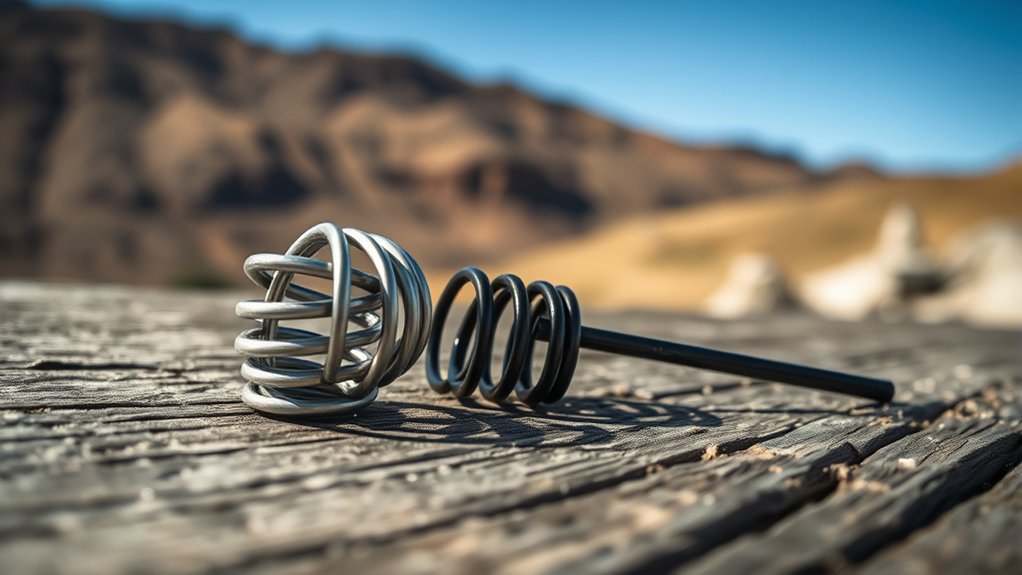
You want a clutch spring that strikes a balance between firm engagement and smooth responsiveness to tackle steep hills effectively. Choosing the right clutch spring for climbing hills ensures your vehicle handles inclines with consistent power transfer and control.
Too soft, and you risk slipping and power loss; too stiff, and you’ll face jerky starts and fatigue.
Heavier loads benefit from stiffer springs, while lighter rides do better with softer ones. This balance helps maintain performance and reduces wear on your clutch components.
Picking the ideal clutch spring guarantees a smoother ride and better hill-climbing capability.
Keep going to discover how to pick and maintain the best clutch spring for your needs. Understanding these factors will help you optimize your vehicle’s performance on any incline.
Key Takeaways
- Choose stiffer or heavy-duty clutch springs to prevent slipping and maintain engagement on steep or challenging hill climbs.
- Match spring stiffness to vehicle weight and engine power for efficient power transfer and better hill-climbing control.
- Avoid overly stiff springs to prevent jerky engagement, driver fatigue, and premature clutch wear during extended climbs.
- Regularly inspect and maintain clutch springs to detect wear, overheating, and ensure durable, reliable hill-climbing performance.
- Upgrade to high-quality, heat-resistant springs for improved torque handling and consistent clutch engagement on mountainous terrain.
Why the Right Clutch Spring Matters for Hill Climbing
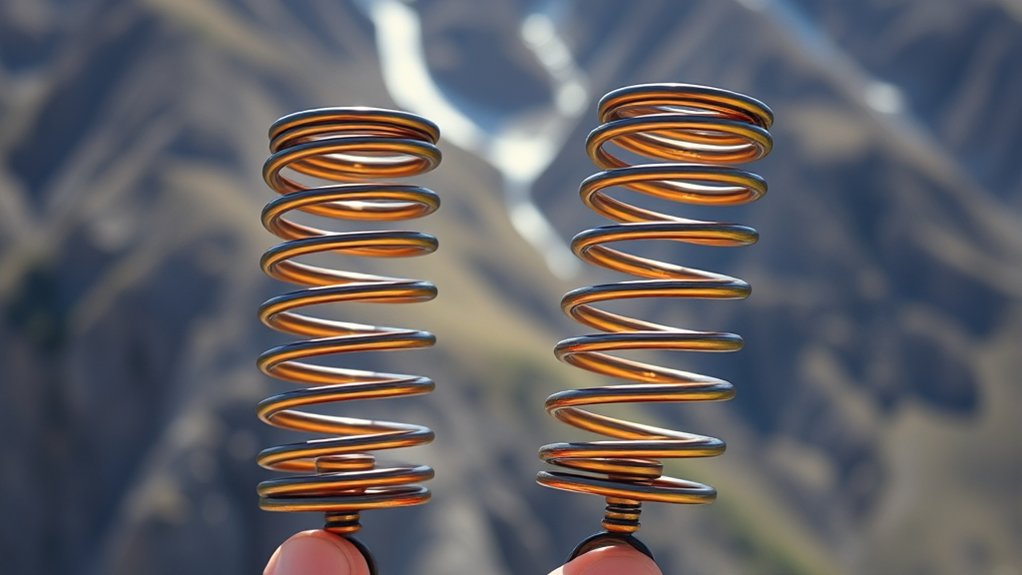
When you’re climbing hills, the right clutch spring can make all the difference in performance. You need a spring that matches your engine’s power and the demands of hill terrain. If the spring is too soft, your clutch might slip under load, causing you to lose momentum and control.
On the other hand, a spring that’s too stiff can make it harder to engage the clutch smoothly, leading to jerky starts and potential stalling. Selecting the proper clutch spring ensures your engine’s power transfers efficiently to the wheels, giving you consistent traction and control.
With the right spring, you avoid unnecessary wear and tear, maintain better fuel efficiency, and enjoy a smoother ride up challenging inclines. Getting this balance right is key to tackling hills confidently.
How Clutch Spring Stiffness Affects Performance on Steep Hills
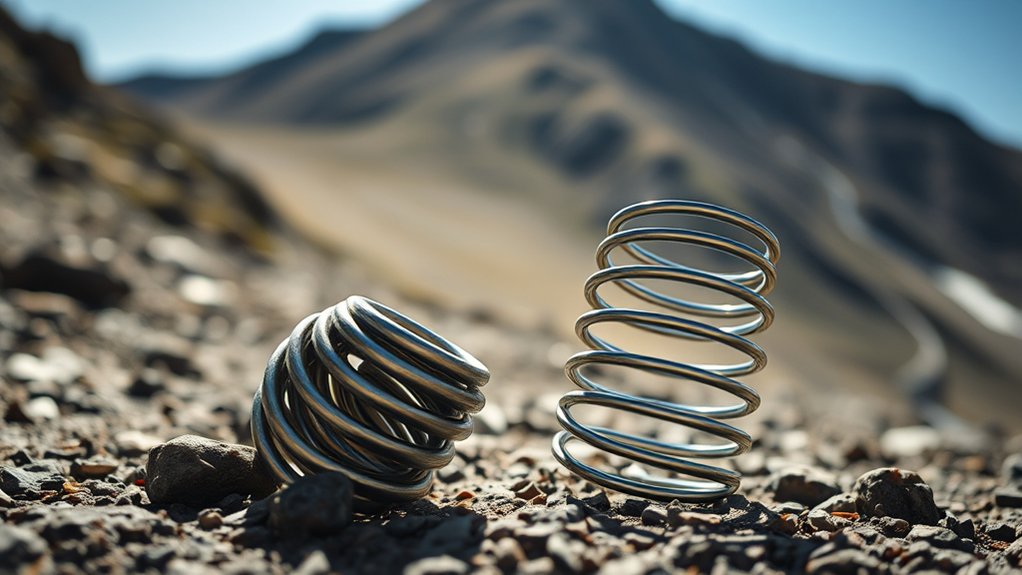
Choosing the right clutch spring stiffness directly impacts how your vehicle handles steep hills. If the spring is too soft, your clutch may slip under heavy load, causing loss of power and potential overheating. On the other hand, a spring that’s too stiff can lead to harsh engagement, making it harder for you to modulate the throttle smoothly and increasing wear on the drivetrain.
You want a spring that balances firm engagement with enough flexibility to absorb the stress of climbing. This guarantees consistent power transfer, prevents clutch slippage, and gives you better control on inclines. Ultimately, matching spring stiffness to your vehicle’s weight and engine torque helps you maintain traction and avoid stalling when tackling steep terrain.
Comparing Standard and Heavy-Duty Clutch Springs for Hill Terrain
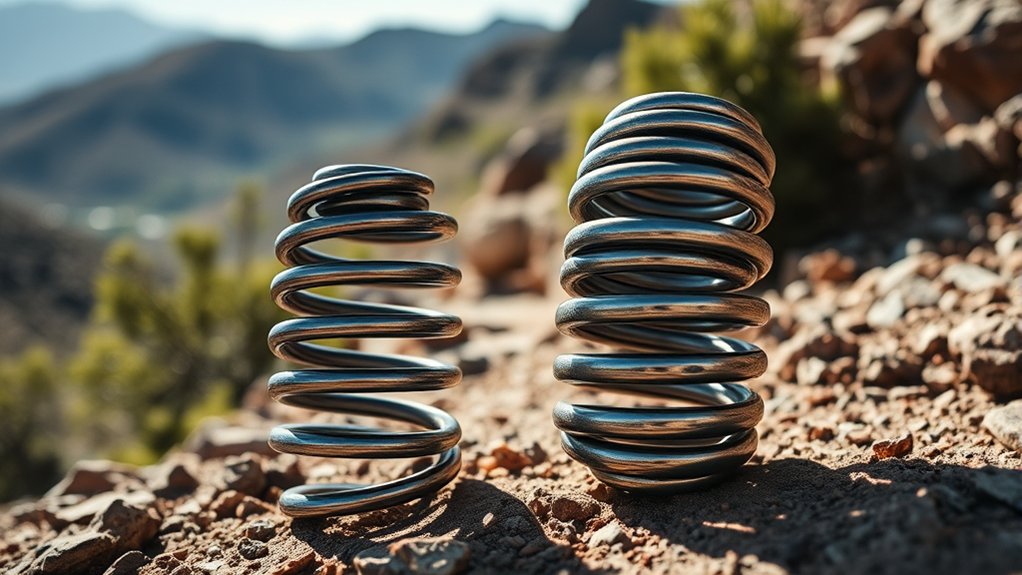
When choosing between standard and heavy-duty clutch springs, you’ll notice clear differences in performance and durability on hill terrain. Heavy-duty springs handle stress better but may affect smoothness on gentler slopes. Understanding which spring suits your typical conditions will help you get the most out of your climb.
Performance Differences Explained
Although both standard and heavy-duty clutch springs serve the same basic function, you’ll notice significant performance differences when tackling steep hills. A standard spring offers smoother engagement, making it ideal for gradual inclines and everyday riding. However, it might struggle with slippage or inconsistent power delivery on steep grades.
On the other hand, a heavy-duty spring provides firmer clutch engagement, ensuring better power transfer and preventing slippage on tough uphill climbs. You’ll feel more control and less strain on your engine when using heavy-duty springs in demanding terrain. Keep in mind, though, that heavier springs require slightly more effort to engage, which can affect low-speed maneuverability.
Ultimately, the choice depends on the hill difficulty and your riding style.
Durability Under Stress
Understanding how clutch springs perform under continuous strain is just as important as their engagement characteristics. When you tackle steep hills, your clutch spring faces constant pressure, which can lead to fatigue over time. Standard springs work well for occasional climbs, but they may wear out faster under sustained stress.
Heavy-duty springs, designed with thicker coils and stronger materials, resist deformation and maintain tension longer. This means you won’t have to replace them as often, saving you time and money. If you frequently ride on demanding hill terrain, choosing a heavy-duty clutch spring ensures durability and consistent performance.
Ideal Terrain Conditions
Because hill terrain varies in steepness and surface type, choosing the right clutch spring depends on the specific conditions you’ll face. If you’re tackling moderately steep hills with mostly smooth surfaces, a standard clutch spring will offer enough grip and responsiveness. It keeps your engine from overworking and maintains smooth power delivery.
However, if you regularly climb steep, uneven, or loose terrain, a heavy-duty clutch spring is your best bet. It provides stronger engagement, preventing clutch slippage when you need maximum torque. Though it may make your ride slightly stiffer, it ensures you maintain control and power on challenging hills.
Assess your usual routes carefully, so you pick the spring that matches your terrain and your riding style perfectly.
How Clutch Springs Affect Responsiveness and Vehicle Control
When you adjust clutch springs, you directly influence how quickly your vehicle responds to your inputs. A stiffer spring increases clutch engagement force, making your vehicle respond more firmly but requiring more effort. A softer spring eases engagement, allowing quicker, smoother responses with less force.
Here’s how clutch springs affect responsiveness and control:
- Engagement Speed: Stiffer springs delay engagement slightly, while softer springs speed it up, affecting how fast you can accelerate or decelerate on inclines.
- Control Precision: Softer springs let you modulate power more finely, which is crucial when navigating tricky hill terrain.
- Driver Fatigue: Harder springs demand more leg strength, potentially tiring you faster during long climbs.
Choose a spring that balances response and control for your specific hill-climbing needs.
Signs Your Clutch Spring Is Struggling on Hills
You’ll notice your engine working harder than usual when your clutch spring struggles on hills. If the clutch slips or you hear unusual noises while climbing, it’s a clear sign something’s wrong.
Paying attention to these symptoms helps you catch issues before they get worse.
Engine Strain Symptoms
If your vehicle struggles to maintain power while climbing hills, your clutch spring might be the culprit. An underperforming clutch spring puts extra load on your engine, causing noticeable strain. You’ll likely experience:
- Reduced acceleration: The engine revs higher, but your speed doesn’t increase as expected.
- Overheating: Excessive engine heat due to increased workload without efficient power transfer.
- Unusual engine noise: You might hear grinding or whining as the engine fights against the slipping clutch.
These symptoms indicate your clutch spring isn’t holding tension properly, forcing your engine to work harder. Addressing this early prevents further damage and guarantees smoother hill climbs.
If you notice these signs, consider inspecting or upgrading your clutch spring to maintain ideal engine performance on steep inclines.
Clutch Slipping Indicators
Although climbing hills tests your vehicle’s power, clutch slipping presents clear signs that your clutch spring is struggling. You might notice your engine revs rising without a corresponding increase in speed, especially when you accelerate uphill. This mismatch means the clutch isn’t fully engaging.
If you feel a burning smell, that’s another red flag—your clutch is overheating due to slipping. You may also experience a delayed or weak response when you press the accelerator, making hill climbs frustrating and unsafe.
Pay attention to sudden jerks or a loss of power during these climbs, as they often signal clutch spring fatigue. Catching these signs early helps you avoid costly repairs and ensures your vehicle handles hills smoothly.
Unusual Noise Signs
When your clutch spring struggles on hills, unusual noises often give you an early warning. Paying attention to these sounds can save you from costly repairs down the road. Here are three common noise signs to watch for:
- Squeaking or Chirping: This noise often means your clutch spring is under tension and may be wearing out.
- Grinding Sounds: If you hear grinding when shifting uphill, your clutch spring might not be engaging properly.
- Rattling or Clicking: Loose or broken springs can cause these sharp, repetitive noises during hill climbs.
If you notice any of these sounds, it’s a good idea to inspect your clutch spring or consult a mechanic. Addressing these issues early keeps your vehicle climbing smoothly and safely.
Matching Clutch Spring Strength to Vehicle Weight and Power
Choosing the right clutch spring strength hinges on your vehicle’s weight and power. If you have a heavier vehicle or a powerful engine, you’ll need a stiffer clutch spring to handle the increased torque. A stronger spring keeps the clutch engaged firmly, preventing slippage when climbing steep hills.
On the other hand, if your vehicle is lighter or has a smaller engine, a softer spring provides smoother engagement and reduces wear without sacrificing performance. Matching the clutch spring to your vehicle’s specific demands guarantees efficient power transfer and better control on inclines.
Preventing Overheating: Clutch Spring Durability Explained
Because your clutch spring endures constant stress during hill climbs, its durability directly impacts overheating risks. If your clutch spring wears out quickly, friction increases, causing heat buildup that could damage your clutch system.
A worn clutch spring raises friction and heat, increasing the risk of clutch system damage during hill climbs.
To prevent this, focus on these three key factors:
- Material Quality: Choose springs made from high-grade steel or alloys that resist fatigue and maintain tension under heat.
- Proper Maintenance: Regularly inspect and replace worn springs to avoid excessive slippage and heat generation.
- Correct Tension: Ensure the spring matches your vehicle’s specifications to evenly distribute load and reduce overheating.
Upgrading Clutch Springs for Mountain Trails: What to Know
Although tackling mountain trails demands more from your vehicle, upgrading your clutch springs can make a significant difference in performance and reliability. You’ll want springs with higher tension to handle increased torque and prevent slippage on steep inclines. Stronger springs improve clutch engagement, giving you better control and smoother power delivery when climbing.
However, be cautious not to choose springs that are too stiff, as they can cause premature wear or make shifting difficult. Look for springs made from durable materials designed to withstand heat and stress typical of mountain driving. Upgrading also means considering compatibility with your clutch system to avoid installation issues.
With the right clutch springs, you’ll experience improved hill-climbing capability and enhanced overall drivetrain durability.
How to Install and Maintain Clutch Springs for Hill Climbing
To get the best performance on steep hills, you’ll need to choose the right spring tension for your clutch. Follow a clear step-by-step guide to install it properly and avoid common mistakes.
Regular maintenance will keep your clutch spring working smoothly and extend its life.
Choosing Proper Spring Tension
When climbing hills, choosing the proper spring tension is essential to guarantee your clutch engages smoothly and provides enough power without slipping. Too much tension can cause the clutch to engage too late, making hill starts difficult. Too little tension leads to slipping and excessive wear.
To select the right tension, consider these steps:
- Assess your bike’s weight and engine power to match spring stiffness appropriately.
- Test different spring tensions on a gentle slope to find a balance between smooth engagement and power transfer.
- Regularly inspect springs for signs of fatigue or deformation, replacing them promptly to maintain maximum performance.
Step-by-Step Installation Guide
Since proper installation and maintenance of clutch springs directly affect your bike’s hill-climbing performance, you’ll want to follow each step carefully. First, remove the clutch cover using the appropriate tools and set it aside. Next, carefully take out the old clutch springs, noting their orientation.
Clean the clutch plate and surrounding area to remove dirt and debris. Install the new clutch springs, ensuring they sit in the correct position and orientation. Tighten the spring bolts evenly in a crisscross pattern to the manufacturer’s recommended torque to avoid warping.
Replace the clutch cover and secure all bolts firmly. Finally, test the clutch lever for proper engagement and adjust the cable tension if necessary. Following these steps guarantees your clutch spring functions at its best for hill climbing.
Routine Maintenance Tips
Proper installation sets the foundation, but keeping your clutch springs in top shape requires regular maintenance. To guarantee peak performance when climbing hills, follow these essential tips:
- Inspect Regularly: Check your clutch springs weekly for signs of wear, corrosion, or deformation. Catching issues early prevents sudden failures.
- Clean Components: Remove dirt and debris with a soft brush and mild solvent. Keeping springs clean avoids buildup that can hinder spring action.
- Lubricate Sparingly: Apply a light coating of high-quality lubricant to prevent rust but avoid over-lubrication, which can attract grit and cause slippage.
Where to Find Quality Clutch Springs for Steep Terrain
Although finding the right clutch spring can be challenging, you’ll want to focus on suppliers that specialize in high-performance parts for steep terrain. Start by checking reputable off-road and powersports retailers online—they often stock springs designed specifically for climbing hills. Don’t overlook forums and enthusiast groups; members frequently share trusted sources and reviews.
You can also explore local specialty shops that cater to ATV, dirt bike, or UTV riders, as they tend to carry parts engineered for rugged use. When buying, verify the spring’s specs match your vehicle’s requirements and consider brands with proven durability. By sourcing quality clutch springs from experts who understand steep terrain demands, you’ll improve your vehicle’s performance and reliability on challenging climbs.
Frequently Asked Questions
Can Clutch Springs Improve Fuel Efficiency on Flat Roads?
Yes, clutch springs can improve fuel efficiency on flat roads by ensuring smoother gear engagement and reducing engine strain. You’ll notice better power transfer and less slippage, helping your engine run more efficiently and save fuel.
Do Clutch Springs Affect Downhill Braking Performance?
You might think clutch springs don’t impact downhill braking, but they do. They control clutch engagement, helping you maintain better engine braking and smoother control, so you won’t feel sudden jolts or lose stability on steep descents.
Are Clutch Springs Compatible With All Vehicle Brands?
No, clutch springs aren’t compatible with all vehicle brands. You’ll need to check your specific make and model to find the right spring.
Using the wrong one can cause poor performance or damage, so always verify compatibility first.
How Often Should Clutch Springs Be Replaced for Regular Use?
You should replace clutch springs every 30,000 to 50,000 miles for regular use. Since 70% of clutch failures link to worn springs, staying proactive helps you avoid costly repairs and keeps your vehicle running smoothly.
Regular maintenance ensures your clutch system remains reliable and efficient. Ignoring worn springs can lead to decreased performance and potential breakdowns. Timely replacement helps maintain optimal vehicle control and safety.
Can Clutch Springs Be Customized for Non-Hill Driving Conditions?
Yes, you can customize clutch springs for non-hill driving by choosing lighter or standard tension springs. This adjustment improves performance and fuel efficiency, tailoring your vehicle’s response to everyday, flat-terrain driving conditions.
Conclusion
Choosing the right clutch spring can make all the difference when you’re tackling steep hills. Don’t settle for a standard spring if you want better control and less slipping on tough climbs. Have you noticed your clutch struggling or overheating?
Upgrading to a heavier-duty spring can boost performance and durability, keeping you confident on every trail. So, why risk your ride when the right clutch spring can power you smoothly uphill every time? Selecting the best clutch spring for climbing hills ensures improved traction, better control, and enhanced reliability on challenging terrain.

