

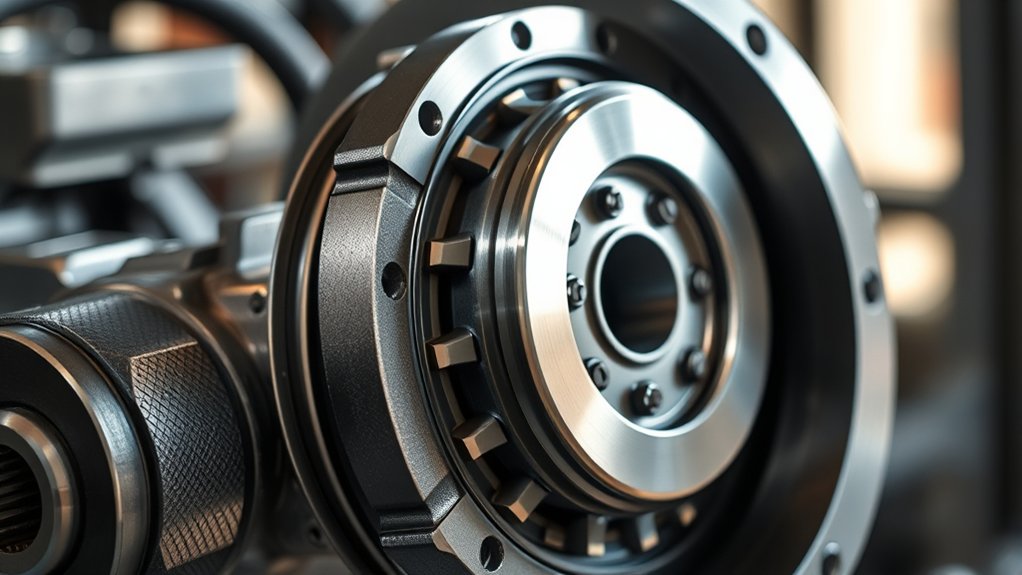
A slip clutch is an essential component that protects your machinery by limiting torque, preventing damage from overloads or sudden stops. This device ensures your equipment operates smoothly by slipping when the force exceeds a set limit, avoiding broken parts or motor burnout.
Understanding how to use a slip clutch effectively can enhance the longevity and reliability of your machines.
To use a slip clutch properly, select one with the correct torque rating for your specific application. Install it carefully, ensuring it is aligned and clean to function optimally. Adjust the settings based on your load requirements to maintain peak performance.
Regular maintenance is crucial to keep your slip clutch reliable and efficient. With proper care, you can prevent costly downtime and mechanical failures.
Keep going, and you’ll uncover how to select, install, and troubleshoot your slip clutch for optimal results.
Key Takeaways
- A slip clutch protects machinery by slipping when torque exceeds a set limit, preventing damage to gears, shafts, and motors. It transmits power smoothly under normal conditions and automatically resets after slipping to maintain safe operation.
- Types include friction, magnetic, and ball detent clutches, each suited for different torque control and application needs. Proper selection involves analyzing torque requirements, environmental factors, and ensuring correct installation and alignment.
- Regular maintenance and adjustment, such as inspecting friction materials and springs, ensure reliable performance and prevent malfunctions.
What a Slip Clutch Is and Why It Matters
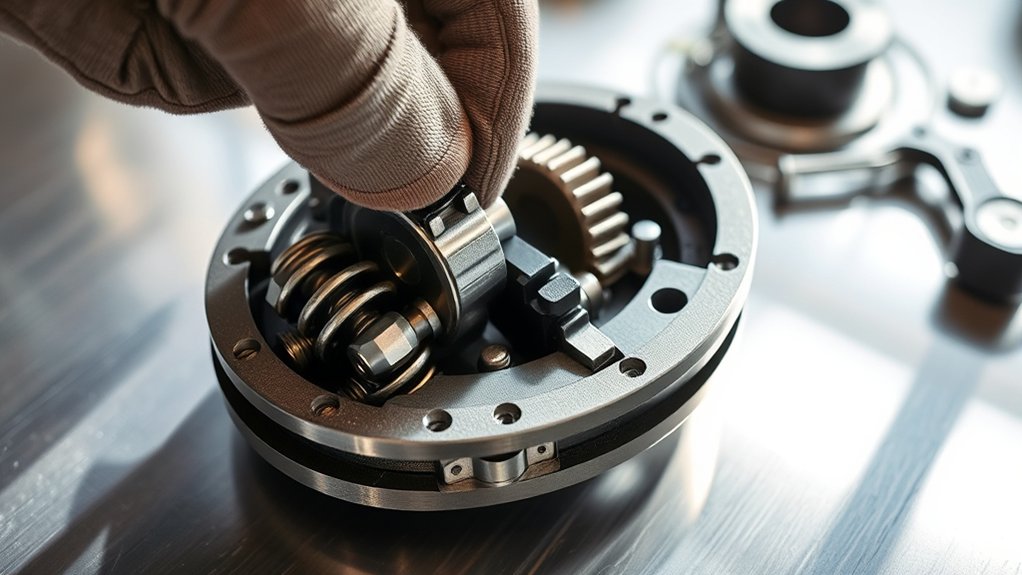
Although you might not realize it, a slip clutch plays an essential role in protecting machinery from damage caused by overloads or sudden stops. When you use equipment with rotating parts, the slip clutch acts as a safety mechanism. It prevents excessive force from being transmitted through the system, which could otherwise lead to broken gears, bent shafts, or motor burnout.
How Slip Clutches Work in Machines
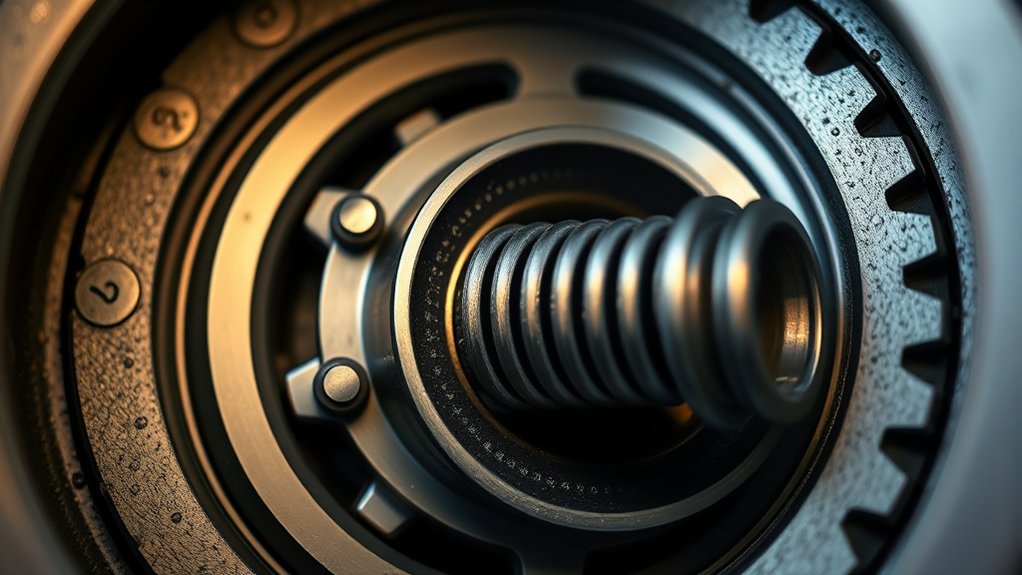
When you operate machinery equipped with a slip clutch, you rely on its ability to engage and disengage torque precisely. The slip clutch lets the machine handle overloads by slipping when torque exceeds a set limit, preventing damage. Here’s how it works in your machine:
- Torque Transfer: The clutch transmits power smoothly under normal conditions, allowing your machine to function efficiently.
- Overload Protection: When torque surpasses the safe threshold, the clutch slips, stopping excessive force from reaching critical components.
- Automatic Reset: After slipping, the clutch resets automatically, ready to engage again without manual intervention.
This mechanism ensures your equipment runs safely and reduces wear, giving you better control and extending machine life.
Types of Slip Clutches and When to Use Them
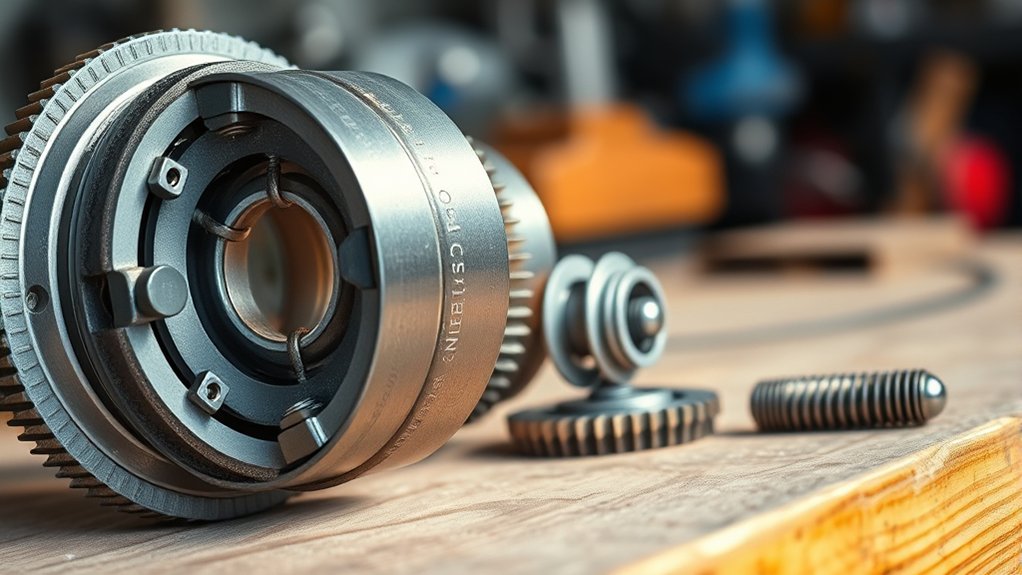
Understanding how slip clutches protect your machinery helps you choose the right type for your application. You’ll find several types, including friction, magnetic, and ball detent slip clutches. Friction slip clutches use pads or discs to control torque, making them ideal for adjustable, smooth slipping in light to medium loads.
Magnetic slip clutches rely on electromagnetic force, offering precise torque control, perfect for automated or variable-speed systems. Ball detent clutches use spring-loaded balls in grooves, providing consistent torque release, great for repetitive torque-limiting tasks. Each type suits different needs based on load sensitivity, precision, and application environment.
Recognizing these differences guarantees you protect your equipment effectively while maintaining performance and reliability.
How to Choose the Right Slip Clutch for Your Equipment
To choose the right slip clutch for your equipment, start by analyzing the torque requirements to guarantee it handles the load safely. Next, consider the materials involved to avoid compatibility issues that could cause wear or failure.
These key factors will help you select a clutch that performs reliably in your specific application.
Torque Requirements Analysis
Selecting the right slip clutch starts with accurately analyzing your equipment’s torque requirements. You need to determine the maximum torque your system experiences during normal operation and the torque level at which slipping should occur to protect components.
To do this effectively, focus on these key steps:
- Measure Operating Torque: Use torque sensors or manufacturer specifications to find the consistent torque your equipment applies during typical use.
- Identify Peak Torque: Consider sudden torque spikes caused by jams or overloads; this peak determines the clutch’s slip threshold.
- Factor Safety Margins: Add a buffer to account for unexpected load variations, ensuring the clutch slips before damage happens.
Material Compatibility Considerations
After determining the torque requirements, you’ll want to make sure the slip clutch’s materials suit your equipment’s environment and operating conditions. Consider factors like temperature, moisture, chemicals, and dust, which can affect material performance. For example, stainless steel clutches resist corrosion in wet or humid settings, while aluminum offers lightweight durability but may not handle harsh chemicals well.
If your equipment runs hot, choose materials that maintain strength at elevated temperatures. Also, check for compatibility with lubricants or other substances your machinery uses to avoid premature wear or failure. Matching material properties to your environment guarantees the clutch operates reliably and lasts longer.
Taking these steps helps you avoid costly downtime and keeps your equipment running smoothly.
How to Install a Slip Clutch
When installing a slip clutch, you’ll want to make sure the shaft and hub are clean and free of debris to guarantee a secure fit. Begin by aligning the clutch carefully on the shaft, ensuring it’s positioned according to your system’s specifications.
Next, secure the clutch using the appropriate fasteners, tightening them evenly to prevent misalignment or uneven pressure. Finally, verify that the clutch spins freely without excessive play, which could indicate incorrect installation.
Follow these key steps:
- Clean and inspect the shaft and hub thoroughly.
- Align and mount the slip clutch precisely on the shaft.
- Tighten fasteners evenly and check for proper movement.
How to Adjust Slip Clutch Settings for Best Performance
To get the best performance from your slip clutch, you’ll need to fine-tune the torque settings carefully. Test the slip threshold regularly to guarantee it engages at the right moment for your application. Don’t forget routine maintenance to keep the clutch working smoothly and consistently.
Optimal Torque Adjustment
Although adjusting the slip clutch torque might seem straightforward, getting it right requires careful attention to your specific application. You want to set the torque just high enough to protect your equipment without causing unnecessary slippage.
Here’s how to optimize the torque setting:
- Understand Load Requirements: Determine the maximum operating torque your system experiences during normal use.
- Set Initial Torque Slightly Above Load: Adjust the clutch so it slips slightly above this load to avoid premature slipping.
- Fine-Tune Based on Feedback: Monitor the system during operation and make small adjustments to balance protection and performance.
Testing Slip Threshold
How do you know if your slip clutch is set just right? Begin by gradually increasing the load on your system while monitoring when the clutch starts to slip. This slip threshold indicates the torque level at which the clutch disengages to protect your equipment.
Adjust the clutch tension incrementally—tighten it if it slips too early or loosen it if it slips too late. Use a torque wrench or a calibrated testing device for precise measurements. Repeat the test several times to ensure consistency and reliability under typical operating conditions.
Maintenance for Consistency
Since slip clutches endure constant stress, you’ll need to perform regular maintenance to keep their settings accurate and reliable. Proper upkeep ensures your clutch slips at the right torque, preventing damage and maximizing performance.
To adjust slip clutch settings effectively, follow these steps:
- Clean and inspect: Remove debris and check for wear or damage on friction surfaces and springs.
- Adjust tension: Use the manufacturer’s guidelines to fine-tune the clutch’s tension, ensuring it slips at the desired torque.
- Test under load: Run the clutch through operational conditions to verify the slip threshold and make minor adjustments if needed.
Signs Your Slip Clutch Needs Maintenance
When your slip clutch starts slipping more than usual or making unusual noises, it’s a clear sign you need to check it for maintenance. You might notice a loss of torque transmission or inconsistent performance during operation.
If the clutch feels hotter than normal or you see signs of wear like grooves or discoloration on the friction surface, it’s time to act. Also, if the clutch engagement feels rough or jerky, or if it engages too early or late, maintenance is necessary.
Regularly inspecting for these signs helps you avoid bigger problems down the line. By addressing these issues promptly, you guarantee your slip clutch continues to perform reliably and safely, preventing unexpected downtime or damage to your equipment.
Troubleshooting Slip Clutch Issues
Why does your slip clutch slip excessively or fail to engage properly? Several common issues could be at play. First, check for worn friction material—over time, it loses grip and causes slipping.
Excessive slipping often signals worn friction material that has lost its gripping ability.
Second, inspect the clutch spring tension; if the springs weaken, the clutch won’t engage firmly. Third, contamination from oil or grease can reduce friction, leading to poor performance.
Here’s how to troubleshoot:
- Examine and replace worn friction plates or discs.
- Test and, if needed, adjust or replace the clutch springs.
- Clean all clutch components thoroughly to remove any contaminants.
Slip Clutch Best Practices for Safe, Effective Use
Although slip clutches are designed to protect your equipment by allowing controlled slippage under overload, you need to use them properly to guarantee safety and effectiveness. First, always select a slip clutch with the correct torque rating for your application to prevent premature wear or failure. Regularly inspect and maintain the clutch, checking for signs of wear or damage that could compromise its performance.
Avoid exceeding the maximum slip torque, as this can damage components and reduce lifespan. When installing, ensure alignment is precise to prevent uneven stress. Finally, keep your operating environment clean and lubricated according to manufacturer guidelines.
Frequently Asked Questions
Can Slip Clutches Be Used in Automotive Applications?
Yes, you can use slip clutches in automotive applications to protect drivetrains from overloads. They help prevent damage by slipping when torque exceeds limits, ensuring smoother performance and extending component life in various vehicle systems.
What Materials Are Slip Clutches Typically Made From?
Coincidentally, slip clutches are typically made from durable materials like steel, cast iron, and sometimes composite friction materials. You’ll find these choices help them endure stress while maintaining reliable slip performance in various applications.
How Does Temperature Affect Slip Clutch Performance?
You’ll notice that higher temperatures can reduce a slip clutch’s friction, causing it to slip prematurely. Conversely, cold temperatures may increase stiffness, making it less responsive.
Always monitor temperature to maintain consistent clutch performance.
Are Slip Clutches Compatible With Electric Motors?
You know what they say, “where there’s a will, there’s a way.” Yes, slip clutches are compatible with electric motors.
You just need to match torque ratings and adjust settings to prevent damage and guarantee smooth operation.
Can Slip Clutches Reduce Noise in Machinery?
Yes, slip clutches can reduce noise in machinery by absorbing shock and preventing sudden torque spikes. You’ll notice smoother operation and less mechanical impact noise when you use them properly in your equipment.
They help minimize abrupt mechanical stresses that often cause loud noises. This results in quieter, more efficient machinery performance overall. Using slip clutches is a practical solution for noise reduction in various mechanical systems.
Conclusion
Think of a slip clutch like the safety net in a trapeze act—it catches you before a fall causes harm. When you choose, install, and adjust it properly, your equipment runs smoothly and stays protected. Ignoring maintenance is like ignoring that net’s wear; it won’t hold when you need it most.
By mastering slip clutch care, you guarantee your machines perform safely and efficiently, just like a skilled trapeze artist trusting their safety gear. Proper slip clutch maintenance is essential for preventing equipment damage and ensuring operational reliability. Use these tips to optimize your slip clutch’s performance and extend its lifespan.

