

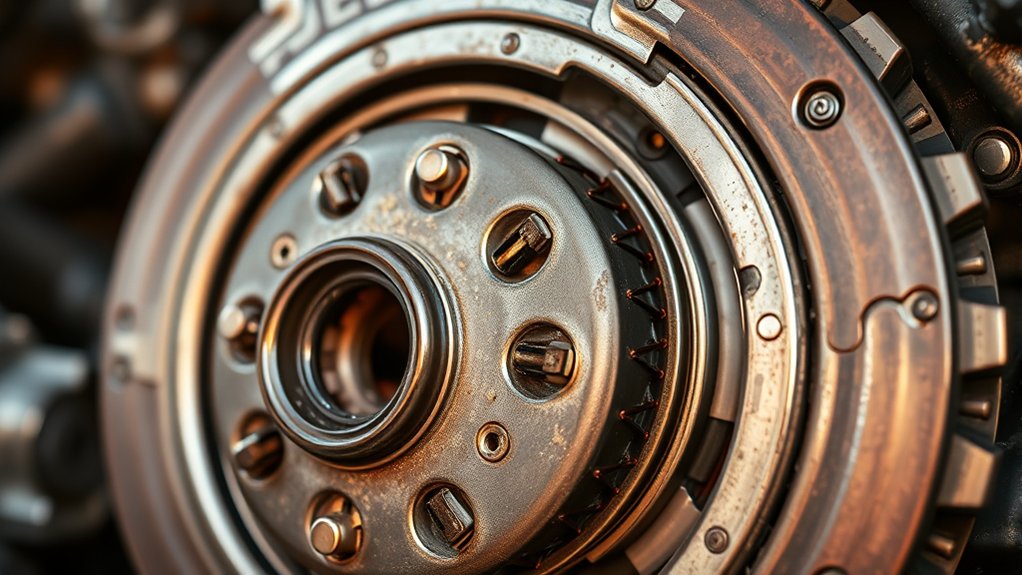
Clutch slipping is a common issue that occurs when your engine revs increase but your car doesn’t accelerate as expected. This means the clutch isn’t fully engaging, leading to a loss of power transfer between the engine and the wheels. Understanding clutch slipping is important for maintaining your vehicle’s performance and avoiding further damage.
Clutch slipping usually happens because the clutch disc is worn out, contaminated by oil, or the pressure plate has weakened. Poor driving habits, such as riding the clutch, can also cause it to slip prematurely.
If you want to learn more about what causes clutch slipping, its effects on your vehicle, and how to fix it, there’s plenty to explore.
Key Takeaways
- Clutch slipping occurs when the clutch disc fails to fully engage, reducing power transfer from the engine to the wheels.
- It causes the engine to rev higher without a corresponding increase in vehicle speed or acceleration.
- Common causes include worn clutch discs, oil contamination, weak pressure plates, and misadjusted clutch linkages.
- Riding the clutch pedal or poor shifting habits accelerate clutch slipping and damage.
- Ignoring clutch slipping can lead to severe transmission damage and costly repairs.
What Is Clutch Slipping And Why It Matters
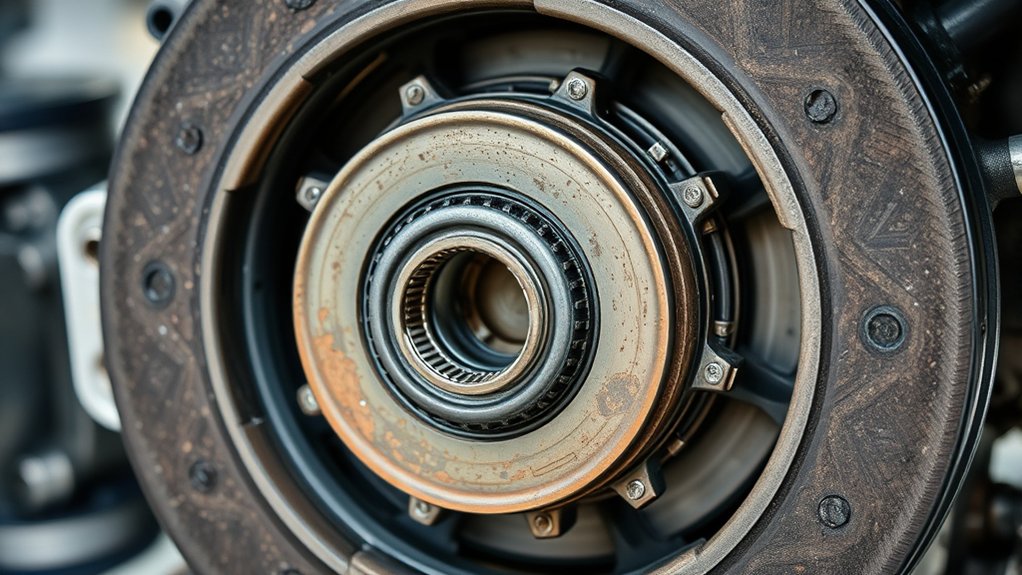
Though you might not notice it at first, clutch slipping can seriously affect your vehicle’s performance. When your clutch slips, it means the engine’s power isn’t fully transferring to the wheels, causing a loss in acceleration and responsiveness. You’ll likely feel the engine rev higher without a corresponding increase in speed, which can be frustrating and unsafe, especially on inclines or during overtaking.
Ignoring clutch slipping can lead to more severe damage and costly repairs down the line. It matters because your clutch is vital for smooth gear changes and maintaining control over your car. If you spot signs like burning smells, unusual noises, or sluggish acceleration, it’s essential to address the issue promptly to keep your vehicle running efficiently and safely.
How A Clutch Normally Works In Manual Cars
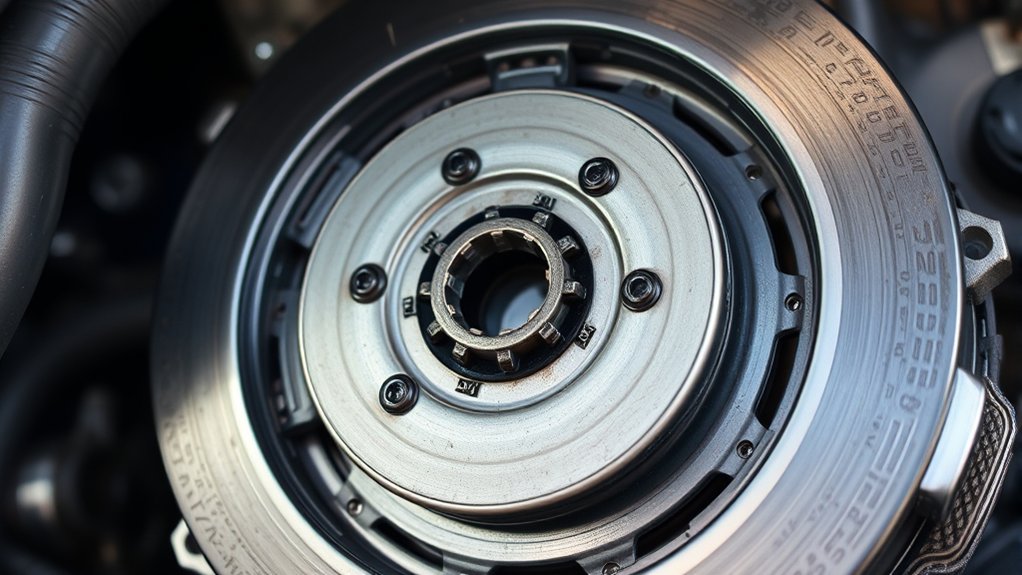
You’ll find that a clutch has several key components working together to transfer power from the engine to the transmission. When you press the clutch pedal, it disengages these parts, letting you shift gears smoothly.
Understanding this mechanism helps you see why a slipping clutch can cause problems.
Clutch Components Overview
When you press the clutch pedal in a manual car, several key components work together to temporarily disconnect the engine from the transmission. This allows you to change gears smoothly. The clutch assembly includes parts like the clutch disc, pressure plate, flywheel, release bearing, and clutch pedal.
Each plays a crucial role in engaging and disengaging power transfer.
| Component | Location | Function |
|---|---|---|
| Clutch Disc | Between flywheel and pressure plate | Transfers torque |
| Pressure Plate | Mounted on flywheel | Applies pressure to clutch disc |
| Flywheel | Connected to engine | Provides friction surface |
| Release Bearing | Acts on pressure plate | Releases pressure when pedal pressed |
| Clutch Pedal | Driver interface | Controls clutch engagement |
Understanding these parts helps you grasp how clutch slipping can occur.
Power Transfer Mechanism
Each clutch component plays a specific role in managing power flow from the engine to the wheels. When you press the clutch pedal, it disengages the clutch disc from the flywheel, temporarily interrupting power transfer. This lets you change gears smoothly without grinding.
When you release the pedal, the pressure plate pushes the clutch disc against the flywheel, creating friction that transfers engine power to the transmission. This connection allows your car to move under your control. The clutch’s friction material ensures a firm grip, preventing power loss.
If everything works right, you’ll feel seamless power delivery. But if the friction wears down or pressure weakens, the clutch may slip, causing power to drop and affecting your driving experience.
Common Causes Of Clutch Slipping
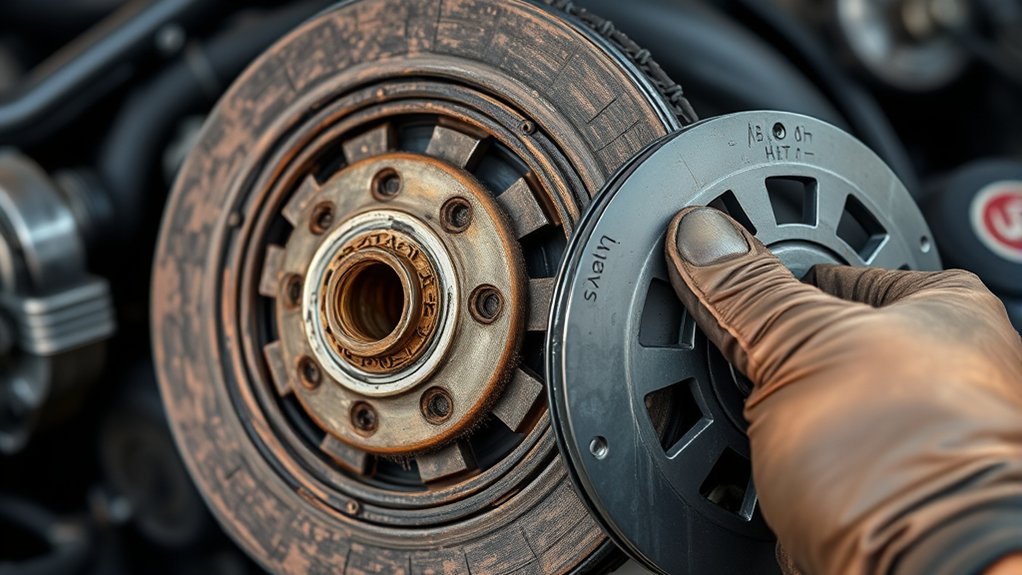
Although clutch slipping can stem from various issues, understanding the most common causes helps you diagnose and address the problem quickly. One frequent cause is a worn-out clutch disc, which loses its friction material over time, making it harder to grip the flywheel.
Another culprit is oil or grease contamination on the clutch surfaces, often from leaking engine seals or transmission fluid, which reduces friction and causes slipping. Additionally, a weak or broken pressure plate spring won’t apply enough force to keep the clutch engaged.
Finally, a misadjusted clutch linkage or hydraulic system can prevent full clutch engagement, leading to slipping. By identifying these causes, you can take the right steps to fix the issue before it worsens or damages other components.
How Driving Habits Cause Clutch Slipping
Because your driving habits directly affect the clutch’s performance, certain behaviors can accelerate clutch slipping. If you frequently ride the clutch or hold the pedal halfway down, you cause unnecessary friction and heat.
Similarly, resting your foot on the clutch pedal, also known as “riding,” wears down the clutch plates faster. Aggressive starts and shifting without fully engaging the clutch also contribute to premature wear.
| Driving Habit | Impact on Clutch | Resulting Issue |
|---|---|---|
| Riding the clutch | Constant friction | Overheating clutch |
| Resting foot on pedal | Partial engagement | Premature wear |
| Aggressive starts | Sudden stress | Plate damage |
| Poor shifting timing | Incomplete disengage | Slipping during drive |
Changing these habits helps extend your clutch’s life.
How Clutch Slipping Affects Vehicle Performance
When your clutch slips, it reduces the power reaching your wheels, making your engine rev higher than it should. You’ll notice poor acceleration response, especially when you try to speed up.
This can make driving frustrating and may lead to further damage if not addressed.
Reduced Power Transmission
If your clutch starts slipping, you’ll notice a significant drop in power reaching the wheels, making acceleration sluggish and less responsive. This happens because the clutch can’t fully engage the engine’s power to the transmission, causing energy loss.
Here’s how reduced power transmission affects your driving:
- Difficulty climbing hills as the engine struggles to deliver enough force.
- Poor towing performance since less power reaches the drivetrain.
- Hesitation or lag during overtaking maneuvers, compromising safety.
- Increased fuel consumption as you press harder on the accelerator.
Increased Engine RPM
Although it might seem like pressing the accelerator should boost your speed, a slipping clutch causes the engine RPM to rise without a corresponding increase in vehicle velocity. When the clutch slips, it can’t fully engage the engine’s power to the transmission. As a result, your engine revs higher as you try to accelerate, but the wheels don’t get enough torque to speed up effectively.
This mismatch between engine speed and wheel speed not only wastes fuel but also puts extra strain on engine components. You might notice the tachometer needle climbing rapidly during gear changes or under heavy load, signaling that your clutch isn’t gripping properly. If left unchecked, this increased RPM can accelerate clutch wear and lead to more costly repairs down the line.
Poor Acceleration Response
Because a slipping clutch prevents efficient power transfer from the engine to the wheels, you’ll notice your vehicle responds sluggishly when you press the accelerator. This poor acceleration response can be frustrating and even dangerous in traffic or on inclines.
Here’s how clutch slipping affects your vehicle’s performance:
- Delayed acceleration: The engine revs, but the car struggles to gain speed.
- Reduced power delivery: Less torque reaches the wheels, making it harder to climb hills or carry loads.
- Inconsistent acceleration: Your vehicle may jerk or hesitate unpredictably.
- Increased fuel consumption: You’ll often press harder on the gas, wasting fuel without gaining speed.
Addressing clutch slipping quickly helps restore smooth, responsive acceleration and keeps your vehicle running safely.
Symptoms Of A Slipping Clutch
How can you tell when your clutch is slipping? One clear sign is a noticeable loss of power during acceleration, even when you press the gas pedal harder. You might also feel the engine rev higher without a corresponding increase in vehicle speed.
Another symptom is a burning smell, especially after heavy use or on steep inclines. Your clutch pedal might feel different too—sometimes it feels spongy or requires more effort to engage. Additionally, you could notice difficulty shifting gears smoothly, or the engine may rev unusually high in lower gears.
If you experience any of these symptoms, it’s a strong indication that your clutch isn’t fully engaging, meaning it’s slipping and needs attention before causing further damage.
How Mechanics Diagnose A Slipping Clutch
When you bring your car in, mechanics start with a visual inspection to check for obvious signs of wear. They’ll then run performance tests to see how the clutch behaves under different conditions.
Finally, they use diagnostic tools to get precise data and confirm if the clutch is slipping.
Visual Inspection Techniques
Although diagnosing a slipping clutch often starts with a test drive, a thorough visual inspection gives mechanics critical clues. You’ll want to carefully examine key components to identify wear or damage causing the issue.
Focus on these areas:
- Clutch Disc – Look for worn friction material or signs of glazing.
- Pressure Plate – Check for cracks, warping, or uneven surface wear.
- Flywheel Surface – Inspect for hot spots, scoring, or excessive wear.
- Hydraulic System – Examine the clutch master and slave cylinders for leaks or damage.
Performance Test Procedures
Since visual inspections can only reveal so much, mechanics rely on performance tests to confirm clutch slippage. You’ll start by taking the vehicle for a test drive, paying close attention to how the engine revs compared to acceleration. If the engine speed climbs without a matching increase in vehicle speed, that’s a clear sign the clutch is slipping.
Next, you might perform a stall test by engaging the clutch in a high gear and slowly releasing the pedal. If the engine stalls quickly, the clutch is likely fine; if it keeps running, slippage is probable. Mechanics also check for abnormal noises or vibrations during these tests.
These hands-on procedures help pinpoint clutch issues without relying solely on guesswork or parts removal.
Diagnostic Tool Usage
To accurately diagnose a slipping clutch, mechanics often turn to specialized diagnostic tools that provide detailed data beyond what a test drive can reveal. These tools help pinpoint the exact issue quickly and efficiently. When you bring your vehicle in, here are the common tools mechanics use:
- OBD-II Scanner – Checks for transmission-related error codes that might indicate clutch or sensor problems.
- Clutch Pedal Pressure Gauge – Measures the force needed to engage and disengage the clutch, revealing abnormal wear.
- Dyno Testing – Simulates driving conditions to assess power transfer and detect slippage under load.
- Thermal Imaging Camera – Identifies overheating clutch components caused by slipping friction surfaces.
Using these tools, your mechanic can diagnose clutch slipping accurately and recommend the right repair.
Quick DIY Fixes For A Slipping Clutch
When your clutch starts slipping, you don’t always have to rush to a mechanic. First, check the clutch cable or hydraulic fluid level if your car uses a hydraulic clutch system; low fluid or a loose cable can cause slipping. Tightening the cable or topping off the fluid might solve the issue.
Next, inspect the pedal free play. Adjusting it to the manufacturer’s specs can improve clutch engagement. You can also try cleaning the clutch release mechanism and linkage to remove any dirt or debris that might hinder proper operation.
Avoid harsh driving habits like riding the clutch, which worsens slipping. These quick fixes can often restore smoother clutch function before professional repairs become necessary.
When To Repair Or Replace Your Clutch
If quick fixes like adjusting the clutch cable or topping off hydraulic fluid don’t stop the slipping, it’s time to contemplate repair or replacement. You should act promptly to avoid further damage.
Here are key signs to look for:
- Persistent slipping despite adjustments and fluid checks.
- Burning smell during gear shifts, indicating worn clutch material.
- Difficulty shifting gears or the clutch pedal feeling spongy or stiff.
- Excessive clutch pedal travel, signaling internal wear or damage.
If you notice any of these, it’s best to consult a mechanic. They can assess whether a simple repair suffices or if a full clutch replacement is necessary, ensuring your vehicle remains safe and functional.
How Clutch Slipping Impacts Other Transmission Parts
Although clutch slipping might seem like an isolated issue, it can quickly cause damage to other transmission components. When your clutch slips, it generates excessive heat, which can warp or damage the flywheel. This heat also wears down the pressure plate faster, reducing its ability to maintain proper clutch engagement.
Additionally, slipping puts extra strain on the release bearing, causing premature failure. Over time, this strain can harm your gearbox, as the inconsistent power transfer stresses gears and synchronizers. If you ignore clutch slipping, you might face costly repairs beyond just the clutch itself.
Addressing slipping early helps protect these parts and keeps your transmission running smoothly without unexpected breakdowns or expensive fixes.
Tips To Prevent Clutch Slipping And Extend Clutch Life
To prevent clutch slipping and extend its life, you need to adopt proper driving habits and regular maintenance routines. Here are four essential tips to keep your clutch in top shape:
- Avoid riding the clutch – Keep your foot off the clutch pedal when not shifting to prevent unnecessary wear.
- Use the handbrake on hills – Instead of holding the car with the clutch, use the handbrake to avoid slipping.
- Shift gears smoothly – Engage and disengage the clutch gently to reduce stress on the system.
- Regularly check and maintain – Have your clutch system inspected periodically and replace worn components promptly.
What To Expect From A Clutch Replacement
Maintaining good driving habits and regular checks can help prolong your clutch’s lifespan, but eventually, every clutch will need replacement. When that time comes, expect the process to take a few hours, depending on your vehicle’s make and model.
Good driving habits and regular checks extend clutch life, but replacement is inevitable over time.
The mechanic will remove the transmission to access the clutch assembly, then replace the worn clutch disc, pressure plate, and often the release bearing. After installation, they’ll adjust the clutch to ensure smooth engagement.
Once replaced, you should notice improved clutch responsiveness and smoother gear shifts. It’s normal to experience a brief break-in period, so avoid aggressive driving initially.
Keep in mind that a quality clutch replacement can restore your car’s performance and prevent further damage, making it a worthwhile investment.
Maintaining Your Clutch For Long-Term Reliability
If you want your clutch to last, you need to treat it with care and pay attention to how you drive. Proper maintenance not only extends clutch life but also guarantees smooth performance.
Here are four key tips to keep your clutch reliable long-term:
- Avoid riding the clutch pedal—keep your foot off it when not shifting.
- Shift gears smoothly; don’t force the transmission or slip the clutch unnecessarily.
- Use the parking brake on hills instead of holding the clutch to prevent wear.
- Regularly check and maintain the clutch hydraulic system or cable for proper operation.
Frequently Asked Questions
Can Clutch Slipping Occur in Automatic Transmissions?
Yes, you can experience clutch slipping in automatic transmissions, especially in those with a torque converter or dual-clutch system. It happens when friction decreases, causing your vehicle to lose power or hesitate during acceleration.
What Brands Make the Most Durable Clutches?
You’ll find brands like Exedy, Centerforce, and Sachs make the most durable clutches. They use high-quality materials and advanced designs, ensuring your clutch lasts longer and performs reliably under tough driving conditions.
How Much Does a Clutch Replacement Typically Cost?
Replacing a clutch usually costs between $500 and $1,500, depending on your car’s make and model. Don’t let the price scare you—it’s a necessary fix to keep your ride running smooth as silk.
Are There Any Clutch Types Better for Racing?
Yes, you’ll want a performance or racing clutch, like a multi-plate or ceramic clutch, because they handle higher heat and torque. They give you better grip and faster engagement, essential for aggressive driving on the track.
Can Clutch Slipping Affect Fuel Efficiency?
You can lose up to 15% fuel efficiency when your clutch slips because it wastes engine power. Fixing it quickly helps you save gas and avoid costly repairs, keeping your ride smooth and efficient.
Conclusion
Clutch slipping might seem like a small hiccup, but it can quickly snowball into bigger problems for your car. By understanding how it happens and adjusting your driving habits, you can keep your clutch—and your ride—running smoothly.
Treat your clutch like the heart of your manual transmission; with care and attention, it’ll keep beating strong for miles to come. Don’t let slipping steal your drive’s rhythm—stay proactive and protect your investment. Remember, preventing clutch slipping is key to maintaining the performance and longevity of your vehicle.

