

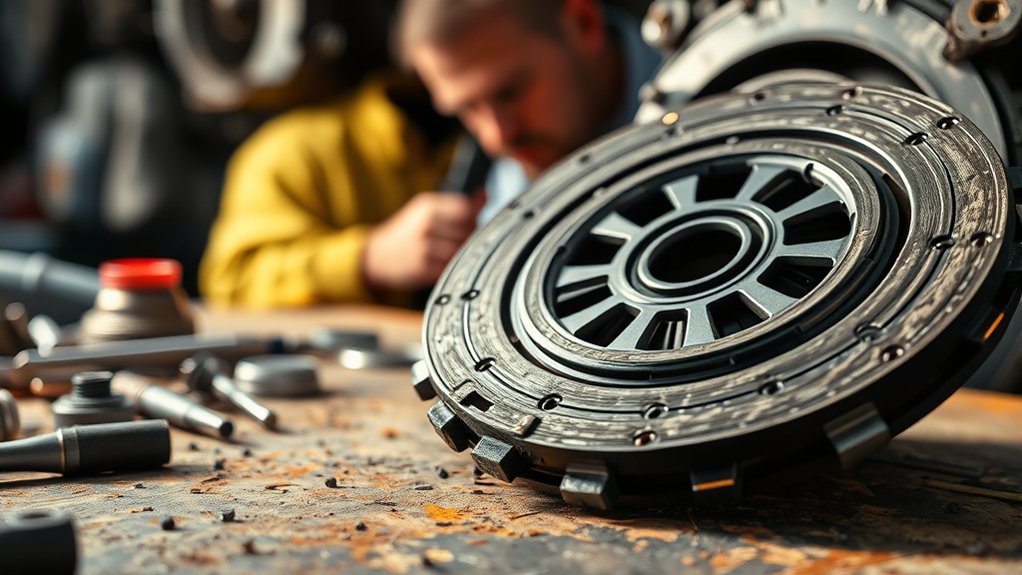
You should usually replace your clutch between 50,000 and 100,000 miles, depending on your driving habits, vehicle type, and road conditions. Knowing how often to replace the clutch is essential for maintaining your car’s performance and avoiding costly repairs.
Signs like slipping gears, difficulty shifting, squealing noises, or a burning smell indicate it’s time to check it out.
Aggressive driving and stop-and-go traffic wear the clutch faster, especially on manual cars. Paying attention to these symptoms can help you avoid sudden clutch failure.
Proper maintenance and timely replacement keep your vehicle running smoothly.
If you want to extend your clutch’s lifespan and know when to get it inspected, there’s more important info ahead. Understanding these factors will help you stay safe on the road and save money in the long run.
Key Takeaways
- Clutches usually need replacement between 50,000 and 100,000 miles, depending on driving style and vehicle type.
- Signs like slipping gears, difficulty shifting, spongy pedal, unusual noises, or burning smell indicate clutch wear.
- Aggressive driving, stop-and-go traffic, and heavy vehicle loads accelerate clutch wear and may require earlier replacement.
- Manual clutch lifespan heavily depends on driver habits, while automatic transmissions rarely need clutch replacements.
- Regular inspections after 60,000 miles and proper maintenance help detect wear early and extend clutch life.
How Often Should You Replace Your Car’s Clutch?
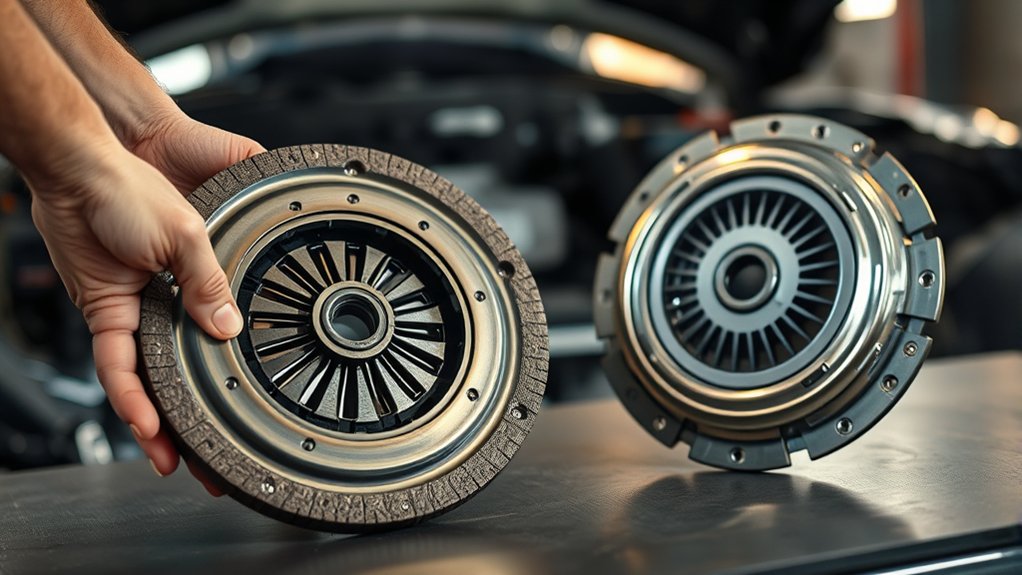
Though clutch lifespan varies widely, you’ll usually need to replace your car’s clutch between 50,000 and 100,000 miles. This range depends on how you drive and the type of vehicle you own. If you notice slipping gears, a spongy clutch pedal, or difficulty shifting, it might be time for a replacement.
Don’t ignore these signs, as a worn clutch can lead to more serious transmission issues. Regular maintenance and paying attention to how your clutch feels can help you avoid unexpected failures. Remember, even with careful driving, clutches naturally wear out over time.
Keeping track of your mileage and monitoring clutch performance guarantees you’ll replace it before it causes trouble on the road.
Top Factors That Affect Clutch Lifespan
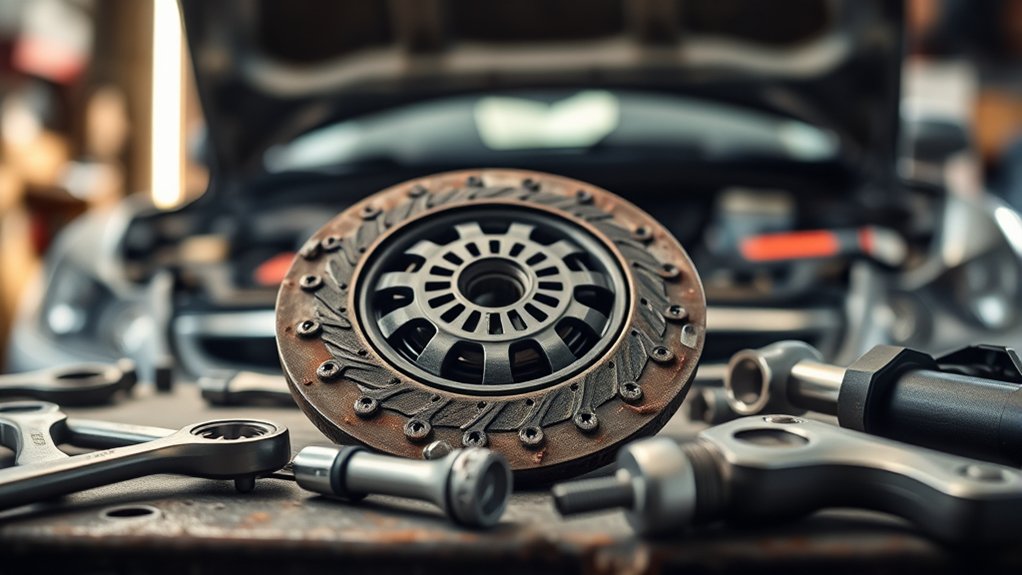
Since your clutch endures constant friction and pressure, several factors can considerably impact how long it lasts. Understanding these can help you anticipate when a replacement might be necessary. Here are the top factors that affect clutch lifespan:
Your clutch faces constant friction and pressure, with various factors influencing its overall lifespan.
- Vehicle Type: Heavier vehicles or performance cars often put more strain on the clutch, reducing its lifespan.
- Clutch Material: Different materials wear at different rates; some are designed for durability, others for performance.
- Road Conditions: Frequent stop-and-go traffic or hilly terrain increases clutch use and wear.
- Maintenance: Regular inspections and timely adjustments prevent premature clutch failure.
How Driving Habits Affect When You Need to Replace Your Clutch

Because your driving habits directly influence how much wear your clutch experiences, they play a crucial role in determining when you’ll need a replacement. If you frequently ride the clutch—keeping your foot partially on the pedal while driving—you accelerate wear and shorten its lifespan. Similarly, resting your foot on the clutch pedal unnecessarily causes constant friction, wearing down the components faster.
Aggressive starts, rapid gear changes, and holding the car on a hill without using the handbrake also strain the clutch. Conversely, smooth gear shifts, fully releasing the pedal, and using the handbrake on inclines help extend clutch life. By adopting mindful driving habits, you can delay the need for a replacement and maintain your vehicle’s performance longer.
How Road Conditions Affect Clutch Replacement Timing
You’ll notice that rough terrain can wear your clutch faster, making replacement necessary sooner than expected. Stop-and-go traffic also puts extra strain on your clutch, especially during long commutes.
Understanding these road conditions helps you time your clutch replacement better.
Impact Of Rough Terrain
How does driving on rough terrain affect when you’ll need to replace your clutch? Rough roads put extra strain on your clutch, causing it to wear out faster than usual. When you tackle uneven surfaces, your clutch has to work harder to maintain control and power delivery, which speeds up the wear process.
Here’s how rough terrain impacts your clutch replacement timing:
- Increased clutch slippage due to frequent gear adjustments
- More heat buildup from constant clutch engagement
- Accelerated wear on clutch plates and pressure plates
- Higher likelihood of clutch cable or hydraulic system strain
If you drive mostly on dirt roads, gravel, or rocky paths, expect to replace your clutch sooner than if you stick to smooth pavement. Keep an eye on clutch performance to avoid surprises.
Effects Of Traffic Conditions
Even if you drive on smooth roads, heavy traffic can take a toll on your clutch. Stop-and-go conditions force you to frequently engage and disengage the clutch, causing faster wear. If you often find yourself inching forward in traffic jams or making frequent gear changes at low speeds, your clutch faces more strain than on open highways.
This repetitive action heats the clutch components, reducing their lifespan. You might notice your clutch slipping sooner or requiring more effort to operate. To extend its life, avoid riding the clutch pedal and use neutral when stopped.
Understanding how traffic conditions impact clutch wear helps you anticipate replacement needs and maintain smoother driving. Adjust your habits accordingly to protect your clutch and save on costly repairs.
How Clutch Replacement Differs Between Manual and Automatic Cars
When you replace a clutch in a manual car, you’ll notice wear patterns on the clutch disc that tell a clear story. Automatic cars, however, use a torque converter instead, so their clutch systems wear differently and often less visibly.
Understanding these differences helps you know what to expect during repairs.
Manual Clutch Wear Patterns
Why do manual clutches wear differently than automatic systems? When you drive a manual, you control clutch engagement directly, which causes unique wear patterns. Unlike automatics, where the system manages friction, your technique plays a big role in how fast the clutch wears out.
Here’s what affects manual clutch wear:
- Riding the clutch: Keeping the pedal partially engaged creates constant friction, wearing the clutch faster.
- Aggressive shifting: Quick, forceful gear changes increase stress on the clutch components.
- Stop-and-go traffic: Frequent clutch use heats and wears the clutch plate more rapidly.
- Improper clutch adjustment: If the clutch isn’t adjusted right, it can slip or drag, accelerating wear.
Understanding these patterns helps you maintain your clutch longer and know when replacement is necessary.
Automatic Transmission Differences
How does clutch replacement differ between manual and automatic transmissions? In manual cars, you directly control the clutch, so wear depends on your driving habits. You’ll need to replace the clutch disc, pressure plate, and sometimes the flywheel.
In automatic transmissions, there’s no clutch pedal; instead, a torque converter handles power transfer. Automatics use a different system with clutch packs inside the transmission that rarely need replacement unless the transmission suffers major issues. If you drive an automatic, you won’t face traditional clutch wear but may deal with transmission fluid changes and maintenance to keep things smooth.
Common Signs Your Clutch Is Wearing Out
Although you might not notice it immediately, your clutch will start showing clear signs of wear before it fails completely. Paying attention to these signs helps you act before bigger problems arise.
Here are some common symptoms you should watch for:
- Slipping clutch: Your engine revs increase without a matching acceleration.
- Difficulty shifting gears: You feel resistance or grinding when changing gears.
- Spongy or sticking clutch pedal: The pedal doesn’t respond smoothly or gets stuck.
- Burning smell: A distinct, hot odor appears, especially after heavy use.
If you experience any of these signs, it’s a strong indicator that your clutch is wearing out and needs inspection. Catching these early means you can plan for replacement without unexpected breakdowns.
Why You Shouldn’t Delay Clutch Replacement
If you ignore the signs of a failing clutch, you risk facing more costly repairs and inconvenient breakdowns. Delaying replacement can cause the clutch to slip excessively, damaging the flywheel and pressure plate. This damage means you’ll pay more for parts and labor than if you acted sooner.
Also, a worn clutch can make your vehicle harder to control, increasing the chance of accidents. By replacing the clutch promptly, you maintain smooth shifting and avoid unexpected stalls or loss of power. Waiting too long may leave you stranded, especially in heavy traffic or remote areas.
Don’t put off clutch replacement—addressing the issue early saves you money, stress, and keeps your driving experience safe and reliable.
How to Inspect Your Clutch for Replacement Signs
Ignoring early signs of clutch wear can lead to expensive damage, so it’s smart to regularly check your clutch’s condition. Start by paying attention to how your clutch feels and sounds. You can spot problems early by inspecting these signs:
- Slipping clutch: Notice if your engine revs increase without corresponding acceleration.
- Difficulty shifting gears: Feel for grinding or resistance when changing gears.
- Spongy or sticking clutch pedal: Check if the pedal feels soft, loose, or sticks to the floor.
- Unusual noises: Listen for squealing or chirping sounds when you press the clutch.
Tips to Make Your Clutch Last Longer
To extend your clutch’s lifespan, you need to adopt careful driving habits and regular maintenance routines. Avoid riding the clutch pedal—keep your foot off it unless you’re shifting gears. Use the handbrake on hills instead of holding the clutch to prevent unnecessary wear.
Shift gears smoothly and avoid aggressive starts or sudden acceleration. Regularly check and maintain the clutch fluid if your vehicle uses a hydraulic system. Keep an eye on the clutch pedal’s free play and adjust it if needed to guarantee proper engagement.
Also, avoid carrying heavy loads frequently, as this can strain the clutch. By practicing these habits, you’ll reduce clutch wear and delay the need for replacement, saving time and money in the long run.
When to Consult a Mechanic About Clutch Replacement
You should watch for warning signs like slipping, strange noises, or difficulty shifting gears. If you notice any of these, it’s time to consult a mechanic.
Regular inspections can help catch clutch issues before they become serious problems.
Warning Signs To Watch
When your car starts showing unusual behavior while shifting gears or you notice a burning smell, it’s a clear sign you should consult a mechanic about your clutch. Ignoring these warning signs can lead to more serious damage and costly repairs.
Keep an eye out for these key indicators:
- Your clutch pedal feels spongy, stiff, or sticks to the floor.
- You hear grinding noises when changing gears.
- The engine revs higher without an increase in speed (clutch slipping).
- Difficulty shifting gears or a delay when engaging the clutch.
If you experience any of these, don’t hesitate to have your clutch inspected. Early detection helps maintain your vehicle’s performance and prevents breakdowns.
Timing For Inspection
How do you know the right moment to have your clutch inspected? You should consult a mechanic as soon as you notice any warning signs like slipping, difficulty shifting, or strange noises.
Even if you don’t experience obvious problems, it’s smart to have the clutch checked during regular maintenance, especially after 60,000 to 100,000 miles, depending on your vehicle and driving habits. If you often drive in stop-and-go traffic or tow heavy loads, schedule inspections more frequently.
Early inspections can catch wear before it leads to costly repairs or breakdowns. Don’t wait for failure—timely professional advice guarantees your clutch stays reliable and safe. When in doubt, ask your mechanic for a thorough clutch evaluation to keep your car running smoothly.
Frequently Asked Questions
What Type of Clutch Fluid Is Best for My Vehicle?
You should use the clutch fluid specified in your vehicle’s owner manual, usually DOT 3 or DOT 4 brake fluid. Don’t guess—using the right fluid keeps your clutch working smoothly and prevents damage.
Can a Slipping Clutch Cause Transmission Damage?
If your clutch’s grip starts to fade like a worn handshake, it can quietly stress your transmission. You’ll want to fix slipping clutch issues quickly to avoid letting small troubles turn into costly damage.
How Much Does a Typical Clutch Replacement Cost?
You’ll typically pay between $500 and $1,500 for a clutch replacement, depending on your car’s make and model. Labor costs vary, so getting a detailed estimate from a trusted mechanic always helps you avoid surprises.
Are There Performance Clutches for Racing Cars?
Yes, you’ll find performance clutches designed specifically for racing cars. They offer better grip, heat resistance, and durability, helping you handle high RPMs and aggressive driving without slipping or premature wear on the track.
Can I Replace the Clutch Myself or Need a Professional?
Oh sure, just grab your magic wrench and replace the clutch yourself!
But seriously, unless you’ve got serious skills and tools, it’s smarter to hire a professional—they’ll save you time, money, and a headache or two.
Conclusion
You shouldn’t wait until your clutch feels like it’s made of paper to replace it. Regular checks and mindful driving can stretch its life far beyond the usual limits.
Remember, your clutch takes the brunt of every gear change, so ignoring signs could leave you stranded. Keep an eye on wear and consult a mechanic when in doubt.
Taking care now saves you from a mountain of trouble later. Proper clutch maintenance and timely replacement are key to avoiding costly repairs and ensuring smooth vehicle performance.

