

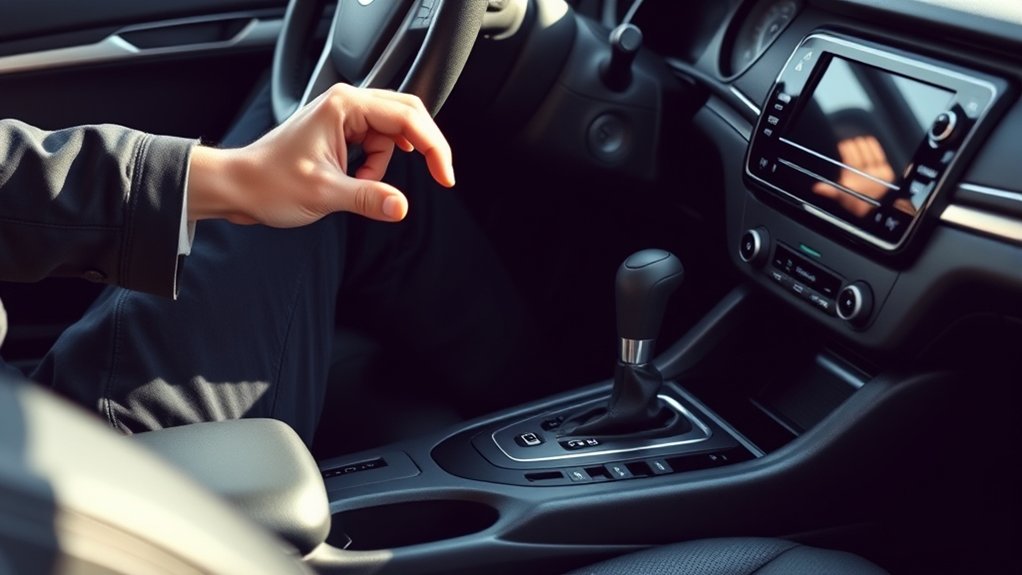
To clutch start a car safely and smoothly, it’s essential to follow a few key steps. Clutch starting a car involves coordinating the clutch pedal and gear shift to prevent stalling and ensure a smooth takeoff.
Before you begin, make certain the car is in neutral with the handbrake engaged, and fully press the clutch pedal before turning the ignition.
Keep the clutch depressed as the engine starts to avoid stalling. Shift into first gear smoothly, then slowly release the clutch to find the bite point where the car feels like it’s ready to move.
Gently apply gas to match engine speed, coordinating both pedals for a smooth start.
With practice, you’ll master timing and control. Uncover how to perfect these steps next.
Key Takeaways
- Fully press the clutch pedal before turning the ignition to prevent stalling and allow the engine to crank smoothly.
- Engage first gear firmly while keeping the clutch pedal fully depressed to prepare for a controlled start.
- Slowly release the clutch pedal until you feel the bite point where the engine and transmission begin to engage.
- Gently press the gas pedal to match engine speed with clutch release, avoiding excessive throttle to prevent jerks.
- Practice coordinating clutch release and gas application in a safe area to build smooth starts and confidence.
Prepare Your Car and Learn How the Clutch Works
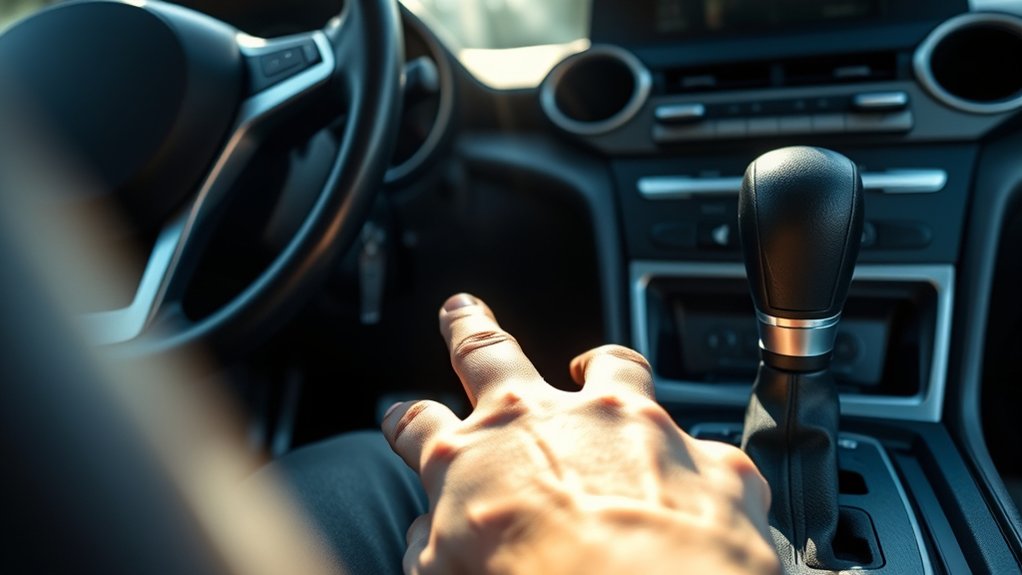
Before you start the car, make sure you understand how the clutch works and prepare your vehicle accordingly. The clutch connects and disconnects the engine from the wheels, allowing you to change gears smoothly. When you press the clutch pedal, it disengages the engine, letting the wheels move freely without engine power.
Releasing the pedal gradually re-engages the connection, transferring power to the wheels.
To prepare your car, verify it’s in neutral gear and the handbrake is engaged to prevent rolling. Check that the battery has enough charge, as clutch starting relies on engine momentum rather than electrical power. Also, familiarize yourself with the location and feel of the clutch pedal to help you control it precisely during the clutch start process.
Press the Clutch Fully Before Starting the Engine
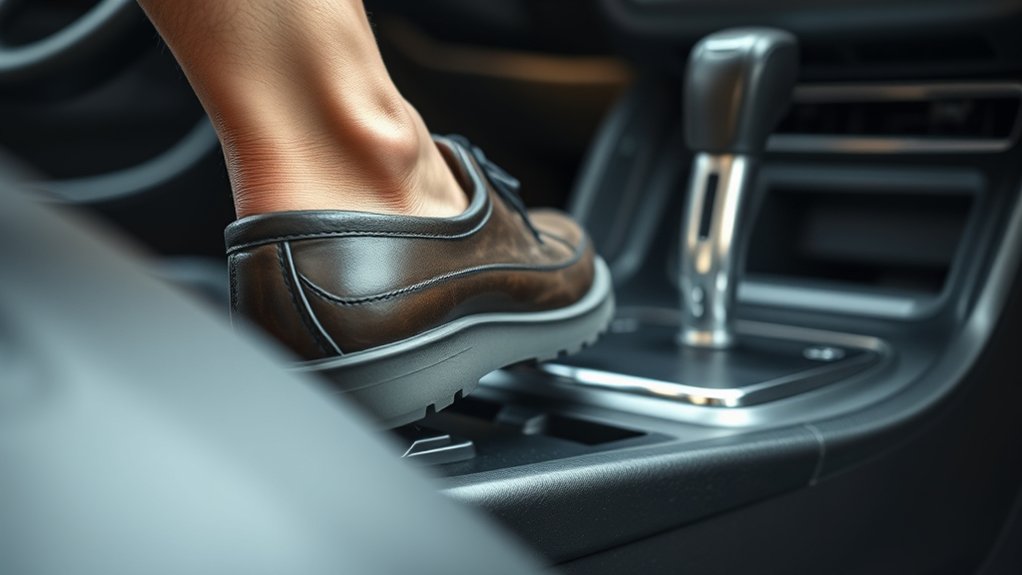
Before you start the engine, make sure you press the clutch pedal all the way down. This prevents the engine from stalling and helps the ignition turn over smoothly.
Doing this step properly sets you up for a successful start every time.
Importance of Full Depression
Although it might seem like a small step, pressing the clutch fully before starting the engine is vital for both safety and preventing damage. When you depress the clutch all the way, you disengage the engine from the transmission, guaranteeing the car won’t lurch forward unexpectedly. This prevents accidents, especially if the car is in gear.
Additionally, fully pressing the clutch reduces strain on the starter motor and engine components. If you don’t press it completely, the engine has to overcome the drivetrain’s resistance, which can cause unnecessary wear over time. By making full clutch depression a habit, you protect your car’s mechanical parts and confirm a smoother, safer start every time.
Don’t underestimate this step—it’s simple but essential.
Preventing Engine Stall
How can you avoid the frustrating experience of your engine stalling just as you start moving? The key is to press the clutch pedal fully before turning the ignition. When you depress the clutch completely, you disconnect the engine from the transmission, preventing the engine from lugging or stalling under load.
If you don’t press the clutch all the way down, the engine has to work harder to turn the drivetrain, which can cause it to stall immediately after starting. Make it a habit to fully engage the clutch every time you clutch start the car. This simple action guarantees the engine spins freely without resistance, giving you a smooth start and avoiding unnecessary stalls that can damage your car and frustrate you.
Ensuring Smooth Ignition
Pressing the clutch fully before starting the engine guarantees a smooth ignition by disconnecting the engine from the transmission. This prevents the car from lurching forward or stalling as you turn the key or press the start button. When you push the clutch pedal all the way down, you disengage the engine’s power from the wheels, allowing the engine to spin freely and start without load.
Always make sure the clutch is pressed firmly to the floor before you crank the engine. If you don’t, the starter motor has to overcome the resistance of the transmission, which can strain the system and cause rough starts. This simple step not only protects your car’s components but also assure a smoother, safer start every time.
Start the Engine While Keeping the Clutch Depressed
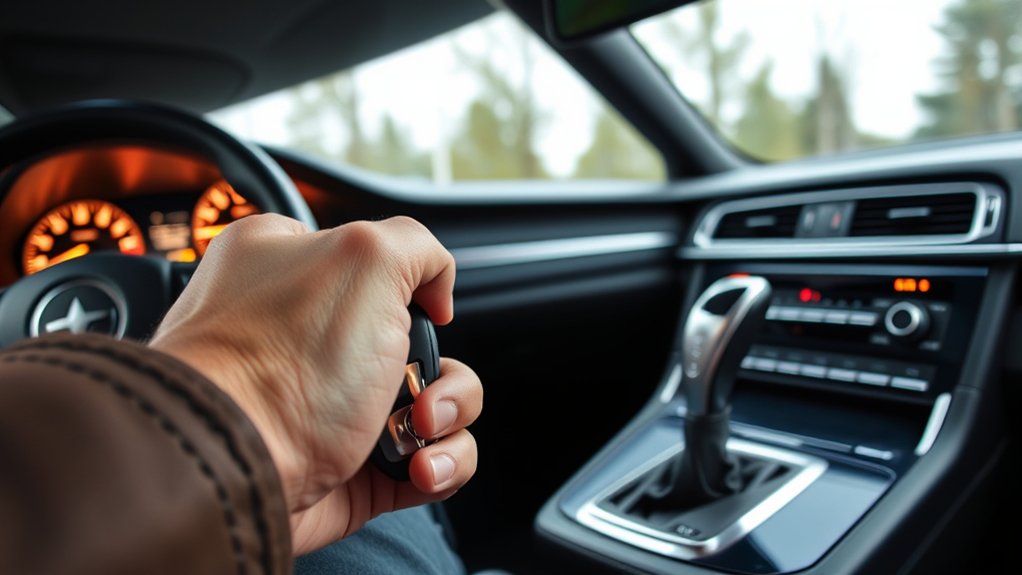
Before you turn the key or push the start button, make sure you keep the clutch fully depressed. This step is crucial because it disengages the engine from the wheels, preventing the car from lurching forward. Here’s what you need to do:
- Press the clutch pedal all the way to the floor with your left foot.
- Hold the pedal down firmly and steadily; don’t release it until the engine starts.
- Turn the ignition key or press the start button while maintaining clutch pressure.
Keeping the clutch depressed ensures the engine can crank freely, making it easier to start, especially on manual transmission cars. Avoid releasing the clutch too early, as this could cause the vehicle to jerk or stall.
Stay focused on the clutch until the engine runs smoothly.
Shift Into First Gear for a Smooth Clutch Start
Once you’ve started the engine with the clutch fully depressed, shift into first gear to prepare for a smooth takeoff. Keep the gear lever firmly in first, ensuring it clicks into place without forcing it. This prevents gear grinding and sets you up for controlled acceleration.
Make sure your foot stays on the clutch pedal to keep the transmission disengaged. Holding the gear steady also helps you focus on the next step—gradually releasing the clutch. Avoid rushing the gear change; a calm, deliberate shift maintains the car’s balance and prevents stalling.
Gradually Release the Clutch to Find the Bite Point
You’ll want to slowly lift your foot off the clutch pedal until you feel the car begin to engage—that’s the bite point. Maintaining smooth control here is key to avoiding jerks and stalls.
With practice, you’ll prevent the engine from stalling and get a seamless start every time.
Identifying The Bite Point
Although it may feel tricky at first, gradually releasing the clutch pedal allows you to find the bite point—the moment when the engine and transmission begin to engage. Recognizing this spot is vital for a smooth start.
To identify the bite point, follow these steps:
- Slowly lift your foot off the clutch pedal while keeping the engine running.
- Pay attention to a slight change in engine sound and feel the car’s front may dip slightly.
- Notice when the car feels like it’s about to move forward without pressing the accelerator.
Once you feel this, you’ve found the bite point. Holding the clutch steady here prevents stalling and prepares you for the next step, ensuring better control as you start moving.
Practice helps you instinctively recognize it every time.
Smooth Clutch Control
Finding the bite point sets the stage for smooth clutch control. Once you feel the clutch start to engage, ease off the pedal gradually rather than letting it go suddenly. This controlled release helps the car shift from a standstill to moving forward without jerking.
Keep your foot steady and be attentive to how the car responds—if it starts to pull gently, you’ve found the sweet spot. Balancing the clutch here allows you to deliver power smoothly to the wheels, making your start feel natural and controlled. Avoid rushing; smooth clutch control requires patience and a light touch.
With practice, you’ll develop the muscle memory to release the clutch confidently and keep the ride steady right from the start.
Preventing Engine Stall
How do you keep the engine from stalling as you start moving? The key is to gradually release the clutch to find the bite point—the moment the engine and transmission engage.
Here’s how to prevent engine stall:
- Slowly lift your foot off the clutch pedal until you feel the car start to pull forward slightly.
- Hold the clutch steady at this bite point for a second; the engine is now transferring power to the wheels.
- As you feel the car gain momentum, gently press the accelerator while continuing to release the clutch smoothly.
Apply Gas Gently to Prevent Stalling
Why does applying gas gently matter when clutch starting a car? When you give too much gas too quickly, the engine can flood or stall, making it harder to get going.
Instead, you want to ease on the gas pedal just enough to keep the engine turning smoothly as you release the clutch. This balance prevents the engine from bogging down or dying out.
Start by pressing the gas pedal lightly—around a quarter to halfway—while you slowly let out the clutch. If the engine struggles or sputters, ease off the gas slightly.
Troubleshoot and Practice for a Smooth Clutch Start
Although clutch starting can be tricky at first, you can master it by troubleshooting common issues and practicing regularly. If your car stalls or jerks, don’t get discouraged. Instead, focus on these key areas:
- Check clutch engagement – Make sure you release the clutch pedal smoothly and at the right speed.
- Adjust gas input – Too little gas can stall the engine; too much can cause jerks.
- Practice timing – Coordinate your clutch release and gas pedal application to find a balance.
Set aside time to practice in a safe area without traffic. With consistent effort, your starts will become smoother and more confident.
Frequently Asked Questions
Can Clutch Starting Harm My Car’s Transmission?
Clutch starting won’t harm your transmission if done correctly and occasionally. However, repeatedly forcing it or doing it improperly can cause wear and damage.
Is Clutch Starting Different for Manual and Automatic Cars?
Yes, clutch starting differs between manual and automatic cars. You’ll use the clutch pedal in manuals to engage the engine, but automatics rely on the brake and gear selector, so clutch starting isn’t applicable there.
How Do I Know if My Clutch Is Wearing Out?
You’ll notice your clutch slipping, difficulty shifting gears, or a spongy pedal feel if it’s wearing out.
If your car revs higher without accelerating properly, it’s time to get your clutch inspected and possibly replaced.
Can I Clutch Start a Car on a Hill Safely?
Want to clutch start a car on a hill safely? You can, but it’s risky if you’re inexperienced. Always use the handbrake, release the clutch smoothly, and be ready to control the car to avoid rolling back.
What Should I Do if the Car Stalls Repeatedly?
If your car stalls repeatedly, stay calm and try restarting with the clutch fully pressed. Check if you’re in the right gear and gently release the clutch.
If it still stalls, inspect for mechanical issues or seek help.
Conclusion
Mastering the clutch start is like learning to dance—you need rhythm, patience, and a bit of practice. By pressing the clutch fully, shifting smoothly, and gently applying gas, you’ll soon glide through starts without stalling.
Remember, even the best drivers once stalled at a red light. Keep practicing these steps, and soon, starting your car will feel as natural as breathing—your own little victory on the road to driving confidence.
With consistent effort, clutch starting a car will become second nature, helping you gain control and confidence behind the wheel every time you drive.

