

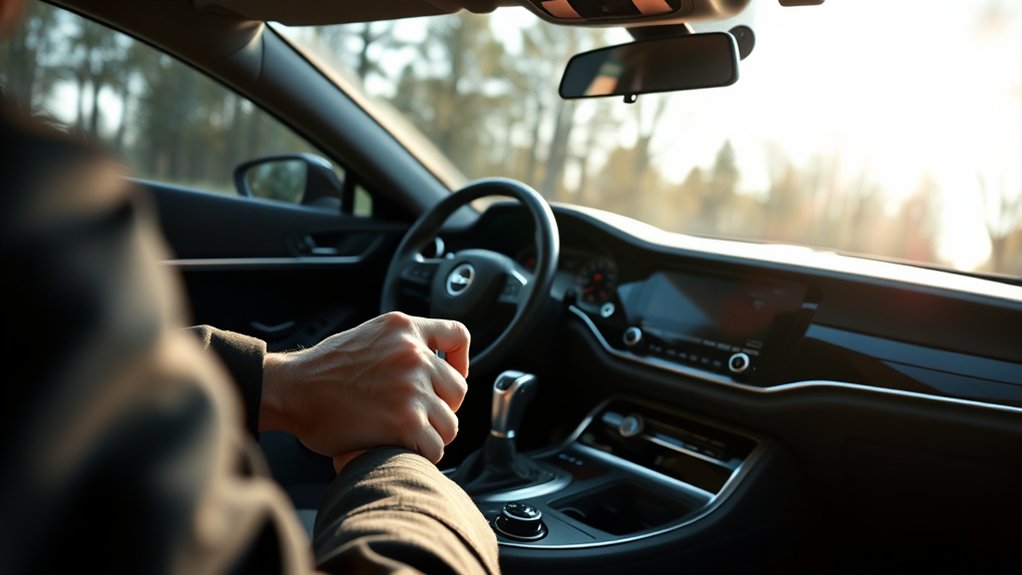
To master driving a dual clutch transmission in seven quick steps, it’s essential to first understand the unique mechanism behind it. This transmission uses two clutches to shift gears smoothly and instantly, offering a blend of manual control and automatic convenience. Grasping how these clutches work will set the foundation for a better driving experience.
Begin and stop gently, easing off the brake and throttle for smooth passages. Shift confidently without hesitation, using paddle shifters or manual mode if you prefer full control. Avoid sudden inputs to prevent jerks and maintain comfort.
Regularly check fluid levels and sensors to keep the transmission running well. Stick with these basics, and you’ll discover even more driving finesse and efficiency. Mastering these steps will enhance both vehicle performance and your driving enjoyment.
Key Takeaways
- Start smoothly by gently releasing the brake and applying throttle while allowing the clutch to engage gradually.
- Shift confidently by easing off the accelerator before moving the gear selector or using paddle shifters for precise control.
- Maintain calm, deliberate inputs to ensure smooth acceleration, deceleration, and seamless gear changes without jerks.
- Regularly check and maintain transmission fluid levels, and keep software and sensors updated for optimal shifting performance.
- Avoid aggressive driving and inspect clutch components periodically to extend the dual clutch transmission’s lifespan.
How a Dual Clutch Transmission Enables Smooth Driving
Although shifting gears can often feel jerky in traditional transmissions, a dual clutch transmission (DCT) keeps your ride smooth by pre-selecting the next gear while you’re still driving in the current one. This clever setup uses two separate clutches—one handles odd gears, the other even. When you’re cruising in one gear, the DCT already engages the next, so when it’s time to shift, the changeover happens instantly without interrupting power flow.
You won’t feel the usual lag or jerk because the system switches clutches seamlessly. This means you get quicker acceleration and smoother gear changes, especially noticeable during spirited driving. As a result, your drive feels more refined and responsive, making every shift almost imperceptible and enhancing overall control behind the wheel.
Start and Stop Smoothly With Your Dual Clutch
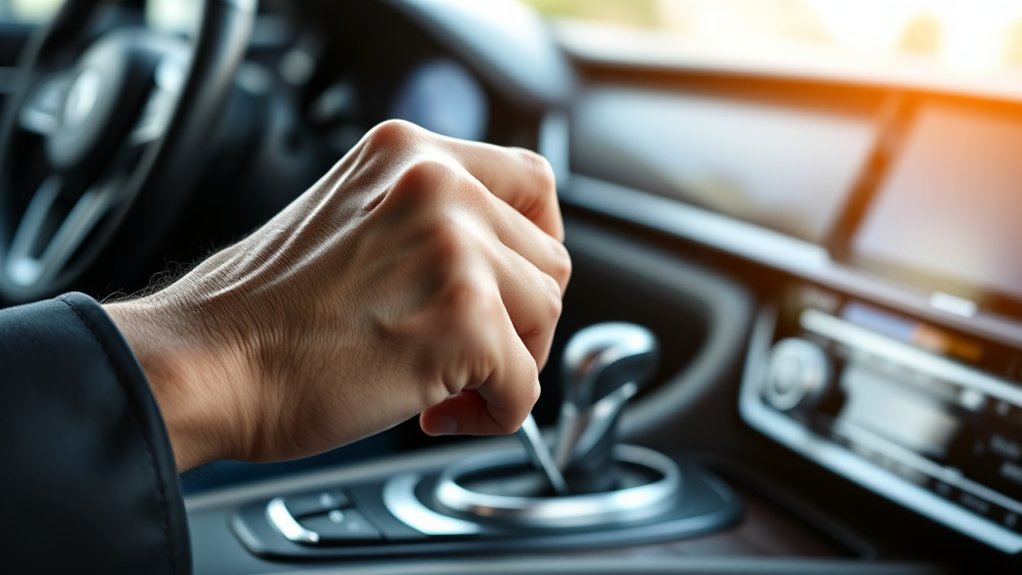
To start and stop smoothly with your dual clutch, focus on gentle clutch engagement and balancing your brake and throttle inputs.
You’ll want to avoid sudden movements that cause jerks or jolts.
Mastering this control helps you maintain a seamless driving experience every time.
Smooth Clutch Engagement
How do you guarantee your dual clutch transmission delivers the smoothest starts and stops? Focus on precise clutch engagement. When you begin moving, ease off the brake and let the clutch engage gradually without rushing.
Avoid sudden throttle inputs; instead, apply consistent, gentle pressure to allow the clutch plates to mesh seamlessly. This steady approach prevents jerking and wear.
As you come to a stop, anticipate the need to disengage the clutch smoothly by easing off the throttle and allowing the transmission to do its job without forcing it.
By staying calm and deliberate with your inputs, you’ll maintain smoothness in every start and stop, extending your transmission’s life and enhancing driving comfort.
Mastering this control is key to a flawless dual clutch experience.
Brake and Throttle Balance
When you balance brake and throttle inputs correctly, your dual clutch transmission responds with seamless precision during starts and stops. To start smoothly, gently ease off the brake while gradually applying the throttle. This coordinated effort prevents abrupt shifts and ensures the clutch engages smoothly.
When stopping, maintain steady brake pressure and avoid sudden throttle changes to let the transmission downshift gracefully. Pay attention to your vehicle’s feedback—too much throttle too soon can cause a lurch, while braking too hard without easing throttle may make the transition feel harsh.
Practicing this balance helps your dual clutch system perform optimally, improving comfort and control. Mastering brake and throttle interplay lets you make the most of your transmission’s quick, efficient shifting without sacrificing smoothness.
Avoiding Jerky Movements
Balancing brake and throttle inputs sets the foundation for smooth operation, but avoiding jerky movements requires even more attention to timing and control. When starting, gently release the brake while gradually applying the throttle to let the clutch engage smoothly. Don’t rush this *changeover*; a sudden throttle input can cause the car to jerk forward.
As you stop, ease off the throttle and apply the brake progressively to avoid abrupt halts. Keep your movements deliberate and fluid, anticipating the car’s response. Practice makes perfect—each dual clutch behaves slightly differently.
Pay close attention to how your vehicle reacts and adjust your inputs accordingly. By mastering these subtle controls, you’ll ensure a seamless, comfortable ride every time you drive your dual clutch transmission.
Master Shifting Gears Without a Clutch Pedal
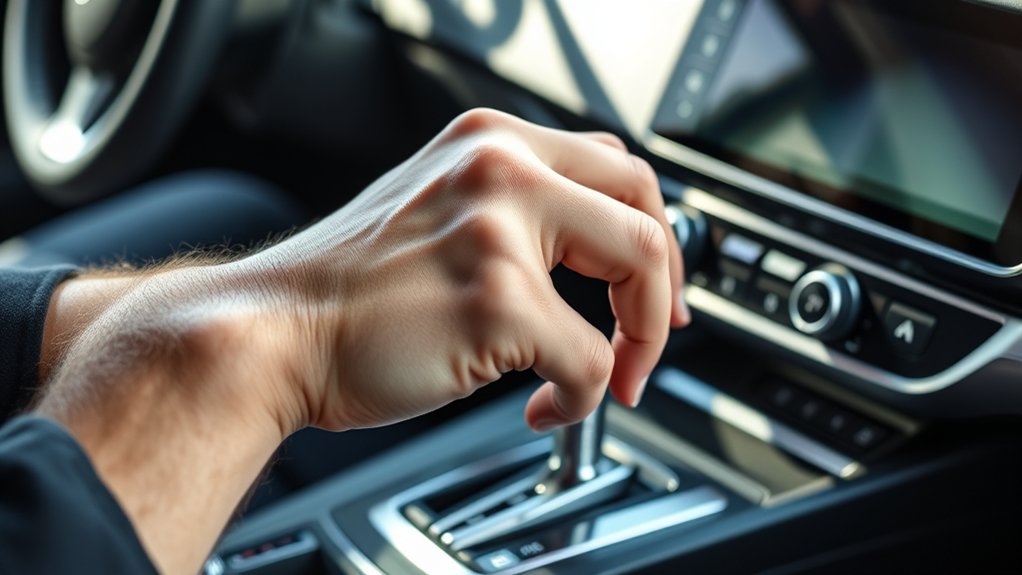
Although it might seem tricky at first, shifting gears without a clutch pedal becomes second nature once you understand the timing and feel of a dual clutch transmission. You don’t have to worry about manually engaging a clutch; the system handles it electronically.
Focus on easing off the accelerator just before you shift, allowing the transmission to disengage the current gear smoothly. Then, confidently move the gear selector to the next gear without hesitation. Listen for subtle changes in engine sound and feel the shift engage—this feedback guides your timing.
With practice, you’ll anticipate gear changes instinctively, making your driving smoother and more efficient. Remember, precision and timing replace force here, so stay relaxed and trust the system’s responsiveness.
Avoid Common Dual Clutch Driving Mistakes
You’ll want to watch out for common shifting errors that can wear down your dual clutch transmission. Knowing how to handle the clutch properly will keep your ride smooth and extend the system’s life.
Let’s go over the key mistakes to avoid and how to handle them right.
Common Shifting Errors
Shifting smoothly with a dual clutch transmission requires understanding its unique mechanics. One common error you might make is forcing the shifter too quickly, which can confuse the system and cause jerky changes. Avoid resting your hand on the gear lever; it can trigger unintended inputs and wear components prematurely.
Another mistake is ignoring the transmission’s feedback—if you hear grinding or feel hesitation, don’t ignore it. Instead, ease off and let the system catch up. Also, shifting at inappropriate speeds disrupts smooth gear changes; make sure you follow recommended RPM ranges.
Finally, abrupt throttle changes during shifts can unsettle the transmission, so apply power progressively. Recognizing and avoiding these errors helps you maintain control and prolong your dual clutch’s lifespan.
Proper Clutch Handling
How do you guarantee your dual clutch system operates smoothly and lasts longer? Proper clutch handling is key. Unlike traditional manuals, you don’t manually engage a clutch pedal, so you must avoid habits that strain the system.
Here’s how to handle it right:
- Don’t rest your foot on the brake or accelerator excessively—this can cause unnecessary wear.
- Avoid sudden, aggressive acceleration or deceleration to prevent harsh gear shifts.
- Use the correct driving mode; sport mode isn’t ideal for city traffic or stop-and-go conditions.
- Let the system manage gear changes instead of forcing manual shifts in inappropriate situations.
Use Dual Clutch Paddle Shifters and Manual Mode Confidently
Although dual clutch transmissions automate gear changes, using paddle shifters and manual mode lets you take full control of your driving experience. When you engage paddle shifters, you override automatic shifts, allowing you to select gears precisely when you want. This is especially useful during spirited driving, tight corners, or overtaking.
Manual mode gives you the ability to hold gears longer or downshift for engine braking, enhancing your connection with the vehicle. To use them confidently, get familiar with your car’s response to inputs—shift smoothly and anticipate road conditions. Remember, paddle shifters don’t require clutch operation, so focus on timing and smoothness.
Practicing in safe environments will build your confidence, letting you enjoy the full benefits of your dual clutch transmission’s versatility and responsiveness.
Fix Jerky Shifts and Lag in Dual Clutch Transmissions
If you notice your dual clutch transmission hesitating or delivering jerky shifts, it’s often due to calibration issues or wear in key components. To fix these problems, start by checking the transmission fluid level and quality—dirty or low fluid can cause lag.
Next, inspect the clutch packs for wear, as worn clutches lead to slipping and rough shifts. You should also update the transmission control unit (TCU) software; manufacturers often release improvements that smooth shifting.
Finally, ensure sensors like the throttle position sensor and speed sensors are functioning correctly because faulty readings disrupt shift timing.
- Check transmission fluid level and condition
- Inspect clutch packs for wear
- Update transmission control unit software
- Verify sensor functionality and calibration
Addressing these steps helps restore smooth, responsive shifting in your dual clutch transmission.
Maintain Your Dual Clutch Transmission for Long Life
To guarantee your dual clutch transmission lasts, you need to follow a consistent maintenance routine tailored to its unique design. Regularly check and change the transmission fluid according to the manufacturer’s schedule, as clean fluid prevents overheating and wear. Keep an eye on transmission temperature to avoid excessive heat, which damages components quickly.
Avoid aggressive driving habits that put unnecessary stress on the system. Periodically inspect the clutch packs and seals for wear or leaks, addressing issues early prevents costly repairs. Also, keep your vehicle’s software updated, as manufacturers often release improvements that optimize transmission performance and longevity.
Frequently Asked Questions
Can I Tow Heavy Loads With a Dual Clutch Transmission?
You can tow heavy loads with a dual clutch transmission, but you need to check your vehicle’s towing capacity first. Be cautious, as DCTs may overheat under heavy stress, so avoid prolonged towing whenever possible.
Make sure to monitor the transmission temperature regularly during towing. Using proper cooling systems can help prevent damage. Always follow the manufacturer’s guidelines for towing limits.
How Does a Dual Clutch Compare to a CVT in Fuel Efficiency?
You’ll find a dual clutch transmission usually offers better fuel efficiency than a CVT because it has distinct gears that reduce energy loss, while CVTs can sometimes feel less efficient under heavy acceleration or load.
Are Dual Clutch Transmissions More Expensive to Repair Than Automatics?
Think of repairing a dual clutch transmission like fixing a high-tech robot—it’s usually more expensive than a traditional automatic. You’ll face higher costs due to complex parts and specialized labor, so be prepared to spend more.
Do Dual Clutch Transmissions Require Special Driving Licenses?
No, you don’t need a special driving license to operate a dual clutch transmission. It functions like a regular automatic, so your standard license covers it.
Just get comfortable with its unique shifting feel.
Can I Use Regular Transmission Fluid for a Dual Clutch System?
No, you shouldn’t use regular transmission fluid in a dual clutch system. These systems require specific fluids designed for their unique clutch and hydraulic needs to guarantee proper performance and avoid damage.
Always check the manufacturer’s recommendations.
Conclusion
Mastering your dual clutch transmission is like learning to dance with your car—smooth, precise, and effortless. By understanding how it works, shifting confidently without a clutch pedal, and avoiding common mistakes, you’ll glide through every drive.
Use paddle shifters wisely, fix jerky shifts promptly, and keep up with maintenance to guarantee your transmission lasts. These simple actions ensure your driving experience remains seamless and enjoyable.
With these steps, you’re not just driving—you’re in perfect harmony with your vehicle. Master driving a dual clutch transmission by embracing these tips for smooth shifting, enhanced control, and long-lasting performance.

