

You control your car’s power flow with the clutch, a crucial component in manual transmissions that connects and disconnects the engine from the wheels. Understanding what a car clutch does helps you drive more smoothly and maintain your vehicle better.
Pressing the clutch pedal disengages the engine, letting you change gears smoothly without stalling.
Releasing the clutch pedal reconnects power for acceleration, making it essential for starting, stopping, and shifting safely in manual cars.
Using the clutch correctly avoids jerks and damage, ensuring a smooth ride every time.
Keep an eye out for signs of wear, such as slipping or difficulty shifting. With proper care and technique, you’ll find plenty more tips to improve your clutch skills and extend its lifespan.
Key Takeaways
- A car clutch disconnects the engine from the wheels to enable smooth gear changes without stalling the engine.
- It controls power transfer by engaging and disengaging the engine from the transmission during driving.
- The clutch allows the driver to start, stop, and change gears smoothly in a manual transmission vehicle.
- Proper clutch use prevents engine strain, grinding gears, and helps maintain vehicle acceleration and deceleration control.
- Signs of clutch wear include slipping, difficulty shifting, and unusual pedal feel, indicating maintenance or repair needs.
What a Car Clutch Is and How It Works
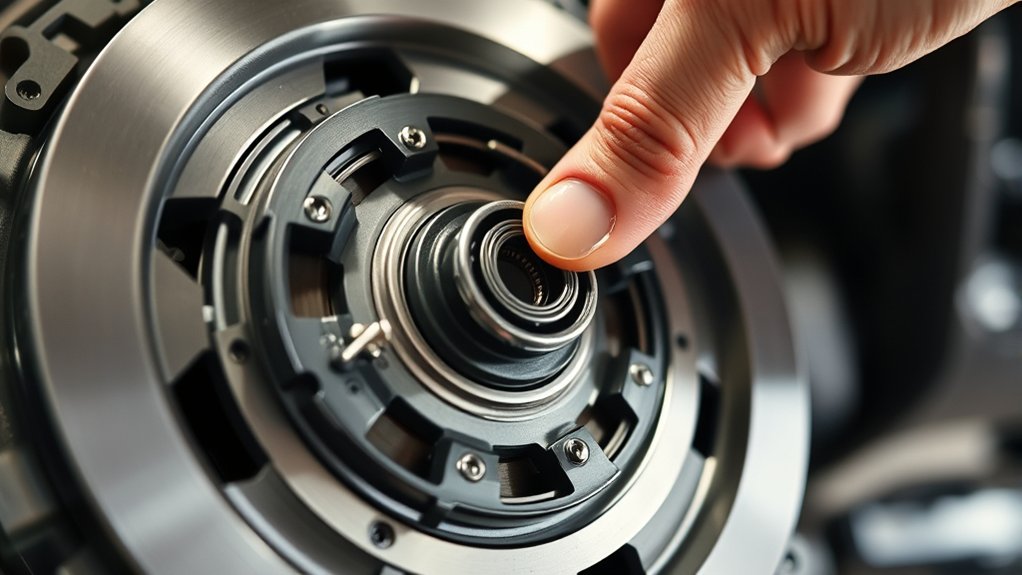
How exactly does a car clutch work? When you press the clutch pedal, it disengages the engine from the wheels, allowing you to change gears smoothly without grinding. Inside the clutch, a friction disc sits between the engine’s flywheel and the pressure plate.
When the pedal is released, the pressure plate pushes the disc against the flywheel, linking the engine’s power to the transmission. Pressing the pedal pulls the pressure plate away, breaking this connection. This controlled engagement lets you start moving, shift gears, and stop without killing the engine.
Essentially, the clutch acts as a bridge between the engine and transmission, giving you control over power delivery. Understanding this mechanism helps you appreciate how your manual car responds to your inputs.
Why a Car Clutch Is Essential for Manual Driving
Because the clutch controls the connection between the engine and the wheels, you rely on it to start, stop, and change gears smoothly when driving a manual car. Without the clutch, the engine’s power would transfer directly to the wheels, making gear changes jerky or impossible without damaging the transmission.
The clutch allows you to temporarily disconnect the engine from the drivetrain, giving you control over power delivery. This control is essential for preventing stalling when starting from a stop and for shifting gears without grinding. It also helps you manage the vehicle’s speed and acceleration efficiently.
In short, the clutch is the key component that enables you to operate a manual car safely and smoothly.
When and Why You Need to Use the Car Clutch
You need to use the clutch whenever you start or stop your car to prevent the engine from stalling. It also helps you shift gears smoothly without damaging the transmission. Understanding when to engage the clutch makes your driving safer and more efficient.
Starting And Stopping
When starting or stopping your car, engaging the clutch is essential to control the connection between the engine and the wheels. Without using the clutch properly, the engine might stall or the car could jerk unexpectedly.
Here’s when and why you need to use the clutch:
- Starting from a stop: Press the clutch fully to disconnect the engine from the wheels, allowing the engine to run without moving the car. Gradually release it to smoothly engage power and start moving.
- Stopping the car: Press the clutch just before the car slows down to avoid stalling. This disconnects the engine while you brake to a stop.
- Idling in gear: Keep the clutch pressed when stopped but in gear to prevent engine strain and stalling.
Mastering these steps keeps your starts and stops smooth and prevents damage.
Shifting Gears Smoothly
Mastering the clutch during starts and stops lays the foundation for smooth gear changes. When you shift gears, you need to disengage the engine from the wheels by pressing the clutch pedal. This lets you change gears without grinding or damaging the transmission.
Release the accelerator as you press the clutch, shift to the desired gear, then slowly lift the clutch while gently applying gas. Timing is key—you want to avoid jerks or stalls. Using the clutch correctly reduces wear and makes driving more comfortable.
How to Use the Clutch Smoothly in Common Driving Situations
Although using the clutch might seem tricky at first, getting a smooth feel comes down to timing and gentle control. In everyday driving, you’ll often need to use the clutch when starting, stopping, or shifting gears.
Here’s how to keep it smooth:
- Starting from a stop: Press the clutch fully, select first gear, then slowly lift the clutch while gently pressing the accelerator. Find the bite point where the car begins to move and balance both pedals.
- Shifting gears: Fully depress the clutch before changing gears, then release it gradually while applying light throttle to avoid jerks.
- Stopping: Press the clutch just before the engine stalls, then brake smoothly to a stop.
How the Clutch Links Your Engine to the Wheels
Because the clutch acts as a bridge between your engine and the wheels, it controls when and how power gets transferred to move your car. When you press the clutch pedal, it disconnects the engine’s spinning force from the wheels, allowing you to change gears smoothly.
Releasing the pedal reconnects that force, letting the wheels turn and propel your vehicle.
This connection feels like a dance — timing and control matter. Here’s what you experience:
| Feeling | Action Taken | Result |
|---|---|---|
| Smooth | Gradual clutch release | Car moves forward |
| Hesitant | Sudden clutch release | Car jerks or stalls |
| Confident | Proper engagement | Power flows seamlessly |
Understanding this link helps you drive with confidence and control.
Common Signs Your Clutch Might Be Wearing Out
If you notice your car behaving differently when you use the clutch, it might be a sign that it’s wearing out. Paying attention to these common signs can help you address clutch issues before they worsen:
- Slipping Clutch – When you press the accelerator, the engine revs higher but your car doesn’t accelerate as expected. This usually means the clutch isn’t fully engaging.
- Difficulty Shifting Gears – If shifting feels rough, grinding, or you struggle to get the car into gear, your clutch might not be disengaging properly.
- Spongy or Loose Clutch Pedal – A pedal that feels unusually soft or loose can indicate worn clutch components or hydraulic issues.
If you spot any of these signs, it’s wise to have your clutch inspected soon.
How to Avoid Clutch Damage With Smart Driving Habits
You can protect your clutch by engaging it properly every time you shift. Avoid riding the clutch pedal, as this wears down its components quickly.
Also, focus on smooth gear changes to keep everything running smoothly.
Proper Clutch Engagement
When you engage the clutch properly, you’ll extend its lifespan and keep your driving smooth. To do this right, focus on these key steps:
- Press the clutch fully before shifting gears to avoid grinding and excessive wear.
- Release the clutch gradually to allow the engine and transmission to connect smoothly without sudden jolts.
- Match engine speed to gear speed by revving slightly as you release the clutch, reducing strain on the components.
Avoid Riding The Clutch
Proper clutch engagement helps protect your vehicle’s clutch, but certain habits can still cause premature wear. One of the biggest culprits is riding the clutch—keeping your foot partially on the pedal when you don’t need to. This constant friction causes the clutch plates to wear faster, leading to slipping and costly repairs.
Instead, fully release the clutch once you’re moving or stopped; don’t rest your foot on the pedal. Also, avoid using the clutch to hold the car on an incline—use the handbrake or footbrake instead. By keeping your foot off the clutch when it’s not necessary, you reduce unnecessary wear, extend the clutch’s life, and maintain smoother control of your vehicle.
Smart habits pay off with less hassle down the road.
Smooth Gear Shifting
Although shifting gears might seem straightforward, doing it smoothly plays a crucial role in preventing clutch damage. When you shift gears abruptly, you risk grinding the gears and wearing out the clutch plate faster.
To keep your clutch in good shape, follow these smart driving habits:
- Press the clutch fully before changing gears to avoid partial engagement.
- Match engine speed to gear speed by gently releasing the clutch and giving the right amount of throttle.
- Avoid resting your foot on the clutch pedal while driving to prevent unnecessary wear.
Easy Clutch Maintenance Tips You Can Try at Home
Since your car’s clutch plays a crucial role in smooth gear shifts, keeping it in good condition is essential. Start by checking the clutch fluid regularly; low levels can cause slipping or difficulty in shifting. Top it off with the recommended hydraulic fluid if needed.
Next, pay attention to how your clutch pedal feels—if it’s spongy or stiff, there might be air in the hydraulic line, which you can try bleeding yourself. Avoid riding the clutch by resting your foot on the pedal when not shifting, as this causes unnecessary wear.
Also, keep an eye out for unusual noises or vibrations when pressing the clutch. These simple checks and habits can extend your clutch’s life and improve driving comfort without costly repairs.
When to See a Mechanic for Clutch Repairs or Replacement
If you notice persistent slipping, grinding noises, or difficulty shifting gears despite your maintenance efforts, it’s time to see a mechanic for clutch repairs or replacement. Ignoring these signs can lead to more severe damage and costly repairs.
Here are three clear indicators that you shouldn’t delay professional help:
- Clutch Pedal Feels Soft or Spongy: This often signals hydraulic issues or worn components needing expert attention.
- Burning Smell: A strong burning odor during driving usually indicates a slipping clutch that requires immediate inspection.
- Difficulty Engaging Gears: If your car struggles to shift smoothly or pops out of gear, the clutch may be failing.
Addressing these symptoms early keeps your vehicle safe and prevents further damage.
Frequently Asked Questions
Can I Drive a Manual Car Without Using the Clutch?
No, you can’t drive a manual car properly without using the clutch. It’s essential for changing gears smoothly and preventing damage. Some skilled drivers might slip gears without it, but it’s risky and can harm your transmission.
How Does a Clutch Differ in Electric Vehicles?
Electric vehicles don’t have a traditional clutch because they use a single-speed transmission. You don’t need to shift gears manually, so the clutch’s role in disconnecting the engine from the drivetrain isn’t necessary for you.
What Are the Environmental Impacts of Clutch Wear?
Like a knight’s armor slowly wearing down, clutch wear releases tiny metal particles and dust. You’ll contribute to air and soil pollution, so keeping your clutch in good shape helps reduce environmental harm and keeps you eco-friendly.
Can Clutch Issues Affect Fuel Efficiency?
Yes, clutch issues can reduce your fuel efficiency. When your clutch slips or doesn’t fully engage, your engine works harder, wasting fuel.
Fixing clutch problems helps you save gas and keeps your car running smoothly.
Are There Clutch Alternatives in Modern Cars?
Yes, you’ll find clutch alternatives like automatic transmissions, CVTs, and dual-clutch systems in modern cars. These options let you skip manual clutch control, making driving smoother and often improving fuel efficiency and convenience.
Conclusion
Think of your car’s clutch as a skilled dance partner, gracefully linking the engine’s power to the wheels. When you learn to move with it smoothly, your drive feels effortless and controlled. Ignore its signals, and the dance falters, leading to wear and damage.
Treat your clutch with care—listen, practice, and maintain it. You’ll enjoy a long, harmonious ride, just like a well-choreographed dance that never misses a beat. Understanding what a car clutch does is key to ensuring smooth gear changes and extending the lifespan of your vehicle’s transmission system.

