

Clutch fluid is a vital hydraulic fluid essential for smooth gear shifting in manual transmission vehicles. It transfers pressure through the clutch system, allowing you to easily disengage the clutch and change gears without difficulty.
Proper clutch fluid levels and quality ensure your vehicle performs reliably.
Without clutch fluid, shifting gears would be tough or impossible. It also lubricates the internal components and prevents corrosion, keeping the system functioning efficiently.
If the fluid becomes old or contaminated, you may experience trouble shifting or a spongy clutch pedal.
Maintaining good clutch fluid condition is key for optimal performance and avoiding costly repairs. Understanding how to care for your clutch fluid properly helps extend the life of your vehicle’s transmission system.
Key Takeaways
- Clutch fluid is a hydraulic fluid that transfers pressure to disengage the clutch for smooth gear shifting. It lubricates and prevents corrosion inside the clutch hydraulic system to ensure reliable operation. Proper clutch fluid levels and quality are essential for efficient and smooth clutch engagement.
- Old or contaminated fluid can cause shifting difficulties, spongy pedals, leaks, and clutch slipping. Regular maintenance and using the correct fluid type prevent system failure and costly repairs.
What Is Clutch Fluid and How It Works
How does clutch fluid actually keep your vehicle’s transmission running smoothly? When you press the clutch pedal, you activate a hydraulic system that relies on clutch fluid to transfer that pressure. This fluid moves through the clutch master cylinder and slave cylinder, pushing the clutch fork to disengage the clutch.
Without clutch fluid, this pressure transfer wouldn’t happen, and you couldn’t shift gears properly.
Clutch fluid is similar to brake fluid, designed to handle high pressure and resist moisture buildup. It’s typically a glycol-based liquid that maintains consistent performance under extreme temperatures. The fluid lubricates components and prevents corrosion inside the hydraulic system, ensuring smooth pedal feel and clutch engagement.
Why Clutch Fluid Matters for Your Car
Since clutch fluid plays a key role in moving pressure through your vehicle’s hydraulic system, its condition directly affects how well your car shifts gears. If the fluid gets old or contaminated, you might notice difficulty in shifting or a spongy clutch pedal.
Proper clutch fluid guarantees smooth engagement and disengagement, protecting your transmission from wear and costly repairs.
| Symptom | Possible Cause | Impact on Driving |
|---|---|---|
| Hard shifting | Low fluid level | Gear changes tough |
| Spongy pedal | Air in hydraulic line | Reduced clutch control |
| Clutch slipping | Contaminated fluid | Loss of power transfer |
| Fluid leaks | Damaged seals | System failure risk |
| Noisy operation | Old fluid | Increased wear |
Keeping clutch fluid fresh keeps your car running smoothly.
Types of Clutch Fluid and How to Choose
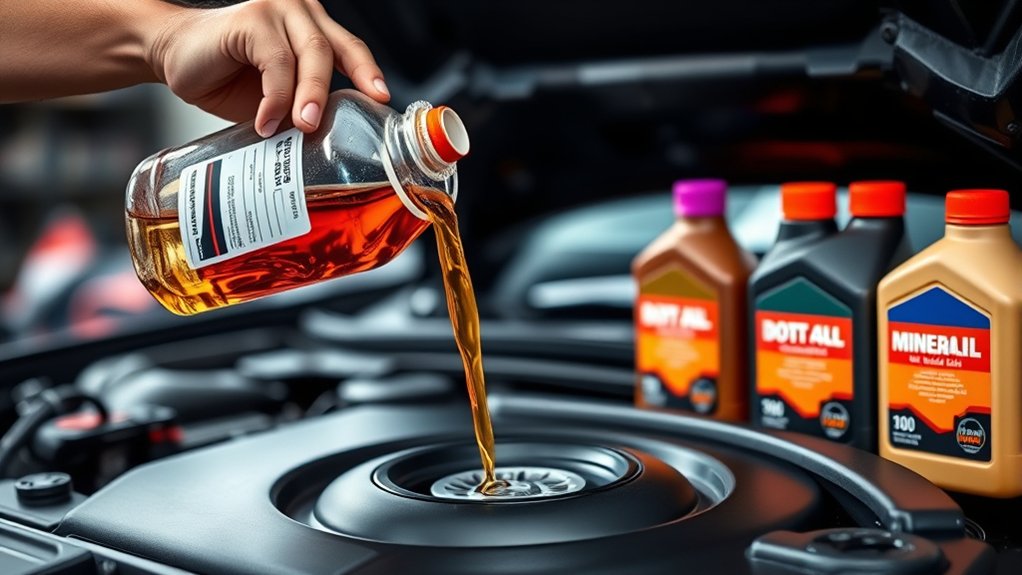
Although choosing the right clutch fluid might seem straightforward, selecting the proper type is vital for maintaining your vehicle’s performance and preventing damage. Most clutch systems use either DOT 3, DOT 4, or DOT 5.1 brake fluids, which are glycol-based and compatible with hydraulic clutch systems.
You’ll want to check your owner’s manual to see which type your vehicle requires since using the wrong fluid can lead to corrosion or poor clutch response. Avoid using DOT 5 silicone-based fluid unless specifically recommended, as it’s not compatible with most hydraulic clutches.
When choosing clutch fluid, prioritize the manufacturer’s specifications and the fluid’s boiling point to ensure it withstands heat generated during operation. This helps keep your clutch working smoothly and reliably.
How to Check Your Clutch Fluid Level Safely
To check your clutch fluid level safely, start by locating the reservoir under the hood—it’s usually near the brake fluid reservoir. Make sure you wear gloves and eye protection to avoid any contact with the fluid. Always work on a cool engine to prevent burns or spills.
Locating The Reservoir
Before you check your clutch fluid level, you’ll need to locate the reservoir under your vehicle’s hood. It’s usually a small, translucent plastic container with a screw-on cap, often labeled or embossed with “clutch” or “brake.”
Here’s how to find it quickly:
- Open your hood and secure it properly.
- Look near the firewall on the driver’s side; the clutch fluid reservoir often sits close to the brake fluid reservoir.
- Identify the small container with a round cap—this is where you’ll check the fluid level.
Knowing exactly where the clutch fluid reservoir is will make the inspection easier and help you maintain your vehicle properly.
Just make sure the engine is cool before you open the cap.
Using Proper Safety Gear
When you check your clutch fluid, wearing the right safety gear protects you from harmful chemicals and unexpected splashes. Always put on safety goggles to shield your eyes from fluid spills, which can cause irritation. Use gloves to protect your skin, especially since clutch fluid often contains corrosive substances.
Wearing old clothes or a protective apron is smart because fluid stains can be tough to remove. Make sure your work area is well-ventilated to avoid inhaling fumes. Before opening the reservoir, wipe the cap and surrounding area with a clean cloth to prevent dirt from contaminating the fluid.
Signs Your Clutch Fluid Needs Changing
If your clutch starts feeling spongy or you notice difficulty shifting gears, your clutch fluid might be due for a change. Old or contaminated fluid can cause poor clutch performance and even damage components.
A spongy clutch or gear shifting trouble often signals it’s time to replace your clutch fluid.
Here are three key signs to watch for:
- Leaking Fluid: Spotting fluid under your car or near the clutch master cylinder could mean a leak, reducing fluid levels and affecting clutch function.
- Discolored Fluid: If the clutch fluid looks dark or dirty when you check it, that’s a sign it’s degraded and needs replacing.
- Clutch Pedal Issues: A sticking, soft, or unresponsive clutch pedal often indicates old fluid that’s lost its effectiveness.
Keep an eye on these signs to maintain smooth and safe clutch operation.
How to Change Your Clutch Fluid at Home
Changing your clutch fluid at home is easier than you might think once you have the right tools.
You’ll need basic items like a wrench, a container for old fluid, and fresh clutch fluid.
Follow a clear step-by-step process to guarantee the job is done safely and effectively.
Tools Needed
Before you start, gather the right tools to make the process smooth and efficient. Having everything ready will save you time and prevent frustration when changing your clutch fluid.
You’ll need some basic items that are easy to find but essential for the job.
Here are the three main tools you’ll need:
- Brake/clutch fluid – Make sure to get the type specified in your vehicle’s manual.
- Wrench or spanner – For loosening and tightening the bleed screw on the clutch slave cylinder.
- Clear plastic tubing and container – To catch the old fluid as you bleed the system, avoiding spills and mess.
With these tools handy, you’ll be set up for a smooth clutch fluid change at home.
Step-by-Step Process
Once you have your tools ready, start by locating the clutch fluid reservoir under your hood. It’s usually near the brake fluid reservoir and marked clearly. Clean the reservoir cap before opening to avoid contamination.
Use a turkey baster or syringe to remove old fluid from the reservoir. Fill it with fresh clutch fluid up to the recommended level. Next, find the bleeder valve on the clutch slave cylinder.
Attach a clear tube to the valve, placing the other end in a container. Have a helper press the clutch pedal slowly while you open the bleeder valve to release air and old fluid. Close the valve before your helper releases the pedal.
Repeat until clean fluid flows and no air bubbles appear. Check and top off the reservoir. Seal it tightly when finished.
Common Clutch Fluid Problems and DIY Fixes
Although clutch fluid problems can catch you off guard, recognizing the common issues early can save you time and money.
Clutch fluid issues can be unexpected, but spotting them early helps you avoid costly repairs.
You’ll want to keep an eye out for these typical problems:
- Low Fluid Level – Check the reservoir regularly. If it’s low, top it off with the recommended clutch fluid to avoid air entering the system.
- Fluid Contamination – If the fluid looks dark or dirty, it’s time to flush and replace it. Contaminated fluid can cause poor clutch performance.
- Air in the System – If your clutch feels spongy, bleed the clutch line to remove trapped air bubbles, restoring proper pedal feel.
When to See a Mechanic for Clutch Fluid Issues
If you notice persistent clutch problems despite your efforts to fix the fluid issues, it’s time to see a mechanic. Signs like a spongy clutch pedal, difficulty shifting gears, or fluid leaks under your vehicle indicate a deeper problem that DIY fixes can’t solve.
Also, if your clutch pedal feels unusually stiff or sinks to the floor without resistance, don’t delay professional help. Ignoring these symptoms can lead to more serious damage, costing you more in repairs.
A mechanic will properly diagnose issues like air in the hydraulic system, worn seals, or a failing master or slave cylinder. Getting expert assistance ensures your clutch system remains reliable and safe, preventing breakdowns and costly replacements down the road.
What Happens When Clutch Fluid Gets Contaminated
When clutch fluid gets contaminated, it can quickly compromise your vehicle’s performance and safety. Contaminants like dirt, moisture, or metal particles reduce the fluid’s ability to transmit hydraulic pressure effectively.
This leads to several issues you’ll want to watch out for:
- Spongy or unresponsive clutch pedal – Contaminated fluid affects pressure, making the pedal feel soft or inconsistent.
- Difficulty shifting gears – You might struggle to engage or disengage gears smoothly, risking transmission damage.
- Corrosion and internal wear – Moisture in the fluid promotes rust inside the clutch system, causing premature component failure.
If you notice these symptoms, it’s essential to check and replace the clutch fluid promptly to avoid costly repairs and maintain safe driving conditions.
How to Prevent Clutch Fluid Leaks and Damage
Contaminated clutch fluid often results from leaks or damage within the system, so keeping your clutch fluid sealed and your components in good shape helps maintain smooth operation. First, regularly inspect the clutch master cylinder, slave cylinder, and connecting lines for cracks or wear. Replace any damaged parts immediately to prevent fluid from escaping.
Make sure all seals and gaskets are intact and properly seated to avoid leaks. When topping off or changing fluid, use the recommended type to prevent corrosion or degradation. Avoid overfilling, which can cause pressure buildup and damage seals.
Finally, keep the reservoir cap tightly closed to stop moisture and dirt from contaminating the fluid. By staying proactive with these steps, you’ll minimize leaks and protect your clutch system from unnecessary damage.
Tips for Long-Term Clutch Fluid Maintenance
Although clutch fluid maintenance requires ongoing attention, adopting a consistent routine can extend your system’s lifespan considerably. Keeping your clutch fluid in good condition ensures smooth gear shifts and prevents costly repairs.
Here are three tips to help you maintain it long-term:
1. Check Fluid Levels Regularly
Inspect the clutch fluid reservoir every month. Low levels might signal leaks or other issues.
2. Use the Right Fluid
Always top up or replace fluid with the type specified by your vehicle’s manufacturer to avoid damage.
3. Flush and Replace Periodically
Change the clutch fluid every 2 years or as recommended. Old fluid loses effectiveness and can cause clutch problems.
Sticking to these simple steps keeps your clutch system reliable and responsive for years to come.
Frequently Asked Questions
Can Clutch Fluid Affect My Car’s Fuel Efficiency?
Yes, clutch fluid can affect your car’s fuel efficiency. If it’s low or contaminated, your clutch won’t engage properly, causing slippage and wasting energy, which makes your engine work harder and reduces fuel economy.
Is Clutch Fluid the Same as Brake Fluid?
No, clutch fluid isn’t exactly the same as brake fluid, but they’re often interchangeable because both use DOT brake fluid.
Just make sure you check your vehicle’s manual before topping up or replacing either one.
How Long Does Clutch Fluid Typically Last?
Clutch fluid typically lasts around 2 years or 30,000 miles, but you should check it regularly.
If it looks dirty or you notice clutch issues, don’t wait—replace it to keep your system working smoothly.
Can I Use Any Type of Fluid if Clutch Fluid Runs Out?
You can’t just pour in any fluid like it’s a quill from the Renaissance; using the wrong type risks damaging your clutch system.
Always use the manufacturer-recommended fluid to keep your clutch working smoothly and avoid costly repairs.
Does Temperature Affect Clutch Fluid Performance?
Yes, temperature affects clutch fluid performance. If it gets too hot, the fluid can boil, causing your clutch to feel spongy or fail.
Keep your fluid fresh and check it regularly to avoid problems.
Conclusion
Just like the invisible thread that connects a puppeteer to their puppet, clutch fluid quietly controls your car’s smooth shifts. If you let it get dirty or low, you might find yourself stuck, just like a marionette frozen mid-performance.
Keep an eye on your clutch fluid, and you’ll guarantee every gear change is as seamless as a dancer’s twirl. After all, a well-maintained clutch fluid keeps your drive feeling like a perfectly choreographed show.
Regularly checking and replacing clutch fluid is essential for maintaining optimal clutch performance and avoiding costly repairs. Proper clutch fluid maintenance ensures smooth gear transitions and prolongs the life of your vehicle’s clutch system.

