

If your new clutch is slipping in a manual transmission car, it often results from several common issues. Improper installation, such as misaligned parts or incorrect adjustments, is a frequent cause. Contamination from oil or grease can also reduce friction between the clutch components, leading to slipping.
Defective parts like warped clutch plates or weak springs contribute to poor clutch engagement. Hydraulic problems, including leaks or air bubbles in the system, may mimic the symptoms of a slipping clutch.
Additionally, aggressive driving habits and neglecting the proper break-in period can accelerate clutch wear.
Understanding these factors will help you accurately diagnose why your new clutch is slipping and take the necessary steps to fix the problem effectively.
Key Takeaways
- Improper installation or misalignment of clutch components can cause uneven pressure and early slipping in a new clutch.
- Contamination of clutch surfaces by oil, grease, or dirt reduces friction and causes the clutch to slip.
- Poor driving habits like riding the clutch or aggressive starts accelerate wear and lead to premature clutch slipping.
- Hydraulic system issues such as leaks or air in the lines can mimic clutch slipping by causing incomplete disengagement.
- Failure to properly bed the clutch during break-in results in uneven wear and glazing, reducing clutch grip and causing slippage.
Why Is My New Clutch Slipping in a Manual Car?
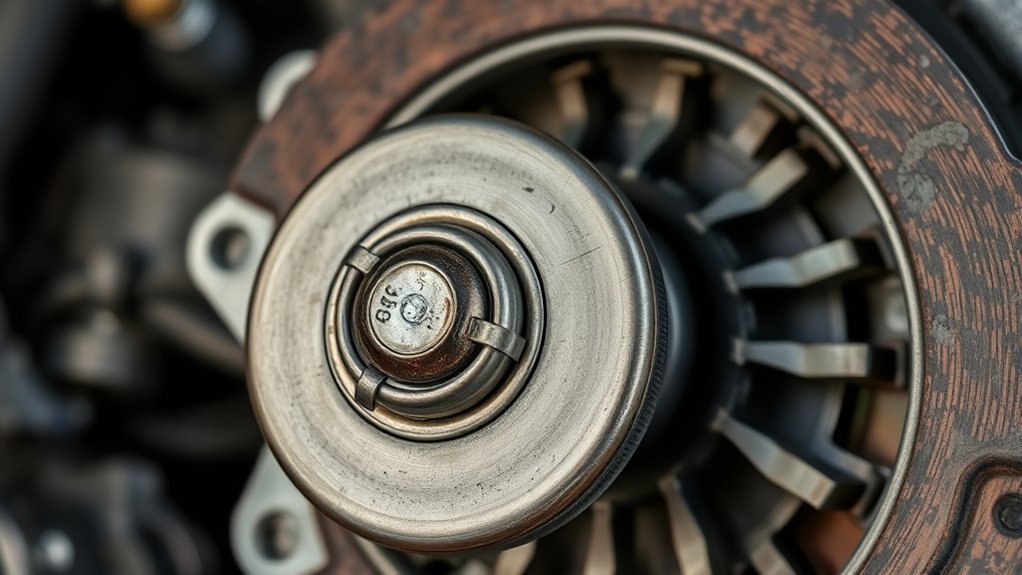
Although you’ve just installed a new clutch, it can still slip if it’s not properly adjusted or if there’s contamination on the clutch surfaces. You need to check if the clutch cable or hydraulic system is correctly set up because improper adjustment can prevent full engagement. Also, if oil or grease got onto the clutch disc during installation, it reduces friction, causing slippage.
You should verify the flywheel and pressure plate are clean and free from damage; resurfacing might be necessary if they’re warped or glazed. Additionally, using the wrong type of clutch for your driving style or vehicle can lead to slipping. Finally, your driving habits matter—riding the clutch or aggressive starts can cause early wear, even on a new clutch.
Signs Your New Clutch Is Starting to Slip
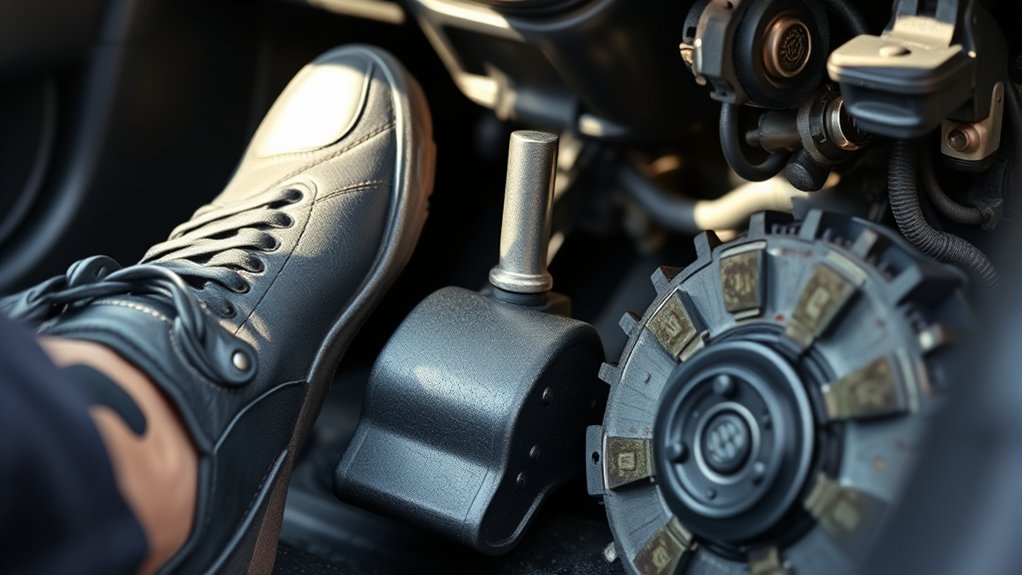
You might notice the engine revving higher than usual without a corresponding increase in speed. Shifting gears could start feeling rough or take more effort than before.
These are key signs your new clutch is beginning to slip.
Unusual Engine Revving
When your new clutch starts slipping, you’ll notice the engine revving higher than usual without a corresponding increase in vehicle speed. This happens because the clutch isn’t fully engaging, causing the engine to spin faster while the wheels lag behind.
You’ll especially feel this when accelerating quickly or driving uphill.
Here’s what to watch for:
| Symptom | What It Means |
|---|---|
| High RPMs, slow speed | Clutch slipping under load |
| Engine revs spike | Reduced power transfer efficiency |
| Sudden rev jumps | Clutch plate losing grip intermittently |
Pay attention to these signs early. Catching unusual engine revving can save you from more costly repairs down the road.
Difficulty Shifting Gears
Noticing unusual engine revving often goes hand in hand with another common sign of a slipping clutch: difficulty shifting gears. When your clutch starts slipping, you might find it harder to smoothly change gears or that the gear stick feels stiff or catches unexpectedly.
This happens because the clutch isn’t fully disengaging, causing resistance and wear on your transmission.
Here are key indicators you might experience:
- Gear shifts feel rough or gritty
- The gear lever resists movement or sticks
- You hear grinding noises when changing gears
- Difficulty getting the car into first or reverse gear
If you notice these issues, it’s a good idea to inspect your clutch before the slipping worsens and leads to more costly repairs.
Common Causes of New Clutch Slippage
Although a new clutch should perform flawlessly, several factors can cause it to slip prematurely. You might notice slippage due to contamination, overheating, or aggressive driving habits. These issues can wear down the clutch material quickly, robbing you of smooth control.
Here’s a quick look at common causes and their impact:
| Cause | How It Affects You |
|---|---|
| Oil Contamination | Sudden loss of grip, frustrating |
| Overheating | Reduced clutch life, costly repair |
| Aggressive Use | Quick wear, unexpected slips |
Recognizing these causes helps you protect your clutch. Avoiding harsh driving and keeping the clutch free from contaminants can save you from early failure and costly repairs.
How Improper Clutch Installation Causes Slipping
If you don’t align the clutch components properly during installation, the clutch can slip almost immediately. Applying the wrong torque to the clutch plate bolts can also cause uneven pressure, leading to slippage.
Paying close attention to these details is vital to guarantee your new clutch works as intended.
Misaligned Clutch Components
How can a clutch slip even when it’s brand new? Misaligned clutch components often cause this frustrating issue. When you install a clutch incorrectly, even slight misalignment can prevent the pressure plate and clutch disc from engaging fully, leading to slipping.
You might notice this if the clutch doesn’t grab as it should or if you feel unusual vibrations.
Here are common misalignment issues that cause slipping:
- Clutch disc not centered on the input shaft
- Pressure plate unevenly seated against the flywheel
- Throw-out bearing improperly positioned
- Pilot bearing worn or incorrectly installed
To avoid slipping, always ensure precise alignment during installation. Using an alignment tool helps center the clutch disc correctly, preventing premature wear and maintaining smooth operation.
Incorrect Clutch Plate Torque
Misalignment of clutch components often leads to slipping, but even perfectly aligned parts can fail if the clutch plate bolts aren’t tightened correctly. When you install the clutch, each bolt must be torqued to the manufacturer’s specifications. If you overtighten or undertighten these bolts, it can cause uneven pressure on the clutch plate.
This uneven pressure prevents the clutch from fully engaging, resulting in slipping. Additionally, improper torque can warp the pressure plate or clutch disc, worsening the issue. To avoid this, use a calibrated torque wrench and follow the recommended tightening sequence and values exactly.
Skipping this step or guessing torque settings might seem minor, but it compromises clutch performance and shortens its lifespan, leading to frustrating slipping even with a new clutch.
How Contaminants on the Clutch Surface Affect Performance
When contaminants like oil, grease, or dirt get on the clutch surface, they reduce the friction needed for proper engagement. This slippage makes your clutch feel weak and less responsive, even if it’s brand new. You might notice:
- Reduced power transfer between engine and transmission
- Difficulty maintaining consistent engagement
- Increased wear due to uneven surface contact
- Overheating from slipping parts rubbing excessively
Contaminants act as a barrier, preventing the clutch plate from gripping the flywheel firmly. Even small amounts can cause significant performance issues, so it’s vital to keep the clutch area clean during installation or repairs.
Contaminants block clutch grip on the flywheel, making cleanliness crucial during installation or repair.
If you suspect contamination, cleaning or replacing affected parts promptly helps restore ideal clutch function and prevents premature wear.
Driving Habits That Cause Early Clutch Slippage
Contaminants can sneak in and cause your clutch to slip, but your driving habits play an even bigger role in how quickly a new clutch wears out. Riding the clutch—keeping your foot partially on the pedal while driving—creates unnecessary friction that heats and wears the clutch plate prematurely.
Launching aggressively or slipping the clutch too much when starting off also generates excessive heat and accelerates wear. Resting your hand on the gear shifter can cause slight pressure on the clutch linkage, leading to premature slippage.
Additionally, downshifting improperly or shifting gears without fully disengaging the clutch stresses the components and shortens their lifespan. By adopting smooth, deliberate clutch use and avoiding these habits, you’ll help your new clutch last longer and perform consistently.
Why the Clutch Break-In Period Matters for Slippage
You’ve got to treat your new clutch right during the break-in period to guarantee it seats properly. Applying too much stress too soon can cause uneven wear and lead to early slippage.
Taking it easy now helps your clutch last longer and perform better.
Importance Of Proper Bedding
Although a new clutch might feel ready to go, skipping the proper bedding process can lead to premature slippage and reduced performance. Proper bedding helps the clutch components mate smoothly, guaranteeing ideal friction and longevity. When you take the time to bed in your clutch correctly, you’ll avoid uneven wear and maintain consistent engagement.
Here’s why proper bedding matters:
- Ensures even transfer of friction material onto the flywheel
- Prevents hotspots and glazing on clutch surfaces
- Promotes uniform wear for longer clutch life
- Improves pedal feel and reduces chatter during engagement
Effects Of Early Stress
Why does stressing a new clutch too soon cause problems? When you push a fresh clutch hard before it’s properly broken in, you risk uneven wear on the friction material. That early stress generates excessive heat, causing glazing or hot spots that reduce grip.
This leads to premature slippage, which defeats the clutch’s purpose. The break-in period allows the clutch surfaces to mate smoothly, creating an even contact area. Skipping this phase means your clutch won’t engage as firmly, decreasing its lifespan and performance.
How Defective Clutch Parts Lead to Poor Engagement
When defective clutch parts come into play, you’ll notice poor engagement that makes driving frustrating and unsafe. Faulty components prevent the clutch from gripping properly, causing slipping even if the clutch is new. You might experience uneven power transfer, delayed response, or difficulty shifting gears.
Common defects include:
- Worn or warped pressure plates reducing clamping force
- Contaminated clutch discs losing friction grip
- Weak or broken springs failing to maintain tension
- Misaligned or damaged release bearings causing incomplete disengagement
These issues disrupt smooth clutch operation, leading to inconsistent engagement and slipping under load. Catching defective parts early can prevent further damage and costly repairs. Always inspect clutch components thoroughly during installation to avoid these problems and keep your manual transmission running confidently.
When Hydraulic Issues Mimic Clutch Slipping: What to Know
If your clutch feels like it’s slipping but the parts seem fine, hydraulic issues might be the real culprit. Your clutch system relies on hydraulic fluid to transfer force from the pedal to the clutch. When there’s a leak or air trapped in the master or slave cylinder, pressure drops, causing incomplete clutch disengagement.
This can feel like slipping because the clutch doesn’t fully engage or disengage. Also, contaminated or old fluid can reduce hydraulic efficiency, worsening the problem. Checking for leaks around the cylinders, inspecting fluid levels, and ensuring the fluid is clean are key steps.
How to Diagnose New Clutch Slippage Accurately
Although a new clutch should perform flawlessly, slippage can still occur, and diagnosing it accurately requires a systematic approach. You’ll want to begin by observing how the clutch behaves during acceleration and gear shifts.
Next, check for any unusual smells or sounds that might indicate friction issues. To pinpoint slippage, here’s what you should do:
- Test acceleration in a higher gear at low RPMs; slipping causes engine revs to rise without corresponding speed increase.
- Inspect the clutch pedal for abnormal free play or softness.
- Look for signs of contamination on the clutch disc, such as oil or grease.
- Verify hydraulic system integrity to rule out pressure loss.
Following these steps helps guarantee you correctly identify clutch slippage rather than other transmission problems.
How to Fix and Prevent New Clutch Slipping
Accurately diagnosing clutch slippage sets the stage for effective fixes and prevention. To fix it, start by checking for oil contamination on the clutch disc—replace parts if needed. Adjust the clutch pedal to ensure proper engagement.
For prevention, avoid riding the clutch and use smooth shifting techniques. Regular maintenance keeps your clutch in top shape.
Frequently Asked Questions
How Often Should I Replace My Clutch in a Manual Car?
You should replace your clutch every 50,000 to 100,000 miles, but it depends on your driving habits. If you notice slipping or difficulty shifting, get it checked sooner to avoid further damage and costly repairs.
Can a Slipping Clutch Affect Fuel Efficiency?
Yes, a slipping clutch can hurt your fuel efficiency because it causes power loss between the engine and wheels. Your engine works harder, burns more fuel, and reduces overall performance, so fixing it quickly saves you money.
What Tools Do Mechanics Use to Replace a Clutch?
You’ll use a clutch alignment tool, impact wrench, and jack stands when replacing a clutch.
Did you know clutch replacement can take 4-6 hours?
These tools help you work efficiently and safely throughout the process.
Is It Possible to Drive a Manual Car With a Slipping Clutch?
You can drive a manual car with a slipping clutch, but it’s not advisable. It’ll cause poor acceleration, overheating, and further damage.
You should get it fixed soon to avoid costly repairs and unsafe driving conditions.
How Much Does a Typical Clutch Replacement Cost?
You’ll typically pay between $500 and $1,500 for a clutch replacement, depending on your car’s make and labor costs. High-performance or luxury vehicles can cost even more, so getting a detailed quote first helps you plan.
Conclusion
So, your brand-new clutch is slipping—welcome to the exclusive club of “why bother?” But seriously, don’t just blame fate or bad luck. It’s probably something simple, like a botched install or a sneaky contaminant.
Before you start dreaming of a clutch-less future, take a deep breath, diagnose carefully, and fix the real issue. After all, your clutch didn’t sign up for a slip ‘n slide—neither did you.
Understanding how a new clutch slips in a manual transmission car is key to solving the problem. Proper installation, avoiding contamination, and regular maintenance are essential to prevent clutch slipping and ensure smooth driving.

