

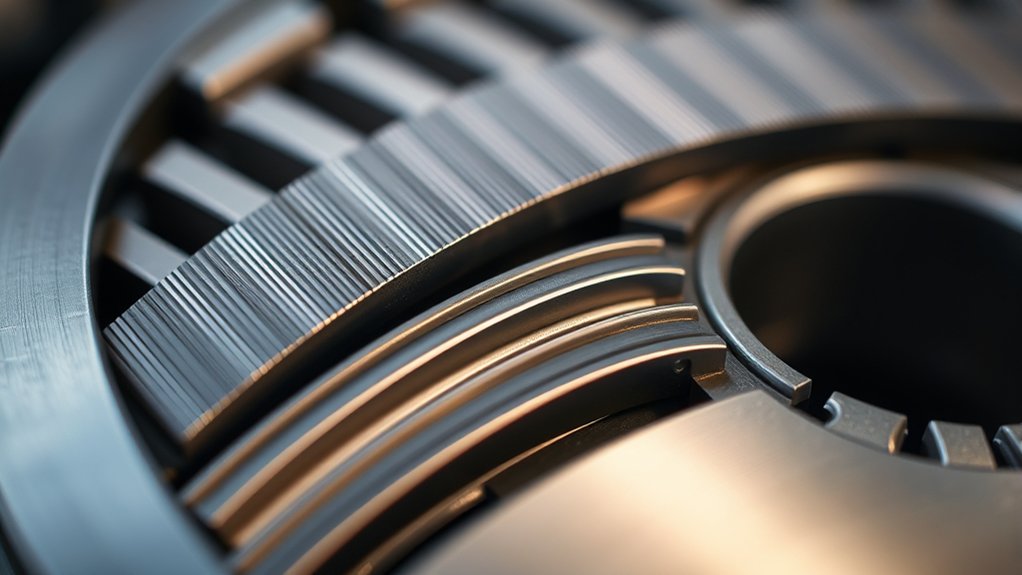
A dry clutch is a crucial component in manual transmissions, designed to transfer engine power to the transmission without the use of oil lubrication. It operates through friction materials that engage and disengage the engine from the drivetrain, enabling smooth gear changes and efficient power delivery.
Understanding how a dry clutch works can help you appreciate its role in vehicle performance and maintenance.
When you press the clutch pedal, it disengages the clutch plate from the flywheel, stopping the flow of power. This separation allows you to shift gears without grinding.
Releasing the pedal lets the pressure plate push the clutch disc back against the flywheel, reconnecting power smoothly.
This friction-based system relies on precise operation and high-quality materials to prevent slipping and wear. Keep exploring to understand how its design and your driving habits affect performance and lifespan.
Key Takeaways
- A dry clutch transfers engine power to the transmission through friction without any oil lubrication.
- Pressing the clutch pedal disengages the clutch plate from the flywheel, stopping power flow to the transmission.
- Releasing the pedal re-engages the clutch plate, allowing torque transfer by pressing the friction materials together.
- The diaphragm spring maintains consistent pressure for smooth engagement and reliable power transmission.
- Heat from friction dissipates into the air, requiring proper operation to prevent wear and maintain clutch durability.
What Is a Dry Clutch and How Does It Work?
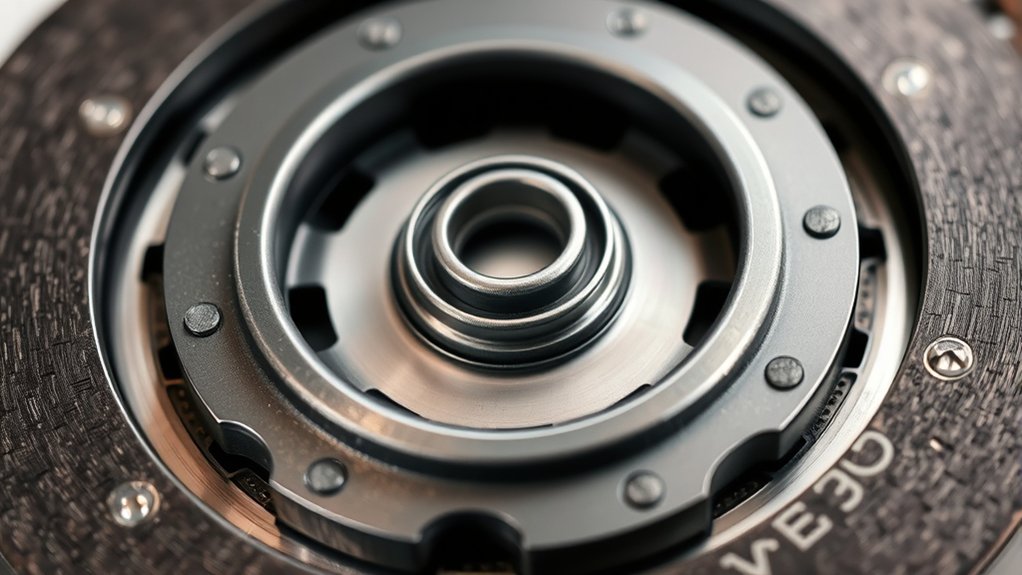
How exactly does a dry clutch work in your vehicle? A dry clutch connects and disconnects the engine’s power to the transmission without any lubrication between the contact surfaces. When you press the clutch pedal, it disengages the clutch plate from the flywheel, interrupting power flow and allowing you to shift gears smoothly.
Releasing the pedal re-engages the clutch plate, restoring power transmission. Because it operates without oil, a dry clutch relies solely on friction between the clutch plate and flywheel to transfer torque. This setup offers quicker response and less drag compared to wet clutches, which use fluid for cooling and lubrication.
You’ll find dry clutches common in motorcycles and manual transmission cars, where simplicity and direct power delivery matter most.
What Are the Main Parts of a Dry Clutch System?
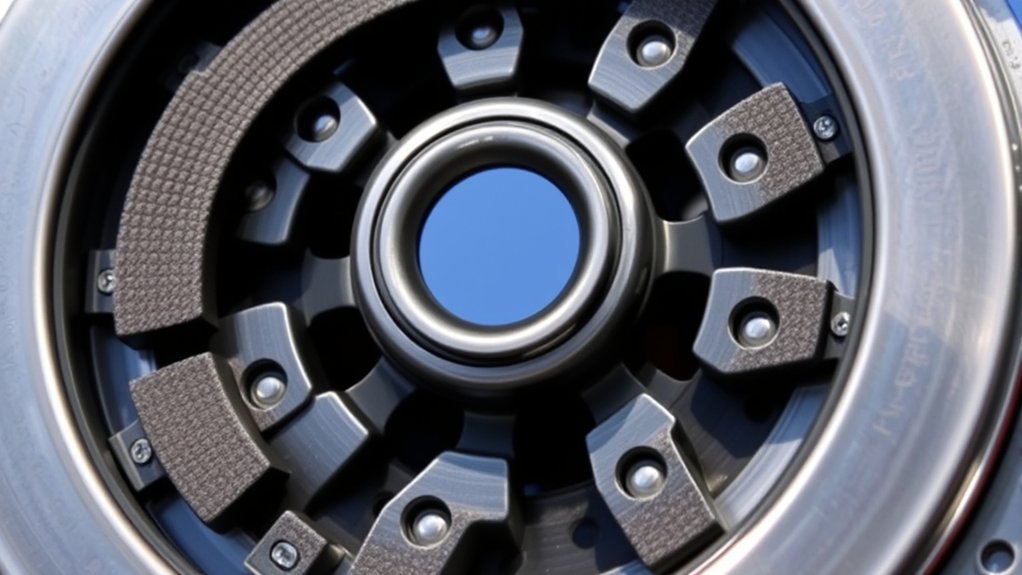
To understand how a dry clutch works, you need to know its main parts. You’ll find that the clutch plate components and pressure plate assembly play key roles in its operation.
Let’s take a closer look at what each part does.
Clutch Plate Components
Although a dry clutch system may seem simple, its effectiveness relies on several key components working together. The clutch plate itself is central—it has a friction material bonded to a metal core, providing the grip needed to transfer power from the engine to the transmission. You’ll find the friction surface designed to withstand heat and wear, guaranteeing durability.
Springs embedded in the clutch plate absorb shocks and vibrations, giving you smoother engagement. The splined hub connects the clutch plate to the transmission input shaft, allowing torque transfer while enabling slight movement. Together, these components guarantee the clutch plate can engage and disengage smoothly, handle high stress, and last through countless cycles.
Understanding these parts helps you appreciate the clutch’s role in your vehicle’s performance.
Pressure Plate Assembly
Since the pressure plate assembly plays a crucial role in engaging and disengaging the clutch, you need to understand its main parts to grasp how a dry clutch system works. The assembly applies pressure to the clutch disc, ensuring power transfer from the engine to the transmission.
Key components include the pressure plate itself, the diaphragm spring, and the release fingers. Each part plays a distinct role in controlling the clutch’s action.
| Part | Function | Material |
|---|---|---|
| Pressure Plate | Applies clamping force | Cast iron/steel |
| Diaphragm Spring | Provides spring force | Spring steel |
| Release Fingers | Disengage clutch when pressed | Hardened steel |
Understanding these parts helps you see how the assembly controls clutch engagement smoothly.
How Does a Dry Clutch Transfer Power Without Oil?
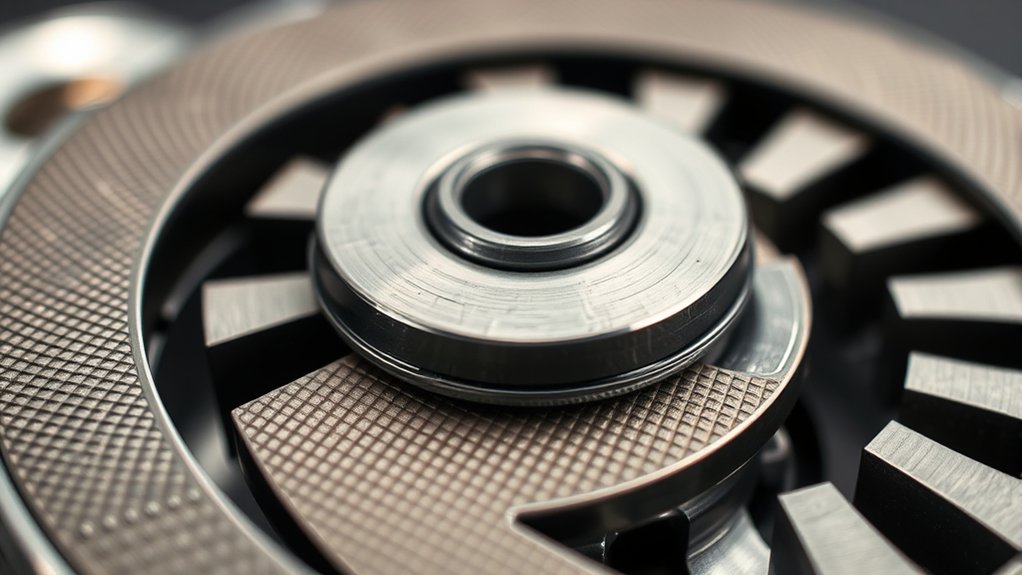
When you engage a dry clutch, it transfers power by pressing friction materials firmly together without any oil in between. This direct contact creates the necessary grip to transmit engine torque to the transmission. Unlike wet clutches that rely on oil to cool and lubricate, dry clutches depend solely on the friction between the clutch disc and pressure plate.
The friction materials have a high coefficient of friction, allowing them to grip effectively without slipping. Because there’s no oil, heat generated from the friction dissipates into the surrounding air and components, so the materials must withstand higher temperatures. This design reduces fluid drag, making dry clutches more efficient and responsive, especially in performance vehicles where quick power transfer is vital.
How Does a Dry Clutch Engage and Disengage?
You’ll see that a dry clutch engages by pressing the clutch plate firmly against the flywheel to transfer power smoothly. When you disengage, the pressure is released, allowing the plates to separate and interrupt power flow.
Let’s explore how these mechanisms work together to control your vehicle’s movement.
Engagement Mechanism Explained
Although a dry clutch might seem simple, its engagement and disengagement involve precise mechanical actions. When you press the clutch pedal, the pressure plate moves away from the clutch disc, but when you release the pedal, the pressure plate springs back, pressing the clutch disc firmly against the flywheel. This contact allows torque to transfer from the engine to the transmission smoothly.
The friction material on the clutch disc grips the flywheel’s surface tightly, guaranteeing power flows without slipping. You’ll notice the diaphragm spring plays a key role here, applying consistent force to keep the clutch engaged. This precise mechanism ensures that when you let go of the pedal, the clutch instantly connects the engine’s power to the drivetrain for smooth acceleration.
Disengagement Process Overview
The engagement mechanism guarantees power flows smoothly, but equally important is how the clutch disengages to interrupt that flow. When you press the clutch pedal, the release mechanism pushes the pressure plate away from the clutch disc, breaking the connection between the engine and transmission. This stops power transfer, allowing you to shift gears without grinding.
Here’s a quick overview:
| Step | Action |
|---|---|
| Pedal Pressed | Release bearing moves pressure plate |
| Pressure Plate Moves | Clutch disc separates from flywheel |
| Power Interrupted | Transmission input shaft stops |
Understanding this helps you grasp how smooth gear changes happen and why proper clutch maintenance is essential.
Dry Clutch vs Wet Clutch: Which Is Better?
When choosing between a dry clutch and a wet clutch, you need to take into account how each type affects performance and maintenance. Dry clutches offer a more direct connection, giving you quicker power transfer and often better fuel efficiency. They’re lighter and simpler, making them ideal if you want a responsive feel and easier access for repairs.
On the other hand, wet clutches run in oil, which cools and lubricates them, helping reduce wear and extend lifespan. This makes them better suited for heavy-duty or high-torque applications where durability matters most. Ultimately, your choice depends on what you prioritize: if you value sharp performance and lower maintenance, a dry clutch fits.
If you want longer-lasting components with smoother engagement, go for a wet clutch.
What Affects Dry Clutch Durability and Lifespan?
Choosing a dry clutch for its sharp performance means you’ll want to understand what influences its durability and lifespan. Several factors play a significant role in how long your dry clutch will last before needing replacement.
Here are key elements that affect dry clutch longevity:
- Material quality: Higher-grade friction materials resist wear better, extending clutch life.
- Operating temperature: Excessive heat from friction can degrade components faster, so cooling matters.
- Maintenance frequency: Regular inspections and timely adjustments prevent premature wear and failure.
How Does Your Driving Style Impact Dry Clutch Wear?
Since your driving style directly influences how often and how hard the clutch engages, it plays an essential role in dry clutch wear. If you frequently ride the clutch pedal or slip it during gear changes, you cause unnecessary friction that accelerates wear.
Aggressive starts and abrupt shifting also put extra stress on the clutch components, reducing their lifespan. On the other hand, smooth, deliberate clutch use minimizes heat and friction, helping the clutch last longer.
Avoid resting your foot on the pedal when not shifting, and try to engage gears fully without slipping. By adapting your driving habits to be gentler and more precise, you’ll extend your dry clutch’s durability and save on costly repairs or replacements down the road.
Common Dry Clutch Problems and How to Spot Them
Adjusting your driving habits can help extend your dry clutch’s life, but even with careful use, problems can still arise over time. Knowing how to spot these issues early can save you from costly repairs.
Watch out for these common dry clutch problems:
- Slipping clutch: Your engine revs rise without corresponding acceleration, indicating worn friction material.
- Difficulty shifting gears: If gears grind or resist engagement, the clutch may not fully disengage.
- Unusual noises: Squealing or rattling sounds when pressing the clutch pedal often signal bearing or pressure plate issues.
If you notice any of these signs, it’s best to have your clutch inspected promptly. Catching problems early helps maintain your vehicle’s performance and prevents further damage.
How to Maintain and Extend the Life of Your Dry Clutch
Although dry clutches are designed for durability, you can considerably extend their lifespan by adopting proper maintenance habits and mindful driving techniques. First, avoid riding the clutch pedal—keep your foot off it when you’re not shifting to prevent unnecessary wear. Regularly check clutch fluid levels if your system has hydraulic components, topping up as needed.
Pay attention to any unusual noises or changes in clutch feel, addressing issues promptly to prevent damage. When driving, shift smoothly and avoid aggressive starts or abrupt gear changes. Lastly, schedule routine inspections with a mechanic to catch problems early.
Frequently Asked Questions
What Vehicles Commonly Use Dry Clutches?
You’ll commonly find dry clutches in motorcycles, race cars, and some manual transmission vehicles. They’re favored for their simplicity and reliability, especially where quick engagement and minimal maintenance are important to you.
Can a Dry Clutch Be Used in Electric Vehicles?
Imagine shifting gears like clicking a light switch—yes, you can use a dry clutch in electric vehicles, but since EVs often don’t need multi-speed gearboxes, dry clutches are rare.
They are mainly found in performance or hybrid models.
How Does Temperature Affect Dry Clutch Performance?
You’ll find dry clutch performance drops as temperature rises; heat can cause slipping and wear. If it gets too hot, friction material degrades, reducing grip and efficiency, so managing heat is essential for reliability and longevity.
Are Dry Clutches More Expensive to Repair?
Yes, dry clutches tend to be more expensive to repair because their components wear out faster and require precise adjustments.
You’ll often pay more for parts and labor compared to wet clutches, especially in performance vehicles.
What Materials Are Used in Dry Clutch Friction Plates?
Think of dry clutch friction plates as the handshake between power and control—they’re made from carbon composites, ceramic, or sintered metals. You’ll find these materials resist heat and wear, ensuring smooth, durable engagement every time you drive.
Conclusion
Now that you know how a dry clutch works, you can think of it as the silent conductor of your vehicle’s power, smoothly orchestrating every gear change without the splash of oil.
By understanding its parts and how your driving style affects its lifespan, you’ll keep it humming like a well-tuned instrument. Treat it with care, spot issues early, and maintain it well.
Your dry clutch will reward you with reliable performance and durability for miles to come. Proper maintenance and attentive driving are key to extending the dry clutch lifespan and ensuring optimal vehicle performance.

