

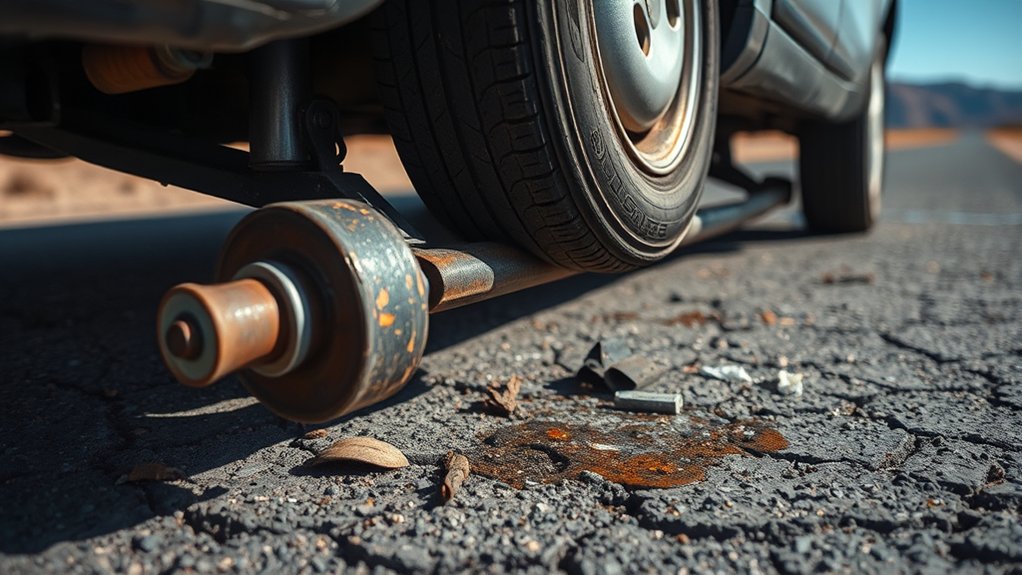
You shouldn’t drive with a broken axle because it can cause loss of control, steering problems, and even wheel detachment, putting you at serious risk of accidents. A broken axle can severely affect your vehicle’s stability and safety, making it dangerous to continue driving.
Driving on a damaged axle can also lead to more damage and a total breakdown.
If you notice noises, vibrations, or handling issues, stop safely and get professional help immediately.
Understanding how a broken axle affects your vehicle and what to do next can help keep you safe and protect your car.
Taking prompt action can prevent costly repairs and ensure your vehicle remains reliable.
Key Takeaways
- Driving with a broken axle is unsafe and can cause loss of control or wheel detachment, increasing accident risk.
- A broken axle leads to unstable handling, vibrations, and steering difficulties, making driving hazardous.
- Visible signs like noises, vibrations, or grease leaks indicate axle damage requiring immediate attention.
- If an axle breaks, stop driving immediately and seek professional repair to avoid further damage or accidents.
- Regular maintenance and prompt repairs prevent axle failure and ensure safe vehicle operation.
Is It Safe to Drive With a Broken Axle?
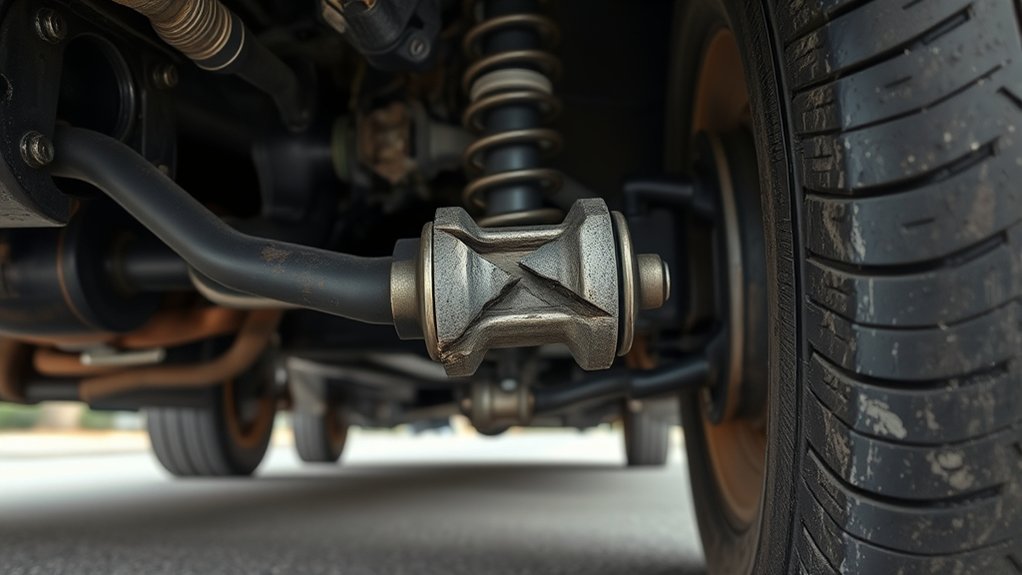
A broken axle is a serious issue, and you shouldn’t drive your vehicle if you suspect one. When an axle breaks, it compromises the connection between your wheels and the engine’s power. Trying to drive with a damaged axle can lead to loss of control, making it dangerous for you and others on the road.
Even if your car seems to move, the broken part can cause further damage to your transmission or tires. You might notice strange noises, vibrations, or difficulty steering—these signs mean you need to stop driving immediately. Instead of risking an accident or worsening the problem, have your vehicle inspected and repaired by a professional mechanic as soon as possible.
Your safety depends on it.
What a Broken Axle Means for Your Car’s Safety and Performance
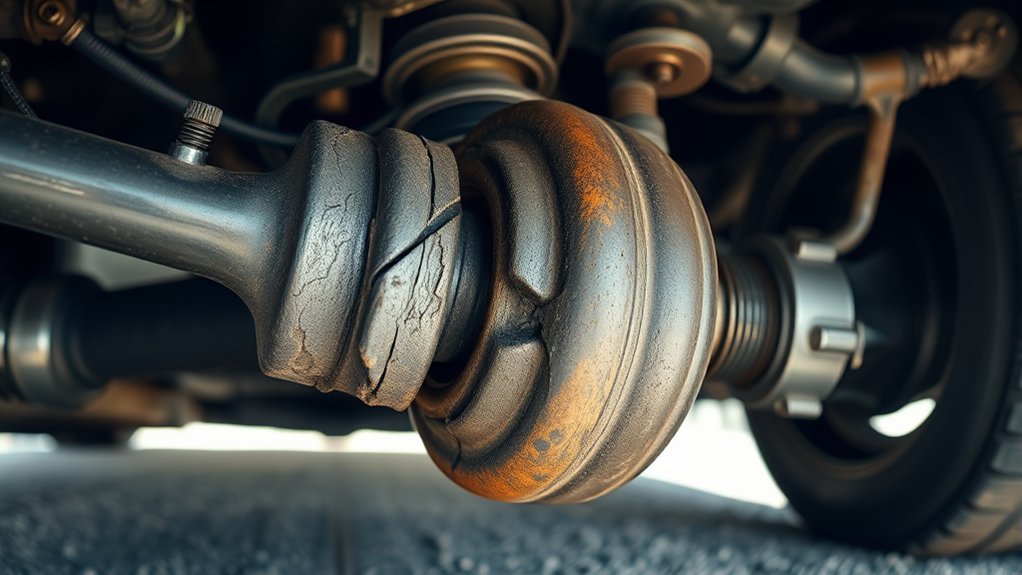
When your axle breaks, your car’s safety and performance take an immediate hit. You’ll notice reduced control, uneven power delivery, and increased risk of accidents. A broken axle compromises your ability to steer and maintain stability, especially in turns or on rough roads.
Your car may also produce strange noises or vibrations, signaling mechanical failure. Ignoring a broken axle can lead to further damage and costly repairs.
| Aspect | Effect on Safety | Effect on Performance |
|---|---|---|
| Steering Control | Loss of precision | Difficult to maneuver |
| Stability | Increased risk of slips | Unstable driving |
| Power Delivery | Uneven or lost power | Jerky acceleration |
| Noise & Vibration | Distracting and alarming | Harsh driving experience |
| Risk of Breakdown | High | Vehicle may stop moving |
Signs Your Axle Might Be Failing or Broken
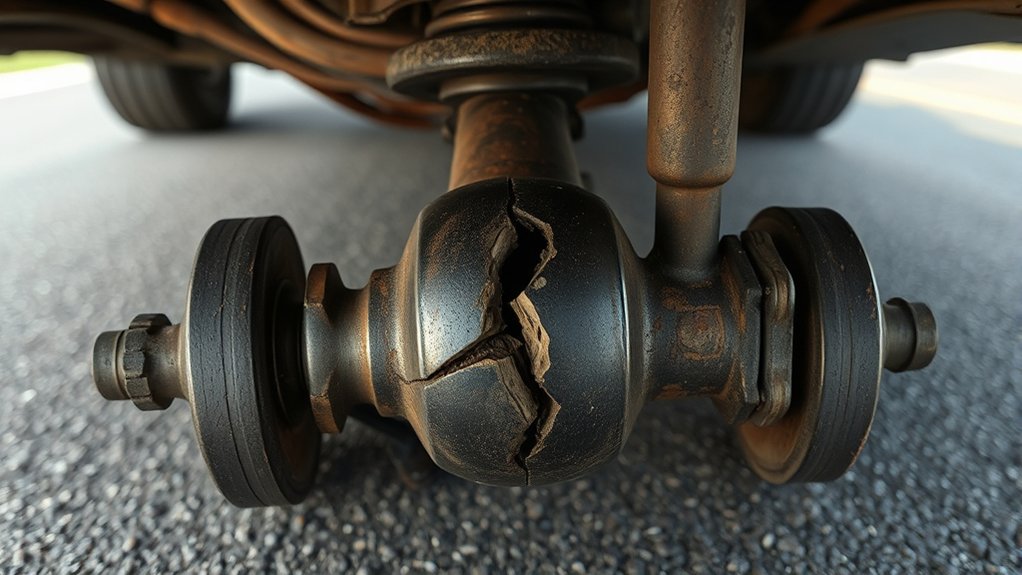
You might notice unusual noises like clicking or clunking when your axle is failing. Pay attention to any visible damage or excessive vibration while driving. These signs can indicate your axle needs immediate attention.
Unusual Noises While Driving
If your car starts making unusual noises while driving, especially clicking, clunking, or grinding sounds, it could be a clear sign that your axle is failing or broken. These noises often worsen when you turn or accelerate, indicating stress on the axle components. Clicking sounds usually point to a damaged CV joint, part of the axle assembly.
Clunking noises might mean the axle is loose or worn out, while grinding suggests metal parts rubbing together without proper lubrication. Ignoring these sounds can lead to more severe damage or even axle failure, compromising your safety on the road. If you hear any of these noises, it’s essential to have your vehicle inspected immediately to prevent further issues and avoid dangerous driving conditions.
Visible Damage Or Vibration
Unusual noises often come hand in hand with visible signs of axle trouble that you shouldn’t ignore. If you see grease splattered around your wheel area or notice a cracked or bent axle shaft, it’s a clear warning that your axle might be failing. You might also feel a strong vibration or shudder through your steering wheel or floorboard, especially during acceleration or turns.
These vibrations usually mean the axle is out of balance or damaged. Ignoring these signs can lead to more serious damage or a complete axle failure, which can be dangerous while driving. If you spot visible damage or experience unusual vibrations, get your vehicle inspected immediately to avoid further risks or costly repairs.
Dangers of Driving With a Broken Axle
A broken axle poses serious risks that can quickly turn a routine drive into a dangerous situation. When an axle breaks, your vehicle loses the ability to transfer power effectively to the wheels, causing sudden loss of control. You might experience severe vibrations, pulling to one side, or difficulty steering, increasing the chance of an accident.
The broken axle can also cause additional damage to the transmission, differential, or suspension components, leading to costly repairs. Driving with a compromised axle puts you, your passengers, and others on the road at significant risk. Ignoring these dangers only raises the likelihood of a breakdown or collision, so it’s essential to recognize the severity of the issue and take it seriously before you get behind the wheel again.
What to Do Immediately If You Suspect Axle Damage
When you suspect axle damage, stop driving immediately to prevent further harm to your vehicle and reduce safety risks. Pull over safely to the side of the road and turn on your hazard lights. Avoid sudden acceleration or turning, as these actions can worsen the damage.
Next, inspect your vehicle visually if it’s safe. Look for signs like uneven tire wear, leaking grease, or unusual noises. If you’re unsure or the damage seems severe, call roadside assistance or a tow service to avoid causing more harm or risking an accident.
| Immediate Action | Reason |
|---|---|
| Stop driving | Prevents further damage |
| Use hazard lights | Alerts other drivers |
| Call for professional help | Ensures safe vehicle handling |
How Mechanics Find and Fix Broken Axles
Because broken axles can cause serious safety issues and vehicle damage, mechanics start by thoroughly inspecting your car’s drivetrain and suspension components. They look for visible signs like leaking grease, torn CV boots, or clicking noises during turns. Using a lift, they spin the wheels to detect unusual play or vibration.
If needed, they perform a road test to confirm symptoms. Once they pinpoint the broken axle, they remove the damaged part by detaching the wheel, brake assembly, and sometimes the driveshaft. The mechanic then installs a new or rebuilt axle, ensuring it fits correctly and functions smoothly.
After reassembly, they test drive your vehicle to verify the repair restored safe handling and eliminated noise or vibration issues.
How Much Does Axle Repair Cost and How Long Does It Take?
After mechanics identify and replace a broken axle, you’re probably keen to know how much the repair will set you back and how long it’ll take to get your car back on the road. Typically, axle repair costs range between $300 and $800, depending on your vehicle’s make and model, the axle’s location, and labor rates. If you have a luxury or all-wheel-drive vehicle, expect higher costs.
As for time, most axle replacements take about 2 to 4 hours in a professional shop. Some repairs might take longer if additional damage is found or parts need ordering. Planning ahead with your mechanic can help you understand the exact costs and timeline for your specific situation, so you won’t be caught off guard.
How a Broken Axle Impacts Driving Control
When your axle breaks, you’ll notice your steering stability takes a hit, making it harder to keep control. This directly affects how your vehicle handles, especially at higher speeds or sharp turns.
Ignoring these issues raises your risk of accidents considerably.
Steering Stability Challenges
Although a broken axle might seem like a minor issue, it can drastically affect your steering stability. When the axle is damaged, it disrupts the connection between your wheels and the drivetrain, causing uneven power distribution. You’ll likely notice your steering wheel pulling to one side or sudden vibrations that make controlling the vehicle difficult.
This instability makes precise steering inputs harder to maintain, increasing the risk of veering off course. You might also experience delayed or unpredictable responses when turning, which can be dangerous, especially at higher speeds or during emergency maneuvers. Because the axle supports the wheels’ rotation, any breakage compromises your ability to keep the vehicle steady and aligned,
so addressing axle issues promptly is essential for safe steering control.
Impact on Vehicle Handling
Because a broken axle directly affects how power reaches your wheels, it considerably changes your vehicle’s handling. You’ll notice uneven power distribution, making your car pull to one side or struggle to accelerate smoothly. This imbalance forces you to constantly adjust the steering wheel to maintain a straight path, which can be tiring and unsafe.
Additionally, your suspension may respond unpredictably due to the compromised axle, reducing your ability to control the car on uneven or slippery surfaces. You might also experience vibrations or noises that distract you from focusing entirely on the road.
Increased Risk of Accidents
How does a broken axle increase your chances of an accident? When your axle fails, you lose critical control over your vehicle’s movement, making driving dangerous. Here’s how it puts you at risk:
- Sudden Loss of Steering Control – You might not be able to steer properly, leading to unexpected swerves.
- Wheel Detachment – The wheel could come off, causing you to lose balance completely.
- Unstable Vehicle Handling – Your car may pull to one side, increasing the likelihood of collisions.
- Brake Malfunction – A broken axle can affect your braking system, making it harder to stop quickly.
Ignoring these risks could lead to severe accidents. Don’t take chances—get your axle repaired immediately to keep yourself and others safe.
Tips to Prevent Axle Damage and Extend Its Life
To keep your axle in good condition and avoid costly repairs, you should adopt regular maintenance habits and mindful driving techniques. First, check your tires regularly to verify they’re properly inflated and aligned, as uneven wear stresses the axle. Avoid overloading your vehicle beyond its weight capacity, which can strain the axle and other components.
When driving, steer clear of potholes, rough roads, and sudden impacts that can cause damage. Schedule routine inspections with a mechanic to spot early signs of wear or damage. Finally, replace worn-out suspension parts promptly to reduce stress on the axle.
Frequently Asked Questions
Can a Broken Axle Cause Uneven Tire Wear?
Yes, a broken axle can cause uneven tire wear because it disrupts your vehicle’s alignment and balance. You’ll notice tires wearing faster on one side, which can lead to handling problems and unsafe driving conditions.
Are Certain Car Models More Prone to Axle Failure?
Think of your car like a chessboard; some models have weaker pawns—older or high-mileage vehicles—making axles more prone to failure.
You’ll want to check your model’s history to avoid unexpected breakdowns.
Does a Broken Axle Affect Fuel Efficiency?
Yes, a broken axle can lower your fuel efficiency because it creates extra drag and uneven power distribution. You’ll use more fuel trying to maintain speed, so fixing it promptly helps you save money and avoid further damage.
Can a Broken Axle Trigger Dashboard Warning Lights?
If your dashboard suddenly lights up like a Christmas tree, a broken axle could be the culprit.
You’ll definitely see warning lights because the system detects wheel speed or traction issues caused by the damaged axle.
Is It Possible to Temporarily Fix an Axle at Home?
You can temporarily fix an axle at home using a strong metal brace or welding, but it’s risky and not reliable. It’s best to get professional repairs immediately to avoid further damage or safety hazards.
Conclusion
You definitely don’t want to drive with a broken axle—it’s like trying to run a marathon with one leg tied behind your back! Not only does it put your safety at serious risk, but it also wrecks your car’s performance and control.
If you spot signs of axle trouble, get it checked immediately. Taking quick action can save you from costly repairs and keep you safely on the road.
Don’t wait—your car and your life depend on it! Remember, driving with a broken axle is dangerous and can lead to severe damage. Always prioritize safety and vehicle maintenance to avoid such risks.

