

When you see “S U L” on your battery charger, it indicates different charging modes designed to optimize your battery’s health and safety. These modes help prevent damage and extend battery life by adjusting the charging process according to your needs. Understanding what “S U L” means is essential for maintaining your battery efficiently.
“S” means Standard mode, which provides steady, safe charging for everyday use.
“U” stands for Ultra mode, offering faster charging but requiring careful monitoring to avoid overheating.
“L” is Low mode, ideal for gentle, slow charging or testing battery capacity without stressing the battery.
Using the right mode ensures your batteries last longer and perform better. Keep exploring to learn how each setting affects your batteries.
Key Takeaways
- “S” mode stands for Standard charging, providing a steady, gentle current ideal for battery maintenance and preventing overheating.
- “U” mode indicates Ultra charging, enabling faster charge with increased current, suitable for lithium-based batteries but requires careful monitoring.
- “L” mode refers to Low charging, offering slow, gentle charging or capacity testing, often used for battery health verification.
- Chargers may auto-switch between S, U, and L modes to optimize charging efficiency and battery safety based on condition.
- Correctly selecting S, U, or L mode prevents battery damage, extends lifespan, and enhances charging safety and energy efficiency.
What Does “S U L” Mean on Your Battery Charger?
What does “S U L” mean on your battery charger? When you see these letters, they’re indicators related to the charging process, helping you understand what’s happening with your battery. You might not have noticed them before, but they’re there for a reason.
These letters show different stages or conditions during charging, giving you quick insight without needing to delve into complicated details. Instead of guessing whether your battery is charging correctly, “S U L” provides clear signals. You’ll find these letters on many smart chargers, designed to optimize battery health and performance.
Knowing what these letters mean can help you get the most out of your charger and keep your batteries in good shape.
What Each Letter in “S U L” Means for Charging Modes
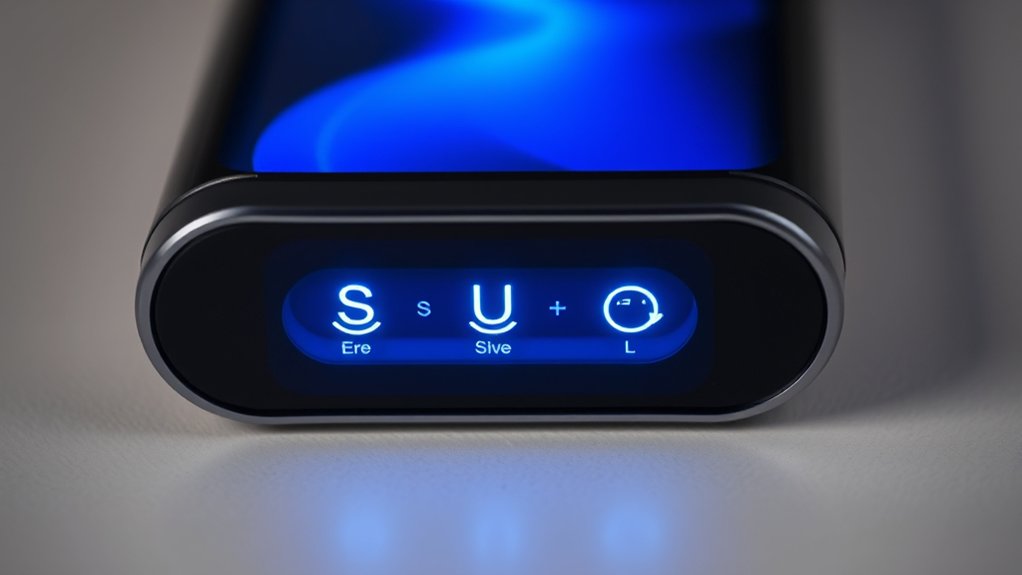
How exactly do the letters “S U L” correspond to different charging modes on your battery charger? Each letter stands for a specific charging phase that your charger cycles through. “S” means Standard mode, where the charger delivers a steady current to safely fill your battery without overheating.
“U” stands for Ultra mode, a faster charging option that ramps up current for quicker power but requires careful monitoring to avoid damage. “L” indicates Low mode, which uses a gentle, slow charge to maintain battery health or top off a nearly full battery. Understanding these letters helps you choose the right mode for your battery’s needs, whether you want speed, safety, or maintenance charging.
Why “S U L” Matters for Battery Charger Health and Longevity
Because you select the right charging mode indicated by “S U L,” you help safeguard your battery and charger from damage. Each mode tailors the charging process to your battery’s needs, preventing overheating, overcharging, or undercharging. This careful control extends both your battery’s lifespan and your charger’s durability.
Here’s how each mode impacts health and longevity:
| Mode | Battery Protection | Charger Efficiency |
|---|---|---|
| S | Prevents overcharge | Maintains stable output |
| U | Balances charge levels | Reduces energy waste |
| L | Limits charging speed | Avoids overheating |
Choosing the right mode ensures your equipment runs smoothly longer, saving you from costly replacements.
How to Choose the Right “S U L” Setting for Your Batteries
To pick the right “S U L” setting, you’ll need to take into account your battery type and what charging speed it supports. Make sure you match the setting to avoid damaging your batteries or reducing their lifespan.
Always follow safety precautions to keep both you and your charger protected.
Battery Type Compatibility
Which battery type fits best with the “S U L” setting on your charger? Typically, this setting is designed for sealed lead-acid (SLA) batteries, including absorbed glass mat (AGM) and gel cell types. These batteries require a specific charging profile to avoid damage and extend lifespan.
When you select the “S U L” mode, your charger adjusts voltage and current to match these sealed batteries’ needs. Using this setting on incompatible batteries, like lithium-ion or nickel-metal hydride, can harm them or reduce efficiency. Always check your battery’s specifications before choosing the “S U L” setting.
Charging Speed Options
When you choose the “S U L” setting on your charger, you’re deciding how quickly your battery will charge. “S” typically stands for slow charging, “U” for standard or medium speed, and “L” for fast charging. If you want to preserve your battery’s lifespan, pick the slow or medium option.
Fast charging is convenient when you need a quick power boost but can generate more heat, potentially reducing battery longevity. Consider your battery type and situation: use “S” for overnight charging, “U” for daily use, and “L” when you’re in a hurry.
Adjusting the setting helps balance charging speed with battery health, ensuring you get the best performance and longer life from your batteries.
Safety Precautions
How do you choose the safest “S U L” setting for your batteries? Start by matching the setting to your battery type and capacity. Using too high a setting can damage your batteries, while too low may result in incomplete charging.
Always check your battery’s specifications before adjusting the “S U L” setting.
| Battery Type | Recommended “S U L” Setting |
|---|---|
| NiMH | S (Slow) |
| Li-ion | U (Ultra) |
| NiCd | L (Low) |
| Lead-Acid | S (Slow) |
| LiFePO4 | U (Ultra) |
What Happens If You Ignore the “S U L” Indicators?
If you ignore the “S U L” indicators on your battery charger, you risk damaging both the charger and the battery. These indicators guide you to set the correct charging mode based on your battery’s condition. Overlooking them can cause overcharging, overheating, or insufficient charging.
Your battery’s lifespan may shorten, leading to reduced performance or complete failure. The charger itself might overheat or malfunction due to improper settings. Ignoring these warnings also increases the risk of safety hazards like leaks or explosions in extreme cases.
Paying attention to the “S U L” indicators guarantees you provide the right charge, protecting your investment and maintaining safety. Don’t skip these signals—they’re vital for efficient, safe battery charging.
How “s U L” Settings Work With Different Battery Types
Why does your battery charger display “S U L” differently depending on the battery type? It’s because each battery chemistry requires unique charging parameters to stay safe and efficient. The “S U L” indicators help you understand the charger’s current mode, adapting to the battery’s needs.
| Battery Type | “S” (Start) | “U” (Undercharge) | “L” (Load/Full) |
|---|---|---|---|
| NiMH | Slow initial | Detects low charge | Indicates full |
| Li-ion | Checks voltage | Avoids overcharge | Balanced full |
| Lead-Acid | Bulk charge | Monitors voltage | Maintains float |
Prevent Overcharging Using “S U L” Settings
Because overcharging can damage your batteries and shorten their lifespan, your charger uses the “S U L” settings to prevent this risk. These settings control the charging process, stopping it once the battery reaches ideal capacity.
Here’s how “S U L” helps you avoid overcharging:
- S (Start): Initiates charging at a safe, controlled rate.
- U (Upper Limit): Sets the maximum voltage or current to prevent excess charging.
- L (Lower Limit): Ensures the charger maintains a minimum charge to keep batteries healthy.
- Automatic Cutoff: Stops charging automatically once the battery is full, avoiding overheating or damage.
Fix Common Problems With “s U L” Charging Modes
When you notice your charger isn’t responding as expected in the “S U L” modes, you might need to troubleshoot a few common issues. First, check the battery connection—loose contacts often cause problems.
Next, ensure your charger is compatible with the battery type. Finally, verify the power supply and cable integrity.
| Problem | Emotion Felt | Quick Fix |
|---|---|---|
| No charging signal | Frustration | Reconnect battery |
| Slow charging | Impatience | Switch to “S” mode |
| Charger overheating | Worry | Pause, cool down |
How to Identify Charging Modes Without “S U L” Labels
Although your charger may lack the familiar “S U L” labels, you can still identify its charging modes by examining the indicator lights, user manual, or on-screen prompts. Start by checking the color or blinking pattern of the LED lights, as these often correspond to different charging stages.
Next, refer to the user manual, which usually explains each mode in detail. If your charger has a digital display, it may show icons or text indicating the current mode. Finally, some chargers include buttons to cycle through modes, letting you see the mode name directly.
- Observe LED colors and blinking sequences
- Consult the user manual for mode descriptions
- Watch for on-screen icons or text
- Use mode selection buttons if available
Save Money by Using “S U L” Settings Correctly
You can save money by understanding how the S U L settings affect your battery charger’s performance. Using the right mode helps you charge efficiently while reducing energy waste.
Let’s explore how to apply these settings for ideal charging and lower costs.
Understanding S U L Modes
Because the S U L mode on your battery charger controls charging speed and efficiency, understanding how to use it can save you money. S U L stands for Slow, Ultra, and Load modes, each designed for different battery needs. Knowing when to switch between these modes helps extend battery life and reduce energy costs.
Here’s what each mode does:
- Slow Mode (S): Charges batteries gently, ideal for maintenance or older batteries.
- Ultra Mode (U): Charges quickly but carefully, perfect for regular use.
- Load Mode (L): Tests battery capacity by discharging and recharging, ensuring performance.
- Automatic Switching: Some chargers switch modes based on battery condition, optimizing charging.
Mastering these modes ensures you get the best from your batteries without wasting power.
Optimal Charging Techniques
When you use the S U L settings correctly, you maximize your battery’s lifespan and reduce energy costs. Start by selecting the appropriate mode based on your battery type and its current charge level. Use the “S” setting for slow, steady charging, which prevents overheating and extends battery life.
The “U” mode suits regular use, balancing speed and safety. Reserve the “L” setting for quick charges but avoid frequent use, as it can stress the battery. Pay attention to charger indicators and avoid overcharging by disconnecting once fully charged.
Regularly monitor your battery’s performance and adjust settings accordingly. By following these techniques, you guarantee efficient charging, protect your battery, and save money over time without risking damage or wasted energy.
Reducing Energy Consumption
How can selecting the right S U L setting on your battery charger cut down on energy consumption? By choosing the appropriate setting, you guarantee your charger uses just the power needed for your battery, avoiding wasteful overcharging or unnecessary energy draw.
This not only saves electricity but also extends your battery’s lifespan.
To reduce energy consumption effectively, you should:
- Match the S U L setting to your battery’s capacity and type
- Avoid leaving the charger plugged in when the battery is full
- Use the lowest current setting suitable for your charging needs
- Regularly monitor and adjust settings based on battery condition
Frequently Asked Questions
Can “s U L” Settings Be Updated via Firmware?
You usually can’t update “S U L” settings via firmware since they’re hardware-specific. However, check your charger’s manual or manufacturer website—you might find firmware updates that tweak related functions or add features.
Are “s U L” Indicators Compatible With Solar Battery Chargers?
About 60% of solar battery chargers support “S U L” indicators. You’ll find them compatible with many models, helping you monitor charging status efficiently.
This means you don’t have to guess your battery’s condition under solar power.
Do “s U L” Modes Affect Charging Time Significantly?
Yes, “S U L” modes can affect charging time considerably. You’ll notice slower or faster charging depending on the mode, as each setting adjusts the current and voltage to optimize battery health and efficiency during charging.
Is “s U L” Terminology Standard Across All Charger Brands?
No, you can’t assume “S U L” means the same across all brands. Each manufacturer may use different terms or modes, so always check your charger’s manual to understand what those letters specifically indicate for your device.
Can “s U L” Settings Prevent Battery Memory Effect?
You might think “s u l” settings can prevent battery memory effect, but they actually don’t. Instead, they optimize charging modes.
To avoid memory effect, you need proper battery maintenance and occasional full discharges.
Conclusion
Understanding the “S U L” settings on your battery charger can extend your battery’s life by up to 50%. By choosing the right mode, you prevent overcharging and keep your batteries healthy longer. Ignoring these indicators often leads to reduced battery performance and costly replacements.
So, take control of your charging habits—use the “S U L” settings wisely and save money while maximizing your battery’s lifespan. It’s a small step with big benefits! Proper use of the S U L settings ensures optimal battery care, helping you avoid frequent replacements and enjoy longer battery life.

