

You should use low gear when you need extra power and control, especially in situations like climbing or descending steep hills, towing heavy loads, or driving on slippery roads to maintain traction.
Low gear provides better engine braking, which helps protect your brakes and prevents them from overheating. It also reduces engine strain during stop-and-go traffic, improving overall vehicle stability.
Using low gear prevents stalling or sudden shifts by giving you more precise control over your vehicle’s speed. This is particularly useful in challenging driving conditions where maintaining steady momentum is crucial.
Keep these tips in mind to handle difficult terrain and traffic more confidently and safely.
Key Takeaways
- Use low gear for increased power and control during steep climbs or descents.
- Engage low gear when towing heavy loads to maintain stability and reduce engine strain.
- Shift to low gear on slippery roads to improve traction and prevent wheel spin.
- Employ low gear in stop-and-go traffic for smoother acceleration and better control.
- Return to higher gears when the road levels out or engine speed stabilizes for fuel efficiency.
How to Use Low Gear: The Basics You Need to Know
When should you use low gear, and why is it important? You use low gear to give your vehicle more power and control at lower speeds. It’s essential when you need better torque to get moving or maintain steady speed without straining the engine.
To use low gear, shift your transmission into the “L” or the lowest numbered gear, depending on your vehicle. Avoid high speeds while in low gear because it can overwork the engine. You’ll notice the engine sounds louder and revs higher, which is normal.
Using low gear helps you prevent stalling and reduces wear on brakes by using engine braking. Remember, low gear isn’t for regular driving; it’s a tool for specific situations that require extra control or power.
When to Use Low Gear for Steep Descents and Climbs
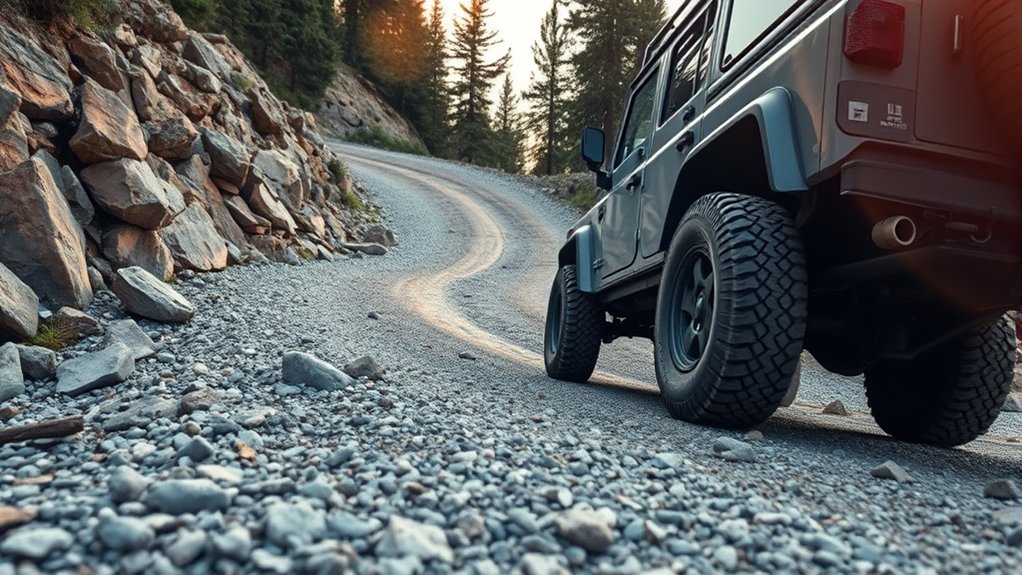
If you’re tackling steep climbs or descents, shifting into low gear gives you greater control and prevents your engine from overworking. When climbing, low gear provides the extra torque you need to power up without straining your engine. It helps maintain a steady speed, reducing the chance of stalling or losing momentum.
On steep descents, low gear acts as an engine brake, slowing your vehicle naturally and easing the strain on your brakes. This prevents overheating and brake fade, keeping you safer on long downhill stretches. Use low gear before you start descending or climbing so you avoid sudden shifts that can destabilize your vehicle.
How Low Gear Helps You Tow Heavy Loads Safely
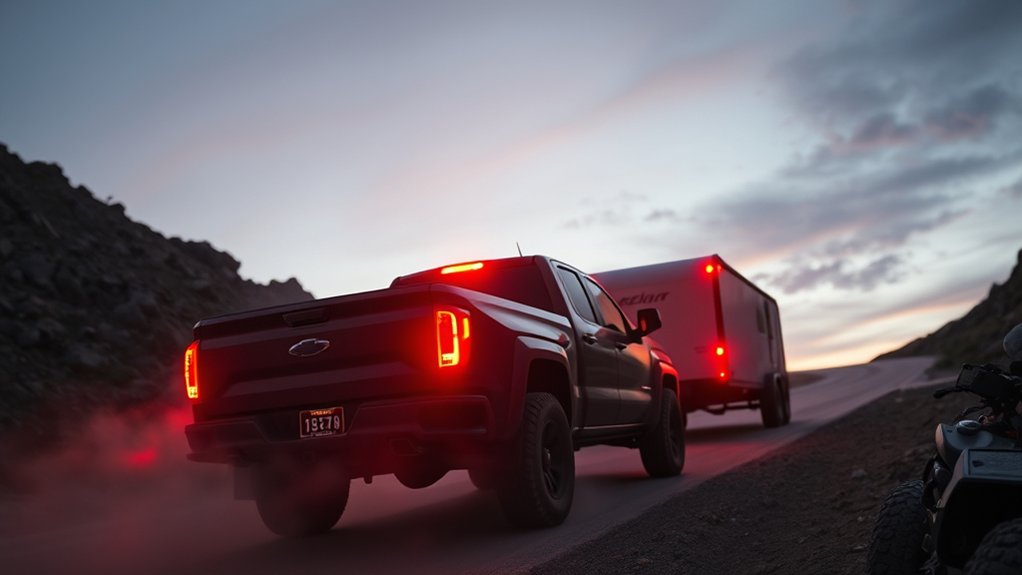
Controlling your vehicle on steep terrain is just one way low gear keeps you safe. When you tow heavy loads, low gear helps you maintain a steady speed without overworking your engine or brakes. It provides increased torque, which means your vehicle can pull the load more efficiently, especially when starting from a stop or climbing hills.
Using low gear also reduces the risk of your brakes overheating since you rely more on engine braking to control your speed. This gives you better control, preventing the trailer from pushing or swaying unexpectedly. By shifting into low gear when towing heavy loads, you guarantee smoother acceleration, improved stability, and safer handling, keeping both you and your cargo secure on the road.
Using Low Gear for Better Control on Slippery Roads
Although slippery roads can make driving unpredictable, using low gear gives you greater control and stability. When you shift into low gear, your engine sends power more gradually, reducing wheel spin and helping you maintain traction on ice or wet surfaces. This controlled power delivery prevents sudden acceleration that could cause skidding.
Low gear also enhances engine braking, allowing you to slow down smoothly without relying solely on your brakes, which can lock your wheels on slick roads. By keeping your speed steady and minimizing abrupt movements, low gear helps you steer confidently through slippery conditions. Remember, combining low gear with gentle steering and braking inputs maximizes your safety and control when the road gets slick.
When to Shift Into Low Gear in Stop-and-Go Traffic
When should you shift into low gear during stop-and-go traffic? You’ll want to switch to low gear when you anticipate frequent stops or slow speeds, such as in heavy congestion or construction zones. Low gear helps you maintain better control without constantly riding the brake, which can cause fatigue and reduce responsiveness.
It also prevents your engine from laboring in higher gears at low speeds. Shift down as traffic slows to keep your vehicle steady and ready to move smoothly without stalling. However, avoid staying in low gear too long when speeds pick up, as it can strain the engine.
Use low gear strategically to enhance control and reduce the stress of frequent stopping and starting.
How Low Gear Protects Your Brakes From Wear
Using low gear lets your engine help slow the vehicle, so you don’t have to rely solely on your brakes. This engine braking reduces heat buildup, which can wear down brake components faster.
Engine Braking Benefits
Why rely solely on your brakes when descending steep hills or slowing down? Using low gear activates engine braking, which helps control your speed without wearing out your brake pads. When you downshift, the engine’s resistance naturally slows your vehicle, reducing the need to press the brake pedal continuously.
This means your brakes stay cooler and last longer. Engine braking also gives you smoother, more controlled deceleration, especially on slippery or uneven roads. It’s a smart way to maintain better control and avoid sudden stops.
Reducing Brake Heat
How does shifting into low gear help keep your brakes cool? When you use low gear, your engine takes on more of the work needed to slow your vehicle down, so you don’t have to rely as much on your brakes. This reduces the friction your brakes generate, which directly cuts down on heat buildup.
Since excessive brake heat can lead to brake fade and reduced stopping power, using low gear helps prevent these risks by keeping the brakes from overheating. Especially on long descents or steep hills, shifting into low gear lets your engine absorb energy, protecting your brakes from getting too hot.
This simple technique not only improves safety but ensures your brakes stay more effective during demanding driving conditions.
Prolonging Brake Lifespan
Shifting into low gear doesn’t just keep your brakes cool—it also helps reduce wear and tear. When you rely less on your brakes to slow down, you prevent the brake pads and rotors from wearing out prematurely. This means fewer repairs and replacements, saving you money and hassle in the long run.
Using low gear is especially useful on long descents or in stop-and-go traffic, where constant braking can quickly degrade your braking system. By letting the engine handle the slowing, you extend the life of your brakes and maintain better vehicle control.
Signs It’s Time to Shift Back to Higher Gears
Once you’ve tackled steep climbs or rough terrain in low gear, you’ll want to recognize when it’s time to switch back to higher gears. Shifting too late can waste fuel and strain your engine, so stay alert for these signs:
After steep climbs, watch for signs to shift up and keep your engine running smoothly.
- Your engine speed drops while you maintain speed comfortably.
- The road levels out or starts to descend gently.
- You feel the vehicle struggling less and can accelerate smoothly.
- Fuel efficiency improves as you increase your gear.
When these signs appear, shifting up helps your engine run efficiently and reduces wear. Don’t hesitate to move to a higher gear once the challenging section ends.
This keeps your ride smooth and your vehicle performing at its best.
Frequently Asked Questions
Can Low Gear Improve Fuel Efficiency?
Low gear usually won’t improve your fuel efficiency because it makes your engine work harder. You’ll save fuel better by using higher gears and keeping steady speeds instead of relying on low gear for power.
Is Low Gear Suitable for Automatic Transmissions?
Yes, you can use low gear in automatic transmissions, especially for climbing hills or towing. It helps control speed and engine power, but don’t leave it engaged too long to avoid overheating or excessive fuel use.
How Does Low Gear Affect Engine Temperature?
Low gear’s like a gentle campfire, warming your engine without scorching it. It raises engine temperature by making the engine work harder at lower speeds, helping maintain heat but avoiding overheating when used properly.
Can Using Low Gear Cause Engine Damage?
No, using low gear properly won’t cause engine damage. In fact, it helps control speed and reduces brake wear.
Just avoid over-revving or prolonged use at high RPMs, which can strain the engine.
Does Low Gear Impact Tire Wear?
Using low gear doesn’t directly increase tire wear, but improper use can. Studies show aggressive driving raises tire wear by 20%.
Conclusion
Think of low gear as your trusty hiking stick on a steep trail—it steadies you when the path gets tough. Just like that stick helps you grip and balance, low gear gives your vehicle the control and power it needs on tricky climbs, slippery roads, or heavy loads.
Use it wisely, and you’ll protect your brakes and keep your ride smooth. When the road levels out, shift back up and keep moving forward with confidence.
Knowing when to use low gear is essential for safe driving. By mastering these tips for when to use low gear, you can maintain better control, prevent wear on your vehicle, and enjoy a safer journey every time.

